The best traffic-free bike rides around Saint-Germain-Des-Grois
4.1
(12)
81
riders
6
rides
Gravel biking around Saint-Germain-Des-Grois offers routes through the varied landscapes of the Perche Natural Regional Park. The region features rolling hills, tranquil countryside, and the scenic Huisne Valley. Extensive greenways and forest tracks provide diverse riding experiences, often utilizing low-traffic country roads and former railway lines. This area is characterized by its undulating terrain, including slopes and valleys, which are ideal for gravel exploration.
Best no traffic gravel bike trails around Saint-Germain-Des-Grois
- The most popular no traffic gravel bike trail…
Last updated: July 6, 2026
5.0
(2)
33
riders
28.5km
01:41
270m
270m
Moderate gravel ride. Good fitness required. Mostly paved surfaces. Suitable for all skill levels.
4.3
(4)
23
riders
66.6km
03:20
300m
300m
Moderate gravel ride. Good fitness required. Mostly paved surfaces. Suitable for all skill levels.

Sign up for free
3.5
(2)
5
riders
49.9km
02:55
470m
470m
Hard gravel ride. Very good fitness required. Mostly paved surfaces. Suitable for all skill levels.
5.0
(1)
7
riders
52.6km
02:55
460m
460m
Hard gravel ride. Very good fitness required. Mostly paved surfaces. Suitable for all skill levels.
5
riders
Easy gravel ride. Great for any fitness level. Mostly paved surfaces. Suitable for all skill levels.
Our route recommendations are based on thousands of hikes, rides, and runs completed by other people on komoot.
Start today with a free account
Your next adventure awaits.
Login or Signup
Popular around Saint-Germain-Des-Grois

Tips from the Community

This ancient fortified castle dominates the Huisne Valley at 360° with its imposing keep. The building, with its troubled history, has undergone numerous modifications in its architecture and functions. A visit is essential to understand the complexity of its history and to observe the architectural evolutions.
0
0

A must-see that overlooks the valley.
0
0

Nestled on hillsides painted with ochre, yellow, or pink sand, limestone, and lights, Mortagne-au-Perche is a must-see for anyone wanting to explore Le Perche. A favorite holiday resort of the Counts of Perche and their wives, Mortagne-au-Perche has managed to preserve its monuments and historical heritage. This medieval town brimming with character is recommended for exploring by bike or on foot.
0
0
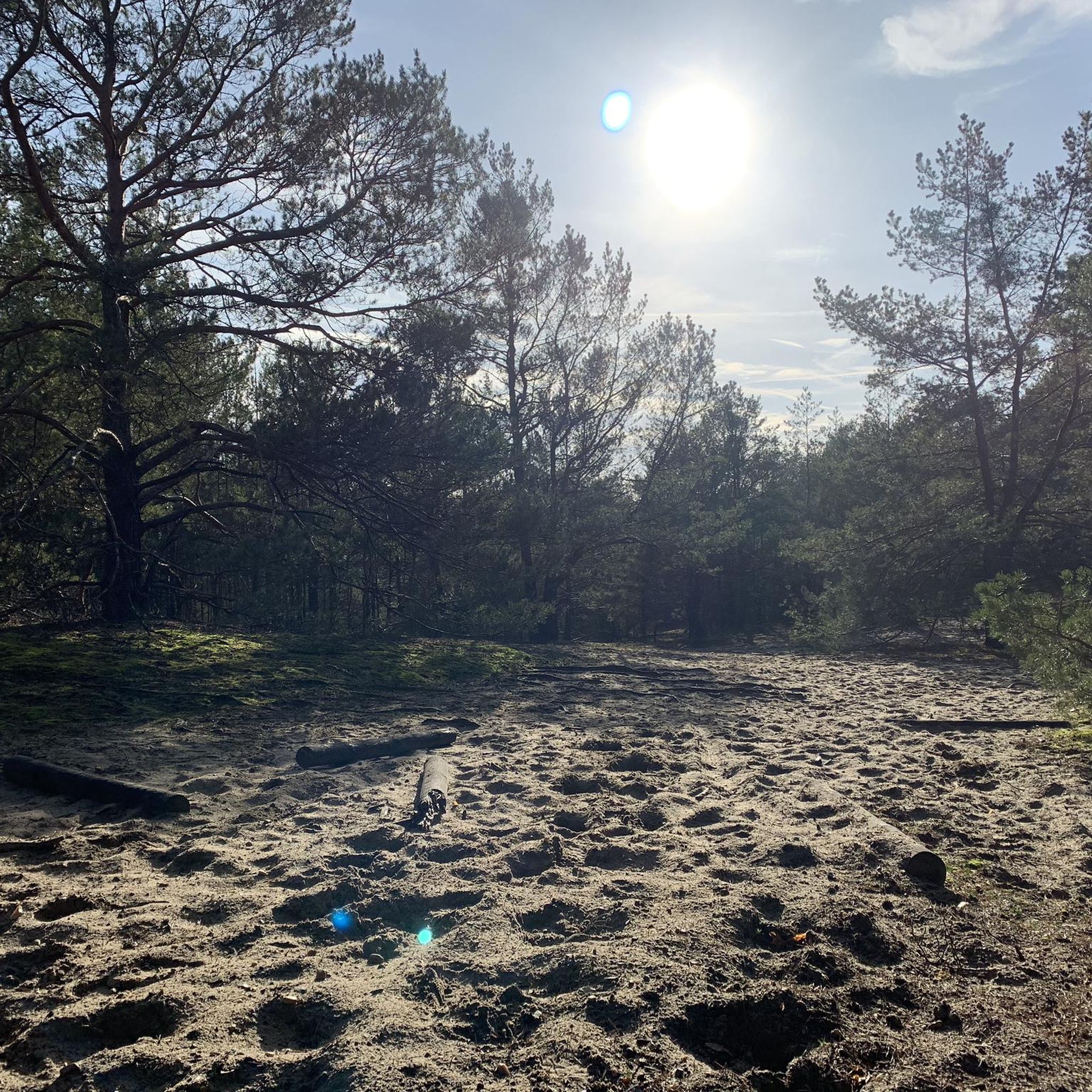
Always straight ahead. Slightly downhill, through the shady forest.
1
0
The Huisne is a river in central France, flowing in the regions of Normandy, Centre-Val de Loire and Pays de la Loire. It rises in the municipality of La Perrière, in the Perche Regional Nature Park, initially drains to the northeast, later to the southeast, finally turns to the southwest near Condé-sur-Huisne and, after around 165[2] kilometres, flows into the Sarthe in Le Mans as a left tributary.
3
0

Very beautiful start to the route with an arrival at this magnificent mill
2
0

It is a magnificent castle... Calm!
0
0
Magnificent section of greenway. The vegetation forms an arc above the road, providing maximum shade on hot days. In places, the trees open a window onto the fields and the track approaches the river. A superb moment out of time.
0
0
Frequently Asked Questions
How many no-traffic gravel bike trails are available around Saint-Germain-Des-Grois?
There are 6 dedicated no-traffic gravel bike trails detailed in this guide, offering a variety of experiences in the region.
Are there easy no-traffic gravel bike trails suitable for beginners?
Yes, there is one easy route perfect for beginners or those looking for a relaxed ride. The Voie verte in Dorceau – Above the Huisne loop from Saint-Pierre-la-Bruyère is a great option to start exploring the tranquil countryside.
Are there any circular no-traffic gravel bike routes in the area?
Absolutely! Many of the routes are designed as loops, allowing you to start and finish in the same location. For example, the Above the Huisne – Voie verte in Dorceau loop from Condé-sur-Huisne offers a substantial circular ride through the scenic Huisne Valley.
What kind of terrain and elevation can I expect on these no-traffic gravel trails?
The Perche Natural Regional Park, where Saint-Germain-Des-Grois is located, features undulating terrain with rolling hills, valleys, and forest tracks. You can expect a mix of surfaces, from well-maintained greenways to unpaved country roads. Routes like the Bellême – Villeray Mill loop from Berd'Huis include significant elevation changes, offering engaging challenges for gravel riders.
What is the best season for gravel biking in the Perche Regional Natural Park?
Spring and autumn are generally ideal for gravel biking in the Perche. The weather is mild, and the natural landscapes are particularly beautiful with vibrant colors. Summer can also be pleasant, especially on shaded forest tracks, but be mindful of warmer temperatures. Winter rides are possible, but conditions may vary, with some paths potentially being muddy or icy.
Are the no-traffic gravel trails around Saint-Germain-Des-Grois suitable for families?
Yes, the region offers many quiet routes and greenways that are excellent for family cycling. The focus on 'no traffic' means a safer and more relaxed experience. Look for routes that utilize the 'Voie Verte' sections, which are typically flatter and well-maintained, such as the Above the Huisne – Beautiful bucolic greenway loop from Condé-sur-Huisne.
Can I bring my dog on these gravel bike trails?
Many of the natural paths and greenways in the Perche Natural Regional Park are dog-friendly, provided your dog is well-behaved and kept on a leash, especially when passing through villages or near livestock. Always ensure you carry water for your dog and clean up after them. It's advisable to check local signage for any specific restrictions in certain areas.
Where can I find parking for these no-traffic gravel bike trails?
Parking is generally available in the starting villages of the routes. For example, you can often find parking in Condé-sur-Huisne or Saint-Pierre-la-Bruyère, which serve as starting points for several loops. Look for designated parking areas near town centers or trailheads.
What can I see along the no-traffic gravel bike trails?
The routes often pass through charming villages and offer glimpses of the region's heritage. You might encounter historical sites like the Nogent-le-Rotrou Castle or the Notre-Dame Church, Nogent-le-Rotrou. Many trails also follow the scenic Huisne Valley, providing beautiful natural views. The Alençon–Condé-sur-Huisne Greenway is a notable feature in the area.
Are there cafes or places to stop for refreshments along the no-traffic gravel routes?
Yes, many of the routes pass through or near small villages where you can find local cafes, bakeries, or small shops for refreshments. Towns like Condé-sur-Huisne or Nocé, which are starting points for tours like the Villeray Mill – Above the Huisne loop from Nocé, offer amenities. It's always a good idea to carry some snacks and water, especially on longer rides.
What do other gravel bikers say about the no-traffic trails in Saint-Germain-Des-Grois?
The komoot community highly rates the gravel biking experience in this region, with an average score of 3.6 stars. Reviewers often praise the tranquility of the routes, the beautiful natural landscapes of the Perche, and the joy of exploring the quiet country roads and greenways away from traffic.
Most popular routes around Saint-Germain-Des-Grois
Most popular attractions around Saint-Germain-Des-Grois

Get inspired with the komoot mobile app


Explore more
Browse the best Gravel rides in other regions.
