The best traffic-free bike rides around Élise-Daucourt
12
riders
3
rides
No traffic gravel bike trails around Élise-Daucourt are situated within the Grand Est region of France, offering diverse terrain for cycling. The area is characterized by its proximity to the expansive Forest of Argonne, a wild woodland featuring small hills and deep valleys formed by river runoff. Gravel routes often follow the banks of the Yèvre and Auve rivers, providing relatively flat sections. The region combines unpaved forest paths with agricultural roads, catering to varied gravel biking experiences.
Best no traffic gravel bike trails around Élise-Daucourt
- The most popular no traffic gravel bike trail is Saint-Rouin Hermitage – Path between the ponds loop from Bournonville, a 28.1 miles (45.2 km) trail that takes 2 hours 55 minutes to complete. This moderate route explores varied terrain near Bournonville, including paths along ponds and through local landscapes.
- Another top favourite among local gravel bikers is Sainte-Menehould – Sainte-Menehould Necropolis loop from Sainte-Menehould, a difficult 30.9 miles (49.8 km) path. This route offers a challenging ride through the region's diverse landscapes, potentially passing through forest areas and near historical sites.
- Local gravel bikers also love the Viewpoint loop from Bournonville, a 17.8 miles (28.7 km) trail leading through local countryside, often completed in about 1 hour 40 minutes. This moderate route provides scenic views over the surrounding area.
- Gravel biking around Élise-Daucourt is defined by dense woodlands of the Argonne Forest, serene river valleys, and small hills. The network offers options for different ability levels, from moderate rides to more challenging routes.
- The guide includes highly-rated routes that showcase the best of the region's landscape. More than 10 gravel bikers have used komoot to explore Élise-Daucourt's varied terrain.
Last updated: May 9, 2026
2
riders
44.1km
02:45
410m
410m
Moderate gravel ride. Good fitness required. Mostly paved surfaces. Suitable for all skill levels.
2
riders
49.8km
03:04
520m
520m
Hard gravel ride. Very good fitness required. Mostly paved surfaces. Suitable for all skill levels.

Sign up for free
1
riders
28.7km
01:38
250m
250m
Moderate gravel ride. Good fitness required. Mostly paved surfaces. Suitable for all skill levels.
Our route recommendations are based on thousands of hikes, rides, and runs completed by other people on komoot.
Start today with a free account
Your next adventure awaits.
Login or Signup
Popular around Élise-Daucourt

Tips from the Community

The Saint-Roch chapel appeared in the 17th century, well before the La Harazée national necropolis next to which it is located. The latter contains the remains of 1,672 soldiers who fell during the Battle of Argonne.
0
0

This concrete bunker was built in 1915 to protect the strategic crossroads Croix de Pierre. It is named after Lieutenant Robert de Courson de la Villeneuve, who was killed in the Argonne in 1914. The shelter is a silent witness to the fierce fighting in this wooded front area during WWI. The bunker is located near the road and is freely accessible.
8
0


As a memorial to the many war dead, such places of remembrance are still very important today. "Now, Lord, you let your servant depart in peace, as you have said..." it says in the so-called "Hymn of Simeon" (Luke's Gospel, Chapter 2, Verse 29). However, the large number of those buried here did not depart in peace, but became senseless victims of war and tyranny. The most important and everlasting function of such monuments (in German-speaking countries mostly referred to as soldiers' cemeteries or war graves) is therefore to remind each generation anew of the need to permanently preserve peace.
0
0

The Hermitage of Saint-Rouin is a modern chapel built on the site of an ancient hermitage where Saint-Rouin, founder of the Beaulieu-en-Argonne abbey, lived in the 7th century. The chapel, designed by the architect and Dominican friar L.-B. Rayssiguier, is a striking example of concrete architecture with geometric shapes and colorful stained glass windows. You can admire the minimalist interior and the altar made of sandstone blocks, as well as the 17th century altarpiece of the Assumption located in the enclosure. The Hermitage of Saint-Rouin is a place of pilgrimage and celebration every year on September 17, the feast day of Saint-Rouin. You can also enjoy the natural beauty of the surrounding forest and the panoramic views from the hilltop. The Hermitage of Saint-Rouin is a hidden gem that will inspire you with its history and art.
3
2
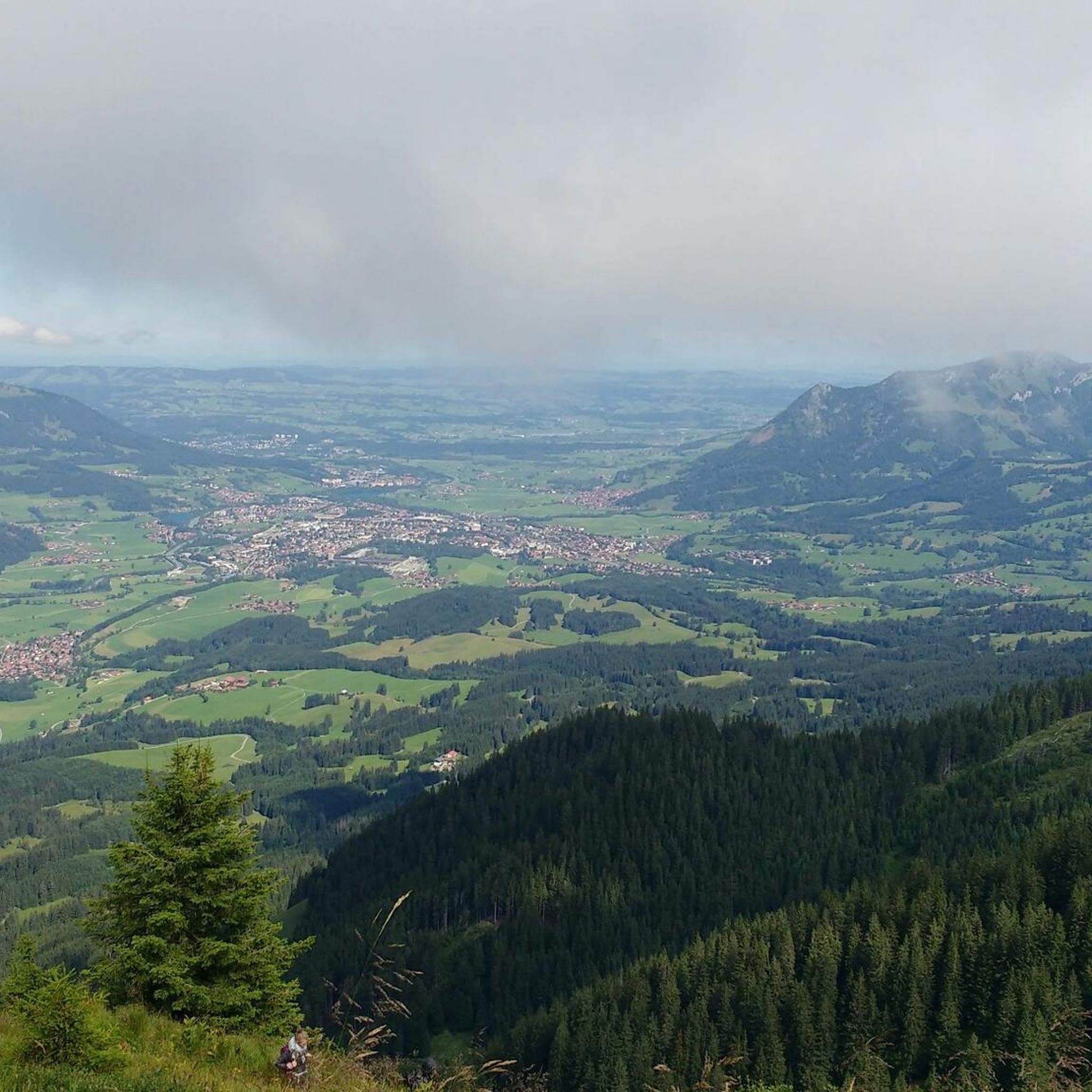
This viewpoint offers a panoramic view of the village of Passavant-en-Argonne, famous for its pottery and half-timbered houses. You can follow the signs to “Viewpoint” and enjoy the natural beauty of the area. The best time to visit is spring or fall, when the colors are more vibrant.
4
0

The Sainte-Ménéhould national cemetery brings together the remains of French soldiers who, despite the care provided in the city's numerous hospitals, died as a result of their injuries during the two world wars. Nearly 5,700 bodies are buried there.
1
1
Built between 1954 and 1961, the Saint-Rouin hermitage was erected in the heart of the Argonne forest according to plans drawn up by Father Rayssiguier, Dominican, disciple of Le Corbusier and co-author of the Vence chapel. For further information, contact the Association "Les Amis de Saint-Rouin".
1
0
Frequently Asked Questions
How many traffic-free gravel bike trails are available around Élise-Daucourt?
There are currently 3 curated traffic-free gravel bike routes available on komoot around Élise-Daucourt. These routes offer a mix of moderate and challenging rides through the region's diverse landscapes.
What kind of terrain can I expect on gravel bike trails near Élise-Daucourt?
The terrain around Élise-Daucourt is quite varied, offering an engaging experience for gravel cyclists. You'll encounter a mix of unpaved roads and paths, particularly within the expansive Forest of Argonne. This area features small hills and deep valleys, with elevations generally not exceeding 200 meters, providing both scenic beauty and moderate climbs. River valleys like the Yèvre and Auve also offer flatter sections, often with serene views.
Are there any challenging gravel bike routes for experienced riders?
Yes, for experienced riders seeking a challenge, consider the Sainte-Menehould – Sainte-Menehould Necropolis loop from Sainte-Menehould. This route covers nearly 50 km with over 500 meters of elevation gain, making it a demanding yet rewarding ride through the local landscape.
Can I find any circular gravel bike routes around Élise-Daucourt?
Absolutely! Many of the gravel routes in the area are designed as loops, allowing you to start and finish at the same point. For example, the Saint-Rouin Hermitage – Path between the ponds loop from Bournonville is a great option, offering a moderate 45 km ride.
What natural features or landmarks can I see along the gravel trails?
The gravel trails often lead you through the beautiful Forest of Argonne, known for its oak, chestnut, and pine trees, and abundant ferns. You might also spot local wildlife like wild boar or deer. Along some routes, you can discover historical points of interest such as the Saint-Rouin Hermitage or the Valmy Mill, adding a cultural dimension to your ride.
Are there any routes with good viewpoints?
Yes, for scenic vistas, you can explore the Viewpoint loop from Bournonville. This moderate 28 km route is specifically designed to take you to elevated spots offering picturesque views of the surrounding countryside.
What is the best time of year for gravel biking in Élise-Daucourt?
The spring and autumn months are generally ideal for gravel biking in Élise-Daucourt. The weather is typically mild, and the natural scenery, especially in the Forest of Argonne, is particularly vibrant with spring blooms or autumn colors. Summer can also be pleasant, but it's advisable to start early to avoid the midday heat.
Are there any historical sites accessible by gravel bike?
Yes, the region has a rich history, particularly related to World War I. While cycling, you might pass by sites like the Sainte Menehould military cemetery. The Forest of Argonne itself was a significant battleground, and exploring its paths offers a unique historical perspective.
What should I know about wildlife when cycling in the Forest of Argonne?
The Forest of Argonne is home to various wildlife, including wild boar, red deer, roe deer, hares, rabbits, and foxes. While encounters are generally harmless, it's always wise to be aware of your surroundings, especially during dawn and dusk, and to maintain a respectful distance from animals.
Where can I find parking for these traffic-free gravel trails?
Many of the routes start from towns or villages like Bournonville or Sainte-Menehould, where public parking is typically available. It's recommended to check the specific starting point of your chosen route on komoot for detailed parking information.
What makes the Élise-Daucourt region suitable for traffic-free gravel biking?
Élise-Daucourt's prime location bordering the vast Forest of Argonne is key. This extensive woodland, combined with the river valleys of the Yèvre and Auve, provides a natural network of unpaved roads and paths away from main traffic. The diverse terrain, from gentle riverbanks to undulating forest trails, ensures a varied and peaceful gravel biking experience.
Most popular routes around Élise-Daucourt
Most popular attractions around Élise-Daucourt

Get inspired with the komoot mobile app


Explore more
Browse the best Gravel rides in other regions.
