Attractions and Places To See around Lago Omodeo - Top 5
Best attractions and places to see around Lago Omodeo, an artificial lake in central Sardinia, offer a unique blend of natural beauty, historical landmarks, and cultural sites. This vast lake, formed by the damming of the Tirso River, is framed by basalt plateaus and rugged mountains, featuring rich forest formations and diverse birdlife. The area is also notable for its submerged archaeological treasures and ancient petrified wood that can re-emerge during low water levels.
Best attractions and places to see…
Last updated: October 4, 2026
Santa Chiara Dam on the Tirso
Highlight • Monument
King of the victorious and renewed homeland, he inaugurated on April 28, 1924 the works of Tirso which, divined by the first architects of the Italian economy …
Translated by Google •
Tip by

Santa Chiara Dam
Highlight • Monument
Translated by Google •
Tip by

Sign up now to discover places like this
Get recommendations on the best single tracks, peaks, & plenty of other exciting outdoor places.
Santa Chiara Dam and Lake Omodeo Road
Highlight (Segment) • Cycleway
Translated by Google •
Tip by
Chief Engineer's House of the Santa Chiara Dam
Highlight • Monument
The point of interest can be easily reached by bike with the service road behind sa cantinedda, but obviously to go down to …
Translated by Google •
Tip by
Ex SP30 Araduli Nature Trail
Highlight (Segment) • Trail
Translated by Google •
Tip by
Sign up for free to discover even more attractions around Lago Omodeo.
Already have an account?
Start today with a free account
Your next adventure awaits.
Tips from the Community

Very nice lakeside road, shame about the potholes in the asphalt
0
0

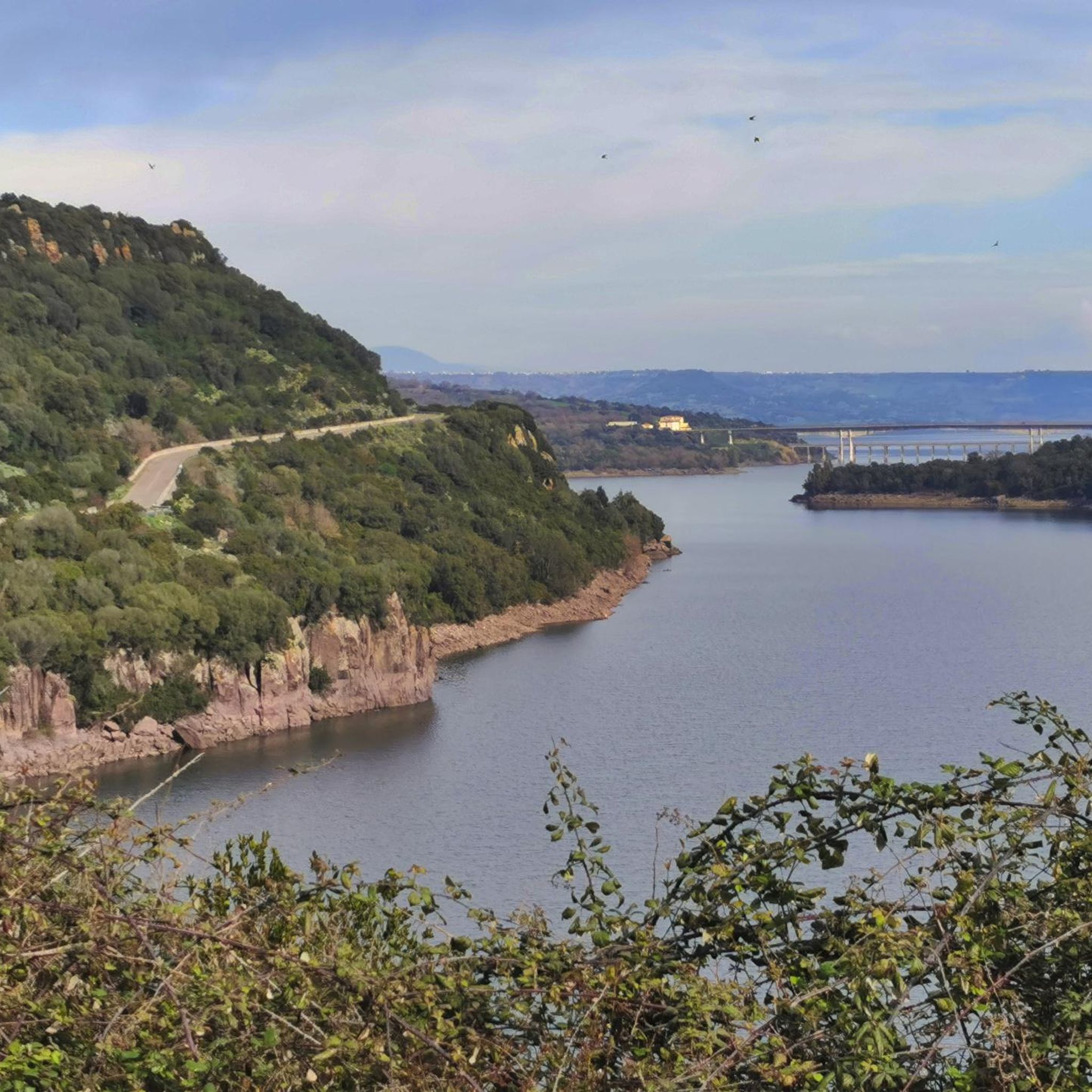
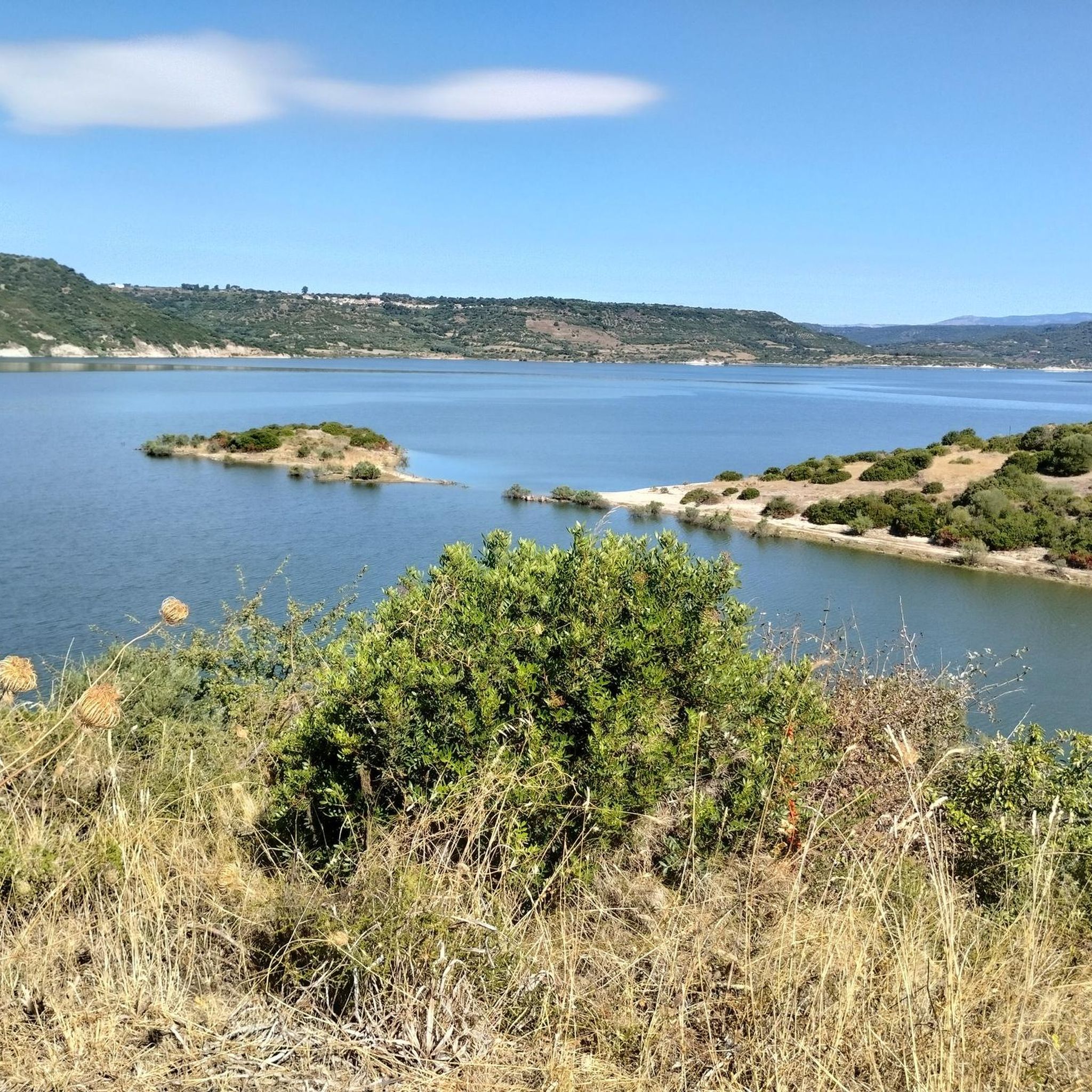
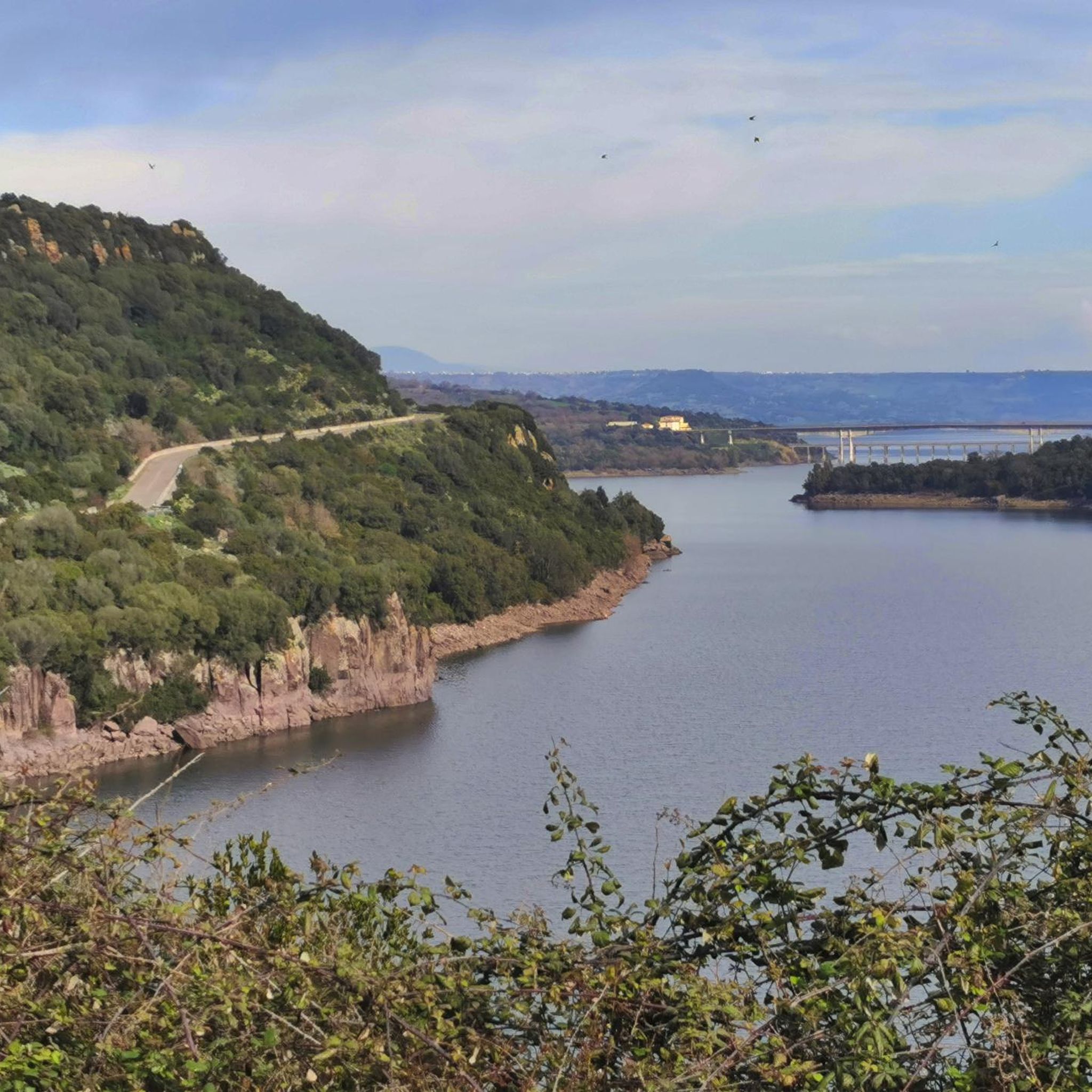
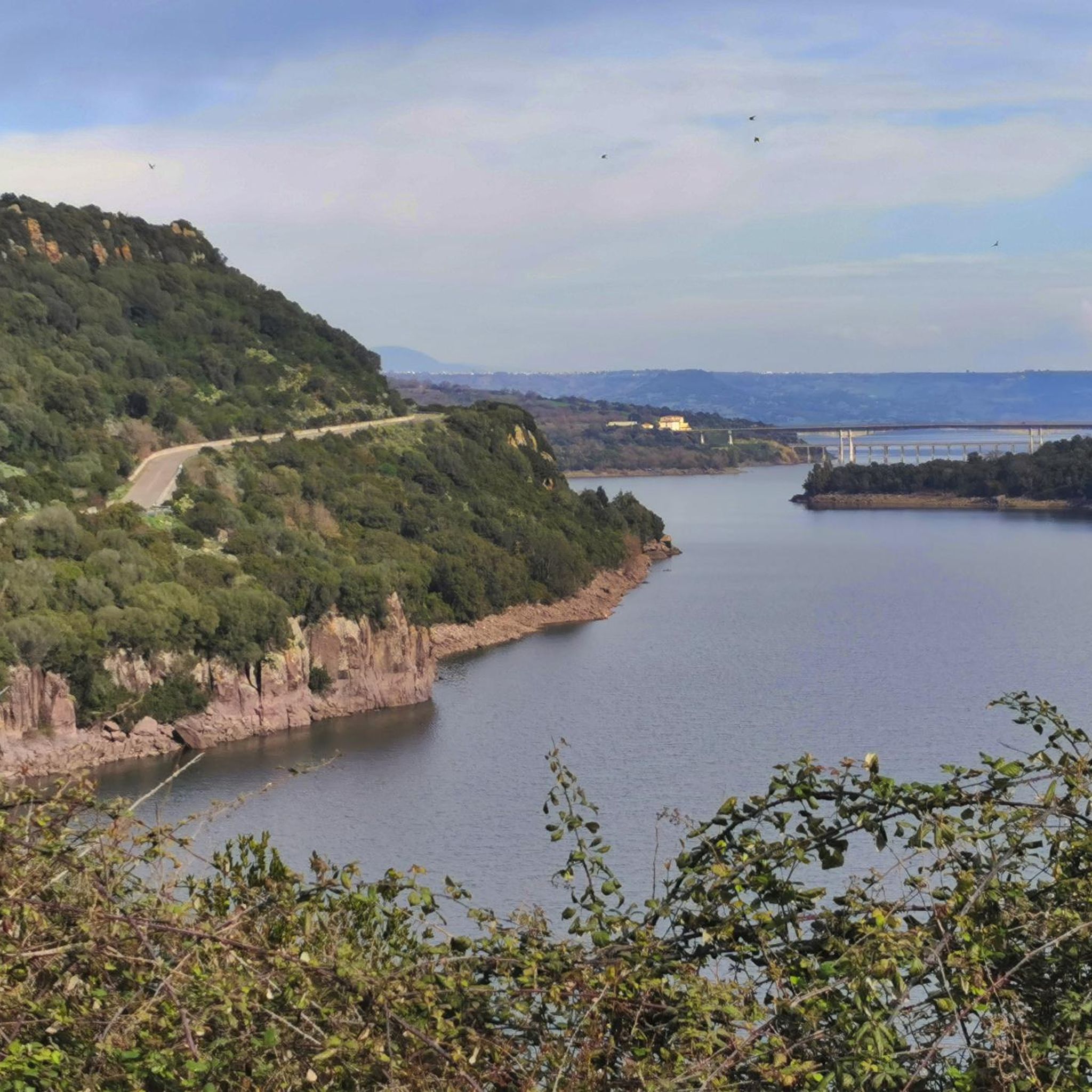
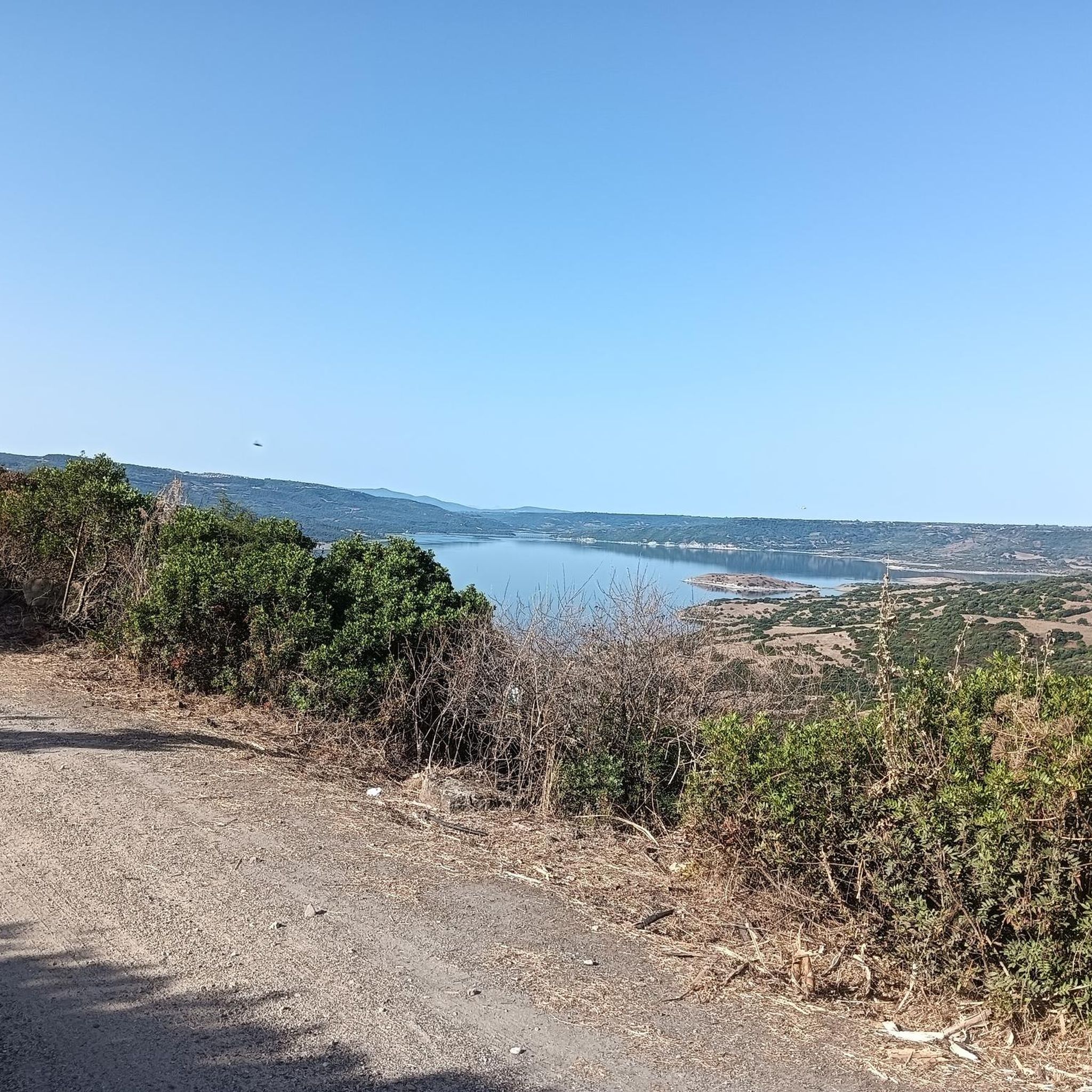
Lake Omodeo is an artificial basin formed with the damming of the Tirso River in 1924 with the Santa Chiara Dam. Today replaced by the new Eleonora D'Arborea dam, the old barrier has been partially submerged.
1
0

It can be visited only during the dry season, during the rainy season the house is partially submerged almost to the roof. In 1997, with the inauguration of the new dam (Eleonora d'Arborea dam) and the further raising of the water level, the house of the foreman ends up underwater to keep company with the remains of zuri, the petrified forests, some nuraghe and other structures of anthropogenic origin. The house housed the foreman, the deputy head and their respective families, now it houses only ruins and vegetation.
2
0
***go down on foot, highlight not cycleable*** The point of interest can be easily reached by bike with the service road behind sa cantinedda, but obviously to go down to visit the house you have to park the bike and go down the steps at the side of the road.
2
0
The dam, whose construction ended in 1924, is located near Ula Tirso and was built to regulate the course of the Thyrsus river, allow the irrigation of the adjacent lands, and produce low cost energy (Ula was the first Sardinian municipality to have electricity). Wanted and designed by Eng. Angelo Omodeo, was built in five years under the direction of Eng. Giulio Dolcetta. At its inauguration, the Omodeo lake thus formed was (and remained for a long time) the largest artificial lake in Europe. , the pre-Nuragic settlement "Serra Linta" and the village of Zuri, which was rebuilt a short distance from the lake (but this time on a hill). The church of San Pietro, dating back to the 13th century, was completely dismantled from its position and rebuilt in its present position in Zuri.
1
0
Although the dam can be reached by bike from the service road near Sa Cantinedda, and you can cycle on it, this is still a section where you need to pay maximum attention.
1
0
VITTORIO EMANUELE III King of the victorious and renewed homeland, he inaugurated on April 28, 1924 the works of Tirso which, divined by the first architects of the Italian economy drawn by Angelo Omodeo, powerfully subsidized by the state; Giulio Dolcetta it fulfilled in the first five years of glorious peace under the presidency of Giovanni Cini, by mandate and with the means of the Italian Commercial Bank, and of the Italian Society for Southern Railways. ---- Collaborate to the general organization, Angelo Bruni and Antonio Pierazzuoli. The major work is the Santa Chiara di Ula dam designed by Luigi Kambo. He built, Felice Costamagna assisted by his brother Andrea, by Ottavio and Alfonso Gervaso, by Carlo Avanzini, Silvio Silva, Giovanni Brotzu, Stefano Meloni, Tullio Serra Emilio Elia and Tommaso Fiorelli. Leading the effort of 16,000 Italian workers. --- Andrea Pertoldeo, Engineer, fell in the long and bitter struggle against the unhealthy place and the resistance of nature. L.Costan [...], A. Carpanelli E. Gramsci, P. Prisco, G. Pace, E. Serra And the workers: G. Fundoni, A. Cancedda, D. Simula, E. Secchi, [...]. Crucas, C. Manai, G. Marras, A. Floris, G. Manca, B. Sotgiu, P. Oppo. [...]. Crispazio, I. Scoonamilla, P. Succu, A. Garau, G. Lai, A. Cossu, A. Follesa, A. Frau, F. Aresti, R. Carrucciu, V. Sedilesu, R. Canali, A. Brau, L. Moro, G. Cannas, G. Marcus, P. Tidu, R. Manca [...] G. Piras, A. Molli, E. Mantegano, R. Remano GOD THE FATHER WATCH AND FECOND
2
0
Segment of SP74 that runs along the central-southern part of Lake Omodeo up to the old dam. Paved road and passable by racing bike but with care as it is poorly maintained and with visible cracks along its entire route. Cars are rare, albeit present.
2
0
Frequently Asked Questions
What historical landmarks can I explore around Lago Omodeo?
The area around Lago Omodeo is rich in history. You can visit the historic Santa Chiara Dam, inaugurated in 1924, which created the lake. Another significant site is the Chief Engineer's House of the Santa Chiara Dam, a unique 'ghost house' that emerges and submerges with the lake's water levels. Additionally, the 13th-century Romanesque Church of San Pietro in Zuri was meticulously dismantled and rebuilt before the valley was flooded.
Are there opportunities for outdoor activities like hiking or cycling near Lago Omodeo?
Yes, Lago Omodeo offers various outdoor activities. For cycling, the Santa Chiara Dam and Lake Omodeo Road (SP74) provides scenic views along the central-southern part of the lake. Hikers can explore the Ex SP30 Araduli Nature Trail, which starts from the church of San Quirico. For more routes, you can find numerous options for hiking and MTB trails around the lake.
What natural features make Lago Omodeo unique?
Lago Omodeo itself is an expansive artificial lake, stretching over 20 kilometers. It is framed by basalt plateaus and rugged mountains, with diverse vegetation including holm oaks and Mediterranean scrub. A truly unique natural feature is the Petrified Forest of Zuri-Soddì, an ancient fossilized tropical forest that occasionally reappears during periods of low water levels.
Can I go birdwatching or spot wildlife around Lago Omodeo?
Absolutely. The Lago Omodeo area is a haven for both seasonal and migratory birds. You might spot species like the European roller, Eurasian stone-curlew, peregrine falcon, osprey, common sandpiper, jays, various ducks, and herons. The lake also supports a population of twaite shad, making it interesting for aquatic wildlife observation.
What kind of water sports are available on Lago Omodeo?
Lago Omodeo is an excellent destination for water sports. Visitors can enjoy sailing, windsurfing, and kitesurfing, especially during spring and early autumn when favorable winds are common. The lake is also popular for fishing, known for its black bass and perch.
Are there any easy walking trails suitable for families near Lago Omodeo?
Yes, there are easy walking trails available. For example, you can find easy hikes around Lago Omodeo, including loops from Sèdilo/Sedilo and Fordongianus, which are suitable for a more relaxed pace.
What is the 'Ghost House' and where can I find it?
The 'Ghost House' refers to the Chief Engineer's House of the Santa Chiara Dam. This two-story villa, which once housed the chief engineer, emerges and submerges with the changing water levels of Lago Omodeo, particularly visible during dry seasons. It's a fascinating and somewhat eerie sight, offering a glimpse into the lake's history.
Are there any ancient archaeological sites to visit near Lago Omodeo?
The waters of Lago Omodeo conceal numerous archaeological treasures that resurface during dry periods. These include Nuragic settlements such as Tombs of the Giants, Domus de Janas, and various Nuraghe structures, as well as the pre-Nuragic settlement of Serra Linta. While some are submerged, the well-preserved Nuraghe Losa is a significant site in the vicinity, offering insight into ancient Sardinian civilization.
What are the best viewpoints for panoramic scenery around Lago Omodeo?
Numerous 'mirador' points are scattered around Lago Omodeo, offering breathtaking panoramic views of the expansive water and the surrounding landscape. The Santa Chiara Dam and Lake Omodeo Road (SP74) is also known for its picturesque vistas as it winds along the lake.
What is the significance of the Santa Chiara Dam?
The Santa Chiara Dam is a historic landmark, inaugurated in 1924. It was designed by engineer Angelo Omodeo and was responsible for creating Lago Omodeo, which was once the largest artificial lake in Europe. Its construction regulated the Tirso River, allowed for irrigation, and produced energy, profoundly shaping the region.
Are there any cultural attractions in the villages surrounding Lago Omodeo?
Yes, the eleven municipalities bordering Lago Omodeo offer various cultural attractions. Villages like Ghilarza, Ardauli, and Nughedu Santa Vittoria feature historical churches, such as the Romanesque church of San Palmerio in Ghilarza, and local museums like the Antonio Gramsci House Museum, providing insights into the region's heritage.
Most popular routes around Lago Omodeo

Get inspired with the komoot mobile app


Explore more
Still not found the Highlight you’re looking for? See guides of the top attractions in other regions:
