The best traffic-free bike rides around Oberkontz
4.5
(9)
98
riders
9
rides
Gravel biking around Oberkontz offers diverse landscapes at the border triangle of Germany, France, and Luxembourg. The region features a mix of small roads, field and forest paths, and narrow trails, providing varied terrain for cyclists. Hilly sections and river valleys, such as those formed by the Saar, are characteristic, with significant forest coverage contributing to the routes. This area is well-suited for no traffic gravel bike trails, combining natural features with historical landmarks.
Best no traffic gravel bike trails…
Last updated: August 29, 2026
5.0
(1)
16
riders
71.3km
05:13
940m
940m
Hard gravel ride. Very good fitness required. Mostly paved surfaces. Suitable for all skill levels.
5
riders
26.6km
02:08
280m
280m
Moderate gravel ride. Good fitness required. Mostly paved surfaces. Suitable for all skill levels.

Sign up for free
14
riders
45.3km
03:11
630m
630m
Hard gravel ride. Very good fitness required. Mostly paved surfaces. Suitable for all skill levels.
5.0
(1)
18
riders
Hard gravel ride. Very good fitness required. Mostly paved surfaces. Suitable for all skill levels.
5
riders
10.9km
00:54
80m
80m
Easy gravel ride. Great for any fitness level. Mostly paved surfaces. Suitable for all skill levels.
Get access to more routes and recommendations from other explorers.
Sign up for free
Already have an account?
Our route recommendations are based on thousands of hikes, rides, and runs completed by other people on komoot.
Start today with a free account
Your next adventure awaits.
Login or Signup
Popular around Oberkontz
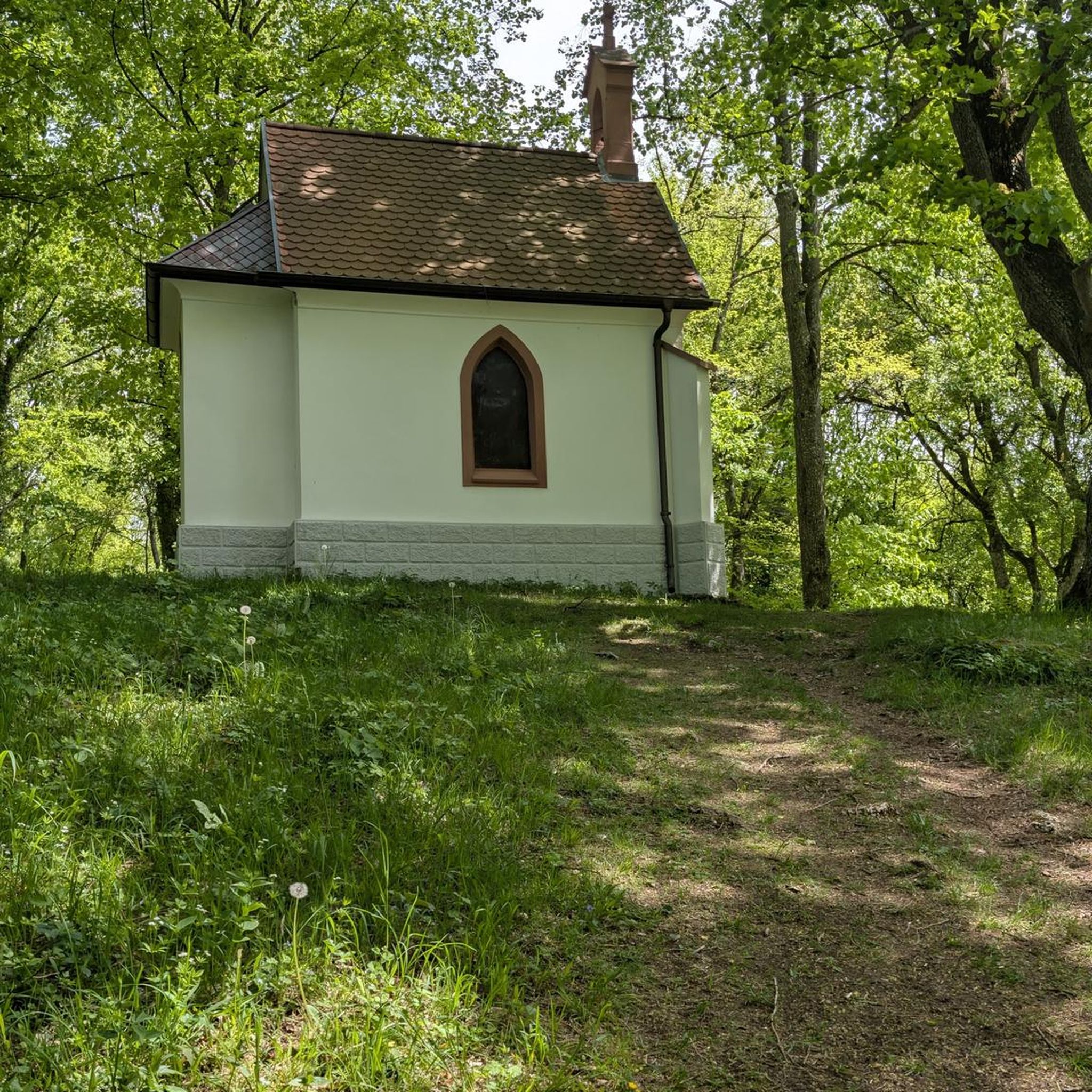
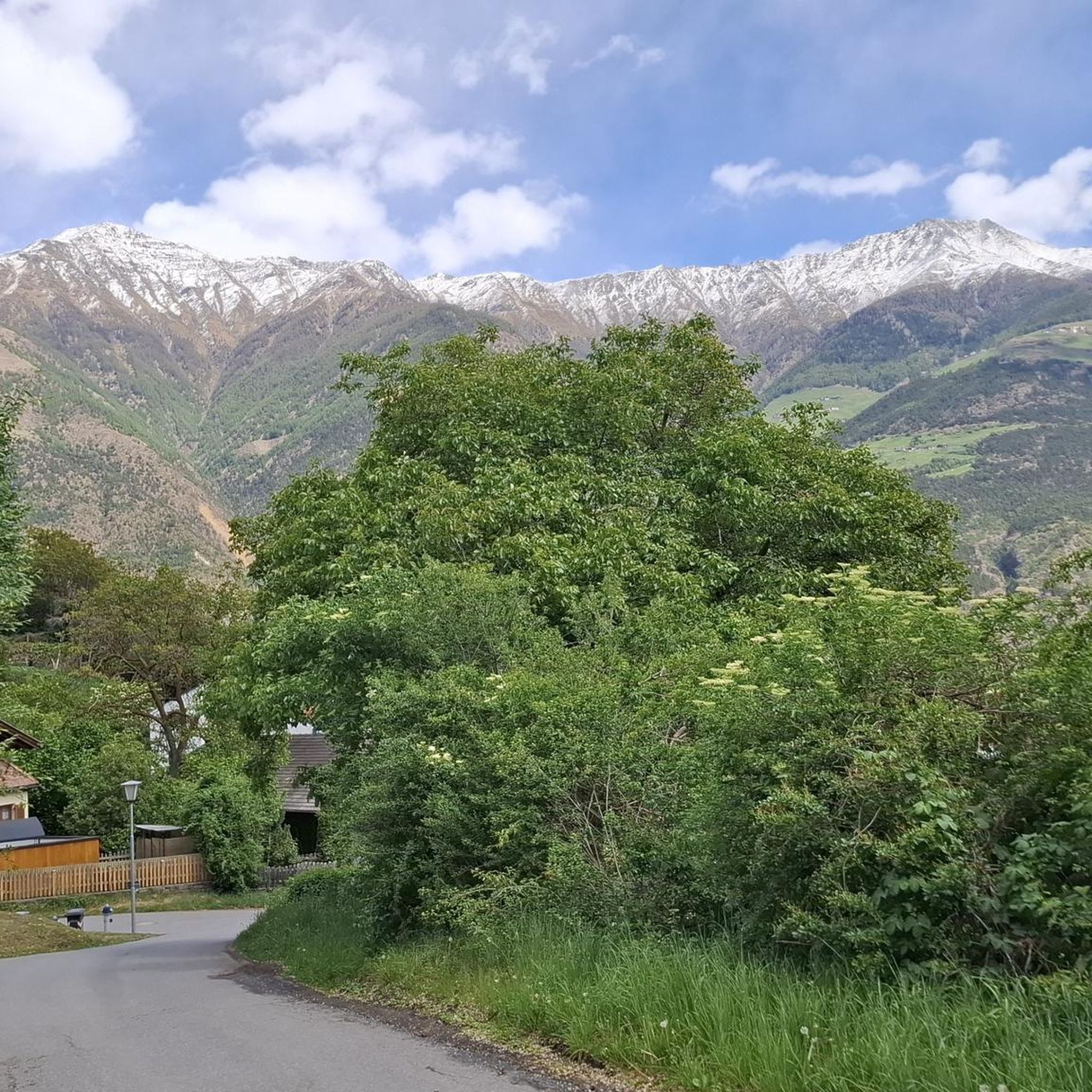
Tips from the Community

Beautiful path dotted with many trees
1
0
A beautiful view of the vineyards
1
0

Unfortunately, it's closed at the entrance gate and you can't go any further to the end, which is a great shame.
0
0

If you have time, you should visit it.
1
0

🏰 **Rodemack – A Medieval Village Gem in Lorraine** **Rodemack** is one of the most beautiful villages in France (*Les Plus Beaux Villages de France*) – a lovingly preserved **medieval ensemble** near the border with Luxembourg and Germany. Surrounded by an almost completely preserved **city wall**, the town transports visitors back to centuries past. 🚪 Narrow streets, sandstone-colored houses, the **Château de Rodemack**, the **Porte de Sierck** city gate, and the well-kept **monastery garden** make the town an atmospheric destination for strolls and photo tours. 🎭 In summer, **historical festivals**, markets, and cultural events take place regularly – always with local charm. **Tip:** It's worth arriving early – then Rodemack lies peacefully in the morning sun and reveals its full charm. Ideal for a leisurely tour with historical flair.
2
0
🏘️ **Boust – A Border Village with a View** **Boust** is idyllically located in northeastern France, just a few kilometers from Luxembourg. The small village is characterized by open fields, rolling hills, and a peaceful, agricultural atmosphere. Historically, it was part of the border region between France and the German Empire – a fact still evident today in old farmsteads, chapels, and wayside crosses. 🚶♂️ Several hiking and cycling trails run around Boust, some with views of Luxembourg or the surrounding villages such as Hagen, Roussy, or Hettange. **Tip:** Those exploring the area will find magnificent views in clear weather – especially from the ridge west of the village. Ideal for quiet stops or short border country routes.
0
0
🛡️ **Ouvrage de Kobenbusch – Mighty Fortification of the Maginot Line** The **Ouvrage de Kobenbusch**, located south of Cattenom near the Luxembourg border, is one of the large underground fortifications of the **Maginot Line**. It was built between 1930 and 1935 and consisted of several combat blocks, underground connecting tunnels, a barracks, ammunition depots, and machine rooms – on several levels, anchored deep in the limestone. ⚙️ Particularly noteworthy: The technical systems were designed to be self-sufficient for months – including power generation, ventilation, a kitchen, and a hospital. The fort was occupied without a fight during World War II, continued to be used in part after the war, and is now privately owned. 🚷 It's **not open to the public**, but some ventilation towers and blockhouses are still visible in the forest near the D64 road (between Cattenom and Berg-sur-Moselle). **Tip:** For Maginot fans, a walk through the forest is worthwhile – with a little research, you'll find several bunker remains. Respect barriers, as some entrances are unstable or secured.
1
0
🛡️ **Ouvrage du Galgenberg – A Deep Look into the Maginot Line** The **Ouvrage de Galgenberg** is a large underground fortification of the **Maginot Line**, located south of Cattenom. It was built between 1930 and 1935 and served to defend the French border against Germany. The complex consists of several **combat bunkers**, **barracks**, **tunnels**, and **supply facilities** located deep underground. During the Cold War, the fort was modernized and remained in active use until the 1980s. 🔦 Today, it is accessible for guided tours (registration only), including a view of the original equipment: rails, power supply, ventilation systems, and gun emplacements. **Tip:** Ideal for military and history buffs – bring warm clothing, as it's chilly inside! Guided tours with former soldiers or experts are particularly impressive.
1
0
Frequently Asked Questions
How many traffic-free gravel bike trails are available around Oberkontz?
This guide features 7 dedicated traffic-free gravel bike trails around Oberkontz. These routes offer a diverse range of experiences, from easy loops to more challenging, longer rides.
Are there any easy, traffic-free gravel bike trails suitable for beginners near Oberkontz?
Yes, beginners can enjoy the Roman Villa Borg – Gladiator Ride Trail loop from Borg. This easy route covers approximately 11 km with minimal elevation gain, providing a gentle introduction to gravel biking in the region.
What kind of challenges can advanced gravel bikers expect on traffic-free trails around Oberkontz?
Advanced riders will find challenging routes with significant elevation changes and longer distances. For instance, the Château de Malbrouck – Malbrouck Castle loop from Sierck-les-Bains is a difficult 71 km tour with over 900 meters of ascent, offering a demanding ride through varied terrain, including field and forest paths.
Are there family-friendly, traffic-free gravel routes suitable for children around Oberkontz?
While specific 'family-friendly' routes aren't explicitly tagged, the Roman Villa Borg – Gladiator Ride Trail loop from Borg is an easy, shorter option (approx. 11 km) that could be suitable for families with older children or those comfortable with gravel surfaces. The region's varied terrain means some routes might be too challenging for very young riders.
What natural features and landmarks can I see along the traffic-free gravel bike trails?
The region offers a mix of natural beauty and historical sites. You can explore areas with significant forest coverage, hilly terrain, and river valleys. Notable attractions nearby include the Schengen European Museum and Border Monuments, the Remich Bridge over the Moselle, and the Stromberg Limestone Cliffs. Some routes, like the Berg Castle – Roman Villa Borg loop from Perl, pass by historical sites like Schloss Berg and the Roman Villa Borg.
Are there any circular traffic-free gravel routes in the Oberkontz area?
Yes, all the traffic-free gravel bike trails listed in this guide are circular routes. This allows for convenient starting and ending points, often returning you to your initial location without needing to retrace your path.
What is the best time of year for gravel biking around Oberkontz?
The region is generally good for gravel biking from spring through autumn. The varied terrain, including forest paths, can be enjoyed in pleasant weather. Winter riding is possible, but some paths might be muddy or icy, especially in forested areas, so checking local conditions is advisable.
What do other gravel bikers enjoy most about the traffic-free trails in Oberkontz?
The komoot community rates the trails in this area highly, with an average score of 4.56 stars. Riders often praise the quiet, traffic-free nature of the routes, the diverse landscapes, and the opportunity to explore both natural beauty and historical sites across the border region.
Are there any routes that cross into neighboring countries, like France or Luxembourg?
Yes, the unique location of Oberkontz in the border triangle means many routes offer cross-border experiences. For example, the Château de Malbrouck – Malbrouck Castle loop from Sierck-les-Bains takes you into France, allowing you to explore the historic Château de Malbrouck and enjoy the diverse landscapes of the Moselle department.
Can I find routes that pass by lakes or water features?
While the immediate routes might not directly hug large lakes, the broader region around Oberkontz is home to several beautiful water features. You can find highlights like Remerschen Lake and Lac du Mirgenbach nearby, which could be incorporated into longer rides or visited separately.
What kind of terrain can I expect on the traffic-free gravel trails?
The terrain is highly varied, offering a classic gravel biking experience. You'll encounter a mix of small paved roads, well-maintained field and forest paths, and sometimes narrower trails. The region is generally hilly, so expect challenging climbs and rewarding descents, especially in areas bordering the Hunsrück hills.
Are there any hidden gem routes or less-known trails for gravel biking around Oberkontz?
While all routes in this guide offer a great experience, exploring the extensive network of forest paths, such as those found in the Forêt Domaniale de Garche – Ouvrage du Kobenbusch loop from Breistroff-la-Grande, can lead to quieter, less-trafficked sections. The charm of the region lies in its ability to offer serene rides away from main roads.
Most popular attractions around Oberkontz

Get inspired with the komoot mobile app


Explore more
Browse the best Gravel rides in other regions.
