The best traffic-free bike rides around Vernoux-En-Vivarais
4.6
(696)
6,879
riders
58
rides
No traffic touring cycling routes around Vernoux-En-Vivarais traverse a diverse landscape situated on a plateau at approximately 600 meters altitude. The region is characterized by hills and mountains, with elevations ranging from 360 to 949 meters, offering varied terrain for cyclists. Extensive forests, including chestnut trees, and river valleys like the Eyrieux, define the natural scenery. This area provides a mix of accessible paths and more challenging routes with significant elevation changes.
Best no traffic touring cycling routes around Vernoux-En-Vivarais
…Last updated: July 6, 2026
4.8
(33)
228
riders
83.9km
06:12
1,390m
1,390m
Hard bike ride. Very good fitness required. Mostly paved surfaces. Suitable for all skill levels.
4.9
(10)
102
riders
Moderate bike ride. Good fitness required. Mostly paved surfaces. Suitable for all skill levels.

Sign up for free
4.9
(7)
95
riders
Hard bike ride. Very good fitness required. Mostly paved surfaces. Suitable for all skill levels.
4.9
(8)
82
riders
Moderate bike ride. Good fitness required. Mostly paved surfaces. Suitable for all skill levels.
3.0
(2)
51
riders
60.5km
04:20
1,110m
1,110m
Hard bike ride. Very good fitness required. Mostly paved surfaces. Suitable for all skill levels.
Get access to more routes and recommendations from other explorers.
Sign up for free
Already have an account?
Our route recommendations are based on thousands of hikes, rides, and runs completed by other people on komoot.
Start today with a free account
Your next adventure awaits.
Login or Signup
Popular around Vernoux-En-Vivarais
Tips from the Community

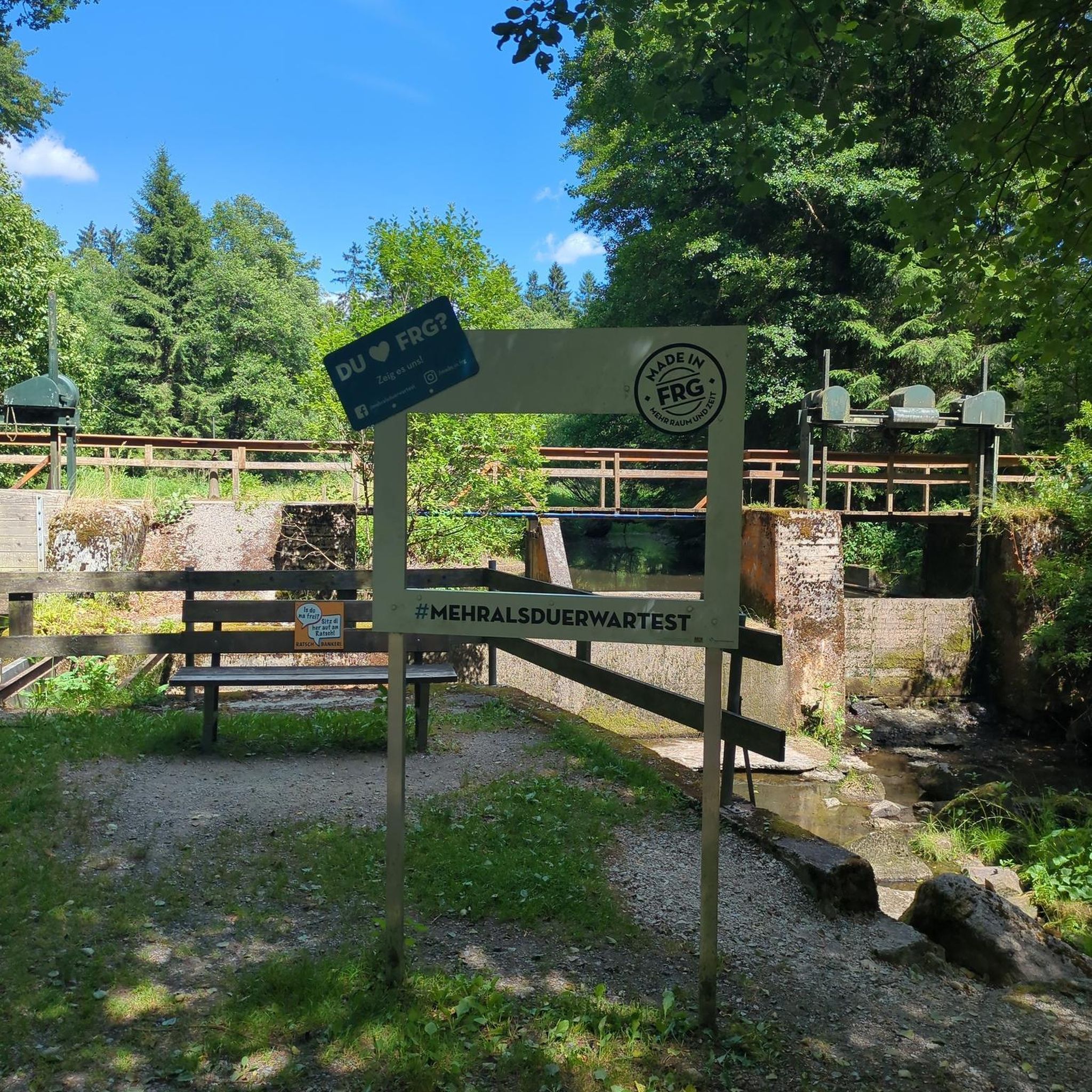
Right next to the sign down to swim in the Eurieux
0
0

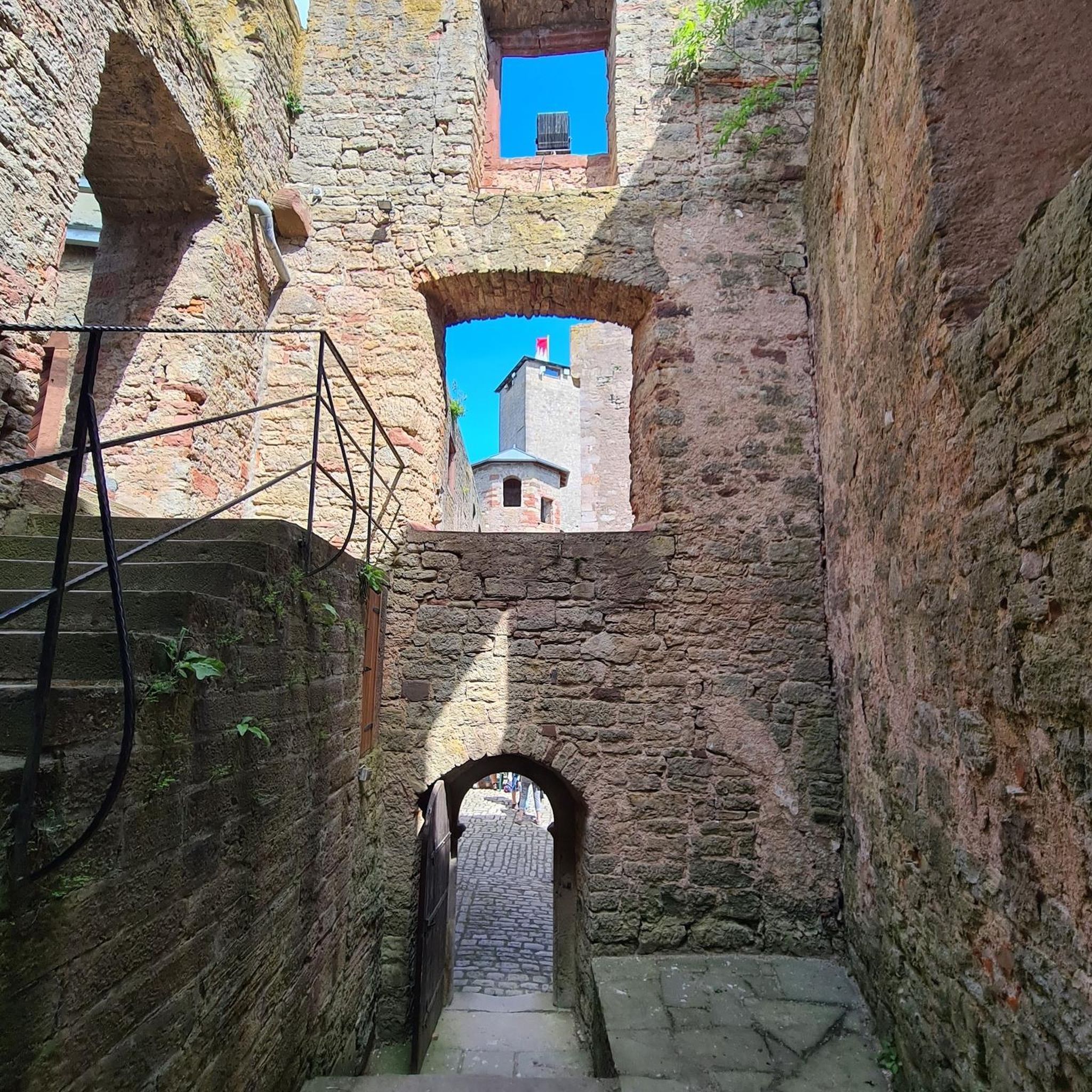
It is classified as a historical monument and houses a museum designated as a Museum of France. Primarily built between the 15th and 16th centuries, the Château de Tournon stands on the remains of a first building from the 10th century. (...) The site still presents exceptional works of art today, such as a triptych by Giovanni Capassini, but also collections on river navigation or the history of the town and the castle. Reconstructions of rooms, as well as sculptures, paintings, drawings or engravings, highlight the tour.
0
0
The following sentence is attributed to the French writer Victor Hugo (1802-1885): „One day, cannons will be exhibited in museums, like old torture instruments are now, and people will marvel that such things were ever in use.“ If only this vision of his had already become a reality! Then there would be no need for the many 'Monument aux Morts' with which villages and towns, across the country, commemorate their inhabitants who lost their lives in war.
0
0

A rare testimony of Gothic architecture in Ardèche, the Saint-Julien church is one of the best-preserved in the region. Listed as a historical monument, it recalls the ancient character of Tournon's heritage. https://www.tournon-sur-rhone.fr/ma-ville/decouvrir-tournon-sur-rhone/patrimoine/eglise-saint-julien/
0
0
The Château de Tournon is one of the most beautiful castles in the Ardèche. Its massive character and elevated position give it an imposing appearance. Built between the 15th and 16th centuries, its architecture bears witness to the evolution of society, between the medieval period and the dawn of the Renaissance. http://www.chateaumusee-tournon.com/index.php?option=com_content&view=article&id=549&Itemid=443
1
0
The first footbridge built by Marc Seguin between Tournon and Tain in 1825 was revolutionary for its time. It was the world's first iron cable suspension bridge, a true technical feat for the era. This footbridge helped facilitate trade and strengthen ties between the two towns. However, the original footbridge underwent several transformations over time. It was first raised to allow the passage of steamships, then a second footbridge was built by Marc Seguin in 1847, still based on the iron cable suspension principle. The two footbridges coexisted for a time, the first being used for pedestrian traffic and the second for road traffic. As road traffic intensified over time, it became necessary to build a new bridge to facilitate circulation. This is how the Gustave Toursier bridge was built in 1958. Located about 350 meters downstream from the Marc Seguin footbridge, this suspension bridge over 240 meters long comprises three spans. It is designed to support road traffic, thus facilitating exchanges between the two municipalities. The current footbridge, inaugurated in 1972, is therefore the fourth of its name. It was designed to resemble the 1847 footbridge, while meeting current safety standards and needs. https://www.ardeche-hermitage.com/fr/zoom-sur/la-passerelle-marc-seguin-celebre-son-bicentenaire/
0
0
Board the Mastrou and discover our entire line, from the T. St Jean de Muzols station to Lamastre. The railway is the only way to admire the wild landscapes of the Doux Valley, a river it follows for 28 kilometers, crossing bridges, viaducts, and tunnels. From the Gorges du Doux to the Ardèche plateau, passing through orchards and chestnut groves, you won't miss a thing in the Ardèche verte! https://www.trainardeche.fr/
0
0

A very beautiful route to share with the family
0
0
Frequently Asked Questions
How many no-traffic touring cycling routes are available around Vernoux-en-Vivarais?
There are over 60 dedicated no-traffic touring cycling routes around Vernoux-en-Vivarais. These routes offer a diverse range of experiences, from easy, family-friendly rides to more challenging excursions through the varied landscapes of the Haut-Vivarais region.
Are there easy, traffic-free touring cycling routes suitable for beginners or families?
Yes, Vernoux-en-Vivarais offers several easy, traffic-free touring cycling routes perfect for beginners and families. A prime example is sections of the Voie verte La Dolce Via, which utilizes an old railway line, providing a relatively flat and accessible surface. Routes like the Voie verte La Dolce Via – Dolce Via Rail Trail loop from Saint-Fortunat-sur-Eyrieux are rated as moderate but offer gentle gradients suitable for a relaxed pace.
What is the "La Dolce Via" and how does it relate to traffic-free cycling in the area?
The "La Dolce Via" is a renowned cycling path built on an old railway line, offering a fantastic traffic-free experience. It's a major highlight for touring cyclists in the region, providing a smooth, accessible route through the scenic Gorges du Doux and Eyrieux Valley. Many of the no-traffic routes around Vernoux-en-Vivarais incorporate sections of this beautiful greenway, such as the La Dolce Via – The Roman Bridge loop from Saint-Fortunat-sur-Eyrieux.
What natural features or landmarks can I expect to see along the no-traffic touring cycling routes?
The routes often traverse lush forests, chestnut groves, and terraced landscapes characteristic of the Ardèche. You'll encounter stunning river valleys like the Eyrieux, and some routes pass by notable points of interest such as the Nonières Tunnel or the Old Lamastre train station, both part of the historic railway infrastructure now repurposed for cycling. The Dolce Via Section Through the Gorges of the Eyrieux offers particularly picturesque views.
Are there any circular no-traffic touring cycling routes?
Yes, several circular routes are available, allowing you to start and end your journey in the same location without retracing your path. An example is the Dolce Via Rail Trail – Eyrieux loop from Vernoux-en-Vivarais, which offers a substantial loop experience combining the greenway with other quiet roads.
What is the best time of year to enjoy no-traffic touring cycling in Vernoux-en-Vivarais?
The spring and autumn months are generally ideal for touring cycling in Vernoux-en-Vivarais. During these seasons, the weather is typically mild, and the natural scenery is at its most vibrant, with blooming flowers in spring and rich colors in autumn. Summer can also be pleasant, especially in the shaded forest sections, but it's advisable to start early to avoid the midday heat.
Can I bring my dog on these traffic-free cycling routes?
Many of the traffic-free routes, particularly those on dedicated greenways like the Dolce Via, are generally dog-friendly, provided your dog is on a leash and well-behaved. However, it's always recommended to check specific route details or local regulations, especially concerning nature reserves or private land. Ensure you carry water for your pet, especially on longer rides.
What do other touring cyclists enjoy most about cycling in Vernoux-en-Vivarais?
The area is highly rated by the komoot community, with an average score of 4.6 stars. Reviewers often praise the tranquility of the routes, the stunning natural beauty of the Ardèche landscape, and the excellent infrastructure of the traffic-free paths like the Dolce Via, which makes for a relaxing and immersive cycling experience.
Are there any longer, car-free touring cycling options for multi-day trips?
While most listed routes are day trips, the extensive network of greenways and quiet country roads in the region allows for combining shorter segments into longer, multi-day touring adventures. The Dolce Via itself stretches for many kilometers, offering the potential for extended car-free journeys. For a challenging long-distance option, consider routes like the Col de la Fayolle – Voie verte La Dolce Via loop from Saint-Fortunat-sur-Eyrieux, which covers over 140 km and can be broken into multiple days.
Where can I find parking for these traffic-free touring cycling routes?
Parking is generally available at the start points of many routes, especially in towns and villages that serve as access points to the greenways. For example, towns like Saint-Fortunat-sur-Eyrieux and Saint-Michel-de-Chabrillanoux, which are common starting points for Dolce Via loops, typically offer designated parking areas for visitors. Always check local signage for specific parking regulations.
Are there opportunities for wild swimming near the traffic-free bike routes?
The region's rivers, particularly the Eyrieux, offer opportunities for wild swimming. While specific designated spots may vary, many cyclists enjoy cooling off in the river during warmer months. The Beach on the Eyrieux – Dolce Via Rail Trail loop from Saint-Michel-de-Chabrillanoux, for instance, suggests a route that includes a beach access point along the river, perfect for a refreshing dip.
Most popular routes around Vernoux-En-Vivarais
Most popular attractions around Vernoux-En-Vivarais

Get inspired with the komoot mobile app


Explore more
Browse the best Cycling routes in other regions.
