The best traffic-free bike rides around Roye-Sur-Matz
4.3
(6)
245
riders
13
rides
No traffic road cycling routes around Roye-Sur-Matz traverse the diverse landscapes of the Oise department, offering varied terrain for road cyclists. The region features expansive plains, gently rolling hills, and valleys with tree-covered hillsides. Cyclists can find serene routes through large state-owned forests, such as the Forêt de Laigue and the Forêt de Compiègne, which provide natural shade and mainly flat, traffic-free paths. The area is characterized by easy-to-cycle narrow roads and country lanes, suitable for different fitness levels.
Best…
Last updated: July 5, 2026
7
riders
50.7km
02:32
560m
560m
Moderate road ride. Good fitness required. Some segments of this route may be unpaved and difficult to ride.
4
riders
32.1km
01:32
290m
290m
Easy road ride. Great for any fitness level. Mostly well-paved surfaces and easy to ride.

Sign up for free
3
riders
39.9km
01:55
370m
370m
Moderate road ride. Good fitness required. Mostly well-paved surfaces and easy to ride.
4
riders
53.5km
02:14
280m
280m
Moderate road ride. Good fitness required. Mostly well-paved surfaces and easy to ride.
3
riders
29.3km
01:19
310m
310m
Moderate road ride. Good fitness required. Mostly well-paved surfaces and easy to ride.
Get access to more routes and recommendations from other explorers.
Sign up for free
Already have an account?
Our route recommendations are based on thousands of hikes, rides, and runs completed by other people on komoot.
Start today with a free account
Your next adventure awaits.
Login or Signup
Popular around Roye-Sur-Matz
Tips from the Community


This impressive cemetery was built in 1920-1921 on a site that was heavily contested during the First World War. It contains the remains of 1,258 French soldiers, 547 of whom are buried in two ossuaries. One French soldier from the Second World War is also buried here. Adjacent is a German military cemetery with the remains of 1,095 soldiers, 388 of whom are buried in collective graves, together with four British and two French soldiers. The necropolis is located in a region where the German advance towards Paris passed through in 1914, and where fierce fighting took place in 1918 during the Battle of Matz. Today it is a serene place of remembrance and reconciliation, in the middle of a landscape that was once the scene of devastating battles.
4
0

The Montagne du Paradis in Élincourt-Sainte-Marguerite is a small plateau which dominates the Matz valley. You will enjoy the view of the wooded hills and the villages that surround them. You will also discover the ruins of an old windmill dating from the 18th century. The trail begins at the old washhouse of Fontaine Sorel, where you can admire the ancient architecture and the water source. The Montagne du Paradis in Élincourt-Sainte-Marguerite is an ideal destination for a refreshing and picturesque run in the great outdoors.
2
0
The Montagne du Paradis in Élincourt-Sainte-Marguerite is a small plateau which dominates the Matz valley. You will enjoy the view of the wooded hills and the villages that surround them. You will also discover the ruins of an old windmill dating from the 18th century. The trail starts at the old Fontaine Sorel wash house, where you can admire the old architecture and the water source. La Montagne du Paradis in Élincourt-Sainte-Marguerite is an ideal destination for a relaxing and picturesque walk in nature.
2
0

Frequently Asked Questions
How many no traffic road cycling routes are available around Roye-sur-Matz?
There are 11 dedicated no traffic road cycling routes around Roye-sur-Matz. These routes are primarily moderate in difficulty, with a couple of easier options available.
What kind of terrain can I expect on these traffic-free road cycling routes?
The Oise department, where Roye-sur-Matz is located, offers a diverse landscape. You can expect a mix of serene forests, gently rolling hills, and expansive plains. Many routes utilize easy-to-cycle narrow roads and country lanes, providing a tranquil experience away from heavy traffic.
Are there any easy, family-friendly no traffic road cycling routes near Roye-sur-Matz?
Yes, there are a couple of easier routes suitable for families. The region's forests, like the Forêt de Compiègne, are known for mainly flat, traffic-free paths, ideal for recreational cycling. While specific family-focused routes are not detailed, the general terrain allows for enjoyable rides with children.
What are some notable landmarks or attractions I can see along the no traffic road cycling routes?
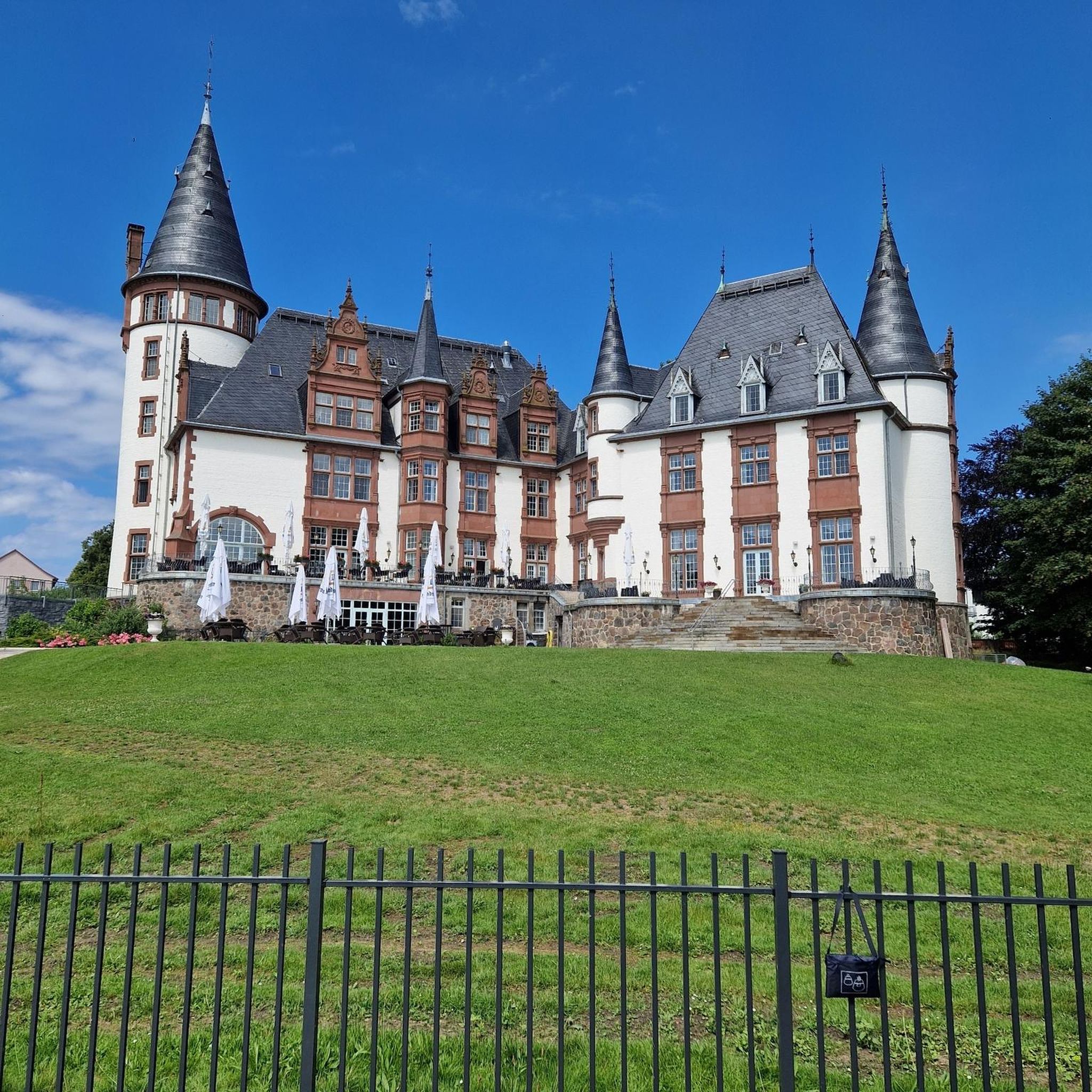
You can discover several interesting points along your rides. Consider visiting The careers of Elincourt sainte Marguerite, the historic Le lavoir, or the impressive Château de Boulogne-la-Grasse. For a historical perspective, the Nécropole militaire allemande de Lassigny is also nearby.
What do other road cyclists enjoy most about the no traffic routes in Roye-sur-Matz?
The komoot community rates the road cycling experience around Roye-sur-Matz highly, with an average score of 4.2 stars from 14 ratings. Cyclists often praise the tranquility of the routes, the picturesque countryside, and the opportunity to ride on quiet, traffic-free roads.
Are there any circular no traffic road cycling routes available?
Yes, many of the routes are designed as loops, allowing you to start and finish in the same location. For example, you could try the moderate difficulty route, Elincourt Sainte Marguerite – Le lavoir loop from Ricquebourg, which covers approximately 55 km with around 691 meters of elevation gain.
What is the best time of year to enjoy traffic-free road cycling in this region?
The Oise department generally offers pleasant cycling conditions from spring through autumn. The forests provide natural shade in warmer months, and the rolling hills are enjoyable when the weather is mild. Always check local weather forecasts before heading out.
Are there any longer no traffic road cycling routes for experienced cyclists?
Yes, for those seeking a longer ride, the Le lavoir – Montagne du Paradis loop from Conchy-les-Pots is a moderate route spanning about 50 km with over 560 meters of elevation gain, offering a good challenge on quiet roads.
Where can I find parking for these no traffic road cycling routes?
Many routes start from small towns or villages, where public parking is typically available. For instance, the Elincourt Sainte Marguerite loop starts from Place des Tilleuls, a common point for parking in French villages. It's advisable to check the specific starting point of your chosen route for parking details.
Can I access these cycling routes using public transport?
While Roye-sur-Matz is a smaller commune, the broader Oise department has a public transport network. However, direct public transport access to specific route starting points might be limited. It's recommended to research local bus or train services to nearby towns and plan accordingly, as some routes may require a short ride to the starting point.
Are there any cafes or places to stop for refreshments along the no traffic road cycling routes?
The routes often pass through or near small villages and towns where you can find local cafes, bakeries, or small shops. While not every route will have frequent stops, planning your ride to include a stop in a village like Ressons-sur-Matz, where the Roadbike loop from Ressons-sur-Matz begins, is a good strategy for refreshments.
What is the typical elevation profile for these no traffic road cycling routes?
The region features rolling hills rather than steep mountains, so you can expect engaging rides with moderate elevation changes. For example, the Le lavoir – Le lavoir loop from Vandélicourt covers approximately 36.8 km with around 436 meters of ascent, providing a good workout without extreme climbs.
Most popular attractions around Roye-Sur-Matz

Get inspired with the komoot mobile app


Explore more
Browse the best Road cycling routes in other regions.
