The best traffic-free bike rides around Dommenheim
8
riders
2
rides
Gravel biking around Dommenheim offers routes through varied landscapes, characterized by rolling terrain and agricultural areas. The region features a network of quiet country roads and forest paths suitable for gravel bikes, providing opportunities for exploration away from traffic. These trails often traverse open fields and connect small villages, with gentle elevation changes. The landscape is generally mild, making it accessible for different skill levels.
Best no traffic gravel bike trails around Dommenheim
- The most popular no traffic gravel bike…
Last updated: July 5, 2026
5
riders
41.3km
03:14
510m
510m
Hard gravel ride. Very good fitness required. Mostly paved surfaces. Suitable for all skill levels.
2
riders
14.3km
00:54
120m
120m
Easy gravel ride. Great for any fitness level. Mostly paved surfaces. Suitable for all skill levels.

Sign up for free
1
riders
51.2km
03:13
380m
380m
Moderate gravel ride. Good fitness required. Mostly paved surfaces. Suitable for all skill levels.
Our route recommendations are based on thousands of hikes, rides, and runs completed by other people on komoot.
Start today with a free account
Your next adventure awaits.
Login or Signup
Popular around Dommenheim

Tips from the Community

Loop 1 and 3 of the Bois de Bride starting from Dieuze. MTB route between road and forest path with two beautiful descents in the middle of the forest.
0
0

When I passed the ordeal was no longer there 🤷🏻♀️
1
0

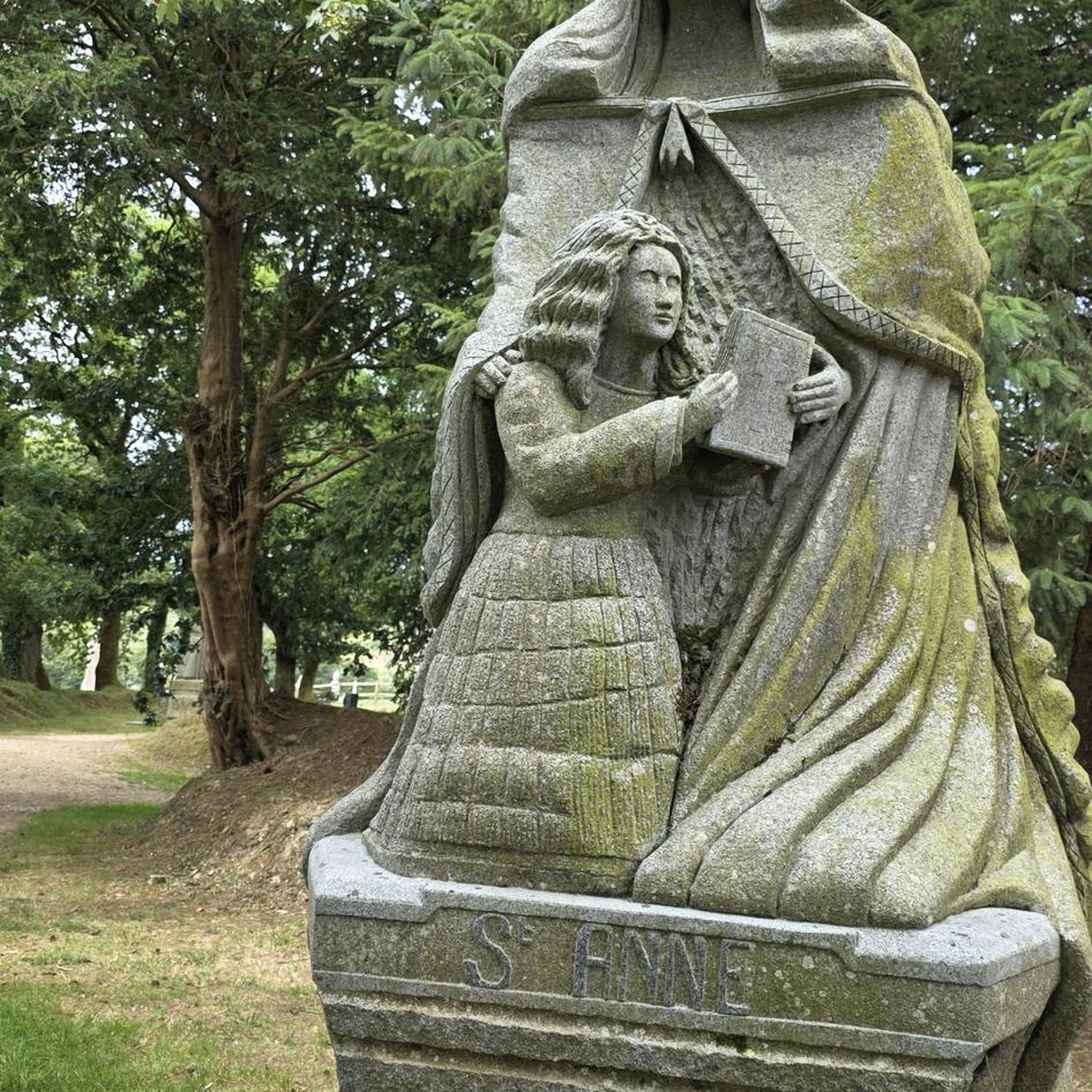
A very beautiful sandstone cross from the 17th century.
1
0

“Each of these crosses can tell its own story and what motivated people to erect “their” cross at this spot. (...) These wayside crosses were erected as visible signs and attract the attention of many people. The cross is a symbol of life. It stands as a sign of our Christian hope and aims to direct our gaze to Jesus Christ, who has overcome death (...). The cross is part of our lives, just as it was part of the life of Jesus. So I hope that many people ... will visit the wayside crosses, whether as places of silence and breathing before God, whether as places of community gathering, prayer and praise of God.” (Text source: Dean Rainald M. Ollig in: “Wayside crosses... small sacred monuments as signs of popular piety”)
1
1

Despite the conflicts, the saltworks continued to contribute to the city's prosperity in the 18th and 19th centuries. Salt production only stopped in 1973 because the industrial facilities had suffered less from the bombings of 1944 than the rest of the city. Today, the town of 3,300 inhabitants highlights its heritage and history as rich as it is unique. Just like the green surroundings between meadows and ponds, which delight hikers.
0
0
The salt mines of Dieuze became a strategic point in the Middle Ages and the town was coveted by the Dukes of Lorraine. Affected by the Thirty Years' War, Dieuze was conquered by the King of France in 1642.
0
0

In 1621, Duke Heinrich II granted market rights to Isming, but the town then suffered during the Thirty Years' War. During the war, an officer saved the city archives in the town hall tower via an underground passage and was able to hold the town for a long time, but then it was also depopulated and the town hall was destroyed. In 1664 there were only 80 households. This cross was erected in front of the south-west entrance to Albestroff, where the old chapel destroyed by the Swedes is said to have stood.
5
0

Frequently Asked Questions
How many no-traffic gravel bike trails can I find around Dommenheim?
Our guide features three dedicated no-traffic gravel bike routes around Dommenheim, offering a range of distances and difficulties for a peaceful ride away from cars.
Are there any easy, no-traffic gravel routes suitable for beginners or families in Dommenheim?
Yes, for an easier, car-free gravel experience, consider the Blanche-Église loop from Dieuze. This route covers approximately 14 km with minimal elevation gain, making it ideal for those looking for a relaxed ride.
What kind of terrain can I expect on the no-traffic gravel trails in Dommenheim?
The no-traffic gravel trails around Dommenheim offer a mix of terrain, from relatively flat paths suitable for leisurely rides to more challenging sections with notable climbs. You'll primarily encounter gravel roads and forest paths, providing a true off-road experience.
Are there any longer or more challenging no-traffic gravel routes for experienced riders?
Absolutely. For a more demanding ride, the Salines de Dieuze loop from Dieuze is a difficult route spanning over 41 km with significant elevation changes. It's perfect for experienced gravel bikers seeking a longer, car-free adventure.
What interesting sights or natural attractions can I see along the no-traffic gravel bike trails?
While exploring the no-traffic gravel trails, you can discover several points of interest. Keep an eye out for the serene Grand Pond of Mittersheim, or enjoy sections along the Cycle Path Along the Canal de la Sarre. You might also pass historical sites like the Château d'Alteville.
Are the no-traffic gravel bike routes around Dommenheim typically loop trails?
Yes, all the no-traffic gravel bike routes featured in this guide are designed as convenient loop trails. This means you'll start and finish at the same point, making logistics straightforward for your ride.
Can I bring my dog on the no-traffic gravel bike trails in Dommenheim?
Generally, many gravel trails are dog-friendly, especially those away from heavy traffic. However, it's always best to check local regulations for specific paths, ensure your dog is well-behaved and on a leash, and be mindful of other trail users and wildlife.
What is the best time of year to go gravel biking in Dommenheim to avoid traffic?
To fully enjoy the no-traffic aspect, spring and autumn often provide the best conditions with pleasant temperatures and fewer visitors compared to peak summer. Winter can also offer quiet trails, but be prepared for potentially muddy or icy conditions depending on the weather.
Are there any cafes or places to refuel near the car-free gravel trails in Dommenheim?
While the trails themselves are designed to be away from traffic, you'll typically find amenities in nearby towns like Dieuze or Albestroff, which serve as common starting points for these routes. It's always a good idea to pack sufficient water and snacks, especially for longer rides.
Where can I park my car when accessing the no-traffic gravel trails in Dommenheim?
For routes starting from towns like Dieuze or Albestroff, you can usually find public parking facilities. We recommend checking the specific route details on komoot for suggested starting points and parking information to ensure a smooth start to your ride.
What makes Dommenheim a good region for no-traffic gravel biking?
Dommenheim, with its network of quiet gravel roads and forest paths, offers an excellent escape for gravel bikers seeking tranquility. The region provides diverse landscapes, from open countryside to wooded areas, ensuring a varied and peaceful riding experience away from motorized traffic.
Most popular attractions around Dommenheim

Get inspired with the komoot mobile app


Explore more
Browse the best Gravel rides in other regions.
