The best traffic-free bike rides around Sauvigney-Lès-Gray
4.3
(238)
1,326
riders
47
rides
No traffic touring cycling routes around Sauvigney-Lès-Gray traverse a gently undulating landscape, characterized by river valleys, extensive lowlands, and forested uplands such as the Bois de Sauvigney. The region's geography includes a vast plateau that slopes towards the Cabri and Morthe valleys, offering varied terrain for cyclists. The area benefits from dedicated cycle paths, including sections of the "Voie Bleue" along the Saône River and its canals, providing mostly paved, car-free surfaces.
Best no traffic touring cycling routes around Sauvigney-Lès-Gray
…Last updated: October 21, 2026
4.6
(18)
136
riders
160km
09:24
600m
600m
Hard bike ride. Very good fitness required. Mostly paved surfaces. Suitable for all skill levels.
3.1
(14)
27
riders
Moderate bike ride. Good fitness required. Mostly paved surfaces. Suitable for all skill levels.

5.0
(2)
18
riders
48.0km
03:50
680m
680m
Hard bike ride. Very good fitness required. You may need to push your bike for some segments of this route.
4.0
(2)
21
riders
13.7km
00:51
20m
20m
Easy bike ride. Great for any fitness level. Mostly paved surfaces. Suitable for all skill levels.
5.0
(3)
14
riders
10.8km
00:38
20m
20m
Easy bike ride. Great for any fitness level. Mostly paved surfaces. Suitable for all skill levels.
Get access to more routes and recommendations from other explorers.
Already have an account?
Our route recommendations are based on thousands of hikes, rides, and runs completed by other people on komoot.
Start today with a free account
Your next adventure awaits.
Popular around Sauvigney-Lès-Gray
Tips from the Community

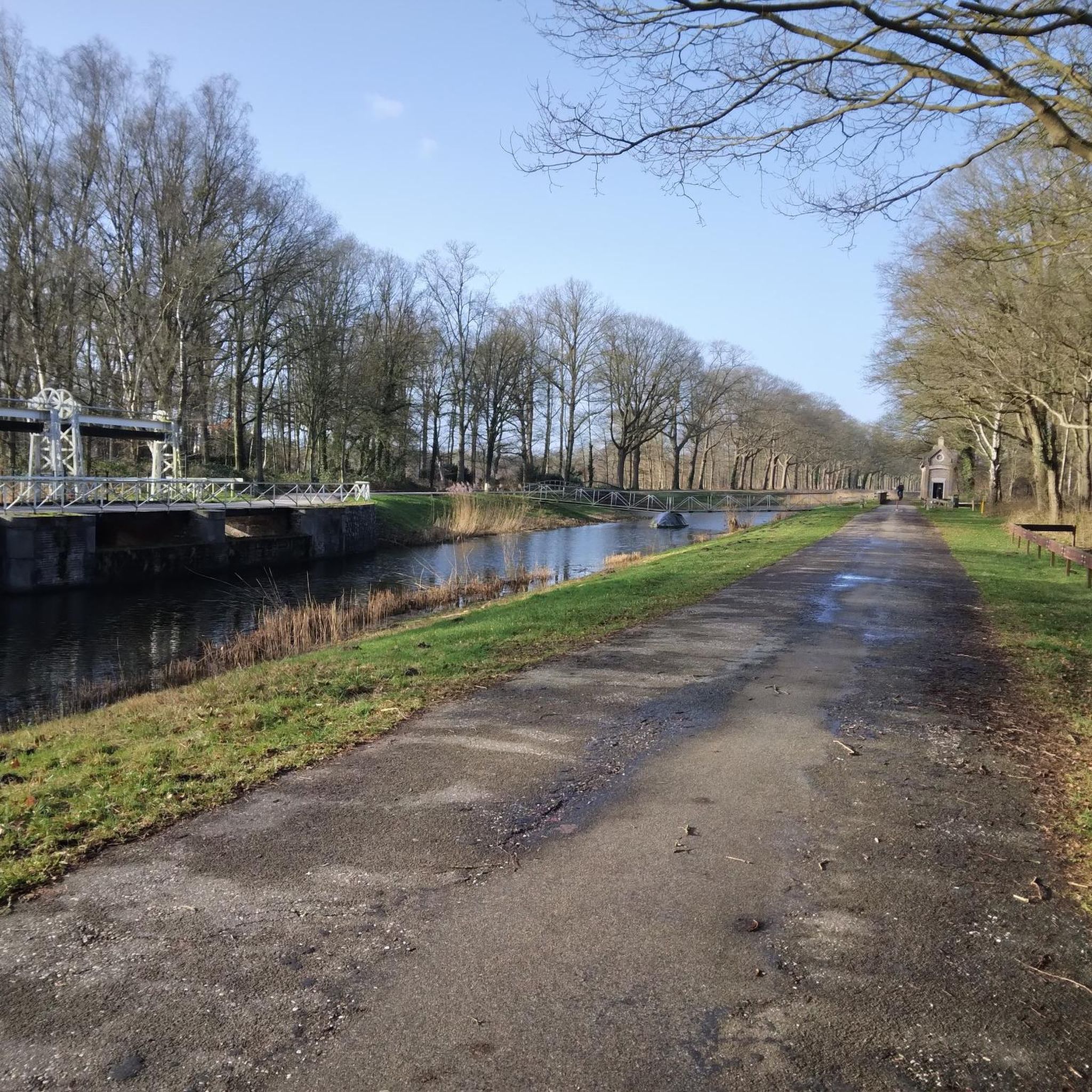
A curiosity of river navigation
2
0
The exact place to pose
1
0

The washhouse with the oval washbasin was built in 1844.
0
0

gravel and bikepacking along the Saône
1
0

The 681-metre canal tunnel was built at the end of the 19th century. It allows barges to avoid a long detour via the Saône.
3
0

The highlight was taken below, in the extension of the canal.
10
4
The highlight here is taken from the resting point above the exit. There is also a table here.
11
4
The monument aux morts in Dampierre-sur-Salon is a memorial to the victims of the First and Second World Wars. It is a stone obelisk with a bronze laurel wreath and a cross, located on the Place du Bosquet, near the post office. The monument bears the names of the fallen soldiers from Dampierre-sur-Salon.
10
4
Frequently Asked Questions
How many no-traffic touring cycling routes are available around Sauvigney-Lès-Gray?
There are over 40 dedicated no-traffic touring cycling routes around Sauvigney-Lès-Gray documented on komoot. These routes offer a variety of experiences, from easy rides to more challenging excursions, ensuring a suitable option for every cyclist.
What kind of terrain can I expect on these traffic-free touring routes?
The terrain around Sauvigney-Lès-Gray is generally gently undulating, featuring a mix of open fields, river valleys, and forested uplands like the Bois de Sauvigney. Many traffic-free routes, such as sections of the Mare loop from Beaujeu, utilize paved roads and car-free towpaths along the Saône River, offering smooth surfaces and diverse scenery.
Are there easy options for beginners or families on traffic-free routes?
Yes, approximately 17 of the no-traffic touring routes are rated as easy, making them ideal for beginners or families with children. These often follow flat riverbanks or quiet country lanes, providing a relaxed and safe cycling experience. The Mare loop from Beaujeu is an example of an easy route.
Can I find circular no-traffic touring cycling routes in the area?
Absolutely. Many routes are designed as loops, allowing you to start and finish at the same point. Examples include the Gy Castle loop from Colombine or the Gy Castle – Charcenne loop from Gy, which offer scenic circular tours through the countryside.
What are the best times of year to enjoy traffic-free touring cycling in Sauvigney-Lès-Gray?
Spring and autumn are generally considered the best times for touring cycling in the region. The weather is milder, and the natural landscapes are particularly beautiful, with blooming flowers in spring and vibrant foliage in autumn. Summer can also be pleasant, especially on shaded routes, but it's advisable to start early to avoid the midday heat.
Are there any interesting landmarks or attractions along these traffic-free routes?
Yes, the region is rich in historical and natural sights. You might encounter charming villages, historic churches, and natural features. Notable attractions nearby include the Savoyeux Tunnel, the Pont de Pierre of Gray, and the town of Gray itself, with its picturesque harbor. These points of interest can add a cultural dimension to your ride.
What do other touring cyclists enjoy most about cycling in Sauvigney-Lès-Gray?
The area is highly rated by the komoot community, with an average score of 4.4 stars from over 180 reviews. Cyclists often praise the tranquility of the routes, the beautiful mix of riverine and forested landscapes, and the feeling of being immersed in nature away from car traffic.
Are there any long-distance traffic-free routes for extended touring?
For longer tours, you can connect to sections of established regional routes like the Voie Bleue, which runs along the Saône River. While not entirely within Sauvigney-Lès-Gray, these routes offer extensive car-free paths. The Saint-Albin Canal Tunnel – Saint-Albin Tunnel loop from Angirey is a challenging option over 180 km for experienced long-distance riders.
Where can I find parking to access the traffic-free cycling routes?
Parking is generally available in the larger towns and villages near access points to the main cycling routes. For routes along the Saône River, such as the Voie Bleue, you can often find parking in towns like Gray or other riverside communities, providing convenient starting points for your no-traffic tour.
Are there any challenging no-traffic touring routes for experienced cyclists?
Yes, for those seeking a greater challenge, there are approximately 8 difficult-rated routes. These routes often feature more significant elevation changes, such as the Vincent Cheviet vineyard – Gy Castle loop from Gy, which includes substantial climbs and descents, providing a rewarding workout amidst the region's varied topography.
Can I bring my dog on these traffic-free cycling routes?
While specific regulations can vary, many public paths and greenways in France, including sections of the Voie Bleue, generally permit dogs on a leash. It's always recommended to check local signage or specific route information for any restrictions, especially in nature reserves or protected areas, to ensure a pleasant experience for both you and your pet.
Most popular attractions around Sauvigney-Lès-Gray

Get inspired with the komoot mobile app


Explore more
Browse the best Cycling routes in other regions.
