The best traffic-free bike rides around Ouessant
4.7
(72)
1,172
riders
28
rides
No traffic touring cycling routes around Ouessant offer a unique experience on this car-free island, characterized by its rugged coastline, vast moorlands, and distinctive granite rock formations. The island, approximately 5 miles (8 km) long and 2.5 miles (4 km) wide, provides a serene environment for cyclists. Its diverse terrain includes both wild, exposed northern landscapes and more vegetated southern areas with gorse and heather. Cycling paths often feature mostly paved surfaces, making the island accessible for exploration by bike.
Best no traffic touring cycling routes around Ouessant
- The most popular no traffic touring cycling route is Créac'h Lighthouse – Pointe de Pern loop from Phare du Stiff, a 12.5 miles (20.1 km) trail that takes 1 hour 15 minutes to complete. This route features moderate elevation gains and passes significant coastal landmarks.
- Another top favourite among local touring cyclists is Anse de Korzh – Phare du Créac'h loop from Phare du Stiff, a moderate 9.4 miles (15.1 km) path. This trail offers varied coastal scenery and leads to the impressive Créac'h Lighthouse.
- Local touring cyclists also love the Lampaul – Lampaul Church loop from Ushant, a 4.0 miles (6.4 km) trail leading through the island's main settlement, often completed in about 23 minutes.
- Touring cycling around Ouessant is defined by its car-free environment, rugged coastal paths, and diverse landscapes ranging from moorland to granite formations. The network offers options for different ability levels, from easy loops to more challenging rides with elevation gain.
- The routes in Ouessant are highly rated by the komoot community with an average score of 4.4 stars from over 30 reviews. More than 500 touring cyclists have used komoot to explore Ouessant's varied terrain.
Last updated: July 5, 2026
4.9
(21)
367
riders
24.6km
01:30
190m
190m
Hard bike ride. Good fitness required. You may need to push your bike for some segments of this route.
4.9
(20)
244
riders
24.9km
01:32
180m
180m
Hard bike ride. Good fitness required. You may need to push your bike for some segments of this route.

Sign up for free
4.5
(8)
65
riders
Moderate bike ride. Good fitness required. Mostly paved surfaces. Suitable for all skill levels.
4.3
(4)
63
riders
6.40km
00:23
50m
50m
Easy bike ride. Great for any fitness level. Mostly paved surfaces. Suitable for all skill levels.
32
riders
15.3km
00:56
130m
130m
Easy bike ride. Great for any fitness level. Mostly paved surfaces. Suitable for all skill levels.
Get access to more routes and recommendations from other explorers.
Sign up for free
Already have an account?
Our route recommendations are based on thousands of hikes, rides, and runs completed by other people on komoot.
Start today with a free account
Your next adventure awaits.
Login or Signup
Popular around Ouessant
Other adventures around Ouessant

Tips from the Community

Splendid and unmissable view of the island of Ouessant
0
1

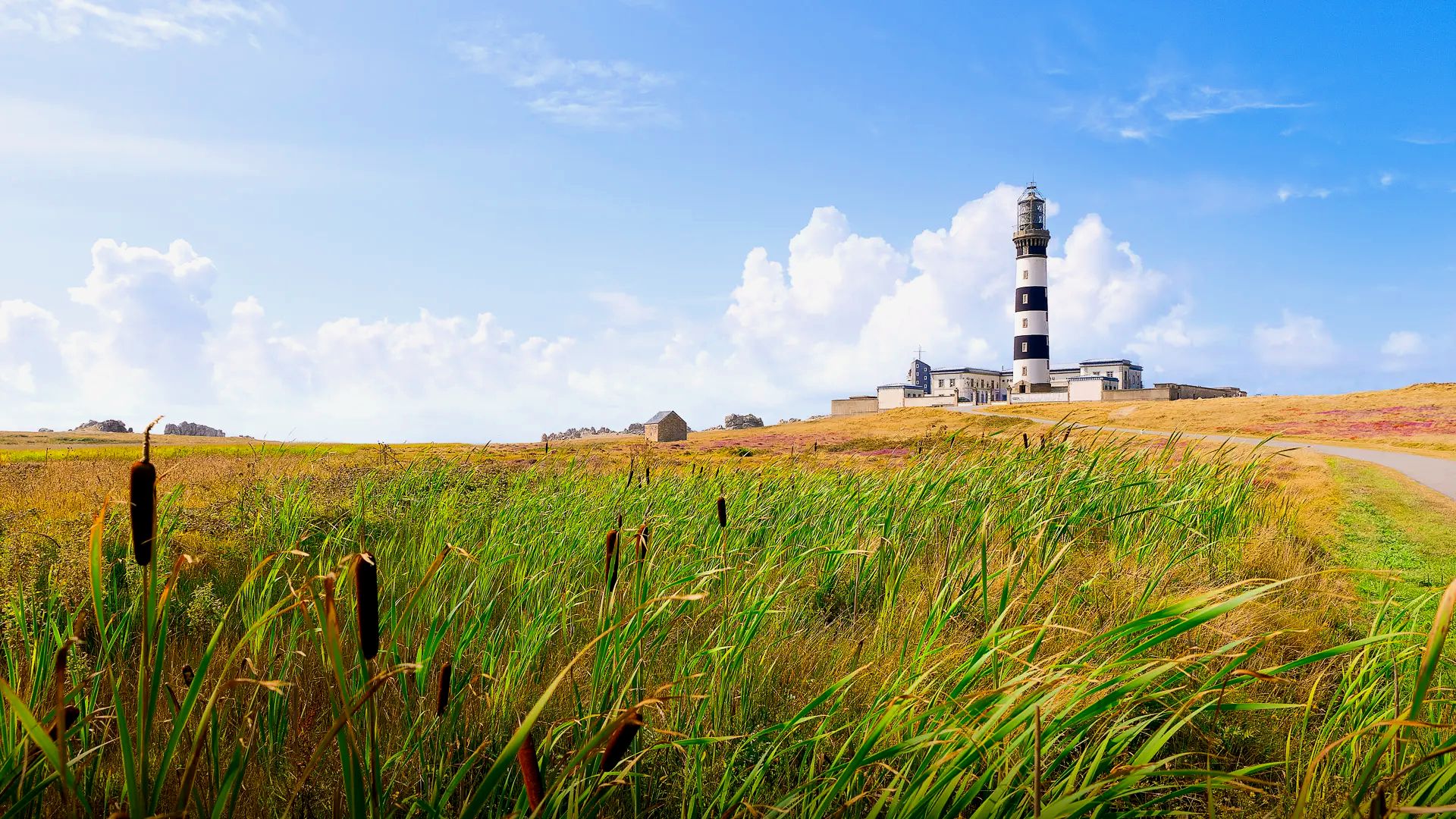
Amidst the rugged coastal landscape of Ouessant, an impressive landmark rises: the Créac'h lighthouse. With its distinctive white and black horizontal stripes that extend over a height of 47 meters, it forms an unmistakable image and is at the same time one of the most impressive lighthouses in the Ponant Islands. The Breton name "Créac'h" already indicates its position and means "height, foothills". It has served as a valuable landmark for seafarers since it was built in 1863. In 1888 it was electrified, making it the brightest lighthouse in all of Europe. With an impressive range of around 60 kilometers, or 32 nautical miles, it is also one of the most powerful lighthouses in the world. But the lighthouse is not only impressive from the outside. At the foot of the tower is the Museum of Lighthouses and Beacons, which introduces every visitor to the fascinating history and functionality of the lighthouses. In the adjacent former living and working rooms of the tower, visitors can immerse themselves in the world of sea signs and learn more about their importance for shipping. A special highlight nearby is the “Ecomusee”, which is a must for culture lovers. But although the lighthouse is now fully automated and can no longer be entered, it remains a living testimony to the region's maritime history and culture. This emblematic lighthouse has been a listed building since 2011 and is a reminder of the times when it guided ships safely through the waters between the Atlantic and the English Channel. The line between the Phare du Créac'h and the British Lizard Lighthouse also marks the start and finish line for the prestigious Trophée Jules Verne, which is awarded for the fastest circumnavigation of the world.
0
0

The Pointe de Pern is the most westerly point in mainland France. Whatever the weather conditions, its visit is a must. The sunsets are flamboyant there and, during terrible sea storms, the rocks that crown the point offer a luxurious shelter for observing the raging waves.
1
0
At a height of 47 meters, the Créac'h lighthouse painted with white and black horizontal stripes is one of the most imposing lighthouses on the Ponant islands. Classified as a historical monument since 2011, it continues to guide ships using lanterns with a range of 60 kilometers. At the foot of the lighthouse, the Museum of Lighthouses and Beacons will tell you more than just how the Créac'h works and the other semaphores that light up the seas and oceans. Note, in Breton, "Créac'h" means "height, promontory".
0
0
A small town animated by many shops, Lampaul is the nerve center of the island of Ouessant. At the tourist office located in front of the church, you will find a lot of information. On the terraces of cafes and restaurants, you can enjoy the joyful rhythm of island life. In grocery stores, you can stock up for your next outings. Finally, do not forget to visit the few galleries that exhibit photographs and paintings of the island.
0
0

The port is probably most impressive at low tide.
0
0

Beautiful lighthouse in a beautiful landscape with bizarre rocks.
0
0
Frequently Asked Questions
How many no traffic touring cycling routes are available on Ouessant?
There are 26 dedicated no traffic touring cycling routes on Ouessant, offering a variety of experiences across the island's unique landscape. These routes range in difficulty from easy to challenging.
What is the best time of year to go touring cycling on Ouessant?
Ouessant benefits from a unique micro-climate, experiencing neither extreme frost nor heatwaves, making it pleasant for outdoor activities throughout much of the year. The island's natural beauty, especially the wildflowers and birdlife, is particularly vibrant from spring through early autumn.
Are there any easy no traffic cycling routes suitable for beginners or families?
Yes, Ouessant offers 16 easy no traffic touring cycling routes, perfect for beginners or families. These routes are generally shorter and have less elevation gain. An example is the Lampaul – Lampaul Church loop from Ushant, which is just over 6 kilometers long.
Where can I rent a bicycle on Ouessant?
Ouessant is well-equipped for cyclists, with three bike rental companies available: La Bicyclette, Cycl'évasion, and Ouessancycles. They offer a range of bikes, including children's bikes, hybrid bikes, and mountain bikes, often with convenient baggage pick-up services at the port.
What kind of landmarks and attractions can I see along the no traffic cycling routes?
Ouessant's routes pass by numerous natural and historical landmarks. You can explore iconic lighthouses like the impressive Créac'h Lighthouse, or visit the charming main settlement of Lampaul. Many routes also offer breathtaking views from points such as Pointe de Pern and scenic spots like Arlan Beach.
Are there any circular no traffic cycling routes on Ouessant?
Yes, many of the no traffic touring cycling routes on Ouessant are designed as loops, allowing you to start and end in the same location. For example, the Créac'h Lighthouse – Pointe de Pern loop from Phare du Stiff offers a moderate 20-kilometer ride exploring key coastal features.
What is the typical terrain like on Ouessant's no traffic cycling routes?
The routes on Ouessant are primarily on paved surfaces, making for smooth cycling. The island features a diverse landscape, from rugged coastlines with granite formations to vast stretches of moorland and sandy beaches. While largely car-free, some routes may involve gentle climbs, reflecting the island's varied topography.
Can I bring my dog on the cycling routes?
While Ouessant is a natural reserve with unique wildlife, specific regulations regarding dogs on cycling routes can vary. It's generally advisable to keep dogs on a leash to protect the island's biodiversity, especially the ground-nesting birds and dwarf sheep. Always check local signage for any restrictions in protected areas.
What do other touring cyclists enjoy most about cycling on Ouessant?
The komoot community highly rates touring cycling on Ouessant, with an average score of 4.4 stars. Reviewers frequently praise the island's car-free environment, which creates a peaceful and safe cycling experience, as well as the wild, unspoiled natural landscapes and stunning coastal views.
Are there any challenging no traffic cycling routes for experienced riders?
Yes, for experienced cyclists seeking a challenge, Ouessant offers 8 difficult no traffic touring cycling routes. These routes may feature more significant elevation gains or longer distances. An example is the Lampaul – Anse de Korzh loop from Ledenez, which covers nearly 7 kilometers with notable ascents.
How long does it take to cycle around the entire island of Ouessant?
The island of Ouessant is approximately 8 kilometers long and 4 kilometers wide. A full circuit of the island by bike is about 25 miles (40 kilometers). The exact duration will depend on your pace and how often you stop to enjoy the scenery, but it's manageable for a day trip.
Most popular routes around Ouessant
Most popular attractions around Ouessant

Get inspired with the komoot mobile app


Explore more
Browse the best Cycling routes in other regions.
