The best traffic-free bike rides around Fougères-Sur-Bièvre
4.1
(61)
2,402
riders
85
rides
No traffic road cycling routes around Fougères-sur-Bièvre traverse the gentle and undulating landscapes of the Loire Valley. The terrain features generally low elevation changes, making it suitable for various cycling abilities. Cyclists can expect to ride through a mosaic of forests, open fields, and tranquil ponds, with the Bièvre River adding to the natural charm. The surrounding Sologne region also offers scenic routes through vineyards, providing diverse visual experiences.
Best no traffic road cycling routes around Fougères-Sur-Bièvre
- The most popular…
Last updated: October 21, 2026
41
riders
Moderate road ride. Good fitness required. Mostly well-paved surfaces and easy to ride.
4.0
(1)
28
riders
40.7km
02:06
170m
170m
Moderate road ride. Good fitness required. Some segments of this route may be unpaved and difficult to ride.

27
riders
Easy road ride. Great for any fitness level. Mostly well-paved surfaces and easy to ride.
29
riders
15.3km
00:46
60m
60m
Moderate road ride. Great for any fitness level. Some segments of this route may be unpaved and difficult to ride.
5
riders
53.9km
02:19
250m
250m
Moderate road ride. Good fitness required. Some segments of this route may be unpaved and difficult to ride.
Get access to more routes and recommendations from other explorers.
Already have an account?
Our route recommendations are based on thousands of hikes, rides, and runs completed by other people on komoot.
Start today with a free account
Your next adventure awaits.

Other adventures around Fougères-Sur-Bièvre

Tips from the Community

Small castle with few visitors and picnic area in the garden
0
0

Small castle away from the crowds in a small sleepy town.
1
0

A magnificent castle, it served as inspiration for the Moulinsart castle in the adventures of Tintin
0
0


Located in the heart of the Loire Valley, the castle of Fougères-sur-Bièvre built at the end of the 15th century is the image of the ideal fortified castle with its keep, its machicolated entrance curtain and its fortified postern. Built by Pierre de Refuge and modified by Jean de Villebresme around 1520, the castle acquired its definitive appearance in three generations and will retain it. A castle designed for entertaining, its defensive Gothic architecture allows Pierre de Refuge to assert his social status and his belonging to the French nobility. Acquired by the Lambot family in 1738, René Lambot had the idea of creating a spinning mill in the castle from 1813 to 1901. This made it possible to largely preserve it from revolutionary damage and to maintain life and activity there. Classified as a historic monument in 1912, put up for sale after the stock market crash of 1929, the castle of Fougères-sur-Bièvre was acquired by the State in 1932. The castle of Fougères-sur-Bièvre has a double face: an entrance facade with a particularly defensive Gothic appearance and a courtyard facade decorated with Renaissance decorations. Particularly well preserved, the castle today remains very close to that of 1525-1530 with its military exterior facade, the civil and domestic architecture of its interior courtyard and its medieval interior plan with rooms in a row without distribution corridors. The castle of Fougères-sur-Bièvre stands out from the great castles of the Loire by its sober and powerful architecture, very little altered over the centuries. It illustrates the art of building in the region with its walls made of limestone rubble from Beauce and its sculpted parts in tuffeau from the banks of the Cher. Young and old alike will easily find all the military attributes and the interior layout of a particularly well-preserved small castle from the end of the 15th century.
1
0
Built in a Classical style, the Cherveny castle has belonged to the same family for more than six centuries, the Huraults, financiers and officers in the service of several kings of France. The current castle was built around 1625 by Henri, son of Philippe Hurault, and his wife Marguerite Gaillard de la Morinière. They launched the construction of the current castle and entrusted the execution of the work to the architect Jacques Bougier. He uses “Bourré stone”, a stone from the Cher valley which has the particularity of whitening and hardening as it ages. Sobriety and symmetry characterize the Château de Cheverny, a precursor of the French style which established itself under the reign of Louis XIV. The work is of such magnitude that it will not see the end of the project. Their daughter Elisabeth, Marquise de Montglas, completed the interior decoration which was entrusted to Jean Monier. During the following hundred and fifty years, the Château de Cheverny changed owners several times. In 1825, Anne Denis Hurault, Marquis de Vibraye, bought the property from her ancestors. The Château de Cheverny, which has always been inhabited, presents remarkably well-preserved pieces of furniture and interior fittings. The first floor apartments bear witness to the French art of living. An English-style park and gardens surround the Château de Cheverny. Visitors can discover the Jardin des Apprentis, a contemporary designed garden created in 2006 which was inspired by the found plans of an old French garden and the vegetable garden, designed by the Marquise de Vibraye, it combines the use original of different colored materials, vegetables and flowers. The Garden of Love, created in 2019, presents six monumental statues by Gudmar Olovson which reflect Love in all its forms. Cheverny constitutes a heritage of stones, land but also of tradition with venery or hunting with hounds. The Cheverny crew was founded in 1850 by the Marquis de Vibraye. Nowadays, in the Cheverny forest and neighboring forests, the crew harvests exclusively deer. Every day, from April to September 14, subject to reservations, at 11:30 a.m., visitors can attend the dog meal. The Château de Cheverny inspired the Château de Moulinsart to the Belgian comic book author, Hergé. The Domaine de Cheverny and the Hergé Foundation have joined forces to create and set up a permanent exhibition on the theme: the secrets of Moulinsart.
1
0

Benedictine abbey of the Congregation of Saint Maur, founded in the 11th century. The abbey church was built from 1040. It was destroyed by fire around 1262. At the end of the 13th century, a new church was built and the monastery enlarged. The abbey was ruined before 1391 by the English. In 1468, a church larger than the previous one was built. In 1837 the riding school was built on the site of the abbey house. For more information: https://www.abbayedepontlevoy.fr/
0
0

Small Church ⛪️, very pretty interior
0
0
Frequently Asked Questions
How many no traffic road cycling routes are available in Fougères-sur-Bièvre?
There are over 95 dedicated no traffic road cycling routes around Fougères-sur-Bièvre. These routes are designed to offer a serene cycling experience away from vehicular traffic, allowing you to fully immerse yourself in the beautiful Loire Valley landscape.
What is the terrain like for road cycling in Fougères-sur-Bièvre?
The region around Fougères-sur-Bièvre is characterized by its 'doux et vallonné' (gentle and undulating) terrain. You can expect generally low elevation changes, making it suitable for a wide range of cycling abilities. Routes often wind through a mosaic of forests, open fields, and picturesque vineyards.
Are there easy no traffic road cycling routes suitable for beginners?
Yes, approximately 45 of the no traffic road cycling routes in the area are rated as easy. These routes typically feature minimal elevation gain and shorter distances, perfect for those new to road cycling or looking for a relaxed ride. An example is the Château de Talcy – Fougères-sur-Bièvre Castle loop from Le Controis-en-Sologne, which is an easy 16 km ride.
What landmarks can I see along no traffic road cycling routes?
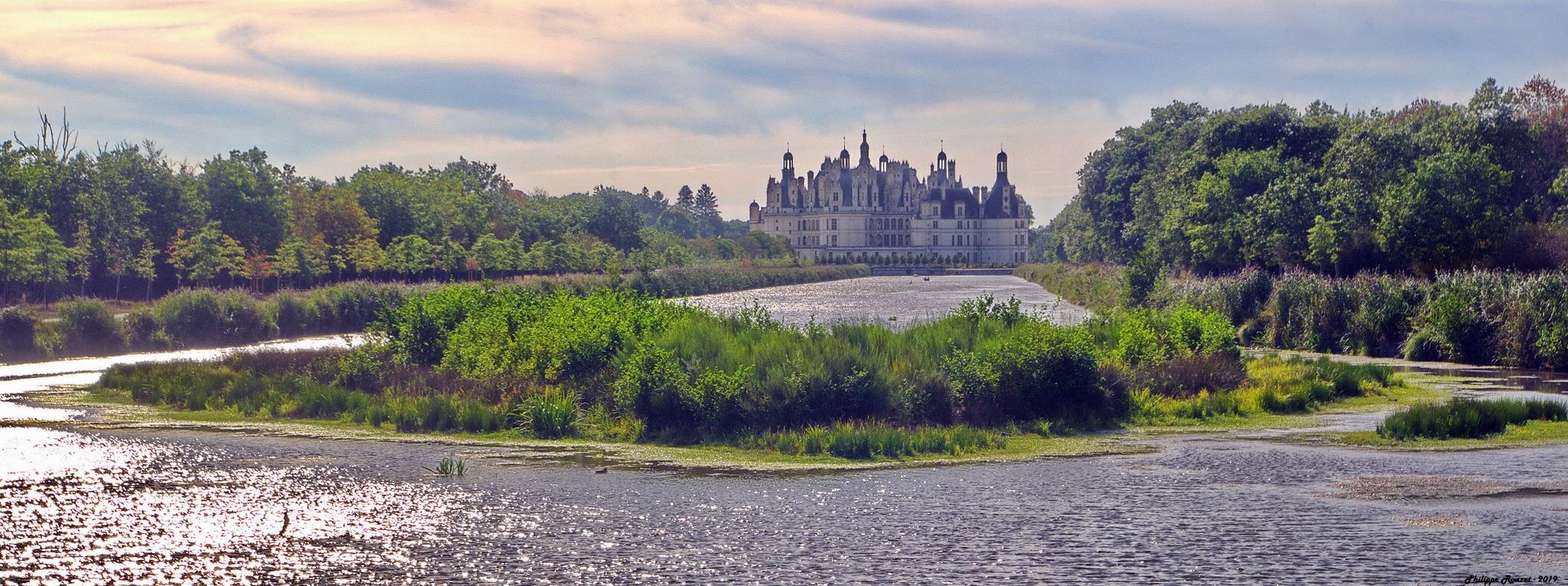
Many routes pass by significant historical landmarks. You can cycle past the impressive Fougères-sur-Bièvre Castle, a medieval fortress blending Middle Ages and Renaissance styles. Other routes might take you near Cheverny Castle or the charming village of Candé-sur-Beuvron.
Are there natural features to enjoy on these routes?
Absolutely. The no traffic routes often lead through diverse natural settings. You'll encounter tranquil ponds, such as the Plan d'eau d'Ouchamps, meander alongside the Bièvre River, and cycle through scenic forests and expansive fields. The vineyards of the Sologne region also provide picturesque backdrops.
Can I visit any châteaux directly from these routes?
Yes, several routes offer direct access or close proximity to the region's famous châteaux. For instance, the The Beuvron in Cellettes – Cheverny Castle loop from Seur allows you to visit Cheverny Castle. The Fougères-sur-Bièvre Castle – Pontlevoy Abbey loop from Le Controis-en-Sologne also passes by the historic Fougères-sur-Bièvre Castle.
Are there circular no traffic road cycling routes available?
Many of the no traffic road cycling routes in Fougères-sur-Bièvre are designed as circular loops, allowing you to start and end at the same point without retracing your steps. An example is the Fougères-sur-Bièvre Castle loop from Thenay, which offers a convenient round trip.
What is the best time of year to cycle in Fougères-sur-Bièvre?
The gentle climate of the Loire Valley makes spring, summer, and early autumn ideal for cycling. During these seasons, the weather is generally pleasant, and the landscapes are vibrant with lush greenery, blooming flowers, or autumnal colors. The 'doux et vallonné' terrain is enjoyable year-round, but these months offer the most comfortable conditions.
Where can I park my car when starting a no traffic road cycling route?
Parking is generally available in and around Fougères-sur-Bièvre, particularly near the village center or designated starting points for popular routes. Many routes also begin from nearby towns like Le Controis-en-Sologne or Thenay, which offer local parking facilities.
Are there places to eat or stay near the no traffic road cycling routes?
Yes, Fougères-sur-Bièvre and the surrounding villages offer various options for refreshments and accommodation. You'll find local cafes, restaurants, and guesthouses. The region is also known for its vineyards, with opportunities for wine tastings at local establishments like Domaine Chesneau et Fils and Domaine Octavie.
What do other road cyclists enjoy the most about no traffic road cycling in Fougères-sur-Bièvre?
The area is highly rated by the komoot community, with an average score of 3.98 stars from 61 ratings. Reviewers often praise the peacefulness of the routes, the gentle terrain suitable for all levels, and the charming blend of historical châteaux, natural landscapes, and picturesque vineyards that make for a truly immersive cycling experience.
Most popular routes around Fougères-Sur-Bièvre
Most popular attractions around Fougères-Sur-Bièvre

Get inspired with the komoot mobile app


Explore more
Browse the best Road cycling routes in other regions.
