The best traffic-free bike rides around Cormicy
3.7
(5)
57
riders
14
rides
Gravel biking around Cormicy offers diverse terrain through the Champagne region, characterized by rolling vineyards, dense forests, and historical paths. The area provides numerous no traffic gravel bike trails, particularly within proximity to the Montagne de Reims Regional Nature Park and along the Canal de l'Aisne à la Marne. Riders can explore a landscape that combines unpaved forest tracks, vineyard roads, and quiet village routes, making it suitable for varied gravel biking experiences. The region's natural features, including the unique…
Last updated: October 21, 2026
4.0
(3)
30
riders
46.3km
02:36
300m
300m
Moderate gravel ride. Good fitness required. Mostly paved surfaces. Suitable for all skill levels.
1
riders
22.2km
01:40
300m
300m
Moderate gravel ride. Good fitness required. Mostly paved surfaces. Suitable for all skill levels.

4.0
(1)
4
riders
54.3km
03:35
530m
530m
Hard gravel ride. Very good fitness required. Mostly paved surfaces. Suitable for all skill levels.
1
riders
45.2km
03:27
510m
510m
Hard gravel ride. Very good fitness required. Mostly paved surfaces. Suitable for all skill levels.
1
riders
43.7km
03:21
420m
420m
Moderate gravel ride. Good fitness required. Mostly paved surfaces. Suitable for all skill levels.
Get access to more routes and recommendations from other explorers.
Already have an account?
Our route recommendations are based on thousands of hikes, rides, and runs completed by other people on komoot.

Tips from the Community

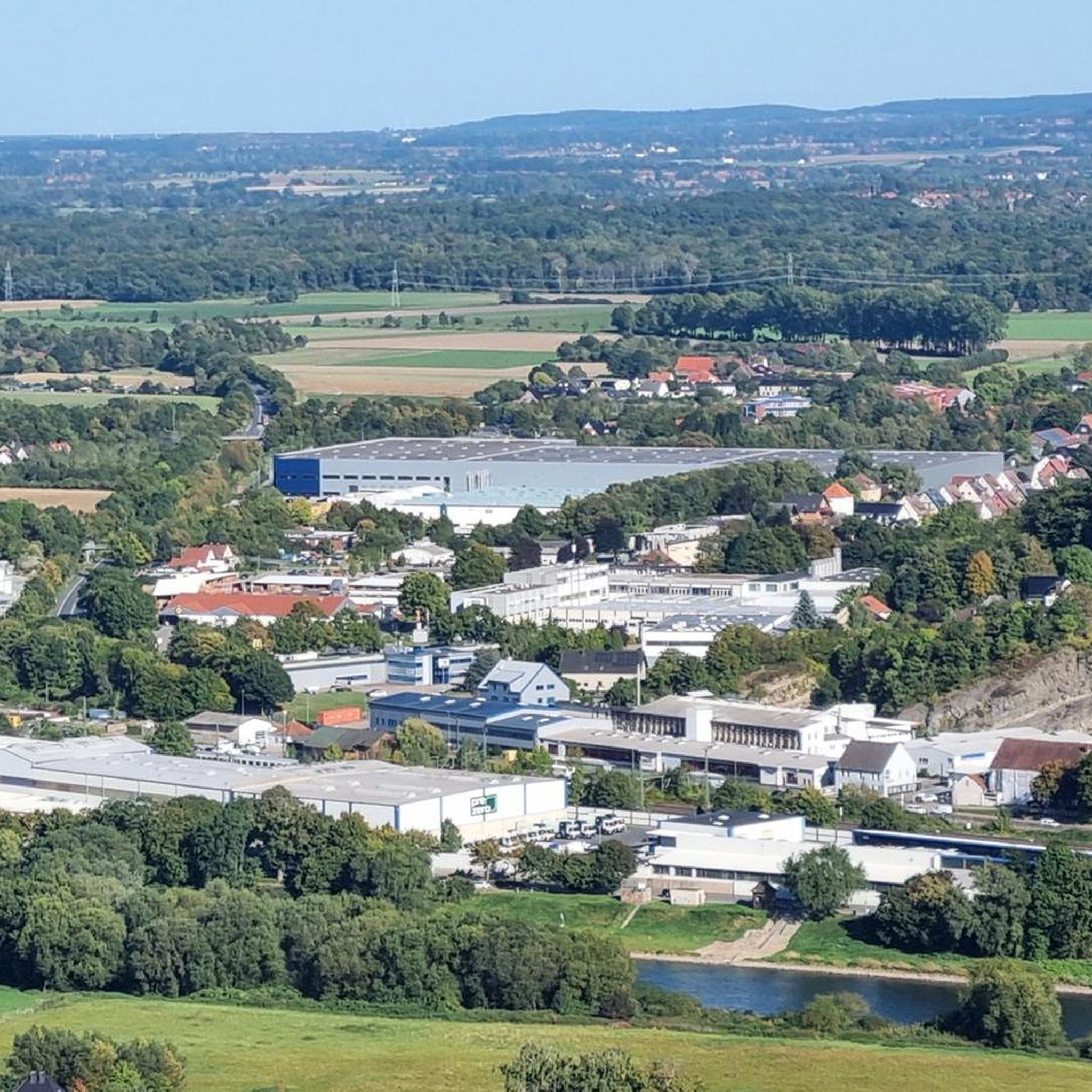
When transitioning from the vineyards to the forest, you have a beautiful panoramic view over the village.
1
0

Beautiful quiet place for a walk
0
0

Entrance to Centre Parcs at Lac d'Ailette
0
0


Ailette Lake is a haven of tranquility surrounded by greenery. Its calm and clear waters invite you to relax, whether for a stroll along the lake, a canoe trip or a picnic break. The preserved natural setting offers magnificent views of the surrounding wooded hills and the developed beaches.
1
1
Superb viewpoint over the surrounding vineyards, a bit of history on the monument which overlooks the Vesle valley which was at the heart of many battles of the 14-18 war
0
0


This beautiful church is well maintained and full of flowers in spring.
0
0
Frequently Asked Questions
How many traffic-free gravel bike trails can I find around Cormicy?
There are currently 14 dedicated traffic-free gravel bike trails around Cormicy. These routes offer a fantastic way to explore the diverse landscapes of the Champagne region, from vineyards to forests, without encountering vehicle traffic.
What kind of terrain can I expect on the gravel bike trails near Cormicy?
The terrain around Cormicy is varied, perfect for gravel biking. You'll encounter a mix of vineyard tracks, unpaved forest trails, and quiet country roads. The area is characterized by rolling hills, especially within the Massif de Saint Thierry and the Montagne de Reims Regional Nature Park, offering a dynamic and engaging experience for cyclists.
Are there any family-friendly gravel bike trails around Cormicy?
Yes, several routes are suitable for families, often featuring gentler gradients and well-maintained surfaces. The Montagne de Reims Regional Nature Park, for instance, has an extensive network of trails, some of which are designed for various skill levels, including beginners. Look for routes with lower elevation gains and shorter distances for a comfortable family outing.
Can I bring my dog on the gravel bike trails near Cormicy?
Many of the natural areas and trails around Cormicy, particularly within the Montagne de Reims Regional Nature Park, are dog-friendly. However, it's always best to keep your dog on a leash, especially in nature reserves, agricultural areas, or near livestock. Ensure you carry water for your pet and respect local regulations.
What are some interesting landmarks or natural features to see along the gravel routes?
The routes around Cormicy offer a blend of history and nature. You can visit the poignant Cormicy National Necropolis, a site honoring WWI soldiers, or explore the unique Châlons-sur-Vesle Sandpit, which has a 'seaside look' and traces of an ancient ocean. The region is also famous for its Champagne vineyards and the dense forests of the Montagne de Reims Regional Nature Park, home to the distinctive 'faux de Verzy' twisted beech trees.
Are there any circular gravel bike routes available?
Yes, many of the gravel bike trails around Cormicy are designed as loops, allowing you to start and end at the same point. For example, the Vauclair Abbey – Lake Ailette loop from Craonne offers a scenic circular journey. These loops are ideal for day trips, providing diverse scenery without retracing your steps.
What is the best time of year to go gravel biking in Cormicy?
The best time for gravel biking in Cormicy is typically from spring to autumn (April to October). During these months, the weather is generally mild and pleasant, making for comfortable riding conditions. Spring brings blooming vineyards, while autumn offers stunning fall foliage. Summers are also great, but remember to stay hydrated.
Where can I find parking for gravel bike trails near Cormicy?
Parking is generally available in or near the villages that serve as starting points for many routes. For instance, you can often find parking in Bouvancourt, Craonne, or Saint-Thierry, which are common access points for trails like the Trail Path 3 – The Forest Pond loop from Bouvancourt. Always check local signage for specific parking regulations.
Are there any long-distance gravel routes for experienced riders?
While many routes are moderate, some offer longer distances and more challenging elevation gains for experienced riders. The Vauclair Abbey – Lake Ailette loop from Craonne, at over 46 km, provides a substantial ride. The extensive network within the Montagne de Reims Regional Nature Park also allows for combining shorter segments into longer, more demanding adventures.
What do other gravel bikers enjoy most about the trails around Cormicy?
The area is highly rated by the komoot community, with an average score of 4.0 stars. Reviewers often praise the quiet, traffic-free nature of the routes, the beautiful vineyard landscapes, and the peaceful forest sections. The blend of natural beauty and historical sites, such as those found on the Saint-Hilaire Church – Fort de Chenay loop from Saint-Thierry, is also frequently highlighted.
Are there cafes or places to stop for refreshments along the routes?
While the trails themselves are often secluded, you'll find cafes and small shops in the villages surrounding Cormicy and along the routes. Many of these villages are part of the Champagne wine region, offering opportunities to sample local produce. It's always a good idea to carry sufficient water and snacks, especially on longer rides, as services might be sparse between villages.
Can I access these gravel trails using public transport?
Access to Cormicy and nearby villages is possible via regional public transport, though direct access to specific trailheads might require some planning. Reims, a major city just 18 km away, serves as a transport hub. From there, local buses or trains might connect to smaller towns. For detailed information on public transport options in the region, you can check resources like Reims Tourisme.
Most popular attractions around Cormicy

Get inspired with the komoot mobile app


Explore more
Browse the best Gravel rides in other regions.
