The best road cycling routes around Mauna Loa
5.0
(1)
110
riders
16
rides
Road cycling around Mauna Loa offers diverse terrain across the world's largest active volcano. The region is characterized by gradual volcanic slopes, ancient lava fields, and interspersed 'ōhi'a and māmane forests. Routes often feature significant elevation gains, transitioning from near sea level to high altitudes, providing varied cycling experiences. This landscape includes both stark volcanic expanses and verdant kipukas, offering unique physical features for road cyclists.
Best road cycling routes around Mauna Loa
- The most popular road cycling route is Keauhou Bay to Hoʻokena Beach Park, a 34.6 miles (55.7 km) trail that takes 3 hours 20 minutes to complete. This difficult route features substantial climbs and diverse Hawaiian scenery.
- Another top favourite among local road cyclists is Mauna Loa Road, a difficult 23.3 miles (37.5 km) path. This route is known for its smooth pavement, winding through lava fields and koa forests within Hawaiʻi Volcanoes National Park.
- Local road cyclists also love the Ho'okena to Miloli'i Beach Park, a 39.3 miles (63.3 km) trail leading through coastal areas with significant elevation changes, often completed in about 3 hours 25 minutes.
- Road cycling around Mauna Loa is defined by volcanic landscapes, high-altitude climbs, and lush forest patches. The network offers options for easy, moderate, and difficult ability levels.
- The guide includes highly-rated routes that showcase the best of the region's landscape. More than 100 road cyclists have used komoot to explore Mauna Loa's varied terrain.
Last updated: August 17, 2026
14
riders
55.7km
03:20
1,120m
1,120m
Embark on a challenging road cycling journey from Keauhou Bay to Hoʻokena Beach Park, a difficult 34.6-mile (55.7 km) route that showcases the Big Island's diverse beauty. You'll climb 3669 feet (1118 metres) over approximately 3 hours and 19 minutes, traversing from panoramic ocean views through dense old-growth Hawaiian jungle along the Old Mamalahoa Highway, eventually reaching coastal ranch lands. The highlight is Hoʻokena Beach Park, known for its unique black and white sand and large shade trees, offering a rewarding finish to this demanding ride. This route is best suited for experienced cyclists with very good fitness.
To tackle this significant elevation gain and distance, plan your ride for the cooler morning hours. Parking is available at Keauhou Bay, serving as the convenient starting point for your adventure. Ensure you bring ample hydration and nutrition, as this point-to-point route requires self-sufficiency and preparation for a sustained effort under the Hawaiian sun.
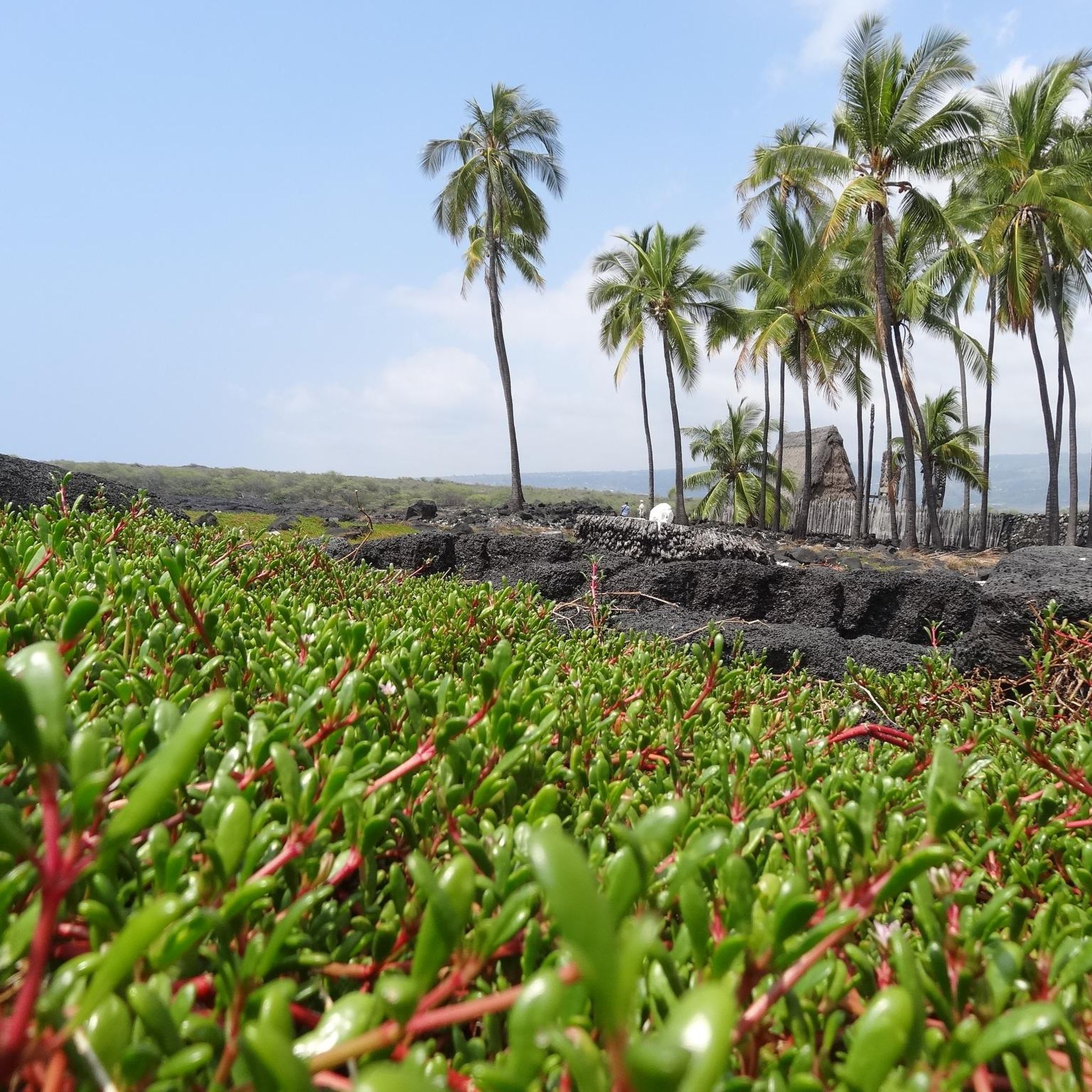
Beyond the physical challenge, this route offers a deep dive into Hawaiian culture and natural history. Hoʻokena Beach Park, your destination, is not just a scenic spot but also historically significant as one of the last active Hawaiian canoe fishing villages and a former inter-island steamship mooring site. The blend of coastal and inland environments, from lush jungle to unique beach geology, makes this one of the more popular cycling trails Keauhou to Hoʻokena for those seeking more than just a workout.
4
riders
37.5km
07:59
850m
860m
Embark on a truly difficult racebike challenge along Mauna Loa Road, a 23.3 miles (37.5 km) ascent with a substantial 2799 feet (853 metres) of elevation gain. This demanding route, taking approximately 7 hours and 58 minutes, guides you through a dramatic shift in scenery. You'll cycle past lush koa forests before entering vast, otherworldly lava fields, with panoramic views opening up as you climb towards the Mauna Loa Lookout.
Prepare for a significant physical test, as the high altitude means you'll be contending with reduced oxygen levels. While primarily paved, some sections of the road may present rough patches or compact gravel, so ensure your bike is suitable for varying conditions. Starting your ride early in the day is advisable to maximize daylight and avoid the midday heat. You'll find the upper stretches of the Mauna Loa Access Road offer a more secluded cycling experience with less traffic.
This unique journey is set within Hawaiʻi Volcanoes National Park, allowing you to witness the raw power of volcanic geology firsthand. The route traverses distinct ecological zones, from ancient vegetation islands known as kipuka to recently formed lava flows. It offers a rare opportunity to experience the stark beauty and immense scale of one of Earth's most active volcanoes, providing expansive vistas across the park and out to the Pacific Ocean.

Sign up for free
5
riders
17.7km
01:06
290m
290m
The Two Step Beach to Kealakekua Bay State Historical Park loop is a fantastic road cycling adventure, offering continuous ocean views and unique lava rock formations along the Kona Coast. You'll cruise past the vibrant waters of Honaunau Bay and the historic Kealakekua Bay, where you might even spot spinner dolphins or sea turtles. This easy 11.0-mile (17.7 km) route, with its well-paved surfaces and gentle 948 feet (289 metres) of elevation gain, is a rewarding ride for anyone.
Planning your visit is straightforward; aim to start your ride in the morning to enjoy cooler temperatures and avoid peak traffic. While there's no specific mention of parking for Two Step Beach, the area is generally accessible. The loop typically takes about 1 hour and 5 minutes to complete, making it a perfect morning activity before the day heats up.
This route stands out for its blend of natural beauty and historical significance. Kealakekua Bay State Historical Park is not only a Marine Life Conservation District teeming with marine life but also the landing site of Captain Cook. Nearby, Two Step Beach, known for its natural rock steps, offers excellent snorkeling opportunities right next to Puʻuhonua o Hōnaunau National Historical Park, adding a rich cultural layer to your cycling experience.
4
riders
45.8km
02:27
640m
640m
Cycle the Nāʻālehu to Pāhala loop, a moderate 28.5-mile route through Kaʻū Forest Reserve with ocean views and challenging climbs.
5
riders
43.7km
07:59
700m
700m
Embark on a difficult 27.2 miles (43.7 km) road cycling loop from Waiʻōhinu to the South Point Cliff Dive. This challenging ride, which takes around 7 hours and 58 minutes, offers a unique journey through the Kaʻu district. You will gain 2305 feet (702 metres) as you cycle past vast lava flows and lush tropical vegetation. As you approach South Point, the landscape shifts to a desolate beauty, marked by wind-bent trees and dramatic cliffs where waves crash against the shore. Keep an eye out for the famous Wind Blown Tree, a distinctive landmark along the route.
Before you set out on this loop, be ready for challenging conditions, especially the strong winds common around South Point. The intense sun means shade is scarce, so you should bring plenty of water and adequate sun protection. It is important to note that the direct access roads leading to the South Point Cliff Dive are unpaved. These sections are not suitable for standard road bikes, so plan your approach accordingly.
This route stands out for its dramatic and unique scenery, showcasing the raw beauty of the Kaʻu district. You will experience a powerful visual journey, from the vast lava flows to the endless deep blue ocean and rolling hills. The transformation of the landscape, from high tropical vegetation to a desolate, wind-swept coastline, highlights the diverse natural environment of this part of the island.
3
riders
21.5km
00:58
240m
240m
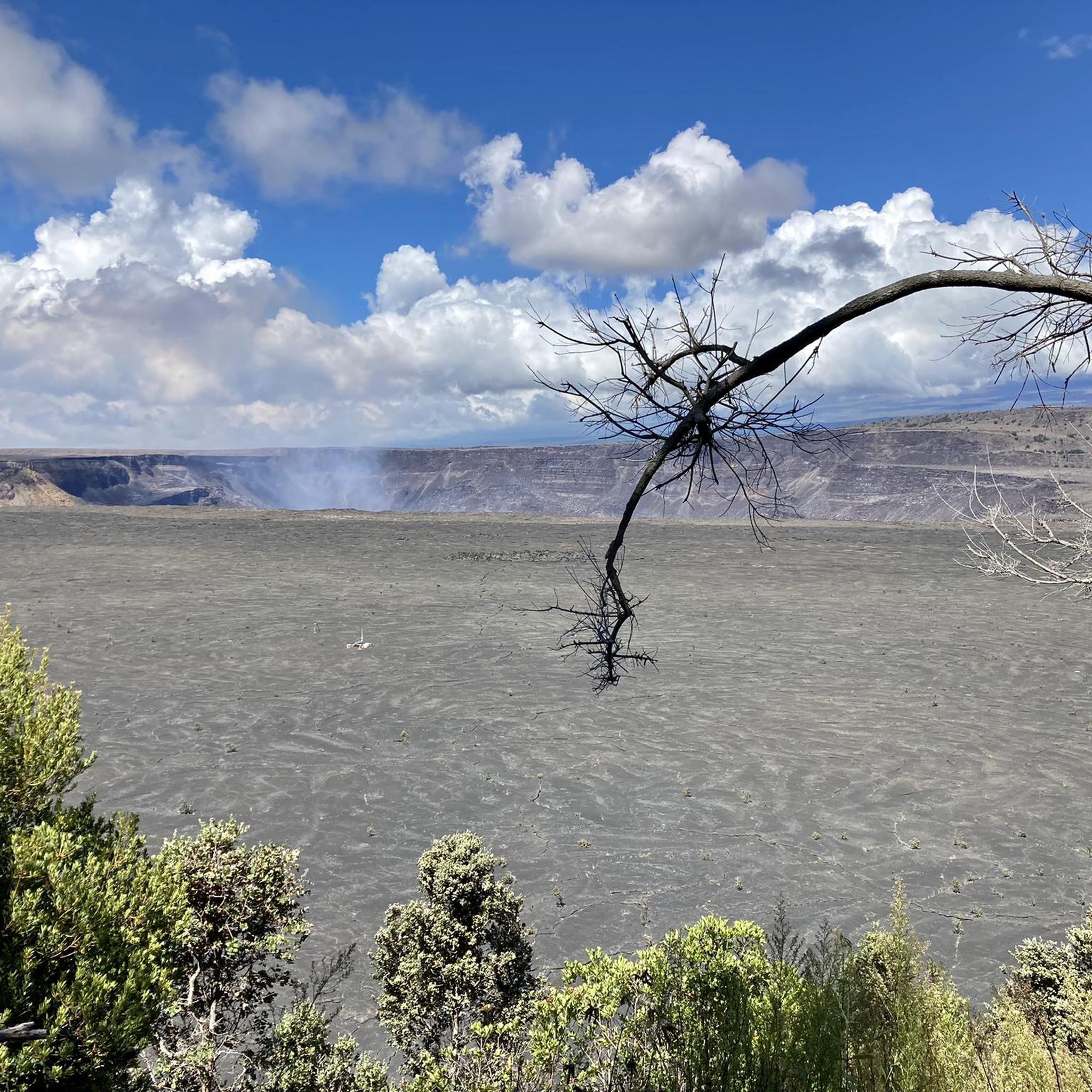
Crater Rim Drive offers an easy road cycling experience, covering 13.3 miles (21.5 km) with a gentle 792 feet (241 metres) of elevation gain, typically completed in about 58 minutes. You will cycle through a dramatic landscape, transitioning from lush rainforests to barren lava fields. Expect unparalleled views of active volcanic craters like Kilauea Caldera and Halemaʻumaʻu Crater, and observe steaming vents at Kūkamāhuākea, providing a front-row seat to Hawaii's powerful volcanic activity.
When planning your visit, be aware that the road is open to vehicles, so you will share the route with cars and buses, especially between 10 AM and 3 PM. Weather conditions can change quickly here; you might experience hot sun, wind, and rain all within the same hour. It's always a good idea to check park conditions before you go, as parts of the road might close due to volcanic activity or maintenance.
This route offers a unique perspective on the Kilauea Volcano, allowing you to witness an active volcanic landscape up close. The drive highlights the island's dynamic geology, moving from dense, green rainforests to stark, recent lava flows. You'll find excellent viewpoints along the way, such as the Keanakākoʻi Crater Overlook, providing clear sights of the craters and steaming vents.
1
riders
20.7km
01:33
810m
810m
Embark on a challenging road cycling ascent up Mauna Kea Access Road to the Maunakea Visitor Information Station. This moderate route spans 12.9 miles (20.7 km) and demands a significant 2667 feet (813 metres) of elevation gain, typically taking about 1 hour and 32 minutes. As you climb, you'll experience a dramatic shift in scenery, moving from lush, humid environments into drier, more barren, and eventually volcanic landscapes, often rising above the clouds for expansive views.
Prepare for the altitude; less oxygen at higher elevations means altitude sickness can be a concern, especially if you are coming from sea level. Beyond the Maunakea Visitor Information Station, the road turns into an unpaved, extremely challenging gravel section, making it unsuitable for standard road bicycles. Always plan carefully, bring sufficient hydration, sun protection, and layered clothing to adapt to rapid weather changes on the mountain.
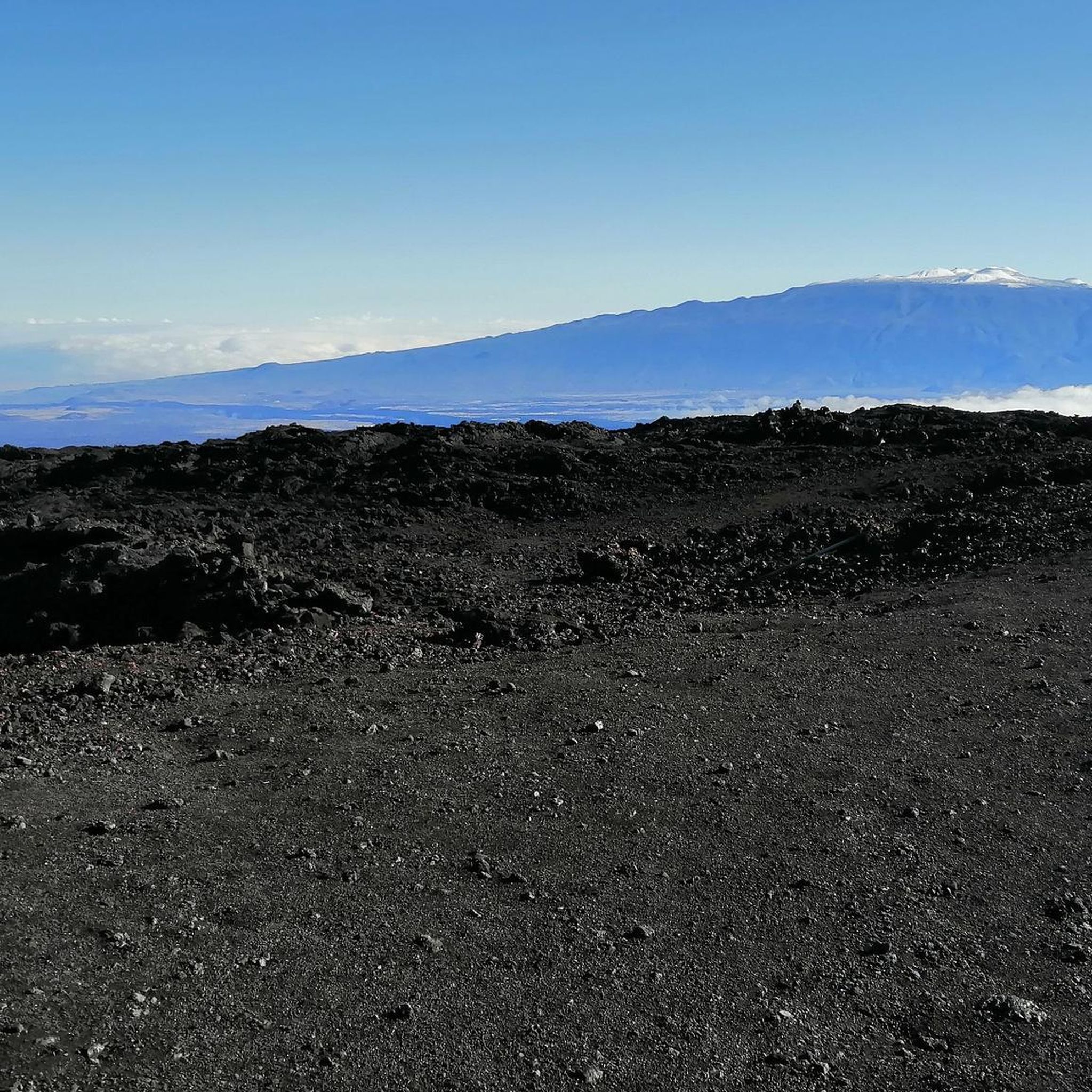
This route offers a unique opportunity to cycle through the Mauna Kea Forest Reserve, showcasing Hawaii's diverse ecosystems. From the Visitor Information Station, you can take in panoramic views across the island, including Mauna Loa. The journey highlights the stark beauty of the volcanic terrain and the transition zones that define this iconic Hawaiian peak.
1
riders
63.3km
03:25
1,200m
1,200m
If you're seeking a road cycling adventure that truly tests your legs and rewards you with stunning coastal vistas, the Ho'okena to Miloli'i Beach Park route delivers. This difficult 39.3-mile (63.3 km) journey along the Big Island's coast features a substantial 3943 feet (1202 metres) of elevation gain, typically taking around 3 hours and 25 minutes. You'll traverse varied Hawaiian scenery, from ancient lava fields and 'ōhi'a forests to dramatic ocean views, particularly along the Māmalahoa Highway.
Planning your ride requires careful consideration; this route is best for very fit, experienced cyclists. Services are limited, so you'll need to carry all your water and supplies. The route utilizes public roads like Highway 11, which may have narrow or non-existent shoulders, so defensive riding and high visibility are essential for safety. Consider starting early to make the most of the day and avoid peak traffic.
This route is more than just a ride; it's a journey through a historically rich part of Hawaii. You'll pass Ho'okena Beach Park, once a bustling 19th-century port, and finish near Miloli'i Beach Park, often called the last fishing village in Hawaii. The challenging terrain and unique cultural context make this one of Hawaiʻi County's most distinctive road cycling routes.
1
riders
76.5km
03:33
920m
920m
This challenging 47.5-mile road cycling route from Miloliʻi Beach Park to Kahuku offers dramatic volcanic scenery and 3022 feet of elevation
20.5km
02:39
480m
480m
Cycle the 12.8-mile Pāhala to Wood Valley Temple loop, a moderate route with 1560 feet of gain through macadamia farms and misty valleys.
Get access to more routes and recommendations from other explorers.
Sign up for free
Already have an account?
Our route recommendations are based on thousands of hikes, rides, and runs completed by other people on komoot.
Start today with a free account
Your next adventure awaits.
Login or Signup
Popular around Mauna Loa
Tips from the Community

The center is closed for renovations until August 2026
2
0
Sea turtles can be seen on the black lava beach during egg-laying
1
0

On this shore, there is a popular cliff jumping spot with a platform and ladder. Given the sharp drop off and deeper waters, this is also a good pace to go fishing!
0
0

Beautiful viewpoint above the clouds with the opportunity to have a picnic. Pheasants can also be seen here occasionally.
0
0

This is a very quiet beach away from all the tourist hustle and bustle. It's not the most scenic beach, but if you value quiet time, this fits the bill. The shores are a little rocky from the lava flows and there isn't potable water, so ensure you are prepared.
0
0
Open 9am-5pm daily, the Kīlauea Visitor Center is a great place to stop before entering the park. There is a park store here that sells books, posters, and other souvenirs! On the back side of the building there are restrooms and across the street you can find a few restaurants and another gift shop!
0
0

Humuʻula Sheep Station is a sheep-raising area that was economically important from 1850–1900. The Waimea Grazing and Agricultural Company had this station for sheep at Humuʻula in the 1860s, and a few years later, in 1873, a house and wool barn had been built. This area was later bought by Parker Ranch. This area is now marked with an information sign and a few unused buildings.
0
0
Frequently Asked Questions
How many road cycling routes are available around Mauna Loa?
There are over 15 road cycling routes around Mauna Loa, catering to various skill levels. You'll find 2 easy routes, 5 moderate routes, and 8 difficult routes, offering diverse experiences across the volcanic landscape.
What are some easier road cycling routes for beginners or casual riders?
For an easier ride, consider the Two Step Beach to Kealakekua Bay State Historical Park loop, which is 17.7 km long. Another accessible option is Crater Rim Drive, a 21.5 km route within Hawaiʻi Volcanoes National Park, known for its gentle gradients and scenic views.
Are there challenging road cycling routes for experienced cyclists?
Absolutely. Mauna Loa is renowned for its epic climbs. The Keauhou Bay to Hoʻokena Beach Park route is a difficult 55.7 km ride with substantial climbs and diverse Hawaiian scenery. Another demanding option is Miloliʻi Beach Park to Kahuku, a 76.5 km route featuring significant elevation changes along the coast.
What scenic viewpoints or natural attractions can I expect along the road cycling routes?
Mauna Loa's routes offer breathtaking views. You'll encounter dramatic shifts from lush 'ōhi'a and māmane forests to stark lava fields, with impressive lava troughs and verdant 'kipukas' like Kipuka Puaulu (Bird Park). Many routes provide expansive ocean views, and on clear days, you can even see Hawaiʻi Volcanoes National Park and the Kilauea Crater. The Mauna Loa Lookout is a notable viewpoint. You can also explore natural monuments like Punaluʻu Black Sand Beach and Ki'i Point Overlook near some routes.
Are there any circular road cycling routes around Mauna Loa?
Yes, several routes offer a loop experience. The Waiʻōhinu to South Point Cliff Dive loop is a difficult 43.7 km ride. For a moderate option, consider the Nāʻālehu to Pāhala loop, which is 45.8 km through the Kaʻū Forest Reserve, or the shorter Pāhala to Wood Valley Temple loop, a 20.5 km ride through macadamia farms.
What is the best time of year for road cycling on Mauna Loa?
While Mauna Loa offers cycling year-round, the best time generally depends on personal preference for weather and conditions. Higher elevations can be snow-capped in winter. Cyclists should always be prepared for intense sun exposure, unpredictable winds, and potential lack of shade, regardless of the season.
What should I know about high-altitude cycling on Mauna Loa?
Mauna Loa offers some of the longest continuous bike climbs globally, with routes reaching high altitudes. Cyclists should be prepared for significant elevation gains and the effects of thinner air. The Saddle Road Crossing, for instance, navigates elevations between 6,000 and 6,600 feet. It's crucial to acclimatize, stay hydrated, and be aware of your physical limits.
Are there road cycling routes with mixed terrain on Mauna Loa?
While many routes are entirely paved, some segments, particularly on routes like the Saddle Road Crossing, may involve mixed terrain, including gravel and loose cinders. It's advisable to check route descriptions and be prepared with appropriate tires if you plan to explore these areas.
What do other cyclists say about road cycling around Mauna Loa?
The komoot community highly rates road cycling around Mauna Loa, with an average score of 5.0 stars. Cyclists often praise the unique experience of riding through ancient lava fields, the smooth pavement on routes like Mauna Loa Road, and the unparalleled views from near sea level to high altitudes. The remoteness and silence of the upper sections are frequently highlighted as a unique draw.
Are there any less-known, scenic road cycling routes worth exploring?
Beyond the most popular trails, consider the Mauna Kea Access Road to Maunakea Visitor Information Station. This moderate 20.7 km route offers significant elevation gain and sweeping views as it ascends towards Mauna Kea, providing a different perspective of the island's volcanic grandeur.
Most popular attractions around Mauna Loa

Get inspired with the komoot mobile app


Explore more
Browse the best Road cycling routes in other regions.
