The best running trails around Fleurbaix
4.4
(155)
9,544
runners
12
runs
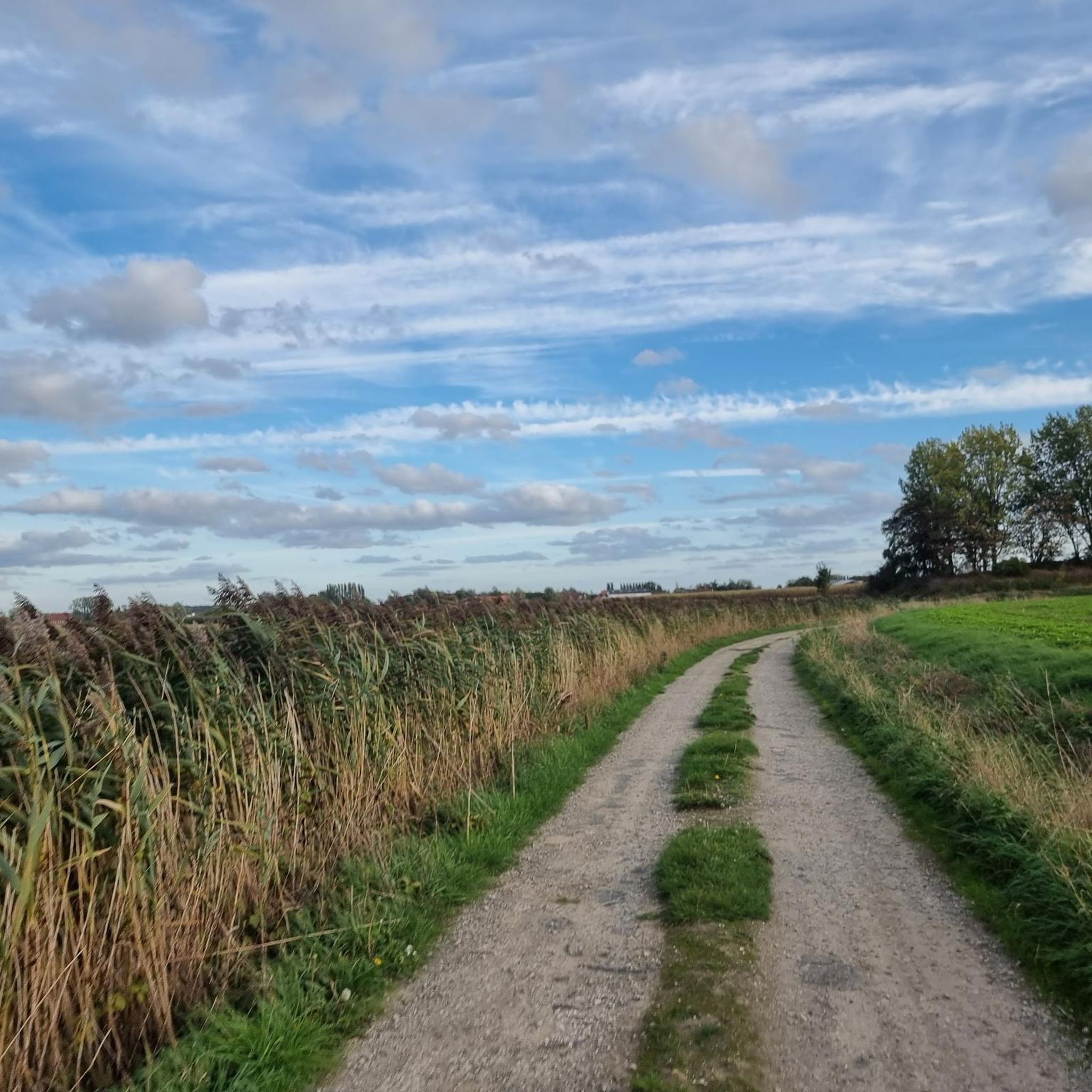
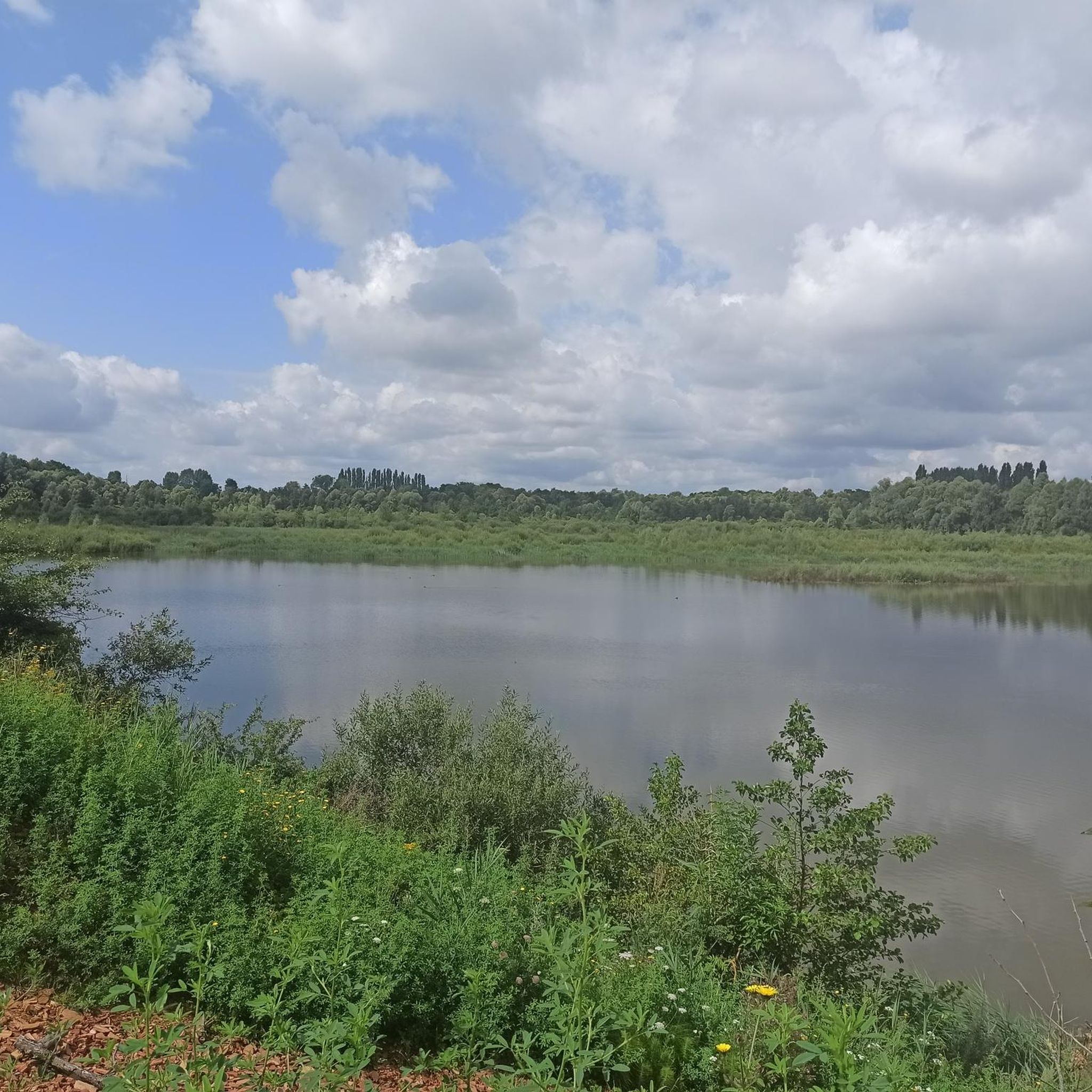
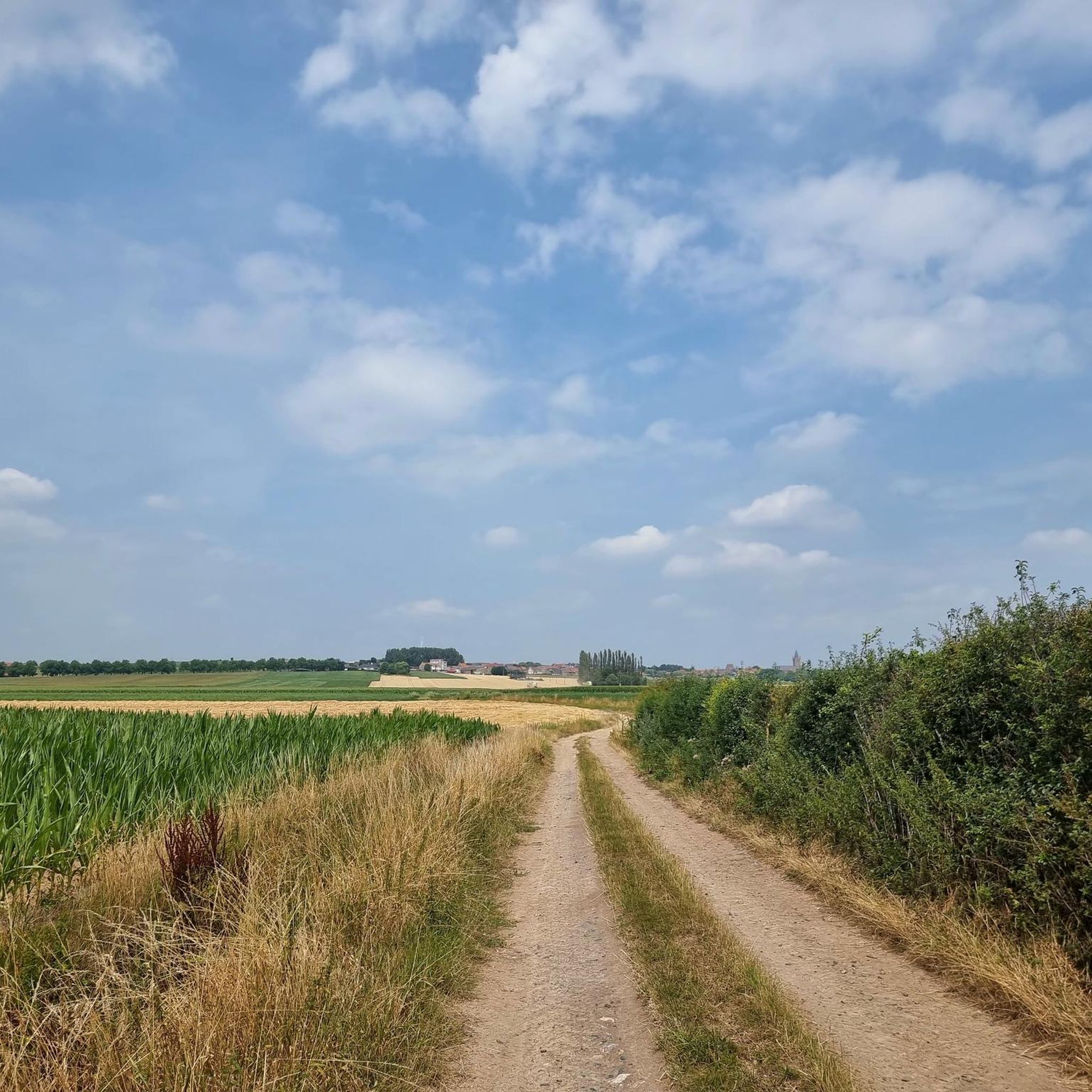
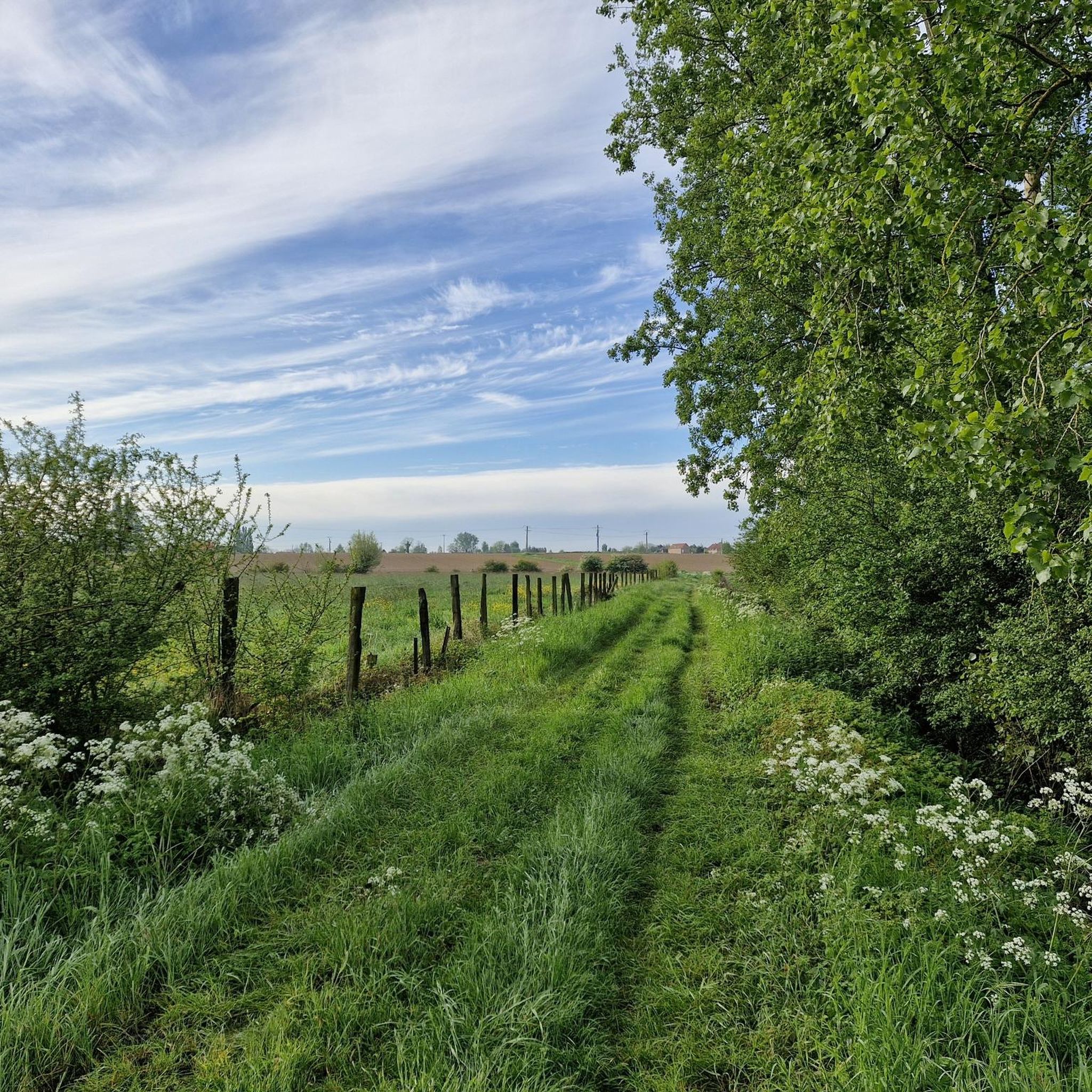
Jogging routes around Fleurbaix benefit from the region's predominantly flat terrain, historically shaped by drained marshes. This landscape provides an ideal environment for runners seeking less strenuous paths. The area features waterside paths along the Lys River and trails through local parks and fields, offering varied scenery. Nearby, Les Près du Hem nature park provides additional routes around a large lake.
Best jogging routes around Fleurbaix
- The most popular jogging route is Running loop from Fleurbaix, a 4.9 miles…
Last updated: July 4, 2026
314
runners
7.86km
00:48
10m
10m
Moderate run. Good fitness required. Mostly paved surfaces. Suitable for all skill levels.
5.0
(1)
25
runners
Moderate run. Good fitness required. Mostly paved surfaces. Suitable for all skill levels.

Sign up for free
22
runners
11.6km
01:13
10m
10m
Moderate run. Good fitness required. Mostly paved surfaces. Suitable for all skill levels.
6
runners
9.94km
01:01
10m
10m
Moderate run. Good fitness required. Mostly paved surfaces. Suitable for all skill levels.
4
runners
Hard run. Very good fitness required. Mostly paved surfaces. Suitable for all skill levels.
Get access to more routes and recommendations from other explorers.
Sign up for free
Already have an account?
Our route recommendations are based on thousands of hikes, rides, and runs completed by other people on komoot.
Start today with a free account
Your next adventure awaits.
Login or Signup

Tips from the Community

Attacking in a southerly direction, Capt Kennedy was shot while leading 'B' Company in the Battle of Aubers Ridge. He and his men had got well beyond the German line which ran roughly east-west where the preserved bunkers are today. His mother later wrote "He had crossed the road and was on the Fromelles side of it when he was shot by a sniper. His men tried to carry him back but he was terribly wounded and after they had carried him back across the road he told them to put him down..." Capt P A Kennedy, 2/Rifle Brigade Killed in action 9 May 1915. No known grave. Remembered on the Ploegsteert Memorial.
8
0
The Michelin enameled lava stone signs are an iconic part of French traffic signage. Produced by Michelin between 1910 and 1971, these signs are made of durable lava stone, enameled and mounted on a concrete base. They were used to provide traffic information and tourist directions and are known for their durability and resistance to weather conditions. Michelin began offering these signs to municipalities as a form of advertising, often featuring the name "Michelin" on the signs.
8
0
Le Trou Aid Post Cemetery was established in October 1914 by British soldiers of the 19th Infantry Brigade during the First Battle of Ypres. The cemetery initially contained 123 graves, but was expanded after the war. It now contains over 350 graves, of which over 200 are unknown. The cemetery commemorates soldiers who died in a number of battles, including Le Maisnil (October 1914), Aubers Ridge (May 1915), Loos (September–October 1915), and Fromelles (July 1916). A special feature of the cemetery is its rural setting, surrounded by a narrow moat and sheltered by a grove of weeping willows. Visitors reach the cemetery via a footbridge and enter through a delicate cottage-style gate.
7
0
The Rue-Petillon Military Cemetery was established in December 1914 and was used by British troops until the spring offensive of 1918, when the area fell into German hands. After its recapture by the Allies in September 1918, the cemetery was expanded to include graves from isolated locations and smaller cemeteries. The cemetery contains 895 identified graves of soldiers who died during the First World War. Many of them died of their wounds in a dressing station located in the nearby buildings known as 'Eaton Hall'.
7
0

Amidst the quiet roads of western Lille lies this listed cemetery, which is the final resting place of hundreds of Commonwealth soldiers from the First World War.
0
0

The Chartreuse Notre-Dame-des-Sept-Douleurs de la Boutilerie was founded by Jean Le Vasseur, mayor of Lille. The first stone was laid on August 11, 1618, the work was completed in 1641. The monastery was very visited. Behind a monumental entrance gate and thick surrounding wall stood two towers housing the clock and the carillon. The library housed more than 2,300 books. The 92 meter long vaulted cloister was glazed and paved. The church, paved with white and black marble, was decorated with paintings by Arnoult Vuez. The altar was topped by a painting by Rubens. With the revolution, the Chartreuse was delivered into the hands of demolitionists. Postcards from the beginning of the 20th century still showed the monumental entrance gate in neoclassical style and the surrounding wall. During the First World War, the remains of the Chartreuse were marked by the conflict which was only a few hundred meters from the front line. The destruction caused the abbey to disappear, leaving only a few vestiges of the surrounding wall.
2
0
Chapel built in 1926 by the Défossez-Lemarre family in recognition of the safe return from the 14-18 war of Léon Défossez.
3
0
On May 28, 1940, second lieutenant Raymond de Pourtalès, liaison officer of the French Army, and his driver Germinal Bernard fell here. They resisted the Germans like heroes in this place called Le Touquet and are both buried in the village cemetery. Married, to the day, 2 months before his death (March 28, 1940), it is very likely that Raymond de Pourtalès never knew of the future birth of his son Alexis, born January 11, 1941, i.e. 7 months and a half after the death of his father.
1
1
Frequently Asked Questions
How many running routes are available around Fleurbaix?
Komoot offers over 500 running routes around Fleurbaix, catering to various preferences. You'll find a good mix of easy, moderate, and challenging trails to explore.
What kind of terrain can I expect on jogging routes in Fleurbaix?
Fleurbaix is known for its predominantly flat terrain, as it was historically established on drained marshes. This makes it ideal for runners seeking less strenuous routes. You'll find both paved and unpaved options, including paths through local parks and along waterways.
Are there any circular running trails in Fleurbaix?
Yes, many of the running routes in Fleurbaix are circular, allowing you to start and finish in the same location. An example is the Running loop from Fleurbaix, which offers a pleasant 7.8 km circuit.
What are some scenic spots or landmarks I can see while running near Fleurbaix?
The area around Fleurbaix offers several points of interest. You can run past historical sites like the Le Trou Aid Post Cemetery or the Australian Memorial Park Fromelles. For natural beauty, routes often feature views of the Canal de la Deûle or lead towards the nearby Relais Nature of the Parc de la Deûle.
Are there any longer or more challenging running routes in the area?
While much of Fleurbaix is flat, you can find longer routes that offer a good challenge. For instance, the Le Trou Aid Post Cemetery – Cobbers Australian Memorial loop from Fleurbaix is a difficult 15.3 km route that combines historical sites with a longer distance.
What do other runners say about the jogging routes in Fleurbaix?
The running routes around Fleurbaix are highly rated by the komoot community, with an average score of 4.3 out of 5 stars from over 130 reviews. Runners often praise the quiet, flat paths and the opportunity to combine exercise with exploring local history and nature.
Are there any running routes that pass by historical cemeteries or memorials?
Yes, several routes incorporate historical sites. The Le Trou Aid Post Cemetery – Rue-Petillon Military Cemetery loop from Fleurbaix is a moderate 11.8 km route that takes you past significant memorial sites, offering a reflective running experience.
Is Fleurbaix a good place for beginner runners?
Absolutely. With its predominantly flat terrain and numerous easy routes, Fleurbaix is an excellent location for beginner runners. The local running events, like the 'Courses de Fleurbaix', also highlight the area's suitability for accessible running.
Can I find running routes that connect to nearby towns or natural parks?
Fleurbaix's location provides good access to broader natural landscapes. You can find routes that lead towards nearby areas like Armentières, which hosts Les Près du Hem, a large nature park with diverse trails. The presence of the Lys River also means scenic waterside paths are accessible.
Where can I find more information about Fleurbaix and its outdoor offerings?
For general tourist information about Fleurbaix and the surrounding area, you can visit the official tourism website: tourisme-flandrelys.fr. This can provide additional context for your visit.
Most popular attractions around Fleurbaix

Get inspired with the komoot mobile app


Explore more
Browse the best Running Trails & Routes in other regions.
