The best traffic-free bike rides around Saint-Vérain
4.5
(140)
1,060
riders
6
rides
No traffic touring cycling routes around Saint-Vérain primarily follow the flat, accessible paths alongside canals, offering a gentle cycling experience. The terrain is characterized by minimal elevation changes, making it suitable for relaxed rides. These routes often trace waterways, providing consistent, level surfaces for touring cyclists. The landscape features open countryside and riverside scenery, with few significant natural obstacles.
Best no traffic touring cycling routes around Saint-Vérain
- The most popular no traffic touring cycling route is Briare Canal Bridge –…
Last updated: May 7, 2026
4.8
(5)
23
riders
35.8km
02:10
130m
130m
Moderate bike ride. Good fitness required. Mostly paved surfaces. Suitable for all skill levels.
4.4
(7)
31
riders
Hard bike ride. Very good fitness required. Mostly paved surfaces. Suitable for all skill levels.

Sign up for free
5.0
(1)
9
riders
45.4km
02:47
320m
320m
Moderate bike ride. Good fitness required. Mostly paved surfaces. Suitable for all skill levels.
11
riders
48.0km
03:45
600m
600m
Hard bike ride. Very good fitness required. Mostly paved surfaces. Suitable for all skill levels.
5
riders
Easy bike ride. Great for any fitness level. Mostly paved surfaces. Suitable for all skill levels.
Our route recommendations are based on thousands of hikes, rides, and runs completed by other people on komoot.
Start today with a free account
Your next adventure awaits.
Login or Signup
Popular around Saint-Vérain
Tips from the Community


It's not uncommon to find a Monument aux Morts in the immediate vicinity of the local church, which here boasts a very defensive-looking facade – the church's two massive, round towers could easily be imagined as part of a castle's fortifications. These monuments, found in almost every town, still serve an important dual function in the 21st century: They keep the memory of the victims of war and tyranny alive and thus serve as a constant reminder of peace.
0
0
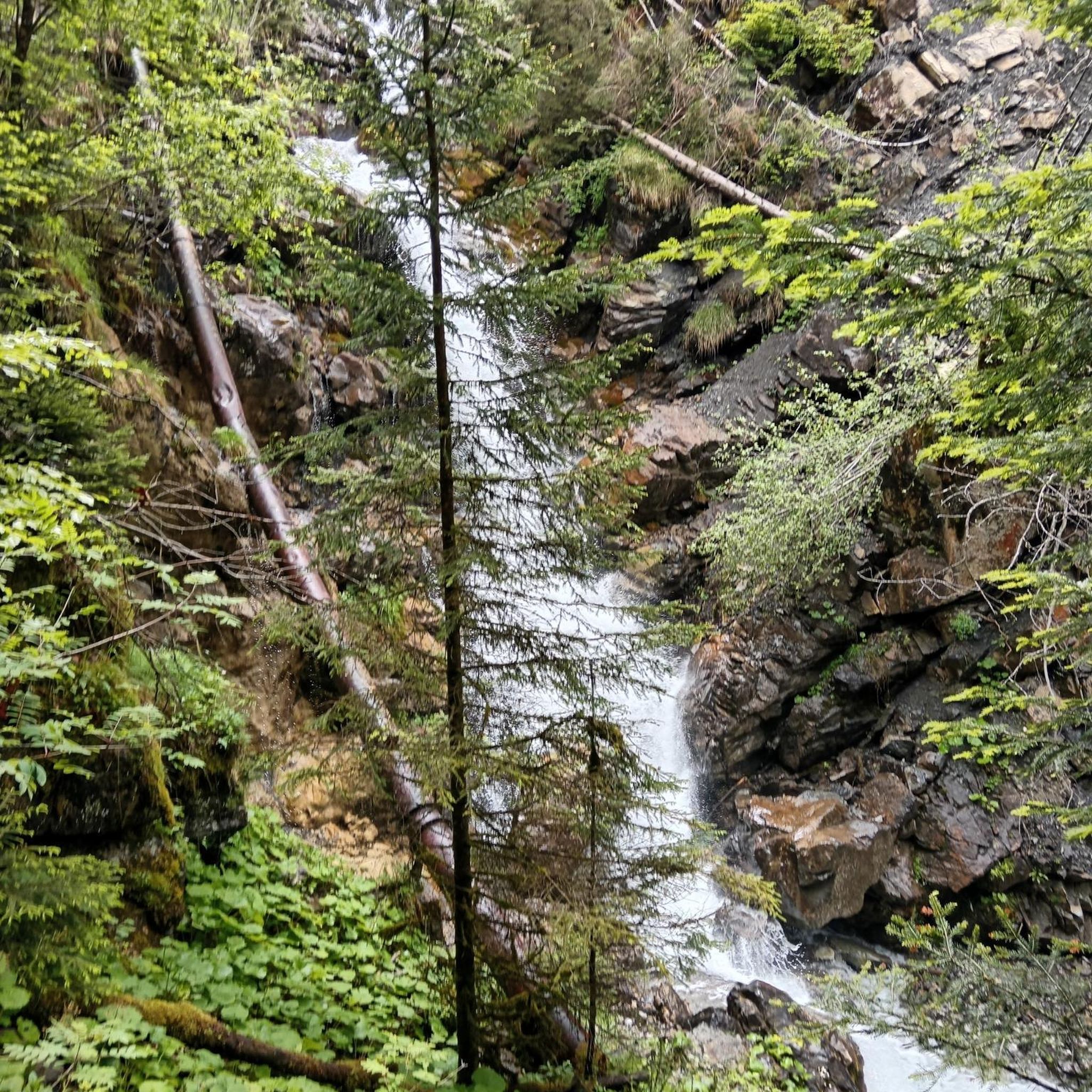
Rivers and canals crisscross the country, the latter in particular being a crucial part of the transport infrastructure in earlier times. Later, first rail, and later again trucks, took over the task of transporting goods. In the competition between different modes of transport, they were faster and cheaper than barges – and thus more efficient. When building the artificial waterways, however, it had to be taken into account that differences in elevation always had to be overcome, and so locks are often lined up along the canals – at varying intervals, depending on the local situation. Only with their help was shipping possible.
0
0
It is presumably a former "chemin de halage" (in German "treidelpfad" or "leinpfad"), which runs alongside the canal's bed. In earlier times, such a path was an essential part of the transport infrastructure. Before ships could be powered by motors, horses walked along the bank, pulling the boat against the current. This was called "treideln" (pulling), and this is how the towpaths got their name, which has been passed down to this day. Where these paths, which run close to the bank, have been preserved, they are popular with hikers, walkers, joggers, and cyclists.
1
0

Excellent bike stopover at Belleville-sur-Loire at Le Café Du Canal for a cup of coffee, or a drink, on the banks of the canal. Right next to it the Office de Tourismo with water point and basic bike tools and pump facility next to it.
0
0

The viaduct that connects Saint-Germain-du-Puy and Cosne is quite impressive. When you pass underneath it along the greenway, you'll realize the scale of the construction.
0
0

This historic canal lock is located on the Loire River. The facility was formerly used to lock barges from the Loire Lateral Canal through the Loire to the Canal de Briare and vice versa. A towpath was built on a river island in the Loire River to allow towing from the Loire and across to the other side of the river. Since this type of Loire crossing depended on the water level of the Loire and its meandering course, the new Briare Canal Bridge was later built. The historic river locks at Mantelot and Combles thus became obsolete.
1
0

The trip along the canal is a meditation - at least as relaxing as one.
1
0
Frequently Asked Questions
How many no-traffic touring cycling routes are available in Saint-Véran?
There are 6 dedicated no-traffic touring cycling routes around Saint-Véran listed in this guide, offering a variety of distances and difficulties for a peaceful ride through the stunning alpine landscape.
What is the best time of year for no-traffic touring cycling in Saint-Véran?
The best time for no-traffic touring cycling in Saint-Véran is typically from late spring to early autumn (June to September). During these months, the high mountain passes are usually clear of snow, and the weather is most favorable for cycling, allowing you to fully enjoy the alpine scenery of the Queyras Regional Nature Park.
Are there any challenging no-traffic touring routes for experienced cyclists?
Yes, for experienced cyclists seeking a challenge, there are difficult no-traffic routes available. For instance, the Briare Canal Bridge – Briare canal bridge loop from Neuvy-sur-Loire offers a demanding ride with significant distance and elevation changes, allowing you to push your limits while enjoying the serene environment.
Are there any easy, beginner-friendly no-traffic touring cycling routes?
Absolutely. If you're looking for an easier ride, the Saint-Julien de Bannay church – Boisrond Lock loop from Léré is an excellent option. This route is rated as easy, making it perfect for beginners or those preferring a more relaxed pace to soak in the scenery without the stress of traffic.
Can I find circular no-traffic touring cycling routes in the Saint-Véran area?
Yes, many of the no-traffic touring cycling routes in the Saint-Véran area are designed as loops, allowing you to start and end at the same point. Examples include the Bannay – Canal Pathway loop from Cosne-sur-Loire and the Canal latéral à la Loire – Mantelot lock loop from Cosne-sur-Loire, providing convenient options for your cycling adventure.
What natural features can I expect to see along these no-traffic routes?
Cycling in Saint-Véran, nestled in the Queyras Regional Nature Park, you'll encounter a high mountain environment with vast forests, deep valleys, and alpine pastures. Keep an eye out for the impressive Gorges du Guil, picturesque mountain lakes like Mirror Lake, and the distinctive larch and arolla pine forests that characterize the region's natural beauty.
Are there any historical or cultural landmarks to visit near the no-traffic cycling routes?
Yes, the region around Saint-Véran is rich in history and culture. You can explore charming villages with traditional chalets, wooden fountains, and sundials. Notable landmarks include the ruins of Château de Saint Vérain, the ancient Old Copper Mine of Saint-Véran, and the highest observatory in France, Châteaurenard Observatory. Other castles like Château de Ratilly are also nearby.
Is parking available for accessing these no-traffic touring cycling routes?
Parking is generally available in the main villages and towns that serve as starting points for these routes, such as Cosne-sur-Loire or Léré. It's advisable to check local signage for specific parking regulations and availability, especially during peak season.
Can I reach the starting points of these routes by public transport?
While Saint-Véran itself is quite remote, some larger towns in the vicinity, like Cosne-sur-Loire, may have public transport connections. However, direct public transport access to the specific starting points of all no-traffic cycling routes can be limited. Planning your journey in advance and considering local bus services or taxi options for the final leg is recommended.
Are there places to eat or stay along the no-traffic touring cycling routes?
Saint-Véran and the surrounding villages offer various accommodation options, from traditional gîtes to hotels. You'll also find cafes and restaurants in these settlements, perfect for a break or a meal. However, on the routes themselves, especially in more remote sections, amenities might be sparse, so it's wise to carry sufficient water and snacks.
Are the no-traffic touring cycling routes in Saint-Véran suitable for families?
Many of the no-traffic routes, particularly the easier and moderate ones, are suitable for families. These routes offer a safe and enjoyable environment away from vehicle traffic. The Saint-Julien de Bannay church – Boisrond Lock loop from Léré is an easy option that families might particularly enjoy.
Can I bring my dog on these no-traffic touring cycling routes?
Bringing dogs on cycling routes in the Queyras Regional Nature Park is generally permitted, but they should be kept on a leash, especially in areas with livestock or wildlife. Always ensure your dog is well-behaved and can handle the distance and terrain. Remember to carry water for your pet and clean up after them.
What kind of wildlife might I encounter while cycling in the Queyras Regional Nature Park?
The Queyras Regional Nature Park is home to diverse wildlife. While cycling, you might spot marmots, chamois, and ibex in the higher alpine areas. The forests and valleys also host various bird species. Maintaining a respectful distance and observing quietly will enhance your chances of a memorable wildlife encounter.
What do other touring cyclists enjoy most about the no-traffic routes around Saint-Véran?
The no-traffic touring cycling routes around Saint-Véran are highly rated by the komoot community, with an average score of 4.41 stars. Reviewers often praise the stunning, unspoiled alpine landscapes, the tranquility of cycling away from cars, and the sense of immersion in nature within the Queyras Regional Nature Park.
Most popular routes around Saint-Vérain
Most popular attractions around Saint-Vérain

Get inspired with the komoot mobile app


Explore more
Browse the best Cycling routes in other regions.
