The best traffic-free bike rides around Torxé
4.7
(22)
490
riders
81
rides
Road cycling around Torxé, located in the Charente-Maritime department of France, offers access to diverse landscapes suitable for no traffic road cycling routes. The region features varied terrain, including gentle hills and flat sections, with elevation changes that provide engaging rides. Cyclists can explore areas with proximity to forests like Forêt de Benon and historical sites such as the Abbaye aux Dames de Saintes, enhancing the cycling experience. The general environment of Charente-Maritime is cycling-friendly, with routes that traverse both…
Last updated: July 4, 2026
4
riders
77.9km
03:23
510m
510m
Explore medieval villages and historic landmarks on this moderate 48.4-mile road cycling loop around Saint-Jean d'Angély.
2
riders
63.4km
02:59
350m
350m
Cycle 39.4 miles (63.4 km) through the Val de Trézence, exploring charming villages, historical sites, and panoramic views from Puyrolland.

Sign up for free
4.0
(2)
19
riders
Moderate road ride. Good fitness required. Mostly well-paved surfaces and easy to ride.
9
riders
60.3km
02:26
290m
290m
Moderate road ride. Good fitness required. Mostly well-paved surfaces and easy to ride.
5.0
(1)
5
riders
29.5km
01:16
220m
220m
Easy road ride. Great for any fitness level. Mostly well-paved surfaces and easy to ride.
Get access to more routes and recommendations from other explorers.
Sign up for free
Already have an account?
Our route recommendations are based on thousands of hikes, rides, and runs completed by other people on komoot.
Start today with a free account
Your next adventure awaits.
Login or Signup
Popular around Torxé
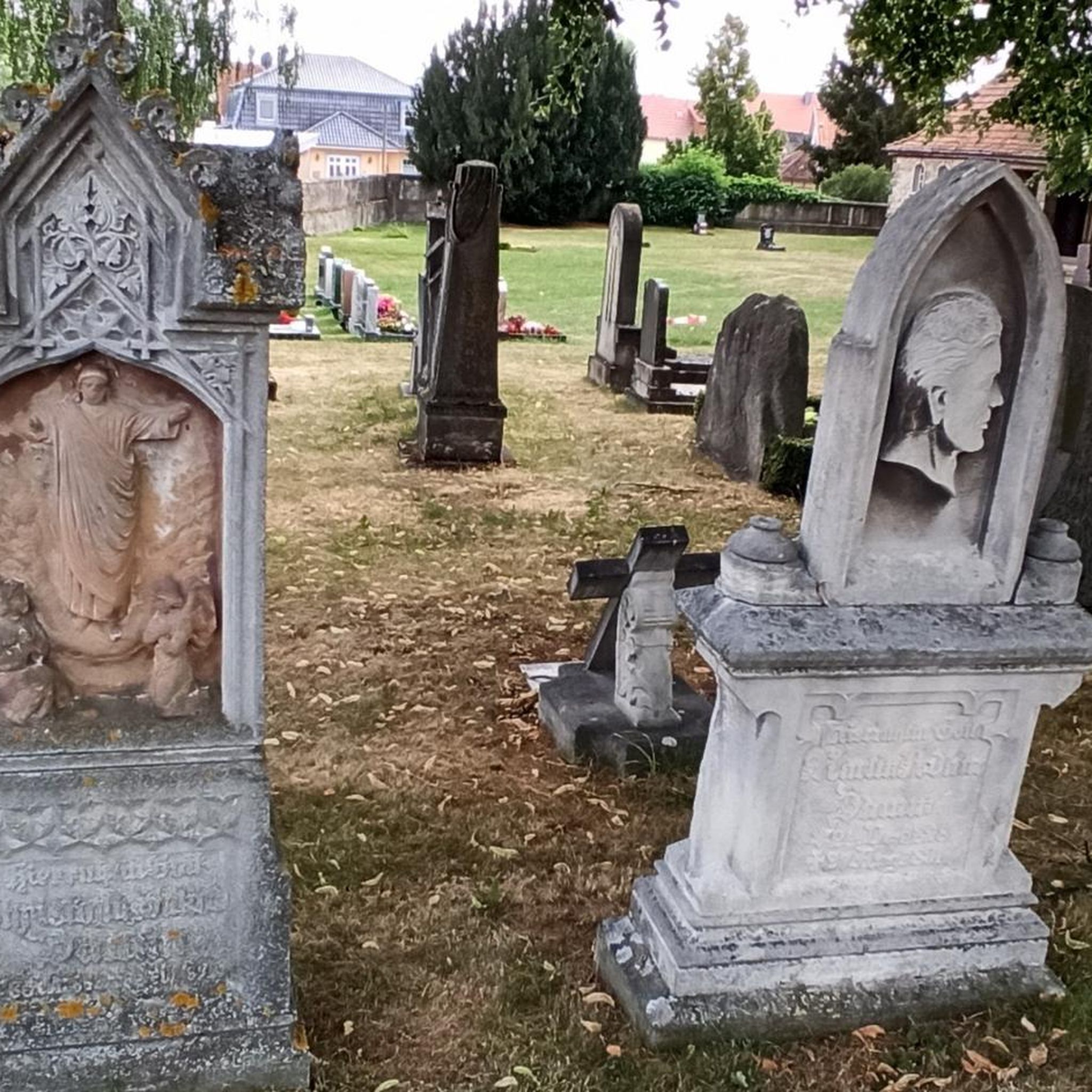
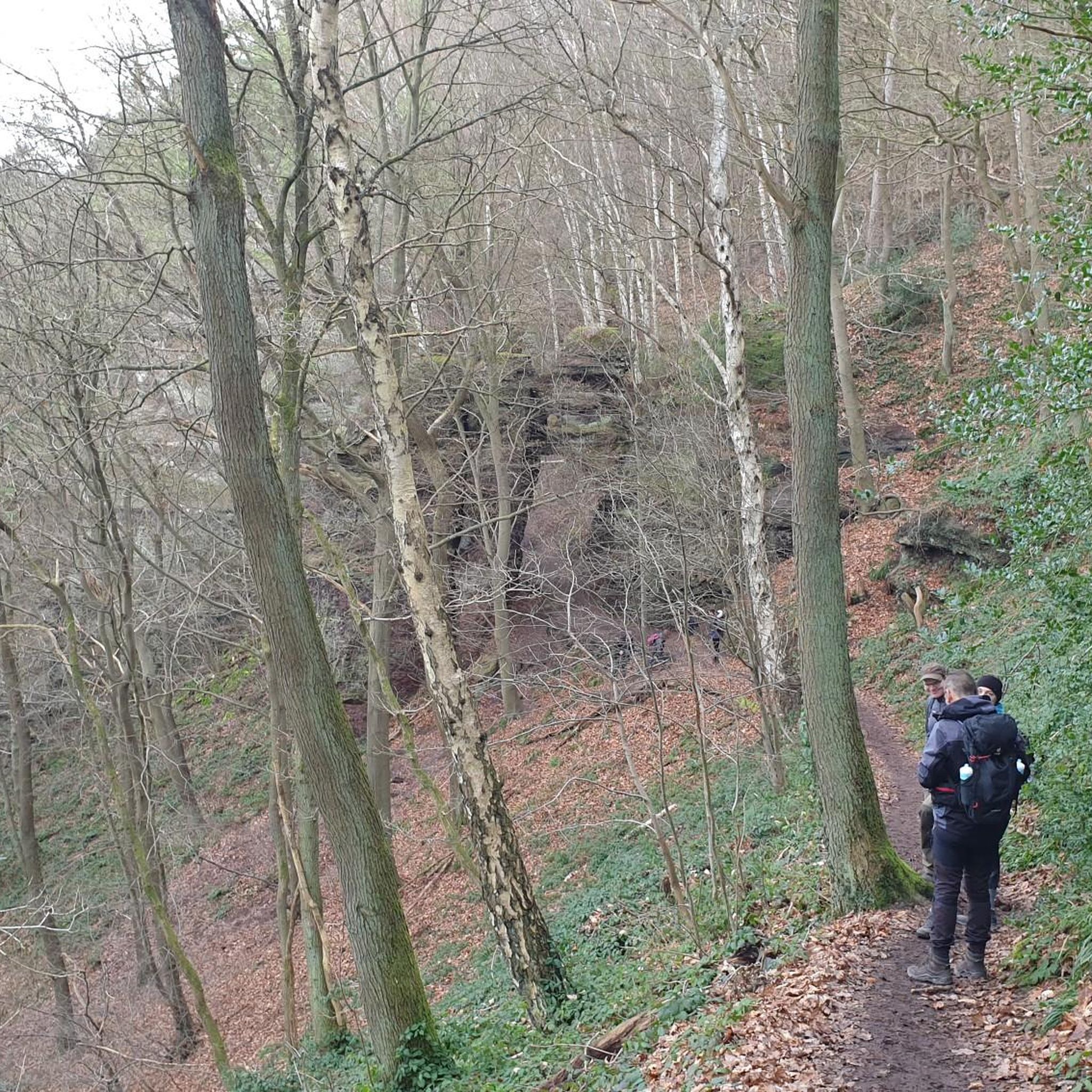
Tips from the Community

It is an absolutely beautiful village.
0
0

Small town with a special charm along the Charente.
0
0


Located on a rocky spur overlooking the Charente, Taillebourg has one of the oldest castles in the province of Saintonge. It was also one of the most important in the region in the Middle Ages. This stronghold will allow the city to assert its power and prosper thanks to its port and control of trade throughout the Middle Ages. According to a chronicler, the Château de Taillebourg hosted the wedding night of Louis, future king of France under the name Louis VII, with Duchess Eleanor of Aquitaine. Louis IX (future Saint Louis) made the castle his fortress to launch the attack against the King of England, Henry III. This victorious battle of July 21, 1242 became famous and was represented several centuries later by Delacroix, whose painting can be seen in the Battles gallery at the Palace of Versailles. The castle which had endured all the sieges during the Hundred Years' War and the Wars of Religion was taken and destroyed during the Fronde in 1652. During the Revolution, it was sold in lots as national property. Having suffered from lack of maintenance, the building was the victim of a fire in 1822 and was largely destroyed. All that remains now are the ruins with the ramparts and a tower standing like an emaciated being. It now houses a park which is a haven of peace. To access it from the banks of the Charente, you have to take a small detour through the town.
0
0
In the Middle Ages, Tonnay-Boutonne was a fortified town of which today only one vestige remains: the Porte Saint-Pierre, named after the parish. Two other gates also existed, and the small city also had a port, a lock and a mill. At the heart of the ramparts stood a keep 20m high and 13m side with walls 3m thick. But it was razed in 1839 by the last owner who sold the stones to pay his debts, and the rubble was spread all around raising the level of the streets by 1.50 to 2m and filling the cellars of the village.
0
0
The Saint-Savinien church is a Romanesque style building built between the 12th and 13th centuries. The current sanctuary succeeds an ancient priory, cited in a charter of 1039, of which no vestige remains. The adjoining square is pleasantly decorated with statutes representing the apostles.
0
0
Labeled “Small town of character”, but also “Village of stones and water” (an expression which describes this village very well), Saint-Savinien-sur-Charente is a small picturesque village in the Saintonge Romane nestled in a meander of the Charente, nestled between the river and a limestone cliff. The town is remarkable for its houses built right on the water on the banks of the Charente, its district of troglodyte dwellings in the heights, some of which date back to the Gallo-Roman era, its river port, its old buildings and its churches, including the magnificent Romanesque church dating from the 13th century.
0
0

The Porte Saint-Pierre is a well-preserved city gate from the 14th century.
0
0
Frequently Asked Questions
How many no-traffic road cycling routes are available around Torxé?
There are over 70 dedicated no-traffic road cycling routes around Torxé, offering a wide range of distances and difficulty levels for you to explore the Charente-Maritime region.
What kind of terrain can I expect on these no-traffic routes?
The routes around Torxé generally feature varied terrain, with gentle inclines and descents. For example, the "Saint-Jean-d'Angély and the Banks of the Boutonne Loop" offers around 510 meters of elevation gain over its 77 km, providing a good mix of flat sections and rolling hills. You'll find routes suitable for different fitness levels, from easy to moderate.
Are there any easy no-traffic road cycling routes suitable for beginners or families?
Yes, there are several easy no-traffic road cycling routes. The "Château de la Grange loop from Torxé" is a good option, covering about 29 km with around 200 meters of elevation, making it accessible for those looking for a less strenuous ride.
Can I find circular no-traffic road cycling routes in the Torxé area?
Many of the no-traffic road cycling routes around Torxé are designed as circular loops, allowing you to start and finish at the same point. Examples include the "Saint-Jean-d'Angély and the Banks of the Boutonne Loop" and the "Banks of the Boutonne Loop".
What are some scenic highlights or landmarks I might see along these routes?
The routes often pass through picturesque landscapes and historical sites. You might encounter religious buildings like the Saint-Savinien Church and Statues of the Apostles or the Church of Our Lady of the Assumption. The region also features charming villages like Saint-Savinien-sur-Charente and historical ruins such as the Ruins of the Former Abbey of Saint-Jean-Baptiste.
Are there options for longer no-traffic road cycling tours?
Absolutely. For longer rides, consider routes like the "Saint-Jean-d'Angély and the Banks of the Boutonne Loop" which is nearly 78 km, or the "Banks of the Boutonne Loop" at over 63 km. These routes allow for extended exploration of the Charente-Maritime countryside.
What is the best time of year to enjoy no-traffic road cycling around Torxé?
The Charente-Maritime region generally offers pleasant cycling conditions from spring through autumn. Spring brings blooming landscapes, while autumn provides comfortable temperatures and beautiful foliage. Summer can be warm, but many routes offer shaded sections through forests, such as the nearby Forêt de Benon or Forêt de Pons.
Where can I park my car when starting a no-traffic road cycling tour near Torxé?
While specific parking details for every route vary, many villages and towns along the routes, such as Saint-Jean-d'Angély or Saint-Savinien-sur-Charente, offer public parking facilities suitable for starting your cycling adventure. It's advisable to check local parking options for your chosen starting point.
Are there any specific regional cycling networks that connect to these no-traffic routes?
Yes, the broader Charente-Maritime region is very cycling-friendly. While not directly through Torxé, the department is home to sections of major routes like the Vélodyssée (La Vélodyssée), an extensive coastal route. Additionally, the "Tour Charente" offers nearly 460 km of cycling paths, including ten loops in South Charente that allow exploration of local villages and scenic beauty (Sud Charente Tourisme).
What do other cyclists enjoy most about no-traffic road cycling near Torxé?
The area is highly rated by the komoot community, with an average score of 4.6 stars. Cyclists often praise the tranquility of the routes, the beautiful rural scenery, and the opportunity to discover charming villages and historical sites without the disturbance of heavy traffic.
Are there any routes that explore the forests near Torxé?
While specific routes directly within the forests are not detailed, the region's proximity to forests like Forêt de Benon (30km away) and Forêt de Pons (42km away) means that many routes will offer views of forested areas or pass through smaller wooded sections, providing shaded stretches and a change of scenery.
Can I find routes that pass through historical villages or past châteaux?
Yes, the Charente-Maritime region is rich in heritage. Many no-traffic routes are designed to take you through historical villages and past notable landmarks. For instance, you might cycle near the royal abbey in Saint-Jean-d'Angély or the Château de Richemont, offering cultural stops along your ride.
Most popular attractions around Torxé

Get inspired with the komoot mobile app


Explore more
Browse the best Road cycling routes in other regions.
