The best traffic-free bike rides around Neuvicq-Le-Château
3.8
(4)
83
riders
20
rides
Road cycling around Neuvicq-Le-Château, situated in the Charente-Maritime department, offers routes through a landscape characterized by rolling hills and river valleys. The area features extensive vineyards, providing scenic backdrops for rides on quiet country roads. Cyclists can expect varied terrain, including passages through forests and open fields. Neuvicq-Le-Château itself is perched on a calcareous spur, offering elevated views of the surrounding countryside.
Best no traffic road cycling routes around Neuvicq-Le-Château
- The most popular no traffic road cycling route is Bourg-Charente…
Last updated: July 4, 2026
5.0
(1)
11
riders
82.4km
03:50
600m
600m
Moderate road ride. Good fitness required. Mostly well-paved surfaces and easy to ride.
4
riders
52.2km
02:16
380m
380m
Moderate road ride. Good fitness required. Mostly well-paved surfaces and easy to ride.

Sign up for free
3
riders
37.4km
01:31
210m
210m
Easy road ride. Great for any fitness level. Mostly well-paved surfaces and easy to ride.
4
riders
32.1km
01:18
160m
160m
Easy road ride. Great for any fitness level. Mostly well-paved surfaces and easy to ride.
2
riders
73.3km
03:10
480m
480m
Moderate road ride. Good fitness required. Some segments of this route may be unpaved and difficult to ride.
Get access to more routes and recommendations from other explorers.
Sign up for free
Already have an account?
Our route recommendations are based on thousands of hikes, rides, and runs completed by other people on komoot.
Start today with a free account
Your next adventure awaits.
Login or Signup
Popular around Neuvicq-Le-Château
Tips from the Community


HISTORY OF THE HOUSE OF HINE In 1791, Thomas Hine (1775-1822), then aged 16, left his native land on the south coast of England to go to France… in the middle of the French Revolution. He went to Jarnac, Charente, where he was hired as a clerk in the Ranson et Delamain trading house, which produced his father’s favourite cognac. James Delamain (1738-1800), a Huguenot who had emigrated from Ireland, founded the trading house in 1763 with his father-in-law Jean-Isaac Ranson. On 3 October 1797 (13 Brumaire Year VI), Thomas Hine married Françoise Élisabeth Delamain, daughter of James Delamain and Marie Ranson. In 1817, the Ranson et Delamain house was liquidated, the heirs having been unable to agree on the succession. The eponymous son-in-law founded Thomas Hine & Co, and his cousins Paul Roullet and Henri Delamain (James' grandson) founded the Maison Roullet et Delamain seven years later, which would become Delamain et Cie. The links between the two Protestant Jarnac families remained close, and Thomas Hine's great-granddaughter, Adrienne Hine (1850-1922) married Philippe Delamain (1847-1902) - they had sons Jacques and Robert Delamain. Today, as in Thomas Hine's time, the Hine establishments line the banks of the Charente in Jarnac. The logo is inspired by Hine's speaking arms, hind meaning doe in Old English. He is lying down, his head turned backwards, symbolically looking towards England2. In 1962, Hine was granted the Royal Warrant of Her Majesty Queen Elizabeth II, and became the official supplier of cognac to the Court of England. In 1987, the company was bought by Moët Hennessy. In 2003, it became the property of the CL Financial group, which emerged from the Angostura group. The House was bought in 2013 by the Edv company. TYPOLOGY OF HINE EAUX DE VIE The House of HINE is located on the banks of the Charente, in the heart of the Cognac region. In the cellars, which ensure the protection of the precious vintages under seal, little has changed in more than 260 years. From the neighboring quays once began the journey of HINE cognacs around the world. This house is one of the oldest in Jarnac. Cognacs exclusively from the Grande and Petite Champagne vintages, a distillation with the lees, and an aging in fine grains with a light to moderate heating. Here, every manufacturing detail will be revealed to you. > To find out more: - https://hine.com/fr - Address: 16 quai Orangerie 16200 Jarnac - 05 45 35 59 59 - Visits, Tasting and Purchases possible - Opening periods: From 01/04 to 31/12 Monday, Tuesday, Wednesday, Thursday and Friday from 9 a.m. to 5:30 p.m. Excluding public holidays. Full price: from €20. Free for children under 18. (Subject to change)
0
0

The Garde-Épée dolmen is classified as a historic monument. It is made up of five slabs which delimit the room and slabs which cover it. The dolmen is five meters long and more than two meters high.
0
0


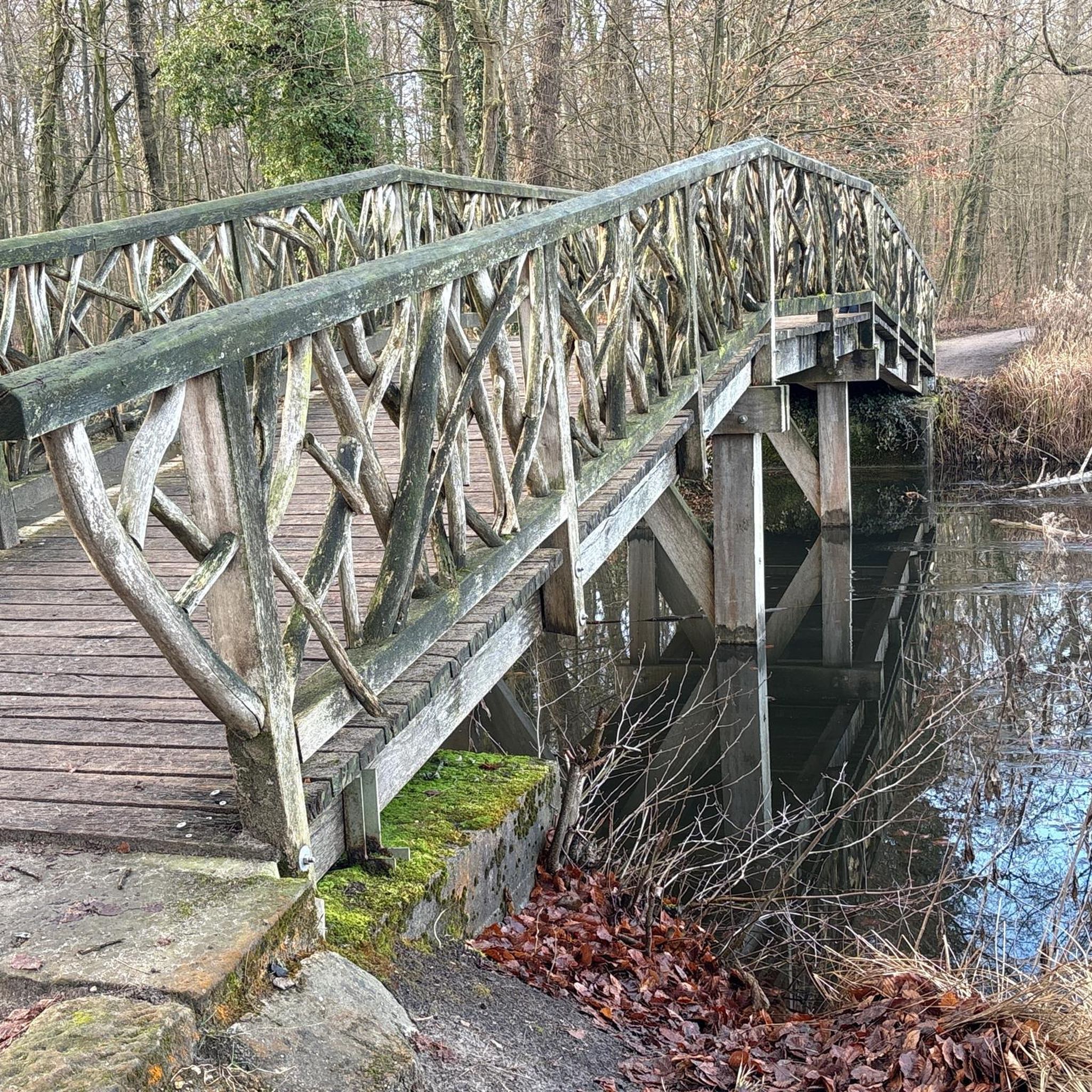
Very pretty site along the Charente and on the Flow Vélo route
0
0

Bourg-Charente castle is a 17th century mansion. Nestled on a rocky promontory, it is located a few kilometers from Cognac. It also houses the remains of a medieval fortress. Acquired in the 20th century, this château houses cellars for producing Grand Marnier. It can be visited from Monday to Friday from 8 a.m. to 5 p.m.
0
0

The ruins of Bouteville Castle were built around the year 1000 on the site of a Roman villa.
3
0
Frequently Asked Questions
How many no-traffic road cycling routes are available around Neuvicq-Le-Château?
There are currently 19 dedicated no-traffic road cycling routes around Neuvicq-Le-Château listed on komoot. These include 9 easy routes and 10 moderate routes, offering options for various skill levels.
What kind of terrain can I expect on these no-traffic road cycling routes?
The region around Neuvicq-Le-Château features a landscape of rolling hills and river valleys, providing varied terrain. You'll encounter both challenging ascents and gentle descents, particularly as you navigate the calcareous spur on which the village is perched. Many routes wind through picturesque vineyards, forests, and fields, offering diverse scenery.
Are there any easy, family-friendly no-traffic road cycling routes?
Yes, there are 9 easy routes available, which are generally suitable for families or those looking for a more relaxed ride. These routes often follow quiet country roads through the verdant valleys and vineyards, ensuring a peaceful experience away from heavy traffic.
What are some notable landmarks or points of interest I might see along these routes?
Many routes offer views of the historic Château de Neuvicq-Le-Château, a majestic 15th-century monument. You'll also cycle through charming small villages steeped in Romanesque art and extensive vineyards, particularly those producing Pineau and Cognac. The region's natural beauty, including river valleys and forests, provides scenic backdrops.
When is the best time of year to go road cycling in Neuvicq-Le-Château?
The spring and autumn months generally offer the most pleasant conditions for road cycling in Neuvicq-Le-Château, with mild temperatures and beautiful scenery. Summer can be warm, but early mornings or late afternoons are still enjoyable. The quiet country roads are accessible year-round, though winter rides may require appropriate gear for cooler weather.
Are there any circular no-traffic road cycling routes available?
Yes, many of the routes are designed as loops, allowing you to start and finish in the same location. For example, the Bourg-Charente – Bourg-Charente Castle loop from Sigogne is a longer circular option, while the Roadbike loop from Gourvillette offers an easy, shorter circuit.
Where can I park my car when starting a no-traffic road cycling route?
While specific parking details vary by route, you can generally find parking in the villages where routes begin or pass through, such as Neuvicq-Le-Château itself, or nearby towns like Rouillac or Gourvillette. Look for public parking areas or designated spaces near local amenities.
What are some of the longer no-traffic road cycling routes for experienced cyclists?
For those seeking longer rides, the Bourg-Charente – Bourg-Charente Castle loop from Sigogne covers over 83 km with significant elevation gain. Another moderate option is the View of Saint-Simeux – Vibrac Bridge loop from Macqueville, which is over 72 km and offers varied terrain.
Can I find cafes or amenities along these no-traffic road cycling routes?
As the routes often pass through charming villages, you will find opportunities to stop for refreshments. Many villages in the Charente-Maritime region, including Neuvicq-Le-Château and its surroundings, have small cafes, bakeries, or local shops where you can refuel during your ride.
What do other road cyclists enjoy most about cycling in Neuvicq-Le-Château?
The komoot community rates the no-traffic road cycling routes around Neuvicq-Le-Château highly, with an average score of 3.3 stars. Reviewers often praise the tranquility of the quiet country roads, the scenic beauty of the vineyards and rolling hills, and the charm of the historic villages encountered along the way.
Are there any routes that offer particularly good viewpoints?
Given the region's undulating landscape and the fact that Neuvicq-Le-Château is perched on a calcareous spur, many routes provide rewarding views. The View of Saint-Simeux – Vibrac Bridge loop from Macqueville, for instance, suggests scenic vistas. Cycling through the higher points of the rolling hills and near the château will often offer panoramic outlooks over the surrounding vineyards and valleys.

Get inspired with the komoot mobile app


Explore more
Browse the best Road cycling routes in other regions.
