The best traffic-free bike rides around Saint-Marc-La-Lande
4.6
(10)
459
riders
19
rides
No traffic road cycling routes around Saint-Marc-La-Lande traverse a tranquil rural landscape within the Deux-Sèvres department of western France. The region is characterized by the Bocage des Antonins Regional Nature Reserve, featuring wetlands, meadows, and ancient hedgerows. This mosaic of habitats provides a varied backdrop for road cyclists, with winding roads likely passing through green pastures. The terrain includes gentle inclines and descents, with elevations ranging from 120 to 217 meters.
Best no traffic road cycling routes around Saint-Marc-La-Lande
- The…
Last updated: July 4, 2026
9
riders
37.0km
02:20
400m
400m
Moderate road ride. Good fitness required. Some segments of this route may be unpaved and difficult to ride.
4
riders
25.6km
01:19
260m
260m
Easy road ride. Great for any fitness level. Mostly well-paved surfaces and easy to ride.

Sign up for free
4
riders
Moderate road ride. Good fitness required. Mostly well-paved surfaces and easy to ride.
4
riders
24.3km
01:15
230m
230m
Easy road ride. Great for any fitness level. Mostly well-paved surfaces and easy to ride.
3
riders
32.9km
01:54
400m
400m
Moderate road ride. Good fitness required. Mostly well-paved surfaces and easy to ride.
Get access to more routes and recommendations from other explorers.
Sign up for free
Already have an account?
Our route recommendations are based on thousands of hikes, rides, and runs completed by other people on komoot.
Start today with a free account
Your next adventure awaits.
Login or Signup
Popular around Saint-Marc-La-Lande
Tips from the Community

The Saint-Pardoux Church is an emblematic Romanesque building in the Dordogne region, particularly in Saint-Pardoux-et-Vielvic, and has been listed as a Historic Monument since 1925. Built in the 12th century, it retains its single barrel-vaulted nave and a choir with a semicircular apse. A major renovation carried out in the 17th-18th centuries redefined its western façade and added a bell tower arcade. 🏛️ Architecture and Heritage Plan and structure: a single nave preceded by a Romanesque choir, with a pointed barrel vault and triumphal arch resting on 13th-century engaged columns. Decoration: vegetal capitals and archivolts adorned with geometric motifs (chevrons, triangles, rays), typical of Auvergne Romanesque art. Bell tower: bell tower arcade or pediment, rebuilt in the 17th-18th centuries, typical of the Périgord region. ⛪ History Founded in the 12th century, the church was remodeled in the 13th century with the addition of side chapels and ribbed vaults. Its atypical structure—not oriented toward the east—reflects of a plan adapted to the terrain and the needs of the community
1
0
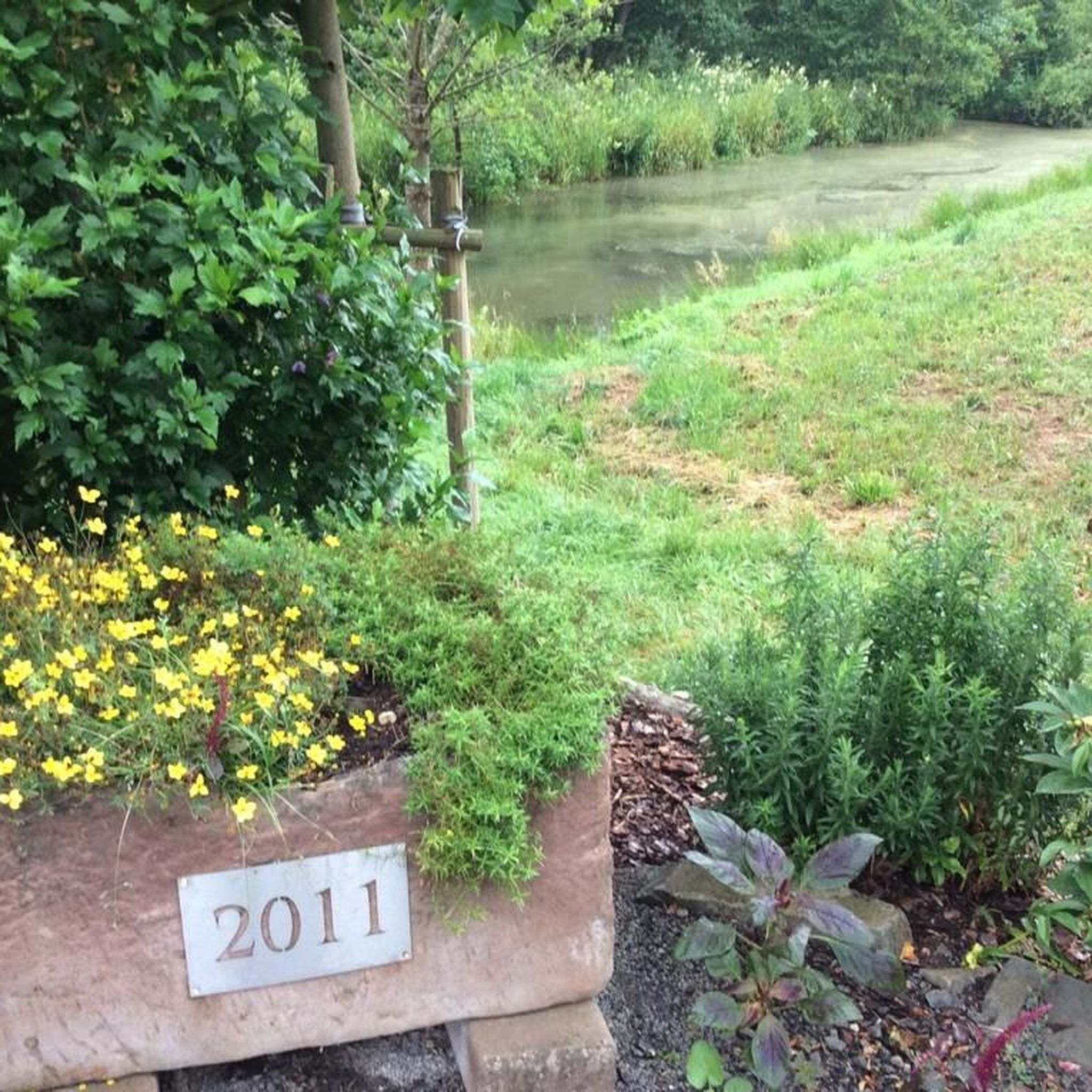
The Thouet, a peaceful river in western France (142 km), crosses several departments before flowing into the Loire. Its name, of Gallic origin, evokes "tranquility." Why stroll along the Thouet? Bucolic walks The landscaped banks around Parthenay offer a green and peaceful path, popular for walking or cycling. The "Along the Thouet" route (approximately 5–6 km) is classified as easy, punctuated by picnic tables, pétanque courts, and recreational areas.
1
0
Things to See & Do Ramparts: With approximately 30 semicircular towers, the granite walls symbolize medieval urban robustness. Ruined Castle: All that remains of the castle is a round tower (perhaps the keep) and sections of walls restored since the 1980s. Panoramic Walk: The rampart path offers splendid views of the Thouet Valley and the Saint-Paul district.
1
0
History & Architecture Medieval Construction: Built in the early 13th century under the aegis of John Lackland, the citadel rests on a natural promontory reinforced by three defensive walls, towers, and ramparts. Castle and Bastion: Its original, isolated castle included towers such as the Powder Tower and the Harcourt Tower. In the 15th century, Arthur de Richemont added the bastille and an artillery boulevard. Citadel Gate (or Clock Gate): The gatehouse is flanked by two almond-shaped towers and topped with a clock tower. A granite staircase provides access to the guardroom and the patrol path.
1
0
The citadel of Parthenay, nicknamed the "little Carcassonne of the West", is one of the city's heritage jewels, perched on a rocky spur overlooking the bend of the Thouet River.
1
0

Better equipped than many campsites! The restrooms are super clean, and they even provide toilet paper and soap. The shower costs €1 (coin-operated) and runs for 8 minutes. Bike washing (including cleaner) is free. There's also a garage for bike parking, which you can lock if you have a lock with you. We loved it!
0
1

Idyllic stroll on the banks of the Thouet, just outside Parthenay. Following the river, you arrive at the leisure center, which has a lake, walking paths, picnic tables, pétanque courts and a sports course. Don't hesitate to stop in the medieval city, where you'll find plenty of options for food and accommodation.
2
0

Along the Thouet to Parthenay is an ideal route for nature and heritage lovers. You can admire the green landscapes of the Thouet valley, dotted with mills, bridges and Romanesque churches as far as the medieval town of Parthenay, with this plan, its gates and its castle.
3
0
Frequently Asked Questions
How many no-traffic road cycling routes are available around Saint-Marc-La-Lande?
There are over 20 routes in the Saint-Marc-La-Lande area specifically designed for road cycling with minimal traffic. These routes offer a range of distances and elevations to suit different preferences.
What are the difficulty levels of the no-traffic road cycling routes in this region?
The routes around Saint-Marc-La-Lande cater to various skill levels. You'll find 6 easy routes, 13 moderate routes, and 1 difficult route, ensuring there's something for everyone from beginners to experienced cyclists.
What kind of landscapes can I expect on these quiet road cycling routes?
The routes traverse the serene and ecologically rich Bocage des Antonins Regional Nature Reserve. You can expect diverse landscapes featuring wetlands, meadows, ancient multi-century hedges, and evolving woodlands, providing a picturesque and tranquil backdrop for your ride.
Are there any notable landmarks or attractions along the no-traffic cycling routes?
Yes, you can encounter historical and natural points of interest. For example, the route Cherveux lake – Cherveux Castle loop from Augé passes by Cherveux Lake and Cherveux Castle. The historical Commanderie des Antonins, a former hospice dating back to around 1260, is also a significant cultural attraction within Saint-Marc-La-Lande itself, often accessible from various routes.
What is the best time of year for road cycling in Saint-Marc-La-Lande?
The region is generally pleasant for cycling from spring through autumn. Spring offers lush greenery and blooming landscapes, while autumn provides comfortable temperatures and beautiful fall colors. Summer is also suitable, though it's advisable to cycle during cooler parts of the day.
Are there any family-friendly no-traffic road cycling options?
Yes, several routes are suitable for families. For instance, the Saint-Pardoux Church – Saint Pardoux-Soutiers loop from Saint-Pardoux is rated as easy, making it a good choice for a relaxed family outing on quiet roads.
Are there circular road cycling routes available?
Many of the no-traffic road cycling routes around Saint-Marc-La-Lande are designed as loops, allowing you to start and end your ride at the same point. Examples include the Saint Pardoux-Soutiers – View of the Citadel loop from Saint-Pardoux-Soutiers and the Verruyes Lake – Clavé loop from Saint-Georges-de-Noisné.
Where can I find parking for these no-traffic road cycling routes?
Parking is generally available in the villages and towns where these routes begin, such as Saint-Marc-La-Lande itself or nearby starting points like Augé or Saint-Pardoux-Soutiers. Look for designated public parking areas in these communes.
What do other road cyclists enjoy most about cycling in Saint-Marc-La-Lande?
The area is highly rated by the komoot community, with an average score of 4.75 stars. Reviewers often praise the tranquility of the rural roads, the scenic beauty of the bocage landscape, and the low traffic, which makes for a very peaceful cycling experience.
Are there options for longer, more challenging no-traffic road cycling routes?
Yes, for those seeking a longer ride, routes like the Vasles – Village of Sheep – Church of Vausseroux loop from Saint-Pardoux-Soutiers offer a moderate challenge with a distance of over 56 km, allowing you to explore more of the quiet countryside.
Can I find places to eat or stay near the cycling routes?
While Saint-Marc-La-Lande is a small commune, the broader Deux-Sèvres region offers various accommodation and dining options. You'll find local restaurants and cafes in larger nearby towns, and guesthouses or hotels in the surrounding area, perfect for refueling or an overnight stay.
Most popular routes around Saint-Marc-La-Lande

Get inspired with the komoot mobile app


Explore more
Browse the best Road cycling routes in other regions.
