The best traffic-free bike rides around Bucy-Le-Roi
4.7
(7)
61
riders
4
rides
No traffic touring cycling routes around Bucy-Le-Roi are situated in the Beauce region, just north of the Forêt d'Orléans in the Loiret department of France. The terrain is characterized by vast agricultural plains, offering expansive views and generally flat or gently rolling gradients ideal for touring. To the south, the Forêt d'Orléans provides shaded routes through dense woodlands, contrasting with the open fields. The region is also influenced by the Loire River and its canals, which offer picturesque waterways and…
Last updated: July 4, 2026
5.0
(1)
20
riders
Hard bike ride. Good fitness required. You may need to push your bike for some segments of this route.
11
riders
30.4km
02:38
50m
50m
Hard bike ride. Good fitness required. You may need to push your bike for some segments of this route.

Sign up for free
5
riders
12.8km
00:44
30m
30m
Easy bike ride. Great for any fitness level. Mostly paved surfaces. Suitable for all skill levels.
4.5
(2)
4
riders
18.9km
01:04
50m
40m
Easy bike ride. Great for any fitness level. Mostly paved surfaces. Suitable for all skill levels.
3
riders
47.5km
02:42
100m
100m
Moderate bike ride. Good fitness required. Mostly paved surfaces. Suitable for all skill levels.
Our route recommendations are based on thousands of hikes, rides, and runs completed by other people on komoot.
Start today with a free account
Your next adventure awaits.
Login or Signup
Popular around Bucy-Le-Roi
Tips from the Community

I am a regular fisherman of the Rué pond, As a reminder the pond is classified Natura 2000, bicycles are prohibited around the pond and dogs must be kept on a leash. The regulations are available at the town hall of Mardié or from the association of the pike of Donnery which manages this pond.
1
0

beautiful castle to discover
0
0
Still as majestic, a beautiful castle.
1
0

The Moulin de Lignerolles is one of the last pivotal windmills in the Loiret department. Built in 1848, this wooden mill belonged to Louis-Joseph Soulas, famous painter and director of the Orléans School of Fine Arts. You can admire the restored mill and its ingenious mechanism, as well as the panoramic view of the plain. The mill is open to the public on Sundays from 2:30 p.m. to 6 p.m., and also hosts various events throughout the year, such as a flea market, concerts and exhibitions. Visiting the Moulin de Lignerolles is an excellent way to discover the heritage and charm of the Beauceron countryside.
1
0

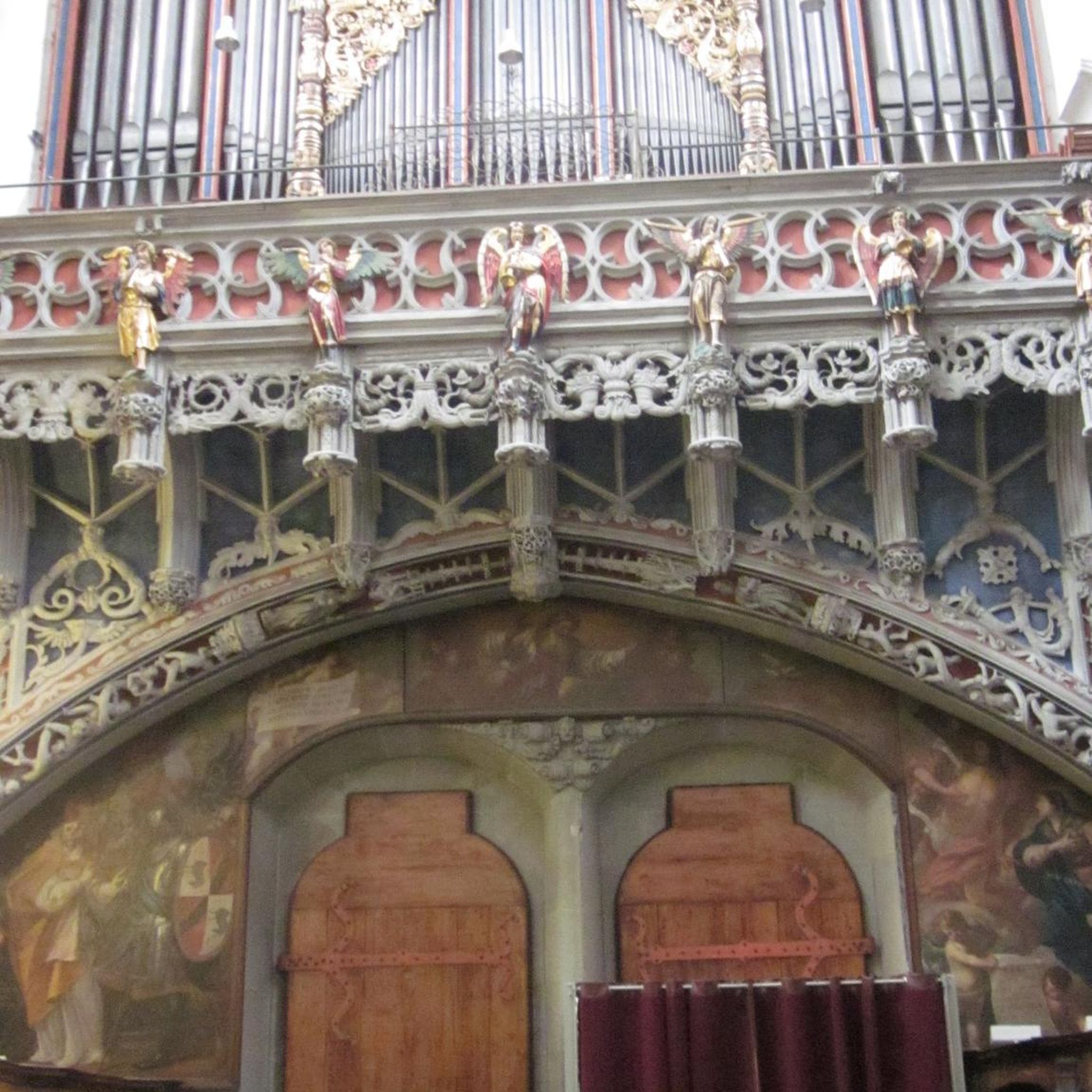
The Saint André church (13th-15th-16th centuries) In the 7th century, the Benedictine abbey of Bonneval created a priory-curate. Its existence is confirmed by a bull from Pope Gregory second half of the 16th century. In 1793 the church was desecrated and transformed into wine and spirits warehouses. In 1801, the church was returned to worship and changed diocese: from the diocese of Chartres, to which it belonged before the Revolution, it passed to the diocese of Orléans, notably for reasons of distance: Chartres is 48 km from Patay then that Orléans is only 27 km away. The church is 30 m long and 17 m wide. The oldest parts are located near the large porch (13th century). One of the pillars of the nave is decorated with a vestige of Danse Macabre from the mid-15th century. A small masonry door on the right communicated with the old priory, of which ruins remain to the south of the church. The choir dates from the 14th century; the apse wall was decorated with paintings at the end of the 19th century, the chapels were then redeveloped and equipped with new stained glass windows. The keystones of the large nave were made from casts taken from the figurines which adorn the Thesis Room of the University of Orléans, built in 1411. The bell tower, located to the north of the choir, would be an old watchtower. Its pinnacles and eight openings were made after the Wars of Religion. The four bells were melted in 1868. The largest was cracked by a Prussian shell in 1870 and was recast in 1871. Since that year, Ernestine (809 kg, 1 m 12 in diameter at the base, sounding the F), Gabrielle (550 kg, 0.981 m in diameter, sounding the ground), Anne (398 kg, 0.573 m in diameter) and Marie (222 kg, 0.724 m in diameter, sounding the C) give rhythm to the daily life of the small town of Patay, old Beauceron railway junction. On August 15, 1944, an ammunition train was blown up at Patay station. The station was blown up, except for the carriage shed, and all the windows in the town were shattered. Luckily, a providential storm limited the damage. The only two stained glass windows that survived the explosion are those on the right side aisle which date from 1930 and relate the communion of Joan of Arc in the Patay church in 1429. The church was listed as a Historic Monument in 1925 by decree of October 6, 1925.
0
0
The Moulin de Lignerolles is one of the last pivotal windmills in the Loiret department. Built in 1848, this wooden mill belonged to Louis-Joseph Soulas, famous painter and director of the Orléans School of Fine Arts. You can admire the restored mill and its ingenious mechanism, as well as the panoramic view of the plain. The mill is open to the public on Sundays from 2:30 p.m. to 6 p.m., and also hosts various events throughout the year, such as a flea market, concerts and exhibitions. Visiting the Moulin de Lignerolles is an excellent way to discover the heritage and charm of the Beauceron countryside.
2
0
If you are looking for a peaceful and picturesque hike, you can visit the Étang du bois de Charbonnière, a pond located in the grounds of the Château de Charbonnière. The pond is fed by the Ruet stream, a tributary of the Bionne river. The territory has been shaped by monks and successive owners who have dug numerous watercourses to drain the land since the Middle Ages. You can enjoy the rich biodiversity of the pond and its surroundings, which includes amphibious plants, such as the Gratiole officinalis (Gratiola officinalis), a protected species.
3
0
In the heart of the Orléans forest is the Château de Charbonnière. This castle belongs to the city of Orléans and dates from the 16th century. You can admire its imposing facade and one of its four elegant turrets, as well as a bread oven in front of the building. The castle can be rented for various events, but you can also enjoy its vast 150-hectare park, where you can run, walk, cycle or picnic. The castle is open every day from 7:00 a.m. to 8:00 p.m.
4
1
Frequently Asked Questions
How many no-traffic touring cycling routes are available around Bucy-Le-Roi?
There are 4 dedicated no-traffic touring cycling routes around Bucy-Le-Roi listed in this guide. These routes offer a variety of distances and difficulties, ensuring a pleasant experience away from vehicle traffic.
Are there any easy no-traffic cycling routes suitable for beginners or families?
Yes, the region offers several easy routes perfect for beginners or family outings. For example, the Marshes loop from Neuville-aux-Bois is an easy option covering about 13 km. Another accessible choice is La Générale loop from Gidy, which is around 18 km long and also rated easy.
What kind of terrain can I expect on these no-traffic cycling routes?
The terrain around Bucy-Le-Roi, particularly in the Beauce plains, is generally flat or gently rolling, making for enjoyable and less strenuous cycling. You'll find expansive views across agricultural landscapes. Routes closer to the Forêt d'Orléans might offer more shaded paths and a slightly different environment.
What are some natural features or points of interest I can see along the routes?
While cycling, you can experience the tranquility of the Beauce plains and the contrasting environment of the Forêt d'Orléans. The region is also characterized by the Loire River and its canals, offering unique flora and fauna. Keep an eye out for local architectural heritage like the Saint-Victor church in Bucy-Le-Roi or the picturesque village of Yevre-le-Chatel, which is recognized as one of France's 'Most Beautiful Villages'.
Are there any circular no-traffic cycling routes available?
Yes, all the no-traffic touring cycling routes featured in this guide are circular, allowing you to start and end your journey at the same point. This includes routes like the Château de la Ferté-Vidame – Château de Charbonnière loop from Bougy-lez-Neuville and the Étang de la Retrêve – Mare aux Tanches loop from Chevilly.
What is the best time of year to go touring cycling in Bucy-Le-Roi?
The Centre-Loire Valley region, including Bucy-Le-Roi, is generally pleasant for cycling from spring through early autumn. Spring offers blooming landscapes, while autumn provides comfortable temperatures and beautiful foliage. Summer can be warm, but routes through the Forêt d'Orléans offer welcome shade.
Where can I park my car when starting a no-traffic cycling tour?
While specific parking details for each route's starting point are best checked on the individual komoot tour page, generally, villages and towns like Neuville-aux-Bois, Chevilly, or Gidy, which serve as starting points for these routes, offer public parking facilities. Look for designated parking areas within these communities.
Can I access these cycling routes using public transport?
The Loiret department has a public transport network, but direct access to specific route starting points by public transport might vary. For detailed information on bus or train connections to towns near the route starts, it's advisable to consult local public transport schedules or the official tourism website for the Loiret department: tourismeloiret.com.
What do other touring cyclists enjoy most about cycling in Bucy-Le-Roi?
The area is highly rated by the komoot community, with an average score of 4.75 stars. Reviewers often praise the quiet, low-traffic roads and greenways, the expansive views of the Beauce plains, and the opportunity to explore the diverse landscapes of the Loiret department, including sections of the renowned La Loire à Vélo.
Are there any longer, more challenging no-traffic routes for experienced cyclists?
Yes, for those seeking a longer challenge, routes like the Château de la Ferté-Vidame – Château de Charbonnière loop from Bougy-lez-Neuville, at nearly 48 km, offer a more demanding experience. Another option is the Étang de la Retrêve – Mare aux Tanches loop from Chevilly, which is over 30 km long and rated difficult.
Are there places to eat or stay along the no-traffic cycling routes?
The routes pass through or near several charming villages and towns in the Loiret department. These communities typically offer local amenities such as bakeries, small cafes, and restaurants where you can refuel. For accommodation, you'll find options ranging from guesthouses to hotels in the larger towns nearby. It's recommended to check ahead for specific opening times, especially in smaller villages.

Get inspired with the komoot mobile app


Explore more
Browse the best Cycling routes in other regions.
