The best traffic-free bike rides around Rocquemont
3.5
(2)
20
riders
4
rides
Gravel biking around Rocquemont offers routes through the diverse landscapes of the Pays de Bray, characterized by its forestry and farming terrain. The region features rolling green hills and agricultural lands, providing scenic paths for cyclists. Lush forests, such as those in the Pays de Bray, offer shaded routes with a mix of paved and unpaved surfaces. River valleys within the broader Seine-Maritime department contribute to varied cycling experiences.
Best no traffic gravel bike trails around Rocquemont
- The most popular…
Last updated: July 3, 2026
3.5
(2)
10
riders
61.5km
04:58
450m
450m
Hard gravel ride. Very good fitness required. You may need to push your bike for some segments of this route.
3
riders
64.7km
04:20
670m
670m
Hard gravel ride. Very good fitness required. You may need to push your bike for some segments of this route.

Sign up for free
5
riders
44.4km
02:31
150m
150m
Moderate gravel ride. Good fitness required. Mostly paved surfaces. Suitable for all skill levels.
2
riders
32.9km
01:56
200m
200m
Moderate gravel ride. Good fitness required. Mostly paved surfaces. Suitable for all skill levels.
Our route recommendations are based on thousands of hikes, rides, and runs completed by other people on komoot.
Start today with a free account
Your next adventure awaits.
Login or Signup
Popular around Rocquemont
Tips from the Community

In the heart of the Compiègne forest, the Armistice Glade marks the place where the armistice was signed on November 11, 1918, and then that of June 22, 1940. The site today includes the memorial with the “Armistice Wagon” (recreated car), the statue of Marshal Foch and the Alsace-Lorraine monument.
0
0


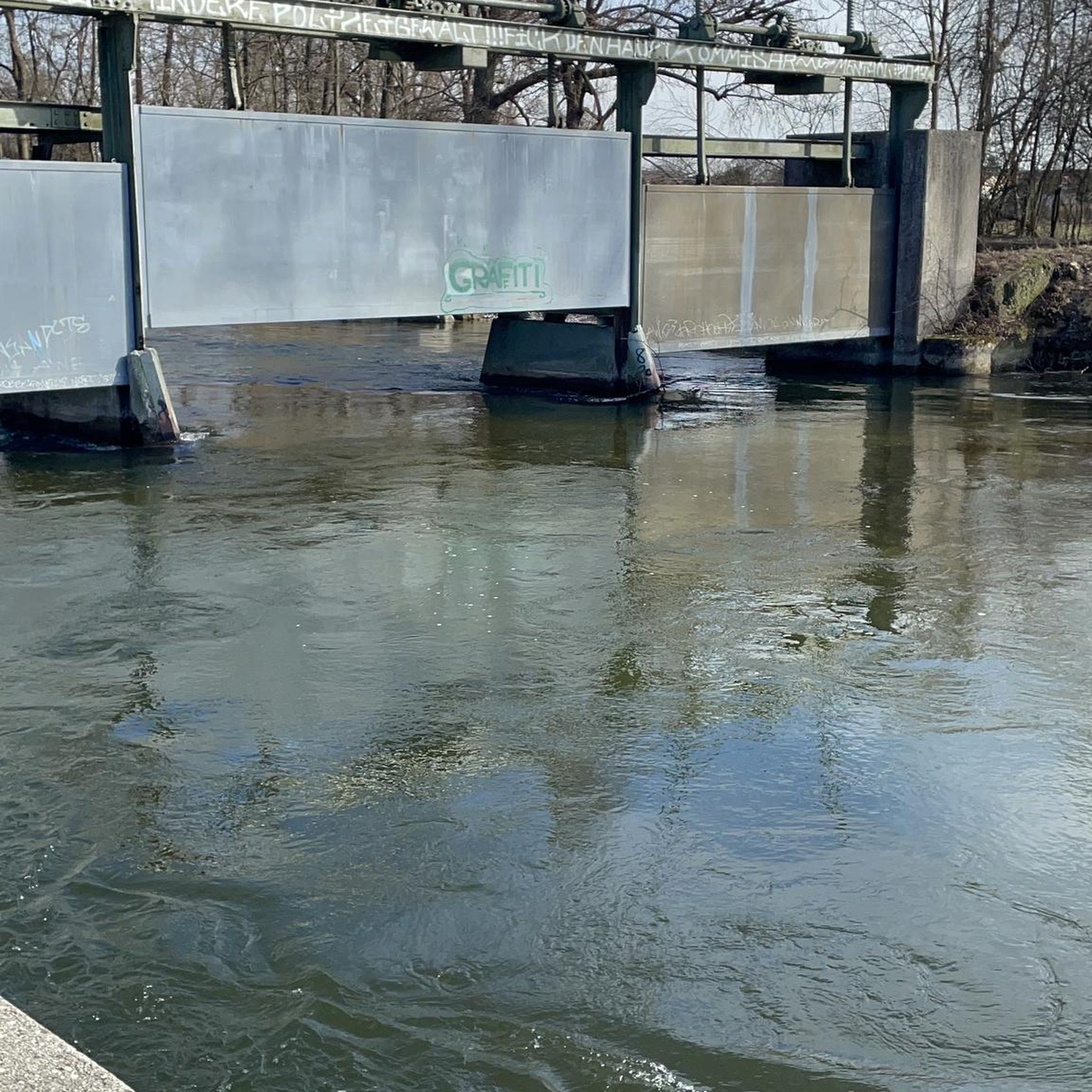
One of the largest bridges in the city of Compiègne owes its construction to Louis XV. An obelisk was erected in the center of the bridge during its reconstruction in 1949.
2
0
The square itself houses a statue of Joan of Arc, a tribute to the city's historical connection to this iconic figure. The Town Hall, with its rich history and stunning architecture, continues to captivate visitors, offering a glimpse into the past while remaining a vibrant part of Compiègne's present.
2
0
The architecture of the town hall is a true feast for the eyes. The central structure is dominated by a tall bell tower, flanked by two turrets connected by a decorative railing. This imposing façade, 47 meters high and 24 meters wide, is decorated with striking Gothic elements such as pinnacles and basket arches. The large niche now houses a high relief depicting the equestrian statue of Louis XII. It is an original creation from 1869 by the sculptor Henri-Alfred Jacquemart in the realistic style so prevalent at the time. However, contrary to the usual appearance of equestrian statues during the reign of Louis XII, Henri-Alfred Jacquemart chose not to build a horse walking "à l'amble," that is, with both straight legs raised simultaneously. On October 12, 1530, a clock was placed on the summit of the bell tower. From that time on, every quarter of an hour, she animated three wooden jaquemarts with bell hammers. The Compiègneis quickly gave them three nicknames corresponding to the enemies of the time: Langlois for the English, Flandrin for the Flemish, and Lansquenet for the Germans. Even today, they chant the life of the city by "punching the time," that is, by striking their hammer to strike the hours.
2
0

A village of character located in the heart of the forest, which offers a pleasant and exotic stopover on several tours crossing the Compiègne forest.
0
0

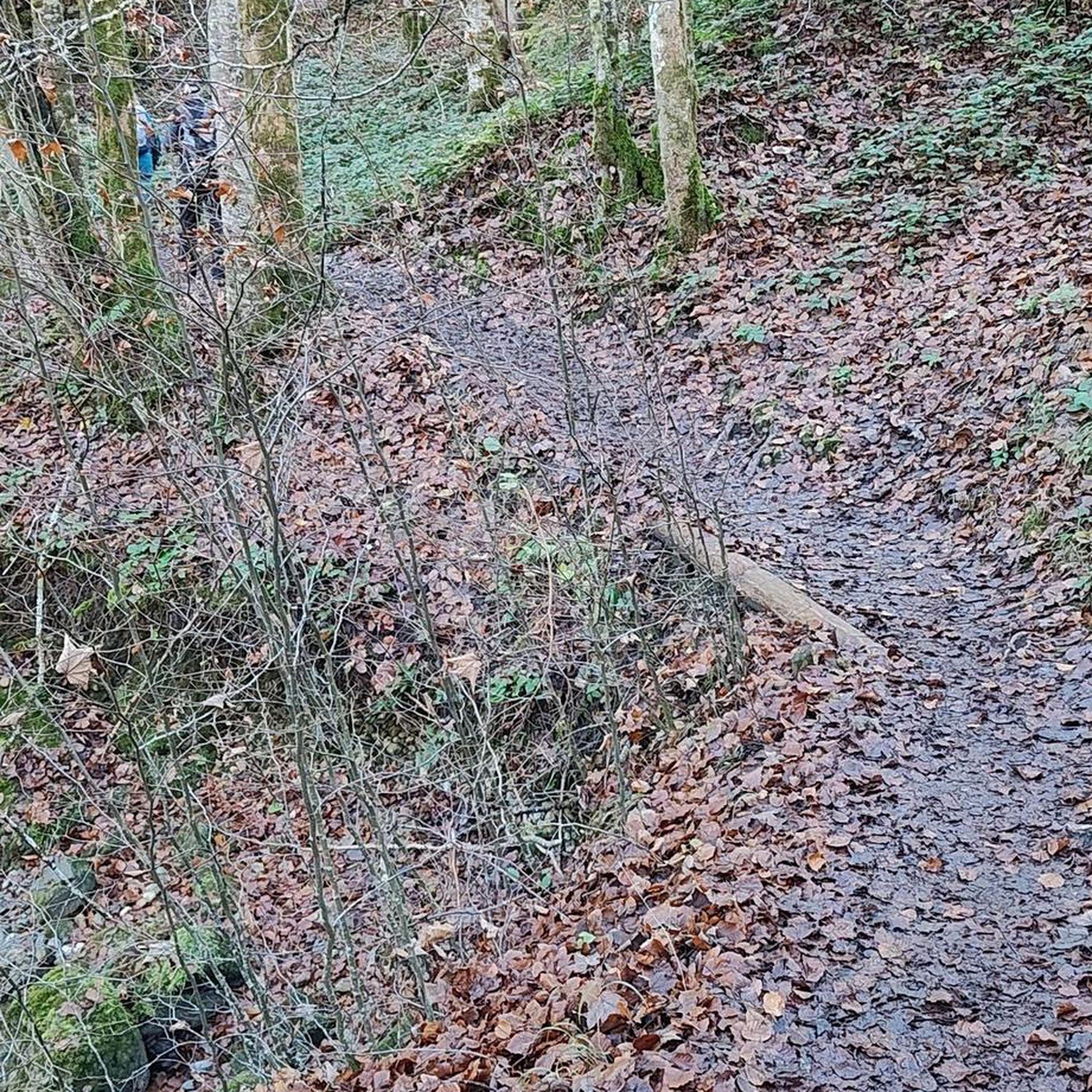
Gravel course, excellent condition required
0
0
Frequently Asked Questions
How many no-traffic gravel bike trails are available around Rocquemont?
There are 4 dedicated no-traffic gravel bike trails available around Rocquemont, offering a mix of moderate and difficult routes through the scenic landscapes of Seine-Maritime.
What kind of terrain can I expect on gravel bike trails near Rocquemont?
The gravel bike trails around Rocquemont traverse the diverse landscapes of the Pays de Bray, characterized by rolling green hills, agricultural fields, and lush forests. You'll encounter a mix of paved and unpaved surfaces, including farm tracks and forest paths, providing varied and engaging riding experiences.
Are there any family-friendly no-traffic gravel routes in the Rocquemont area?
While the listed routes are generally moderate to difficult, the region's extensive cycling network, including sections of the "Véloroute du Lin" and "Avenue Verte London-Paris®", often features easier, traffic-free paths suitable for families. For a moderate option, consider the Compiègne Town Hall – On the banks of the Oise loop from Saint-Sauveur, which offers a 44.8 km ride.
What are some interesting historical sites or landmarks I can see along the gravel trails?
Many routes in the region pass by historical points of interest. For example, the Champlieu Roman Ruins – Douye Castle loop from Béthisy-Saint-Pierre takes you past significant sites like The Gallo-Roman ruins of Champlieu and Douye Castle. You might also encounter charming churches such as Gallo-Roman Church of Champlieu and Pondron Church.
What is the best time of year for gravel biking in Rocquemont?
The Seine-Maritime region, including Rocquemont, is enjoyable for gravel biking from spring through autumn. Spring brings blooming landscapes, while autumn offers beautiful foliage. Summer is also pleasant, especially on shaded forest paths. Always check local weather conditions before heading out.
Are there any long-distance no-traffic gravel routes for experienced riders?
Yes, for experienced riders seeking longer, more challenging routes, consider options like Crépy-en-Valois to the Ourcq Canal and the Forest of Retz (over 61 km) or The Retz Forest and the Automne Valley (nearly 65 km). These routes are graded as difficult and offer extensive riding through varied landscapes.
What do other gravel bikers say about the trails in Rocquemont?
The komoot community rates the gravel biking experience in this area highly, with an average score of 3.5 stars. Riders often praise the quiet, natural settings and the opportunity to explore the region's forestry and farming landscapes away from traffic.
Are there options for circular gravel bike routes around Rocquemont?
Many of the routes in the region are designed as loops, allowing you to start and finish at the same point. For example, the Champlieu Roman Ruins – Douye Castle loop from Béthisy-Saint-Pierre is a circular route that offers a great way to explore the area without retracing your steps.
Where can I find parking for gravel bike trails near Rocquemont?
While specific parking spots for each trail are not always listed, Rocquemont and surrounding villages typically offer public parking areas. For routes starting further afield, such as those near Compiègne or Béthisy-Saint-Pierre, you'll find parking facilities in those towns, often near the route's starting point.
Can I find cafes or places to eat near the gravel trails in Rocquemont?
Rocquemont is a rural village, but the broader Seine-Maritime region has charming villages and towns where you can find cafes, bakeries, and restaurants. It's advisable to check local listings for specific establishments along or near your chosen route, especially in larger towns like Compiègne or Rouen if your ride takes you closer to them.
Are there any specific permits required for cycling in the forests or natural areas around Rocquemont?
Generally, no specific permits are required for cycling on designated trails and paths in the public forests and natural areas of Seine-Maritime. However, always respect local signage, private property, and any temporary restrictions that might be in place for forestry work or conservation efforts.
Most popular attractions around Rocquemont

Get inspired with the komoot mobile app


Explore more
Browse the best Gravel rides in other regions.
