The best traffic-free bike rides around Monthault
3.9
(10)
1,218
riders
37
rides
Road cycling around Monthault, a commune in Brittany, France, features an undulating terrain with elevations ranging from 114 to 197 meters, providing varied gradients for cyclists. The region is characterized by its proximity to diverse natural features, including the Forêt de Fougères, the Couesnon river, and numerous ponds. These landscapes offer a mix of forested routes, riverside paths, and scenic country roads suitable for no traffic road cycling routes.
Best no traffic road cycling routes around Monthault
- The most popular…
Last updated: July 3, 2026
70
riders
8.96km
00:28
90m
90m
Easy road ride. Great for any fitness level. Mostly well-paved surfaces and easy to ride.
13
riders
76.6km
03:19
690m
690m
Moderate road ride. Good fitness required. Mostly well-paved surfaces and easy to ride.

Sign up for free
11
riders
5.60km
00:16
60m
60m
Easy road ride. Great for any fitness level. Mostly well-paved surfaces and easy to ride.
12
riders
49.9km
02:23
480m
480m
Moderate road ride. Good fitness required. Mostly well-paved surfaces and easy to ride.
9
riders
Moderate road ride. Good fitness required. Mostly well-paved surfaces and easy to ride.
Get access to more routes and recommendations from other explorers.
Sign up for free
Already have an account?
Our route recommendations are based on thousands of hikes, rides, and runs completed by other people on komoot.
Start today with a free account
Your next adventure awaits.
Login or Signup
Popular around Monthault
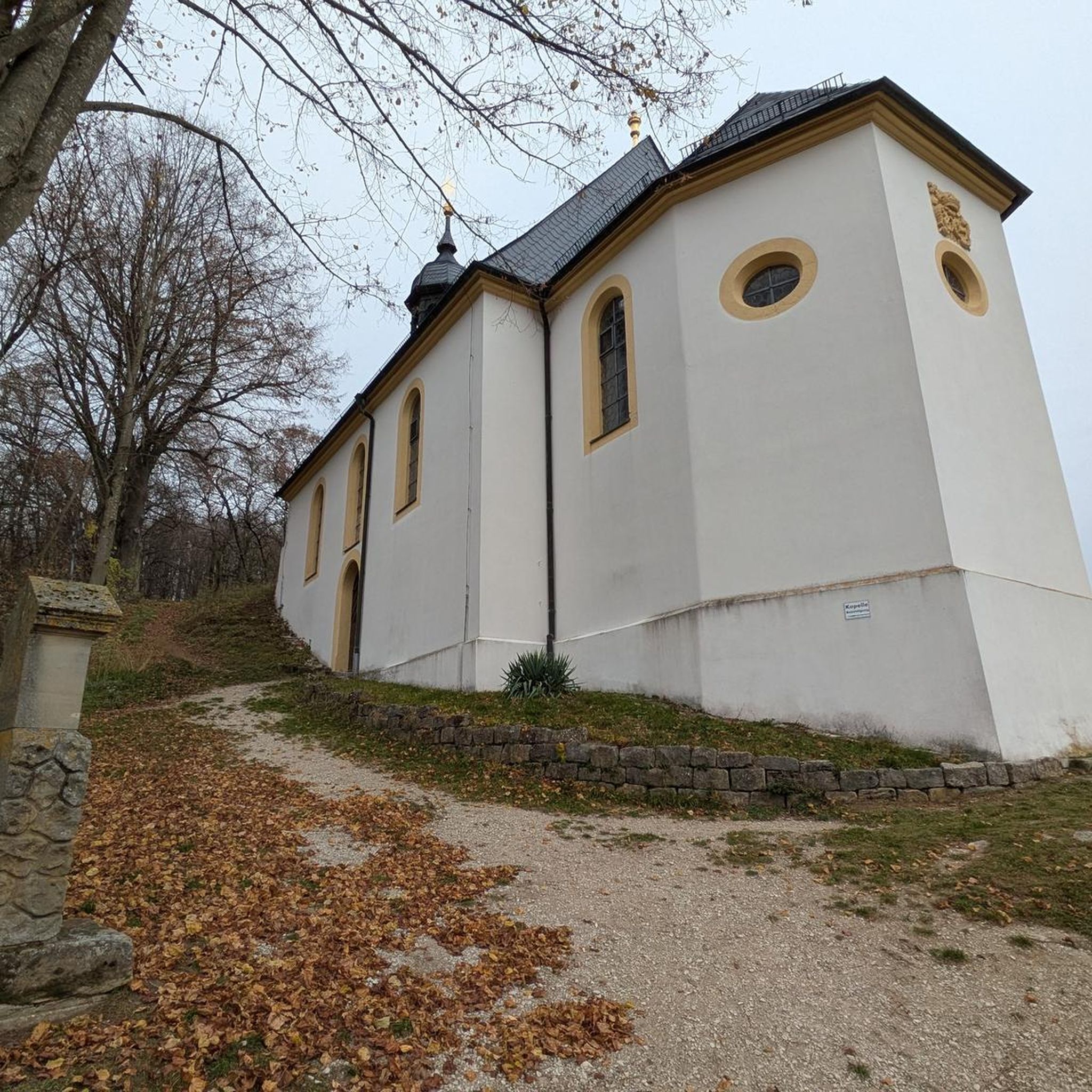

Tips from the Community

The Jardin Public is centrally located in the city and extends over several terraces offering sweeping views of the old town and the Château de Fougères. Created in 1865, the park combines features of an English landscape garden, French garden architecture, and botanical design.
1
0
The Église Saint-Léonard was built in the 12th century and acquired its present form in the flamboyant Gothic style in the 15th and 16th centuries. During the French Revolution, the church was deprived of its sacred function, but in the 19th century, under architects such as Aristide Tourneux, it underwent extensive renovations, including a new main façade with a large rose window. Inside, 19th-century stained-glass windows depicting episodes from the life of Saint Léonard can be seen.
1
0

The largest fortress in Europe, the castle of Fougères stands on a rocky outcrop surrounded by marshland. The first castle of Fougères was built around the turn of the millennium to defend the north-eastern part of the border area of the Duchy of Brittany. Built at the crossroads of important trade routes, this primitive fortress had the main objective of monitoring the powerful neighbors and preventing their raids on Breton lands. To the north, Normandy belonged to the kings of England at the time.
4
1
The church tower can be visited in high season, where you can discover an incredible panorama of Fougères as well as its monuments and the surrounding countryside. Here you will have the opportunity to discover the secret interior of its tower, its impressively large bell and of course... a spectacular 360° view of the city, the castle and the valley!
1
0

In 2007, a “permanent exhibition on cycling” was inaugurated and more particularly on the passages of the tour in the locality and the various cycling events which took place as well as documentation on the former speaker of the Tour de France, Daniel Mangeas, originally from Saint-Martin-de-Landelles
0
0

Louvigné-du-Désert is the capital of granite. There are quarries for extracting blue granite and processing factories.
0
0
The Fougères Public Garden is a public park which develops on three levels following the slope of the land. There is an English garden, a French garden and a botanical garden.
1
0

This garden offers a very beautiful view of the castle
1
0
Frequently Asked Questions
How many no-traffic road cycling routes are available around Monthault?
There are over 30 dedicated no-traffic road cycling routes around Monthault, offering a variety of distances and elevations. Most of these routes are rated as moderate, providing engaging rides for experienced cyclists.
What kind of terrain can I expect on no-traffic road cycling routes near Monthault?
The terrain around Monthault is varied and undulating, with elevations ranging from 114 to 197 meters. This means you can expect a mix of gentle climbs and descents, offering an engaging experience for road cyclists. Routes often pass through forests like the Forêt de Fougères, along rivers such as the Couesnon, and past picturesque ponds.
Are there any easy no-traffic road cycling routes suitable for beginners around Monthault?
Yes, while most routes are moderate, there are a couple of easier options available. These routes typically feature less elevation gain and shorter distances, making them ideal for those new to road cycling or looking for a more relaxed ride.
Can I cycle to Mont-Saint-Michel on a no-traffic route from Monthault?
Mont-Saint-Michel is approximately 28 km from Monthault, making it a feasible and rewarding destination for a day trip by road bike. While a fully traffic-free route directly to Mont-Saint-Michel might involve some shared roads, the region's extensive cycling network and quieter country roads allow for a scenic journey towards this iconic landmark.
What are some notable attractions or viewpoints along the no-traffic road cycling routes?
Many routes offer access to interesting sites. You could cycle past the Forgotten greenway Fougères St Hilaire du Harcouet, visit the Basilica of Pontmain, or enjoy a View of Mont Saint-Michel from Montjoie-Saint-Martin. The Pond at Parc Botanique de Haute-Bretagne is also a beautiful stop.
Are there any circular no-traffic road cycling routes starting from Monthault?
Yes, many of the routes are designed as loops, allowing you to start and finish in the same location. For example, the Fougères Castle – Saint Léonard Church loop from Monthault is a moderate 49.8 km route that begins and ends in Monthault.
What do other road cyclists enjoy most about cycling in Monthault?
The area is highly rated by the komoot community, with an average score of 4 stars. Reviewers often praise the quiet country roads, the varied and scenic landscapes, and the opportunity to explore charming villages and historical sites without heavy traffic.
Are there any routes that pass by the Daniel Mangeas Cycling Museum?
Yes, several routes incorporate the Daniel Mangeas Cycling Museum. For instance, the Daniel Mangeas Cycling Museum – Le Moulin du Pont loop from Monthault is a 66.9 km moderate route that includes this point of interest.
Where can I find parking for these no-traffic road cycling routes in Monthault?
Monthault, being a smaller commune, typically offers accessible public parking in the village center or near local amenities. For routes starting from nearby towns like Saint-Brice-de-Landelles or Louvigné-du-Désert, parking is usually available in designated village car parks, often near churches or town halls.
What is the best time of year for no-traffic road cycling around Monthault?
The spring, summer, and early autumn months (April to October) generally offer the most pleasant conditions for road cycling in Brittany. During these periods, the weather is typically milder, and the natural landscapes are at their most vibrant, making for enjoyable rides.
Can I combine cycling with visits to gardens or other cultural sites?
Absolutely. The region boasts remarkable gardens like the Parc floral de Haute-Bretagne (12km away) and the Jardins de la Pellerine (24km away), which can make for excellent stops during your ride. The historic town of Fougères, with its impressive castle, is also within cycling distance.
Are there any long-distance no-traffic road cycling routes available?
While many routes are moderate in length, you can find longer options such as the Old Town of Mellouen loop from Mellé, which spans over 76 km with significant elevation gain. These longer routes allow for extended exploration of the region's quiet roads and diverse landscapes.
Most popular attractions around Monthault

Get inspired with the komoot mobile app


Explore more
Browse the best Road cycling routes in other regions.
