The best traffic-free bike rides around Saint-Jean-De-Marcel
4.4
(99)
556
riders
47
rides
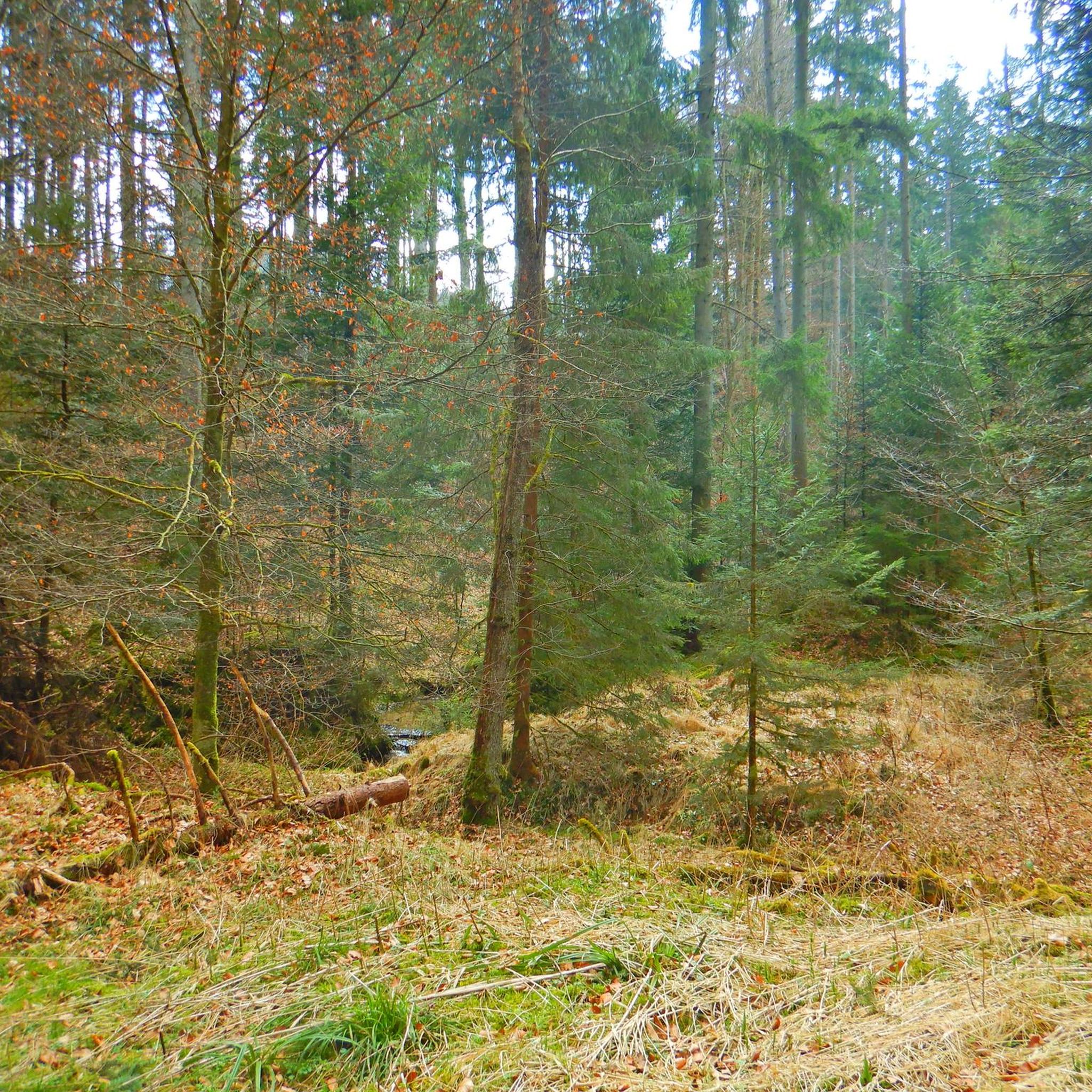
No traffic touring cycling routes around Saint-Jean-De-Marcel traverse a region characterized by rolling countryside, river valleys, and low-lying hills. The commune is situated in the Tarn department, offering diverse terrain suitable for various cycling abilities. The landscape features expansive views over undulating land, with the Cérou river contributing to the area's natural beauty. This environment provides a mix of leisurely rides and more challenging ascents.
Best no traffic touring cycling routes around Saint-Jean-De-Marcel
- The most popular no traffic touring cycling…
Last updated: July 3, 2026
4.8
(14)
124
riders
41.1km
03:01
470m
470m
Hard bike ride. Very good fitness required. Mostly paved surfaces. Suitable for all skill levels.
4.9
(26)
48
riders
42.7km
03:16
460m
460m
Hard bike ride. Very good fitness required. Mostly paved surfaces. Suitable for all skill levels.

Sign up for free
3.0
(1)
26
riders
21.4km
01:54
380m
380m
Hard bike ride. Good fitness required. You may need to push your bike for some segments of this route.
20
riders
29.9km
02:32
480m
480m
Hard bike ride. Very good fitness required. Mostly paved surfaces. Suitable for all skill levels.
5.0
(1)
7
riders
44.8km
02:55
390m
390m
Moderate bike ride. Good fitness required. Mostly paved surfaces. Suitable for all skill levels.
Get access to more routes and recommendations from other explorers.
Sign up for free
Already have an account?
Our route recommendations are based on thousands of hikes, rides, and runs completed by other people on komoot.
Start today with a free account
Your next adventure awaits.
Login or Signup
Popular around Saint-Jean-De-Marcel

Tips from the Community

Coming to Albi without making a detour to the Sainte-Cécile cathedral is not possible. This religious building in red brick will amaze you as it is so imposing. For my part, it reminds me of an immense stone vessel. Faced with such majesty, you will understand why it has been classified with the episcopal city of Albi since July 31, 2010 on the UNESCO World Heritage List. The first cathedral dates back to the 4th century, but it was during the 13th century that it was profoundly modified by major works. Under the aegis of Sainte-Cécile, patron saint of musicians, take the time to visit this marvel. It is the most visited cathedral in France ahead of Notre-Dame de Paris.
0
0

Very pretty, quiet and well-shaded greenway!
0
0

Saint CECILE, to whom the cathedral in Albi was dedicated, is, among the large circle of saints, primarily responsible for good sound - if one can put it so casually at this point - because she is the patron saint of church music. Many religious choirs are named after her. The dates of her life from the corresponding saint's legend are not historically certain, but she is said to be a martyr from the beginning of the third century. The patron saint's feast day, i.e. her memorial day in the calendar of saints, is on November 22nd in all major Christian denominations.
3
0

The palace, with its courtyard of honour and two towers, is still very well preserved. Built in the 13th century, the palace now houses the Toulouse-Lautrec Museum, which displays a large number of works by the famous artist, who was born in Albi: paintings from his youth, portraits, paintings of brothels, sketches of the world of the spectacle.
3
0
The Sainte-Cécile Cathedral is a jewel of Gothic architecture in the south of France. It is the largest brick church in the world. It is also the largest church in Europe whose walls are still completely painted.
4
0

Blaye d'Albigeois, which became Blaye-les-Mines in 1934, was a mining town until 1997. It is in a crater 1 kilometer in diameter and 200 meters deep that the leisure and nautical base was built. of Cap'Découverte in 2001.
0
0

The Palais de la Berbie is a former bishop's palace in Albi in southern France. The intricate donjon dates back to the High Middle Ages and has been rebuilt several times. Leaning against the donjon are buildings from the 15th to 17th centuries. Today the building houses the Musée Toulouse-Lautrec. The palace is UNESCO World Heritage.
1
0
The Roman Catholic Saint Cecilia Cathedral in Albi (French Cathédrale Sainte-Cécile d'Albi) is the cathedral of the French Archdiocese of Albi. The patroness of the cathedral is Saint Cecilia. Contrary to what www.tourisme-tarn.com says, it is not the largest brick church in the world. The largest is the Basilica of San Petronio in Bologna and the St. Mary's Church in Gdańsk and the Church of Our Lady in Munich are also larger - about the same size. In 1282, construction of a cathedral began on behalf of Bishop Bernard de Castanet. It was mostly completed in 1383. However, construction work was not completed until 1492. Still under the influence of the Albigensian Wars, the cathedral was built like a fortress and looks like a fortified church. The walls are up to six meters thick. The cathedral was built in the Gothic style, but not in natural stone like most Gothic cathedrals, but as a brick building. It is probably the most prominent example of Gothique Toulousien, the southern French brick Gothic. Despite its size, the interior consists of just a single nave and a ring of chapels. Their partitions form an internal buttress. The two brick churches in Munich and Gdansk that have already been mentioned as a size comparison, although they have three naves and are much younger, also have this method of absorbing the side thrust of the vault. The bell tower was built between 1355 and 1366. The floor plan of the tower is square with rounded corners in the lower, older part. The newer, octagonal upper part dates from 1485 to 1492. There are white stone gargoyles all around the roof.
3
0
Frequently Asked Questions
How many traffic-free touring cycling routes are available around Saint-Jean-De-Marcel?
There are over 40 dedicated traffic-free touring cycling routes around Saint-Jean-De-Marcel. These routes offer a variety of experiences, with 2 easy, 16 moderate, and 23 difficult options to choose from, catering to different skill levels.
Are there any easy, traffic-free touring cycling routes suitable for beginners?
Yes, there are a few easy, traffic-free touring cycling routes perfect for beginners. These routes typically feature gentler terrain and shorter distances, allowing for a relaxed introduction to cycling in the region. Look for routes with a 'moderate' difficulty rating for a slightly longer but still manageable experience, such as the Trail Center – Descent – Greenway loop from Carmaux, which covers about 39 km with moderate elevation.
What kind of landscapes can I expect on these no-traffic cycling routes?
The no-traffic cycling routes around Saint-Jean-De-Marcel traverse a diverse landscape of rolling countryside, serene river valleys, and gentle low-lying hills. You'll enjoy expansive views over the undulating terrain, often following the Cérou river, and pass through charming rural settings characteristic of the Tarn department.
Are there any circular traffic-free touring routes?
Yes, many of the traffic-free touring routes around Saint-Jean-De-Marcel are designed as circular loops, allowing you to start and finish at the same point. For example, the Greenway – View of the Tarn loop from Carmaux is a circular route covering approximately 45 km, offering scenic views and a moderate challenge.
What attractions or landmarks can I see along the traffic-free touring cycling routes?
Many routes offer opportunities to explore local attractions. For instance, you could cycle towards the historic Medieval Village of Monestiés, a 'Most Beautiful Village of France' located about 12 km away. The Cap Découverte - Titans Park is also accessible via routes like the Cap Découverte loop from Carmaux, offering a unique landscape and recreational activities.
What is the best time of year for traffic-free bike touring in Saint-Jean-De-Marcel?
The best time for traffic-free bike touring in Saint-Jean-De-Marcel is typically from spring to early autumn (April to October). During these months, the weather is generally pleasant, with comfortable temperatures for cycling and the countryside is at its most vibrant. Summer can be warm, so early morning or late afternoon rides are recommended.
Are there any family-friendly traffic-free cycling trails?
While specific 'family-friendly' designations aren't always explicit, the easier and moderate traffic-free routes are generally suitable for families with older children or those comfortable with longer distances. The greenways and dedicated paths offer a safe environment away from vehicle traffic. Consider routes with lower elevation gain for a more relaxed family outing.
Where can I park my car when accessing these traffic-free routes?
Many of the routes originate near towns like Carmaux, which is a common starting point. You can usually find public parking in these towns, often near the beginning of greenways or designated cycling paths. It's advisable to check local parking regulations upon arrival.
What do other touring cyclists enjoy most about cycling in Saint-Jean-De-Marcel?
The area is highly rated by the komoot community, with an average score of 4.56 stars. Reviewers often praise the peaceful, traffic-free nature of the routes, the diverse and scenic landscapes, and the opportunity to discover charming villages and natural sites like the Cérou river valley.
Are there any challenging traffic-free routes for experienced cyclists?
Yes, for experienced cyclists seeking a challenge, there are several difficult traffic-free touring routes. These routes often feature more significant elevation changes and longer distances. An example is the Passage Margaux loop from Communauté de communes Carmausin-Ségala, which covers nearly 30 km with substantial elevation gain, providing a rewarding workout.
Can I find cafes or places to rest along these routes?
While the routes themselves are traffic-free, they often pass through or near small villages and towns where you can find cafes, bakeries, or small shops to refuel and rest. Larger towns like Carmaux, Albi, and Cordes-sur-Ciel, which are within cycling distance, offer more extensive options for refreshments and meals.
Most popular routes around Saint-Jean-De-Marcel
Most popular attractions around Saint-Jean-De-Marcel

Get inspired with the komoot mobile app


Explore more
Browse the best Cycling routes in other regions.
