The best traffic-free bike rides around Auge-Saint-Médard
4.0
(1)
20
riders
5
rides
Gravel biking around Auge-Saint-Médard, located in the Charente department of Nouvelle-Aquitaine, offers diverse terrain for mixed-surface cycling. The region is characterized by rolling vineyards, lush riverine areas, and expansive forested sections, providing a varied riding experience. Cyclists can expect a mix of paved surfaces, unpaved paths, farm roads, and forest trails. The landscape is generally flat to gently undulating, making it accessible for various fitness levels.
Best no traffic gravel bike trails around Auge-Saint-Médard
- The most popular no traffic gravel…
Last updated: May 22, 2026
6
riders
103km
07:43
810m
810m
Hard gravel ride. Very good fitness required. Mostly paved surfaces. Suitable for all skill levels.
4.0
(1)
2
riders
Moderate gravel ride. Good fitness required. Mostly paved surfaces. Suitable for all skill levels.

Sign up for free
1
riders
48.0km
03:24
350m
350m
Moderate gravel ride. Good fitness required. Mostly paved surfaces. Suitable for all skill levels.
2
riders
56.0km
03:43
450m
450m
Moderate gravel ride. Good fitness required. Mostly paved surfaces. Suitable for all skill levels.
2
riders
42.0km
02:35
320m
320m
Moderate gravel ride. Good fitness required. Mostly paved surfaces. Suitable for all skill levels.
Our route recommendations are based on thousands of hikes, rides, and runs completed by other people on komoot.
Start today with a free account
Your next adventure awaits.
Login or Signup
Popular around Auge-Saint-Médard

Tips from the Community

Château Saint-Martial de Jarnac is an elegant neo-Renaissance-style residence, built between 1882 and 1884 for Maurice Laporte-Bisquit, a cognac merchant and mayor of Jarnac. Its main façade is organized around two polygonal towers and a central H-shaped plan; the facades are decorated with ceramic panels, a tribute to the founding family. The château boasts a majestic stone staircase with a wrought iron railing, large reception rooms adorned with woodwork and gilded stucco, and a landscaped park. The building served as a hospital for wounded soldiers during the First World War and later became a home for art collections. Listed as a historic monument in 2014, the château now houses guest rooms and remains a testament to the prestige of cognac houses during the Belle Époque.
1
0
The Château des Chabannes in Jarnac was built at the end of the 19th century for Baptiste Vert, then a cognac company manager. It is distinguished by its vast terrace offering a panoramic view of the Charente River and a garden featuring a pond and a rockery pierced by grottoes. The château's architecture, composed of a central building, two rectangular wings, and pavilions with round towers, reflects the tastes of the time and the importance of the local cognac houses. The architectural details are particularly elaborate: stone balustrades, a south-facing gallery, sculpted friezes, and a prominent winter garden that accentuates the refinement of the ensemble. This residence, surrounded by a park sloping down to the river, bears witness to the prestige of the region's cognac merchants during the Belle Époque.
0
0


Covered washhouse at the exit of St-Cybardeaux, dating from 1877. Rectangular with three sloping edges, two wash tables were installed there at the time, to allow for a more comfortable break.
0
0
Washhouse with two sloping stone curbstones. It is located along the road, 1.5 km from St-Cybardeaux, sheltered by trees. The washhouse's water comes from a small circular stone fountain, while the water flows on the other side under a bridge once crossed by the Petit Rouillac.
0
0
Small section of the Douzat greenway, a bit of D+ at the start (from the N-E), but very clean and under cover of vegetation.
0
0
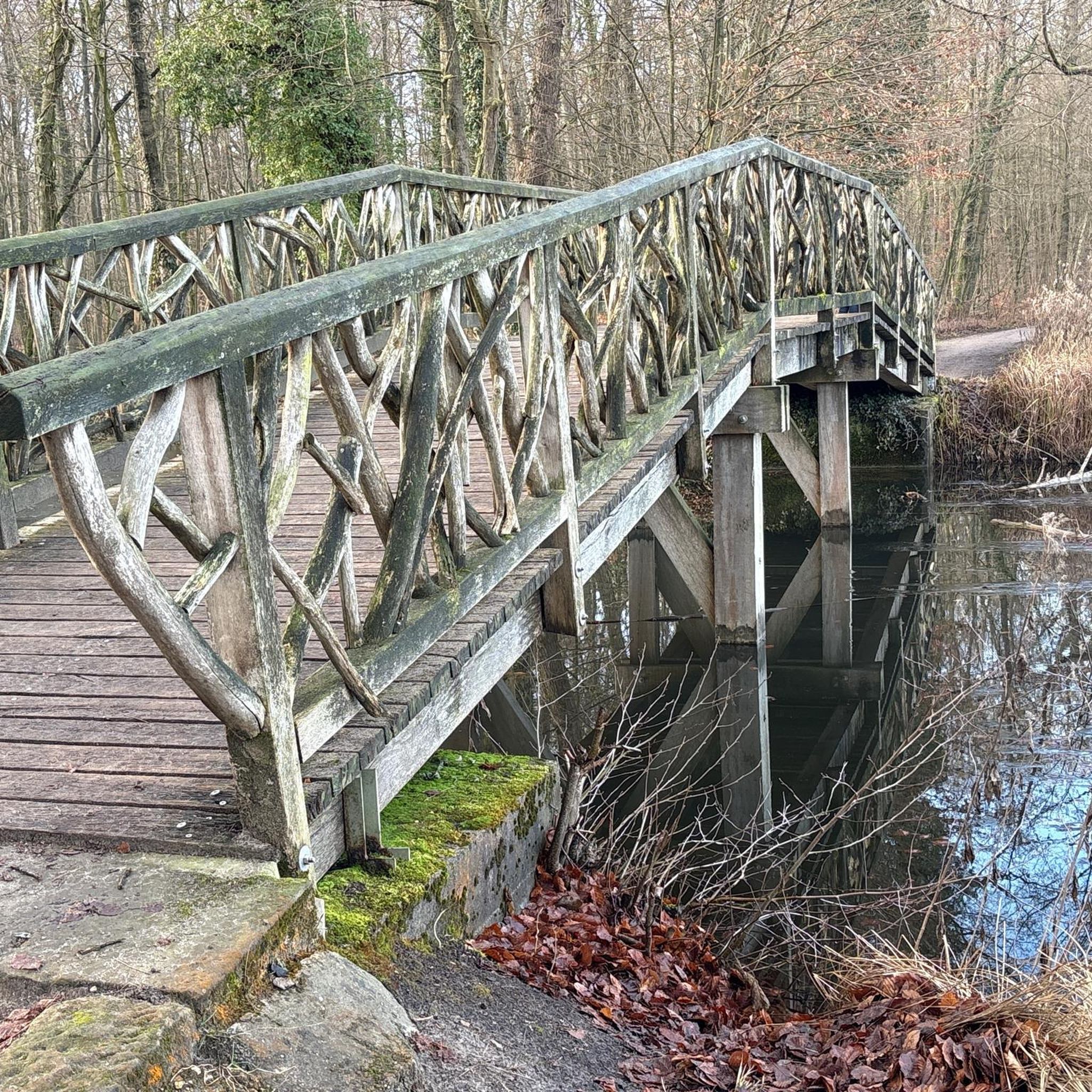
In fact, this building is a small square with a stone table and coping stones, at the entrance to the village of Grillauds, on a stretch of the Nouère at the Grillauds mill, just under the bridge spanning this stretch.
0
0

HISTORY OF THE HOUSE OF HINE In 1791, Thomas Hine (1775-1822), then aged 16, left his native land on the south coast of England to go to France… in the middle of the French Revolution. He went to Jarnac, Charente, where he was hired as a clerk in the Ranson et Delamain trading house, which produced his father’s favourite cognac. James Delamain (1738-1800), a Huguenot who had emigrated from Ireland, founded the trading house in 1763 with his father-in-law Jean-Isaac Ranson. On 3 October 1797 (13 Brumaire Year VI), Thomas Hine married Françoise Élisabeth Delamain, daughter of James Delamain and Marie Ranson. In 1817, the Ranson et Delamain house was liquidated, the heirs having been unable to agree on the succession. The eponymous son-in-law founded Thomas Hine & Co, and his cousins Paul Roullet and Henri Delamain (James' grandson) founded the Maison Roullet et Delamain seven years later, which would become Delamain et Cie. The links between the two Protestant Jarnac families remained close, and Thomas Hine's great-granddaughter, Adrienne Hine (1850-1922) married Philippe Delamain (1847-1902) - they had sons Jacques and Robert Delamain. Today, as in Thomas Hine's time, the Hine establishments line the banks of the Charente in Jarnac. The logo is inspired by Hine's speaking arms, hind meaning doe in Old English. He is lying down, his head turned backwards, symbolically looking towards England2. In 1962, Hine was granted the Royal Warrant of Her Majesty Queen Elizabeth II, and became the official supplier of cognac to the Court of England. In 1987, the company was bought by Moët Hennessy. In 2003, it became the property of the CL Financial group, which emerged from the Angostura group. The House was bought in 2013 by the Edv company. TYPOLOGY OF HINE EAUX DE VIE The House of HINE is located on the banks of the Charente, in the heart of the Cognac region. In the cellars, which ensure the protection of the precious vintages under seal, little has changed in more than 260 years. From the neighboring quays once began the journey of HINE cognacs around the world. This house is one of the oldest in Jarnac. Cognacs exclusively from the Grande and Petite Champagne vintages, a distillation with the lees, and an aging in fine grains with a light to moderate heating. Here, every manufacturing detail will be revealed to you. > To find out more: - https://hine.com/fr - Address: 16 quai Orangerie 16200 Jarnac - 05 45 35 59 59 - Visits, Tasting and Purchases possible - Opening periods: From 01/04 to 31/12 Monday, Tuesday, Wednesday, Thursday and Friday from 9 a.m. to 5:30 p.m. Excluding public holidays. Full price: from €20. Free for children under 18. (Subject to change)
0
0
Frequently Asked Questions
How many no-traffic gravel bike trails are available in the Auge-Saint-Médard area?
There are 6 dedicated no-traffic gravel bike trails listed in this guide for the Auge-Saint-Médard region. These routes are designed to offer a peaceful cycling experience away from vehicular traffic.
What kind of terrain can I expect on these no-traffic gravel trails?
The terrain around Auge-Saint-Médard is diverse and well-suited for gravel biking. You can expect to traverse rolling vineyards, lush riverine areas, and expansive forested sections. The landscape is a picturesque patchwork of fields, including sunflowers and wheat, dotted with charming villages and historical architecture, offering a mix of unpaved paths, farm roads, and forest trails.
Are the gravel bike trails in Auge-Saint-Médard generally flat or hilly?
The Charente department, where Auge-Saint-Médard is located, features a generally flat to gently undulating landscape. While not overly mountainous, some routes will include moderate ascents and descents, adding a pleasant challenge without being overly strenuous. You might also experience some wind exposure in open areas.
What is the overall difficulty level of gravel biking in this region?
Most of the no-traffic gravel bike trails in this guide are rated as moderate, with 5 routes falling into this category. There is also 1 difficult route for those seeking a greater challenge. This variety ensures options for different fitness levels.
Are there family-friendly no-traffic gravel routes in Auge-Saint-Médard?
While specific 'easy' routes are not listed in this guide, the generally flat to gently undulating nature of the Charente landscape means many of the moderate routes can be enjoyed by families with some cycling experience. The focus on no-traffic paths makes them safer for younger riders. Consider routes like the Medieval Monastic Garden – Tusson loop from Villejésus, which is shorter and offers cultural points of interest.
Can I bring my dog on these gravel bike trails?
Many of the rural paths and forest trails in the Auge-Saint-Médard area are suitable for cycling with dogs, provided they are well-behaved and kept under control, ideally on a leash, especially near livestock or in populated areas. Always ensure your dog is comfortable with the distance and terrain, and carry enough water for both of you. Specific regulations may apply in certain protected natural areas, so it's always good to check local signage.
Are there circular gravel bike routes available?
Yes, all the routes listed in this guide are circular, allowing you to start and end at the same point. For example, you can explore the Bridge over the Nouère in Rouillac – Font Arnaud Washhouse loop from Mareuil or the The Jarnac Quays – Chateau des Chabannes loop from Mareuil, both offering diverse scenery on a loop.
What is the best time of year for gravel biking in Auge-Saint-Médard?
Spring (April-June) and early autumn (September-October) are generally considered the best times for gravel biking in Auge-Saint-Médard. During these periods, the weather is typically mild and pleasant, and the natural scenery is at its most vibrant, with blooming wildflowers in spring and rich autumnal colors. Summer can be hot, especially in July and August, so early morning or late afternoon rides are recommended then.
What can I see along the no-traffic gravel bike trails?
Beyond the beautiful natural landscapes of vineyards, forests, and riverbanks, you'll encounter charming villages and historical architecture. The wider Charente area boasts sites like the Chateau De Neuvicq-Le-Chateau and the Gallo-Roman theatre at Les Bouchauds. You might also find tranquil spots like Etang Les Gours, perfect for a break. Cycling through quaint villages offers a glimpse into local life and heritage.
Where can I park when cycling in Auge-Saint-Médard?
As Auge-Saint-Médard is a rural area, parking is generally available in or near the small villages that serve as starting points for many routes. Look for designated public parking areas in village centers or near local amenities. Always ensure you park responsibly and do not obstruct local residents or agricultural access.
What do other gravel bikers enjoy most about gravel biking in Auge-Saint-Médard?
The area is highly rated by the komoot community, with an average score of 4.0 out of 5 stars. Reviewers often praise the tranquility of the no-traffic routes, the picturesque rural landscapes, and the opportunity to explore charming French countryside and historical sites away from busy roads.
Most popular routes around Auge-Saint-Médard

Get inspired with the komoot mobile app


Explore more
Browse the best Gravel rides in other regions.
