The best traffic-free bike rides around Souligné-Sous-Ballon
4.3
(19)
987
riders
200
rides
No traffic road cycling routes around Souligné-Sous-Ballon traverse a rural landscape characterized by rolling hills, forested areas, and the scenic Orne Saosnoise river. This commune in the Sarthe department offers quiet roads ideal for cycling, situated just 20 minutes from Le Mans. The terrain includes gentle ascents and descents, with the eastern limit reaching an altitude of 103 meters. The region provides a blend of natural beauty and historical points of interest for road cyclists.
Best no traffic road cycling…
Last updated: July 16, 2026
9
riders
44.7km
01:52
280m
280m
Easy road ride. Great for any fitness level. Mostly well-paved surfaces and easy to ride.
10
riders
106km
04:30
700m
700m
Moderate road ride. Good fitness required. Some segments of this route may be unpaved and difficult to ride.

Sign up for free
7
riders
47.0km
01:56
220m
220m
Easy road ride. Great for any fitness level. Mostly well-paved surfaces and easy to ride.
6
riders
Easy road ride. Great for any fitness level. Mostly well-paved surfaces and easy to ride.
7
riders
58.4km
02:22
290m
290m
Moderate road ride. Good fitness required. Mostly well-paved surfaces and easy to ride.
Get access to more routes and recommendations from other explorers.
Sign up for free
Already have an account?
Our route recommendations are based on thousands of hikes, rides, and runs completed by other people on komoot.
Start today with a free account
Your next adventure awaits.
Login or Signup
Popular around Souligné-Sous-Ballon
Tips from the Community

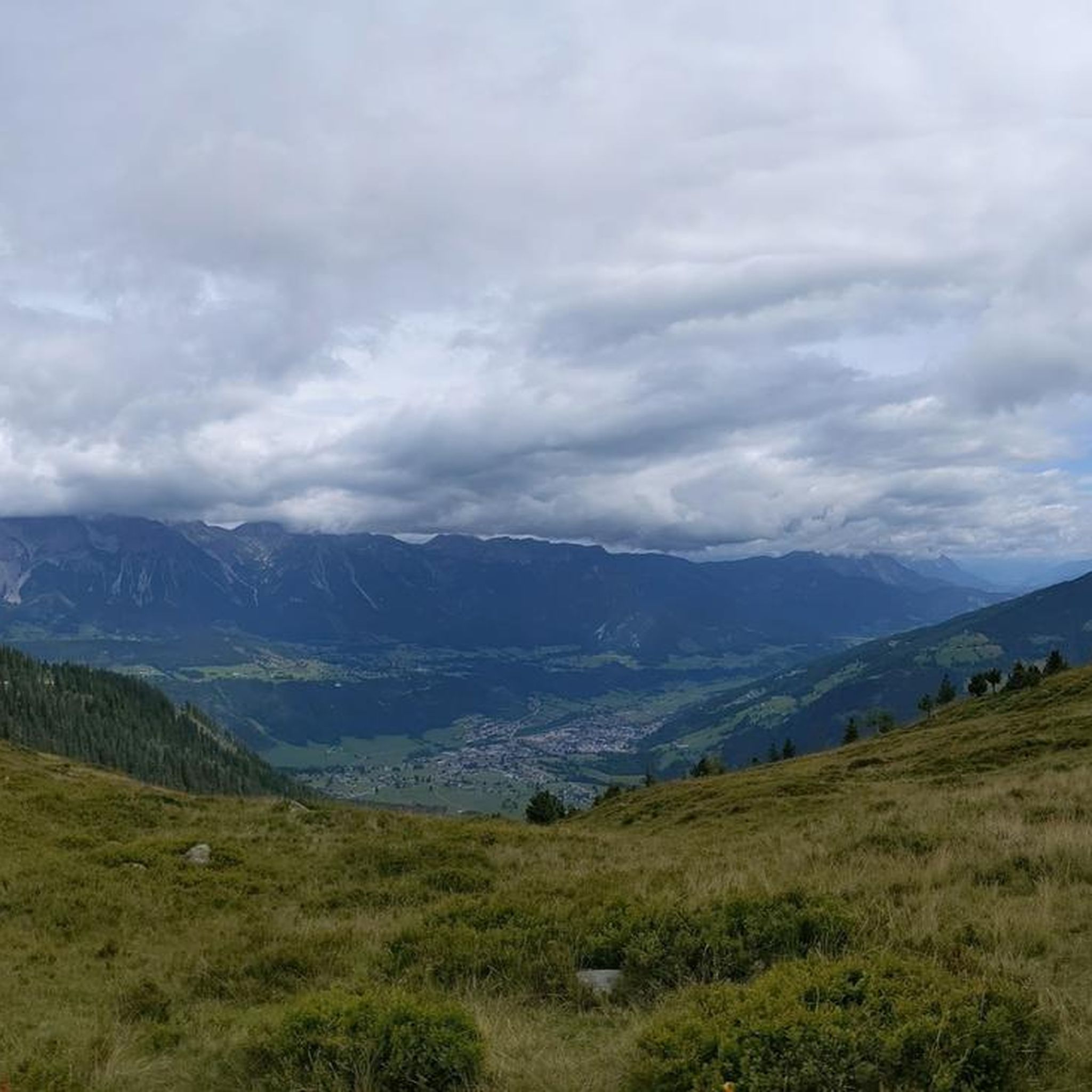
Nice route, fairly flat and rolling with lovely quiet country roads on the way back
0
0

This 11th century medieval bridge is a beautiful place to contemplate Beaumont-sur-Sarthe for a short moment. In addition to the river, you can see the castle located on the heights of the town.
0
0

The oldest parts of this church seem to date from the Middle Ages, but the building was greatly remodeled in the 16th century. The side chapels were added at this time, as was the opening of the large stained glass window of the choir. The steeple, restored in the 19th century, is covered with slate. Inside the church, two polychrome statues attract attention. One of the Virgin in terracotta, the other of Saint Barbara in stone, dating from the 17th and 18th centuries. A wooden Christ is also worth noting. The wooden stalls date from the 18th century, as does the altarpiece of the high altar (1755). The wrought iron communion railing dating from the 18th century is still in place. Its rocaille-style ornamentation is common at this time. Until 1911, the church was surrounded by its cemetery.
0
0
Of Romanesque origin, the church of Louvigny has undergone many transformations over time. Among other things, the altars and the altarpiece were donated in the 18th century by Mr. François Thébault, a wealthy donor born in Louvigny. A commemorative plaque was erected in his memory in the sacristy of the church after it was found at the end of the 19th century by Father Chartrain, then parish priest, on the roof of his presbytery, in place of a tile. It is likely that it was thus protected from the pillaging of the Revolution. The steeple dates from the 19th century. It replaced a campanile. It was also in the 19th century that the stained glass windows, the Stations of the Cross and the baptismal font were installed. Generally made of stone, these are very original, since decorated in the Napoleon III style, the period of their manufacture, they are made of cast iron and undoubtedly a fine example of the industrial production of this time. The portal, typically Romanesque, is preceded by two steps in which an eight-pointed star and a cross are drawn. This is perhaps a summary of the life of Christ, from the Star of the Nativity to the Crucifixion. Several elements classified as Historic Monuments have been restored over the last few years, thanks to subsidies from the State and the Department of Sarthe, as well as the generosity of subscribers to the Fondation du Patrimoine. Thus, the remarkable tabernacle of the high altar in gilded wood. Painted in faux marble in the 18th century, it is one of the largest tabernacles preserved in Sarthe. The painting located just above, also superbly restored, and attributed to François Mongendre (1644-1690), represents Saint Germain d’Auxerre meeting Saint Geneviève as a child.
0
0
The Church of Saint Pierre and Saint Paul in Ancinnes is in its original part from the 11th and 12th centuries. It was modified in the middle of the 19th century by the addition of a transept which gives it the shape of a Latin cross. The Organ of the Church of Saint Pierre and Saint Paul in Ancinnes was built by the Damiens brothers in the middle of the 19th century (1863) following the late 18th century. It was the work of Abbé Dubois, priest of Ancinnes from 1843 to 1865. This organ, built by the brothers Louis and Robert Damiens, organ builders in Gaillon (Eure) remains, today, one of the only survivors in the region in working order. It is a unique instrument due to its size, which can be heard as the Damiens brothers would have wished. They built 85 instruments, including 3 in Sarthe. The others were abandoned, looted or burned. Previously the Damiens brothers were wheelwrights, which explains the robustness and solidity of their organs. These organs were built to last. The Ancinnes Organ has about fifteen stops divided between two manual keyboards and a pedal keyboard of 13 notes and 850 pipes. The 12th century openings of the nave, alternating limestone and roussard, remain in the state of vestiges being walled up or enlarged in the 19th century. In the 12th/14th century, a door was opened in the gable while the bell tower and the choir rose, which retain pointed arches and trefoil tracery. Boucher built the North chapel in 1854. Chadaigne, from Alençon, repainted the entire interior around 1860 representing the Eucharist and the story of Saint Peter. A staircase tower was built against the bell tower in 1895.
0
0


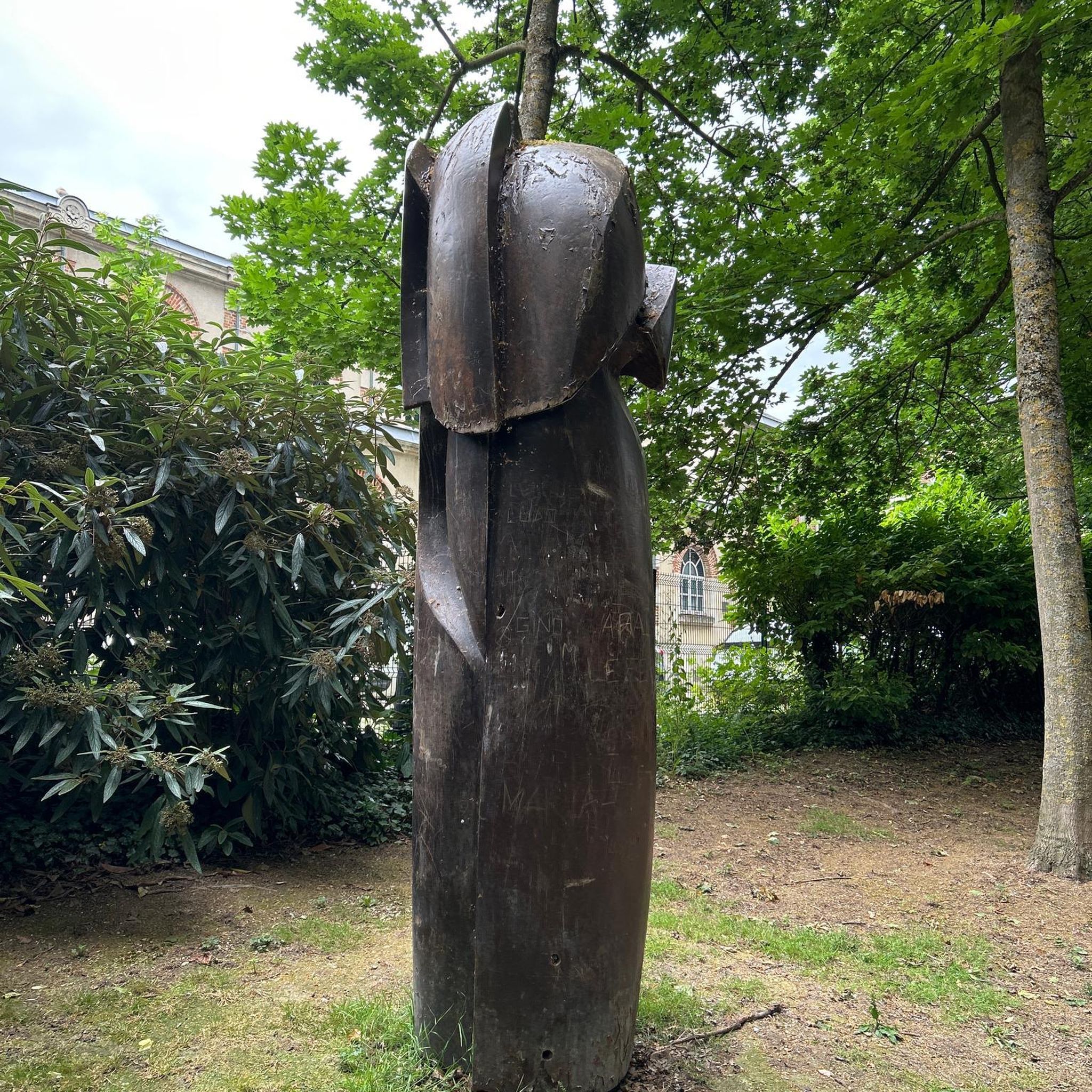
Contemporary art center, work of art and architecture in the village. Unmissable, too bad the cycle path doesn’t go there
0
0

Frequently Asked Questions
How many no-traffic road cycling routes are available around Souligné-Sous-Ballon?
There are over 170 dedicated no-traffic road cycling routes around Souligné-Sous-Ballon. This extensive network offers a wide variety of options for cyclists looking to explore the peaceful Sarthe countryside.
What kind of terrain can I expect on these no-traffic road cycling routes?
The region around Souligné-Sous-Ballon features diverse terrain, from scenic, flatter sections ideal for leisurely rides to rolling hills and forested areas that provide more challenging ascents. The commune itself is situated on a hillside, offering varied landscapes for road cyclists.
Are there any easy no-traffic road cycling routes suitable for beginners or families?
Yes, there are many easy routes. For instance, the Alinéa Bis Garden – Moulin de Crucé, Teillé loop from Montbizot is an easy 44.7 km ride with moderate elevation. Another great option is the Aire et plage du Vieux Moulin – Saint Martin Church loop from Souligné-sous-Ballon, which is 34.2 km and also rated easy.
What are some notable landmarks or attractions I can see along these routes?
Many routes pass by significant points of interest. You can cycle past the historic Donjon de Ballon, offering panoramic views, or the charming Beaumont-sur-Sarthe Roman Bridge. The region also features natural spots like the Orne Saosnoise river and forested areas.
Are there any circular no-traffic road cycling routes?
Absolutely. Most of the routes in the area are designed as loops, allowing you to start and finish in the same location. Examples include the Donjon de Ballon – Ballon loop from Montbizot, a 47 km easy ride, and the longer Prieuré de Vivoin – Donjon de Ballon loop from Montbizot, which covers over 100 km.
What do other road cyclists enjoy most about cycling in Souligné-Sous-Ballon?
The area is highly rated by the komoot community, with an average score of 4.2 stars. Reviewers often praise the tranquility of the rural roads, the picturesque countryside, and the opportunity to discover charming villages and historical sites away from heavy traffic.
Are there any routes that pass by the Orne Saosnoise river?
Yes, the Orne Saosnoise river forms the western border of Souligné-Sous-Ballon, and many routes in the vicinity offer tranquil stretches along its banks. The presence of the river contributes to the scenic beauty and peaceful atmosphere of the rides.
What is the best time of year to go road cycling in Souligné-Sous-Ballon?
The spring and autumn months generally offer the most pleasant conditions for road cycling, with mild temperatures and beautiful scenery. Summer can also be enjoyable, especially in the mornings or late afternoons, while winter rides are possible but may require more preparation for cooler weather.
Are there any longer, more challenging no-traffic road cycling routes?
For those seeking a longer challenge, the Prieuré de Vivoin – Donjon de Ballon loop from Montbizot is a moderate 106 km route with nearly 700 meters of elevation gain. Another moderate option is the Prieuré de Vivoin – Beaumont-sur-Sarthe bridge loop from Montbizot, covering 57.8 km.
Are there places to stop for refreshments or picnics along the routes?
The rural setting means that while dedicated cafes might not be on every corner, many routes pass through or near charming villages where you can find local shops or bakeries. Additionally, natural spots like the Aire et plage du Vieux Moulin or the Base de loisirs du Pont d'Orne in Montbizot offer picnic areas and places to relax by the water.
Where can I find parking for these no-traffic road cycling routes?
Given the rural nature of Souligné-Sous-Ballon and surrounding villages like Montbizot, you can typically find parking in village centers or near public amenities. It's advisable to check the starting point of your chosen route for specific parking availability.
Most popular routes around Souligné-Sous-Ballon
Most popular attractions around Souligné-Sous-Ballon

Get inspired with the komoot mobile app


Explore more
Browse the best Road cycling routes in other regions.
