The best traffic-free bike rides around Ancerville
5.0
(1)
29
riders
8
rides
Gravel biking around Ancerville, located in the Meuse department of France, offers diverse terrain suitable for off-road cycling. The region is characterized by a mix of forests, rolling hills, and rural countryside, providing varied landscapes for no traffic gravel bike trails. Riders can expect routes that traverse forest paths and undulating terrain, with elevation changes typical of the Meuse department. The presence of rivers and canals also suggests opportunities for mixed-terrain routes.
Best no traffic gravel bike trails around Ancerville
…Last updated: July 3, 2026
5
riders
Moderate gravel ride. Good fitness required. Mostly paved surfaces. Suitable for all skill levels.
4
riders
24.3km
01:36
190m
190m
Moderate gravel ride. Good fitness required. Mostly paved surfaces. Suitable for all skill levels.

Sign up for free
5.0
(1)
6
riders
34.1km
01:53
190m
190m
Moderate gravel ride. Good fitness required. Mostly paved surfaces. Suitable for all skill levels.
2
riders
36.8km
02:17
360m
360m
Moderate gravel ride. Good fitness required. Mostly paved surfaces. Suitable for all skill levels.
4
riders
Moderate gravel ride. Good fitness required. Mostly paved surfaces. Suitable for all skill levels.
Get access to more routes and recommendations from other explorers.
Sign up for free
Already have an account?
Our route recommendations are based on thousands of hikes, rides, and runs completed by other people on komoot.
Start today with a free account
Your next adventure awaits.
Login or Signup
Popular around Ancerville
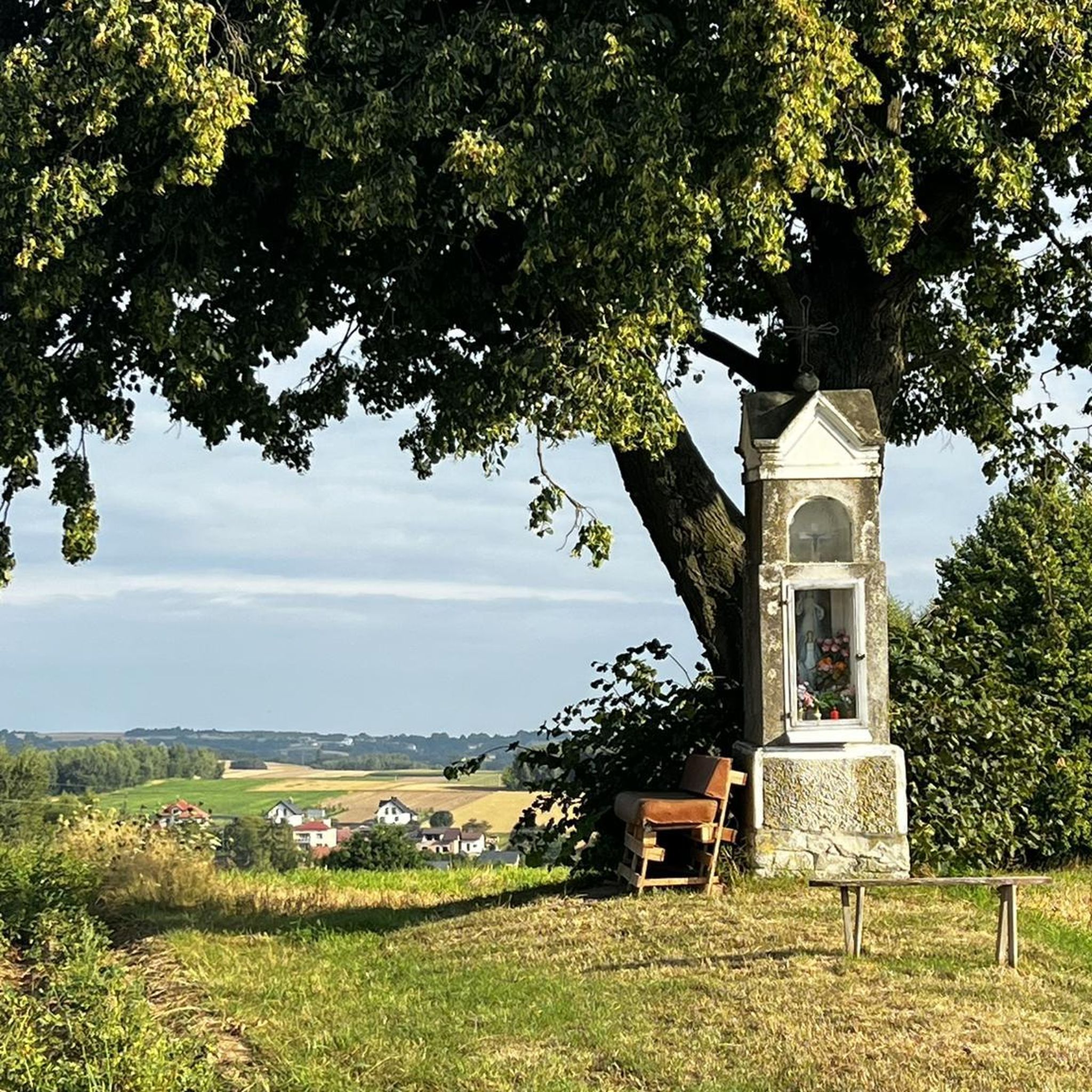
Tips from the Community

Two farms were located on the old path between Metz and Peltre, the Haute Bévoye and the Basse Bévoye. The Haute Bévoye, on a hill, is a fortified farm documented from the early 14th century. In 1404, it belonged to "Jehan Xaippey", i.e. Jean de Raigecourt, known as Xappel; 12 cattle and 8 horses were raised there at the time. In addition to an 18th-century dwelling and farm buildings, the layout of the medieval castle remains legible, with four rectangular wings surrounded by a moat; two wings and three towers recall the initial state. https://melodi.univ-lorraine.fr/s/projet-cite-de-metz/item/2973
1
0

Memorial to the fallen of the two world wars 🕊️
0
0
This beautiful rest area is located on the former railway line, at the old train station in Pange.
0
0
Memorial to the fallen of the two world wars and the Indochina War 🕊️.
0
0
Ideal for cooling off on hot days 🥵. But be careful, it is not drinking water‼️
0
0

The origin of “Pont-à-Domangeville is lost in the mists of time. The Roman road from Metz to the Rhine already passed through there. Under the old regime, it was a tiny separate lordship, with a toll bridge. Usually blocked and padlocked, to cross it you had to pay a fee, depending on the livestock and products passed through. The lordship belonged in the 13th century to the Saint-Vincent de Metz abbey, then to the successive lords of Domangeville; in 1716, to the Laubrussels, then to the Leuryses, finally to the Thomas de Pange. It included, in addition to the bridge, the road - 50 toises on this side, 18 beyond - the bed of the Nied on both sides and, on the south-east bank, land with a hostelry (current Mayot farm) . In 1789, the community of Bazoncourt declared in its list of grievances “the enlightenment of the State and the kindness of the King will undoubtedly eliminate a right of final injustice perceived at Pont-à-Domangeville. However poor a plowman he may be, he pays three does and several pay without passing through.” After the revolution, the bridge had to be repaired. Paradoxically, the general council had the expenditure entered in the 1814 and 1815 rolls of the localities which had subscribed to the bridge in 1766. On this ordeal is inscribed: “This monument of our redemption was erected by the care of MM. De Pange, de Courten, Devaux and Dauphin, Commissioners responsible for the reconstruction of this bridge, in the year of our Lord 1816. During the reconstruction work and near the bridge, Joseph GRANDIDIER de Hernicourt and François ANIEL perished in the waters on July 20 from Domangeville, both attached to the service of the neighboring farm »
1
0

Two people died during the reconstruction of the bridge over the Nied Française in Domangeville in 1816.
1
0
Memorial to the fallen of the two world wars.
0
0
Frequently Asked Questions
How many traffic-free gravel bike trails are available around Ancerville?
While this specific guide highlights a few excellent options, the broader Meuse department, where Ancerville is located, is well-known for its extensive network of gravel biking opportunities. You'll find many quiet forest paths, rural roads, and canal-side trails perfect for avoiding traffic.
What kind of terrain can I expect on gravel bike trails near Ancerville?
The region offers a diverse mix of terrain. You can expect to encounter varied forest landscapes, rolling hills that provide engaging climbs and descents, and peaceful paths along rivers and canals. This variety ensures a dynamic and interesting ride, often on dirt roads and dedicated forest tracks.
Are there any circular gravel routes around Ancerville that avoid traffic?
Yes, many of the gravel routes in the area are designed as loops, allowing you to start and finish in the same location without retracing your steps. For example, the Statue of the Mother and Child – Ferme de la Haute-Bevoye loop from Ogy-Montoy-Flanville is a moderate circular route offering a great traffic-free experience.
What is the difficulty level of the no-traffic gravel bike trails in the Ancerville area?
The trails vary in difficulty, catering to different skill levels. You'll find routes ranging from moderate to difficult. For instance, the The Oak of the Bois de Fey – Pange Castle loop from Courcelles-Chaussy is a moderate route, while the Denkmal für die Gefallenen 🕊️ – Mont Saint-Pierre loop from Silly-sur-Nied presents a more challenging ride with significant elevation changes.
Can I bring my dog on the gravel bike trails near Ancerville?
Many natural areas and forest paths in the Meuse department are dog-friendly, especially if your dog is well-behaved and kept on a leash. It's always best to check local regulations for specific trails or protected areas, but generally, you'll find plenty of opportunities to enjoy the outdoors with your canine companion.
Are there any family-friendly traffic-free gravel routes in the Ancerville region?
While specific 'easy' routes for families are not explicitly detailed in this guide, the presence of canal paths and less challenging forest roads in the broader Meuse department suggests that flatter, more accessible options can be found. Look for routes with minimal elevation gain and smooth surfaces for a pleasant family outing.
What natural features or landmarks can I see along the gravel bike trails?
The region is rich in natural beauty and historical significance. You can expect to cycle through varied forests, past rolling hills, and alongside peaceful rivers and canals. Some routes might also pass by historical sites or charming rural villages, offering a blend of nature and culture.
What is the best time of year to go gravel biking around Ancerville?
Spring and autumn generally offer the most pleasant conditions for gravel biking in the Meuse department, with milder temperatures and beautiful scenery. Summer can also be enjoyable, especially on shaded forest trails, but be mindful of potential heat. Winter riding is possible, but trails might be muddy or icy, so check conditions beforehand.
Is parking available at the trailheads for these traffic-free routes?
Yes, for most popular outdoor routes in the region, you can typically find parking facilities near the starting points in villages or designated recreational areas. It's advisable to check the specific route details on komoot for recommended parking spots before you set out.
Are there any cafes or places to eat along the gravel bike routes near Ancerville?
The rural charm of the Meuse department means that while you might not find cafes directly on every trail, many routes pass through or near small villages where you can find local bakeries, small shops, or traditional French eateries to refuel and experience local hospitality.
What kind of elevation gain should I expect on the gravel trails in this area?
The elevation gain varies significantly depending on the route. For example, a moderate route like the Statue of the Mother and Child – Ferme de la Haute-Bevoye loop has around 300 meters of elevation gain, while a more difficult one, such as the Denkmal für die Gefallenen 🕊️ – Mont Saint-Pierre loop, can feature over 500 meters of climbing, offering a good workout for experienced riders.

Get inspired with the komoot mobile app


Explore more
Browse the best Gravel rides in other regions.
