The best traffic-free bike rides around Rigny-Ussé
4.0
(1)
90
riders
14
rides
Gravel biking around Rigny-Ussé offers diverse landscapes at the confluence of the Indre and Loire rivers, characterized by gentle terrain, river paths, and expansive vineyards. The region features unique "Falun tracks," which are gravel paths made from fine white limestone, providing a distinctive cycling experience. While many routes are generally flat, some more challenging and hilly options exist, particularly towards Chinon, traversing scenic vineyards and forests.
Best no traffic gravel bike trails around Rigny-Ussé
- The most popular no traffic gravel…
Last updated: July 3, 2026
9
riders
Hard gravel ride. Good fitness required. You may need to push your bike for some segments of this route.
5
riders
48.3km
03:01
360m
360m
Moderate gravel ride. Good fitness required. Mostly paved surfaces. Suitable for all skill levels.

Sign up for free
2
riders
25.8km
01:53
270m
270m
Moderate gravel ride. Good fitness required. Mostly paved surfaces. Suitable for all skill levels.
5
riders
55.7km
03:57
620m
620m
Hard gravel ride. Very good fitness required. Mostly paved surfaces. Suitable for all skill levels.
11
riders
Hard gravel ride. Good fitness required. You may need to push your bike for some segments of this route.
Get access to more routes and recommendations from other explorers.
Sign up for free
Already have an account?
Our route recommendations are based on thousands of hikes, rides, and runs completed by other people on komoot.
Start today with a free account
Your next adventure awaits.
Login or Signup
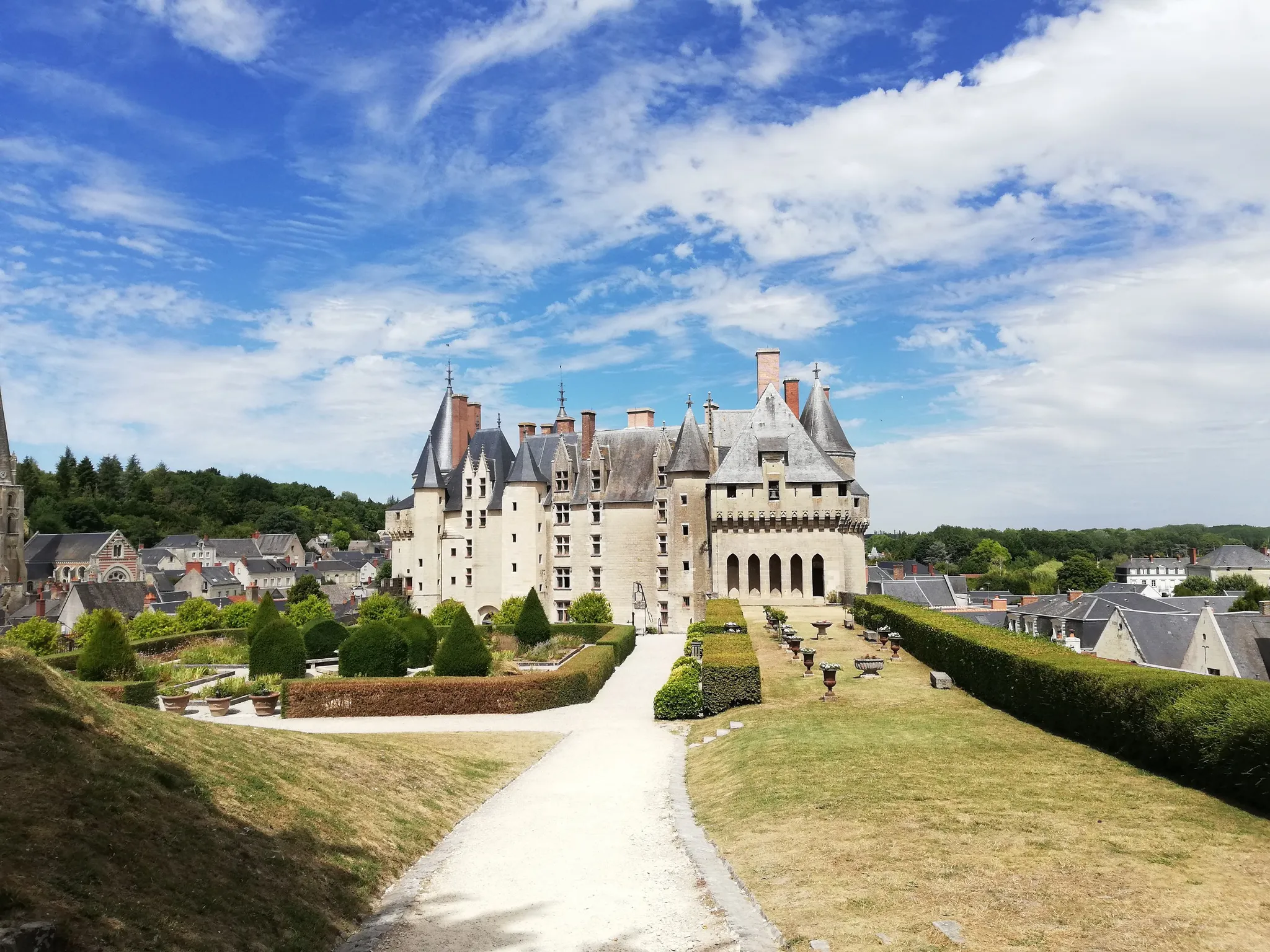
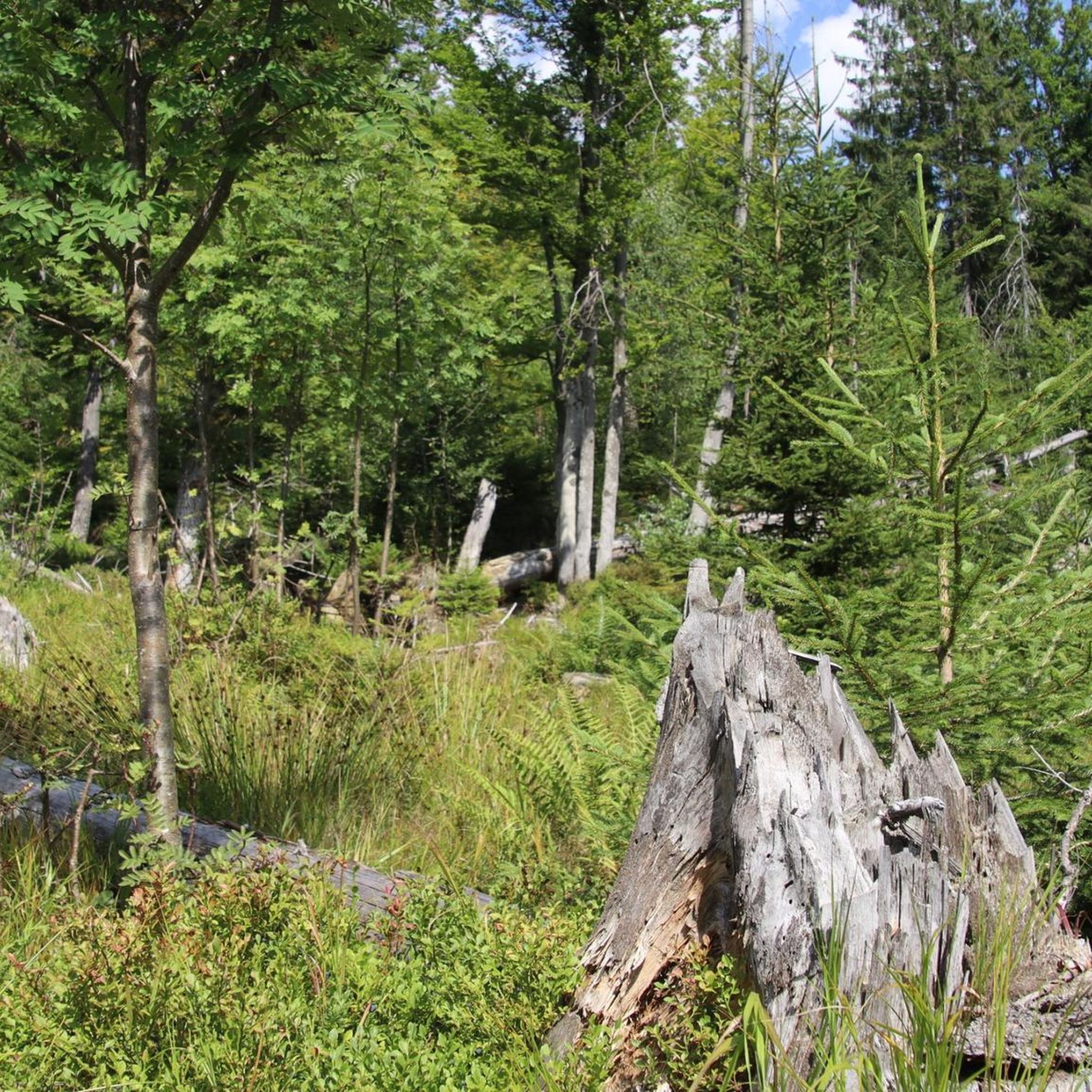
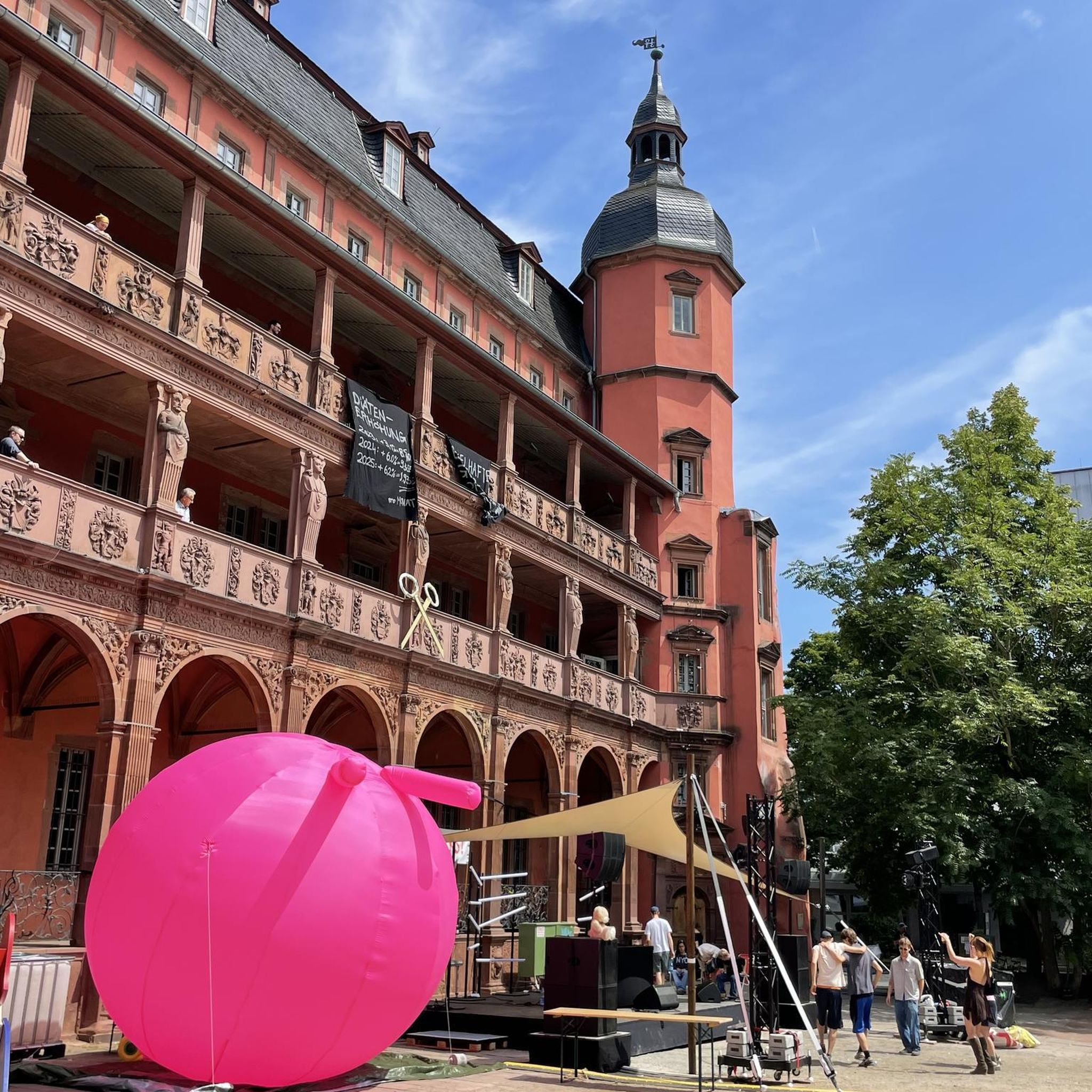
Other adventures around Rigny-Ussé

Tips from the Community

History in brief Antiquity: the site is strategically located on a promontory and has been inhabited for 3,000 years. It was not fortified until the end of the Roman Empire. Middle Ages: in 1154, the new King of England, Henry II Plantagenet, became ruler of an empire stretching from Scotland to the Pyrenees and made Chinon his continental capital. He had a large palace built next to the fortress, which has now disappeared. In 1189, abandoned by his sons, Richard the Lionheart and John Lackland, and fleeing from the King of France, he eventually died there. Philippe Auguste had the defensive Tour du Coudray built there after the siege of 1205. Renaissance: in 1454, the fortress became the main residence of Queen Marie d'Anjou, who lived there without her husband. She spent lavishly on decorating the house to her taste. From the 16th century onwards, the fortress was gradually abandoned and fell into disrepair. Despite the dangerous nature of the terrain, it became a public promenade in 1824 and was listed as a monument in 1840. The restoration of the estate began in 1854 thanks to the efforts of the writer Prosper Mérimée. Source: https://loirelovers.fr/en/visit-royal-fort-chinon/
6
0
Nice location to take a break here. Picnic benches are set up in the shaded area. The terrace of the summer bar La Guinguette has a nice view of the river Vienne and the Royal Fort of Chinon.
5
0

Magnificent view of the Loire. Possible stopover (picnic, meal, bar)
0
0
Bréhémont, a former annex of the parish church of Rivarennes, only became a parish in 1789. The church was built in 1843 in the neo-Gothic style. Three years later, five stained glass windows for the choir and the side chapels (bays 0, 1, 2, 3, 4) were ordered by the Parisian Émile Laurent, who had ties with Auguste Galimard and who had designed the plans. Source: https://patrimoine.centre-valdeloire.fr/gertrude-diffusion/dossier/IM37003094
6
0
A special location that you should not miss. Take a seat on the terrace to replenish your burnt sugars. Small repairs can be done here. Be sure to take a look inside the studio.
5
0
On the horizon, when the weather is clear, you can see the silhouette of the Château de Ussé. This fairytale castle has a magical appearance that overlooks the Indre and the Loire. It is so beautiful that it inspired Charles Perrault for his Sleeping Beauty. Triggered? Drive there and you will end up in a fairytale world. Young and old, immerse yourself in castle life and the scenes from this fairytale come to life before your eyes. Follow in the footsteps of Vauban, Perrault, Chateaubriand, Le Nôtre and the Blacas family, who still live in this illustrious castle in the Loire Valley.
5
0
Just enjoy the great current of the Loire. Small beaches or picnic benches give you the opportunity to take a breather.
5
0
The parish church of Saint-Maurice and the covered passage connecting it to the residence known as the Deanery and the garden of the former presbytery, located on the site known as Le Bourg. Historical description A 12th-century building whose nave was restored in the 19th century and an aisle was added. The west façade is distinguished by the fact that it is connected by a 16th-century covered gallery, which spans the street, to a former manor house opposite, known as the Doyenné. The bell tower consists of a powerful square tower, flanked on the north side by a staircase turret, which is pierced in the floor of the bell tower by two pointed arch bays with double archivolts. This tower rises above the bay forming the choir and is supported by pointed arch arcades, formed by concentric arches of rectangular cross-section, which frame a square bay with ribbed vaults. The capitals are decorated with foliage, hooks, signs or fantastic animals. Source: https://pop.culture.gouv.fr/notice/merimee/PA00097778
2
0
Frequently Asked Questions
How many no-traffic gravel bike trails are available around Rigny-Ussé?
There are 10 no-traffic gravel bike trails around Rigny-Ussé listed in this guide. These routes offer a mix of easy, moderate, and difficult options to explore the beautiful Loire Valley away from cars.
What kind of terrain can I expect on the no-traffic gravel trails in Rigny-Ussé?
You'll find a diverse range of surfaces, including unique 'Falun tracks' made from fine white limestone, similar to Italy's strada bianche. Many routes follow river paths along the Loire and Indre, wind through picturesque vineyards, and traverse quiet forests like the Forêt de Chinon. Expect generally flat sections, especially along the rivers, with some more challenging, hilly options towards Chinon.
Are there easy no-traffic gravel routes suitable for beginners or families?
Yes, there is 1 easy route listed in this guide, and many sections of the wider cycling network, including parts of the renowned La Loire à Vélo, are suitable for beginners and families. These often feature gentle terrain and dedicated greenways, perfect for a relaxed ride.
Are there challenging no-traffic gravel routes for experienced riders?
Absolutely. This guide features 5 difficult routes that will test your endurance and skill. For example, the Royal Fortress of Chinon – View of Château de Chinon loop from Chinon offers significant elevation gain, traversing the more undulating vineyard landscapes towards Chinon.
What historical attractions can I see along these no-traffic gravel trails?
The region is rich in history. You can cycle past magnificent châteaux such as Ussé Castle, often called the 'Sleeping Beauty Castle,' or the romantic L'Islette Castle. The Royal Fortress of Chinon is another prominent landmark accessible by bike, offering a deep dive into medieval history.
Are there any circular no-traffic gravel routes available?
Yes, many of the routes are designed as loops, allowing you to start and finish in the same location without retracing your steps. For instance, the View of the Loire at Bréhémont – View of Ussé castle loop from Saint-Benoît-la-Forêt is a challenging circular route that offers diverse scenery.
What natural features will I encounter on these gravel trails?
You'll experience the serene confluence of the Indre and Loire rivers, with picturesque river paths and atmospheric islands. The routes often weave through extensive vineyards, especially around Chinon, and offer passage through tranquil forests like the Forêt de Chinon, home to diverse wildlife. Keep an eye out for unique troglodytic dwellings carved into the hillsides.
What is the best season for gravel biking in Rigny-Ussé?
The Loire Valley is beautiful throughout much of the year. Spring and autumn offer pleasant temperatures and stunning scenery, with blooming flowers or vibrant fall foliage. Summer can be warm but is ideal for enjoying the river views. Always check local weather conditions before heading out.
Are there any routes that offer scenic viewpoints of the Loire River?
Absolutely. Many routes follow the Loire River, providing superb views. The View of the Loire River – View of the Loire at Bréhémont loop from Lignières-de-Touraine is specifically designed to showcase the river's beauty, including views from the historic Langeais Bridge.
Can I find cafes or places to rest near the gravel bike trails?
The towns and villages along the Loire Valley, such as Rigny-Ussé itself, Chinon, and Langeais, offer various cafes, restaurants, and bakeries where you can refuel and rest. Many routes pass through or near these charming settlements, making it easy to plan a stop.
What makes the gravel biking experience in Rigny-Ussé unique?
The unique blend of historical châteaux, the picturesque confluence of the Indre and Loire rivers, and the distinctive 'Falun tracks' through vineyards and forests create an unparalleled gravel biking experience. The region's commitment to cycling, exemplified by its integration into the La Loire à Vélo network, ensures well-maintained and scenic no-traffic routes.
Most popular attractions around Rigny-Ussé

Get inspired with the komoot mobile app


Explore more
Browse the best Gravel rides in other regions.
