The best traffic-free bike rides around Clérieux
4.4
(18)
109
riders
11
rides
Gravel biking around Clérieux offers diverse landscapes in the Drôme des Collines region of southeastern France. The area features rolling hills, peaceful countryside, and picturesque vineyards, providing varied terrain for exploration. Riders can expect a mix of small, hidden roads, forest tracks, and paths with manageable elevation changes, allowing access to natural beauty away from paved roads. The region's extensive network of routes is well-suited for no traffic gravel bike trails, transitioning between asphalt and more rugged paths.
Best no…
Last updated: July 3, 2026
4.0
(1)
10
riders
Hard gravel ride. Very good fitness required. Mostly paved surfaces. Suitable for all skill levels.
4.1
(7)
12
riders
31.1km
02:09
450m
450m
Hard gravel ride. Very good fitness required. Mostly paved surfaces. Suitable for all skill levels.

Sign up for free
4.5
(2)
14
riders
Hard gravel ride. Very good fitness required. Mostly paved surfaces. Suitable for all skill levels.
5
riders
30.3km
02:17
400m
390m
Hard gravel ride. Good fitness required. You may need to push your bike for some segments of this route.
4
riders
37.2km
02:48
510m
510m
Hard gravel ride. Very good fitness required. Mostly paved surfaces. Suitable for all skill levels.
Get access to more routes and recommendations from other explorers.
Sign up for free
Already have an account?
Our route recommendations are based on thousands of hikes, rides, and runs completed by other people on komoot.
Start today with a free account
Your next adventure awaits.
Login or Signup
Popular around Clérieux
Tips from the Community

It is classified as a historical monument and houses a museum designated as a Museum of France. Primarily built between the 15th and 16th centuries, the Château de Tournon stands on the remains of a first building from the 10th century. (...) The site still presents exceptional works of art today, such as a triptych by Giovanni Capassini, but also collections on river navigation or the history of the town and the castle. Reconstructions of rooms, as well as sculptures, paintings, drawings or engravings, highlight the tour.
0
0
The FRANCE VOYAGE website reports on the origin of the current place name with Saint DONATUS: "With the advent of Christianity, Saint-Donat bore the name Jovincieu or Jovenzieux. In 732, during the invasion of the Saracens, Corbus, the bishop of Grenoble, fled to Jovenzieux and brought with him the relics of Saint Donatus, who died in the 6th century, on his way to Sisteron – hence the name Saint-Donat." However, the collegiate church located in the town has a different patron saint than the place name; here, the choice was made for the two prince of the apostles, SAINTS PIERRE et PAUL, whose common feast day is celebrated on June 29th in the calendar.
0
0

The Château de Tournon is one of the most beautiful castles in the Ardèche. Its massive character and elevated position give it an imposing appearance. Built between the 15th and 16th centuries, its architecture bears witness to the evolution of society, between the medieval period and the dawn of the Renaissance. http://www.chateaumusee-tournon.com/index.php?option=com_content&view=article&id=549&Itemid=443
1
0
The first footbridge built by Marc Seguin between Tournon and Tain in 1825 was revolutionary for its time. It was the world's first iron cable suspension bridge, a true technical feat for the era. This footbridge helped facilitate trade and strengthen ties between the two towns. However, the original footbridge underwent several transformations over time. It was first raised to allow the passage of steamships, then a second footbridge was built by Marc Seguin in 1847, still based on the iron cable suspension principle. The two footbridges coexisted for a time, the first being used for pedestrian traffic and the second for road traffic. As road traffic intensified over time, it became necessary to build a new bridge to facilitate circulation. This is how the Gustave Toursier bridge was built in 1958. Located about 350 meters downstream from the Marc Seguin footbridge, this suspension bridge over 240 meters long comprises three spans. It is designed to support road traffic, thus facilitating exchanges between the two municipalities. The current footbridge, inaugurated in 1972, is therefore the fourth of its name. It was designed to resemble the 1847 footbridge, while meeting current safety standards and needs. https://www.ardeche-hermitage.com/fr/zoom-sur/la-passerelle-marc-seguin-celebre-son-bicentenaire/
0
0
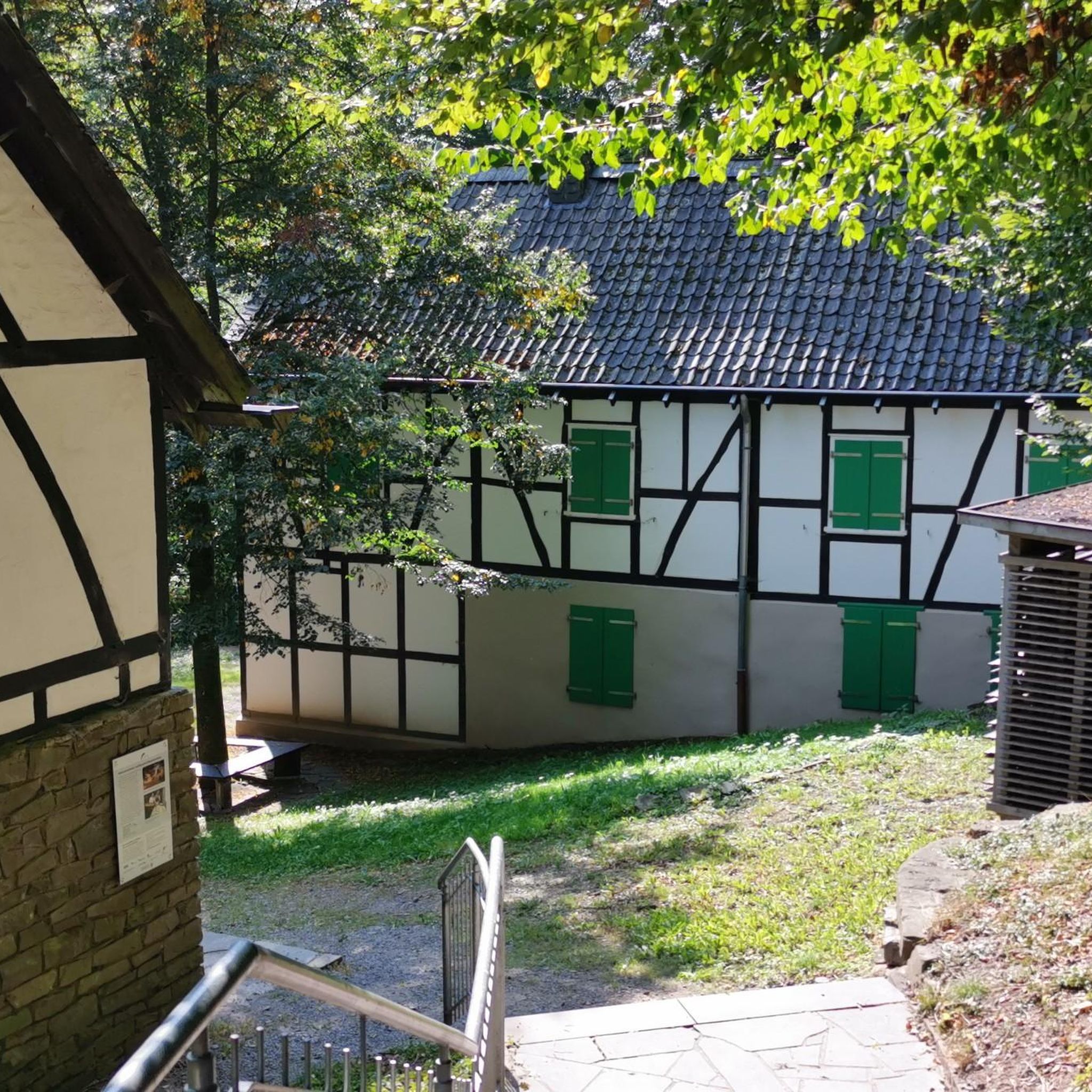
You will discover the washhouse, below the perched village of Veaunes, by following the « La Veaune » walking circuit! The construction of the washhouse dates back to 1896, it is located on the edge of the stream that bears its name: La Veaune. For its centenary in 1996, the washhouse was renovated and given a new roof structure, thanks to the work of the association “Jeunesse et reconstruction”. Nowadays, the restored washhouse is a testament to the history of the washerwomen of yesteryear. https://www.mercurol-veaunes.fr/decouvrir-mercurol-veaunes/le-patrimoine-de-mercurol-veaunes/
0
0
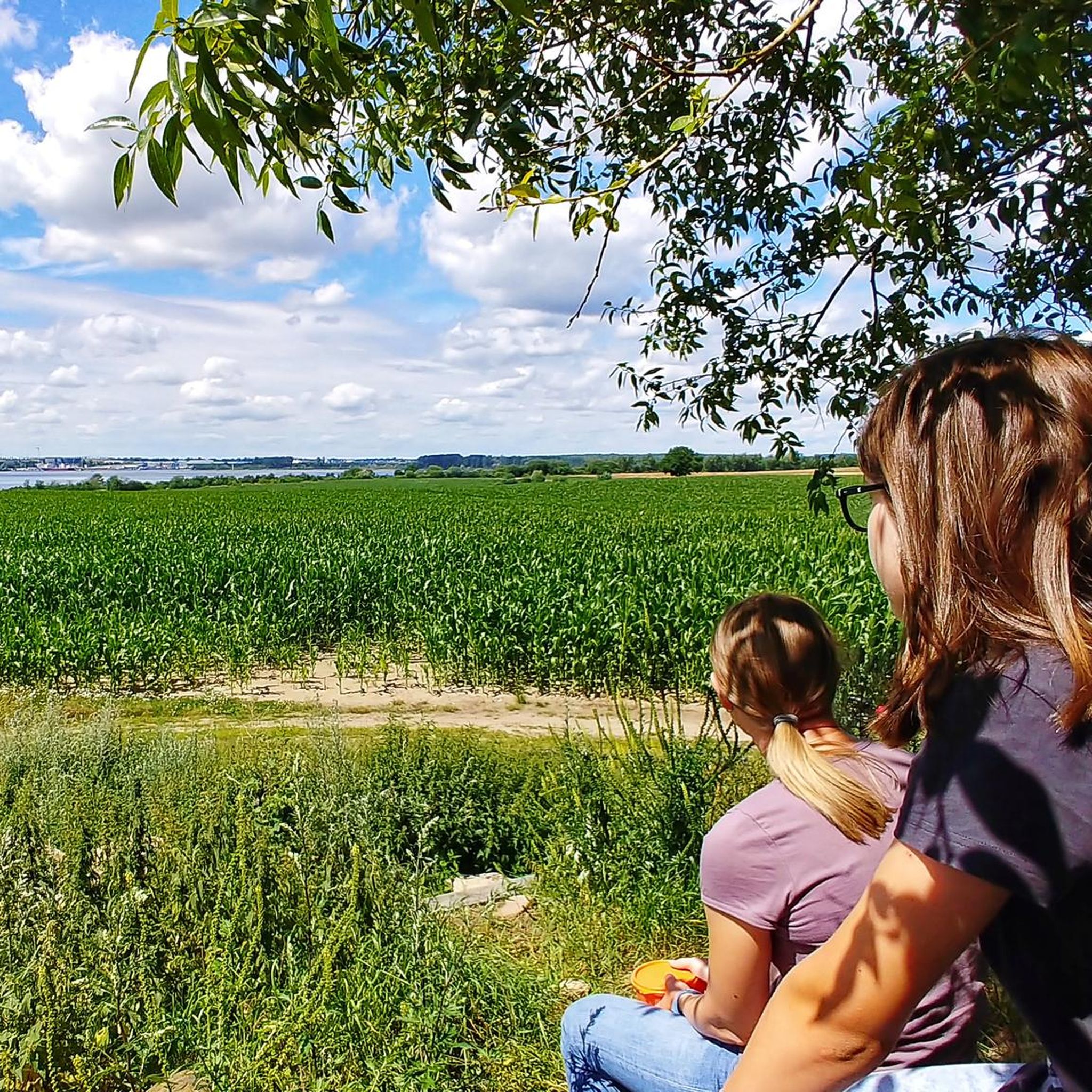
Belvédère de Veaunes: you will admire a superb panorama up to the Vercors mountains.
0
0

A truly beautiful stretch of the route! The stunning scenery and excellent cycle paths make cycling on the ViaRhôna a very special experience! :-)
0
0
Delicious, but expensive. Opposite is a small, lovely bakery with local baked goods. Yummy!!!!
0
0
Frequently Asked Questions
How many traffic-free gravel bike trails are available around Clérieux?
There are several dedicated traffic-free routes around Clérieux that are perfect for gravel biking. Our guide features 7 such routes, offering a variety of distances and elevations to explore the Drôme des Collines region without vehicle traffic.
What kind of terrain can I expect on traffic-free gravel trails in the Drôme des Collines?
The Drôme des Collines region, where Clérieux is located, is ideal for gravel biking. You'll find a mix of small, hidden roads, forest tracks, and paths. The terrain often includes rolling hills, peaceful countryside, and sections through vineyards and orchards, providing a diverse and scenic experience off paved roads.
Are there any family-friendly, traffic-free gravel routes near Clérieux?
While many routes in this guide are rated as 'difficult' due to elevation or distance, the region offers sections of greenways (Voie Verte) that are generally flatter and more accessible. For example, parts of the Véloroute Voie Verte Vallée de l'Isère offer a gentler experience, perfect for families seeking traffic-free paths. Always check the specific route details for suitability.
Can I find circular, traffic-free gravel routes around Clérieux?
Yes, many of the traffic-free gravel routes in the area are designed as loops, allowing you to start and finish at the same point. For instance, the ViaRhôna at Arras-sur-Rhône – Passerelle Marc-Seguin loop offers a substantial circular ride, combining riverside paths with scenic views.
What interesting sights or landmarks can I see along these traffic-free gravel trails?
The routes often pass through picturesque landscapes with views of rolling hills and vineyards. You might encounter historical elements like the Passerelle Marc-Seguin or the Marc Seguin Suspension Bridge. Some trails also offer distant panoramas of the Vercors and Ardèche mountains. The ViaRhôna: Riverside Path Between Orchards and Vineyards is a highlight in itself.
Are there any routes that pass by water features or lakes?
Yes, the region benefits from the Isère River, and paths along it, such as sections of the ViaRhôna, offer refreshing riverside views. While not directly on a route in this guide, Lac de Champos near Saint-Donat-sur-l'Herbasse is a notable water body in the vicinity, often part of local outdoor activities.
What is the best time of year to go gravel biking in Clérieux?
The Drôme des Collines is enjoyable for gravel biking across multiple seasons. Spring and autumn offer pleasant temperatures and beautiful scenery with changing foliage or blooming flowers. Summer can be warm, but riverside paths provide cooler options. Always check local weather conditions before heading out.
Are dogs allowed on the traffic-free gravel trails around Clérieux?
Many natural trails and greenways in the Drôme department are generally dog-friendly, especially if kept on a leash. However, specific regulations can vary by municipality or protected area. It's always best to check local signage or specific route details for any restrictions regarding pets.
Are there any beginner-friendly traffic-free gravel routes in the area?
While many routes in this guide are rated 'difficult' due to their length and elevation, the region offers an excellent introduction to gravel biking with no significant technical difficulties on routes like 'La Truffe des Collines' (not in this guide, but a regional example). Look for routes with lower elevation gain and shorter distances, or explore sections of the local 'Voie Verte' for an easier experience.
Where can I find parking for these traffic-free gravel bike trails?
Trailheads for many routes often have designated parking areas in nearby towns or villages. For example, routes like the Étang du Mouchet loop typically start from a town like Saint-Donat-sur-l'Herbasse, where public parking is usually available. Always check the starting point of your chosen route for specific parking information.
Are there any traffic-free gravel routes that offer opportunities for cafe stops or refreshments?
Many routes in the Drôme des Collines pass through or near charming villages and towns. For instance, the View on arthemonay – Montmiral church loop starts from Romans - Bourg-de-Péage, a larger town with various amenities. Planning your ride to include stops in these settlements is a great way to enjoy local cafes and bakeries.
Most popular attractions around Clérieux

Get inspired with the komoot mobile app


Explore more
Browse the best Gravel rides in other regions.
