The best traffic-free bike rides around Cassis
4.3
(291)
3,411
riders
23
rides
No traffic touring cycling routes around Cassis are defined by the dramatic landscapes of the Calanques National Park and the towering Cap Canaille. The region features rugged limestone cliffs, crystal-clear inlets, and serene vineyards. Coastal roads wind through this Mediterranean environment, offering diverse terrain for cyclists.
Best no traffic touring cycling routes around Cassis
- The most popular no traffic touring cycling route is View of Cassis – Route des Crêtes loop from Cassis, a 14.8 miles (23.8 km) trail that takes 2 hours 1 minute to complete. This difficult route offers spectacular views along Cap Canaille.
- Another top favourite among local touring cyclists is Port-Miou Marina – Port de Cassis loop from Cassis, a moderate 14.0 miles (22.5 km) path. This route explores the coastal areas around Port-Miou and the port of Cassis.
- Local touring cyclists also love the Bau de la Saoupe – View of Cassis loop from Cassis, a 15.9 miles (25.7 km) trail leading through hills and offering expansive views, often completed in about 2 hours 27 minutes.
- Touring cycling around Cassis is defined by limestone cliffs, coastal roads, and vineyards. The network offers options for different ability levels, from moderate coastal paths to challenging climbs.
- The routes in Cassis are highly rated by the komoot community with an average score of 4.2 stars from more than 200 reviews. More than 2000 touring cyclists have used komoot to explore Cassis's varied terrain.
Last updated: July 3, 2026
4.7
(25)
255
riders
21.5km
01:57
840m
840m
Hard bike ride. Very good fitness required. You may need to push your bike for some segments of this route.
4.2
(23)
198
riders
22.4km
01:49
440m
440m
Moderate bike ride. Good fitness required. Mostly paved surfaces. Suitable for all skill levels.

Sign up for free
4.3
(6)
64
riders
20.0km
01:49
610m
610m
Hard bike ride. Very good fitness required. Mostly paved surfaces. Suitable for all skill levels.
4.7
(7)
104
riders
25.1km
02:25
680m
680m
Hard bike ride. Very good fitness required. Mostly paved surfaces. Suitable for all skill levels.
5.0
(4)
64
riders
10.6km
00:56
380m
380m
Hard bike ride. Good fitness required. You may need to push your bike for some segments of this route.
Get access to more routes and recommendations from other explorers.
Sign up for free
Already have an account?
Our route recommendations are based on thousands of hikes, rides, and runs completed by other people on komoot.
Start today with a free account
Your next adventure awaits.
Login or Signup
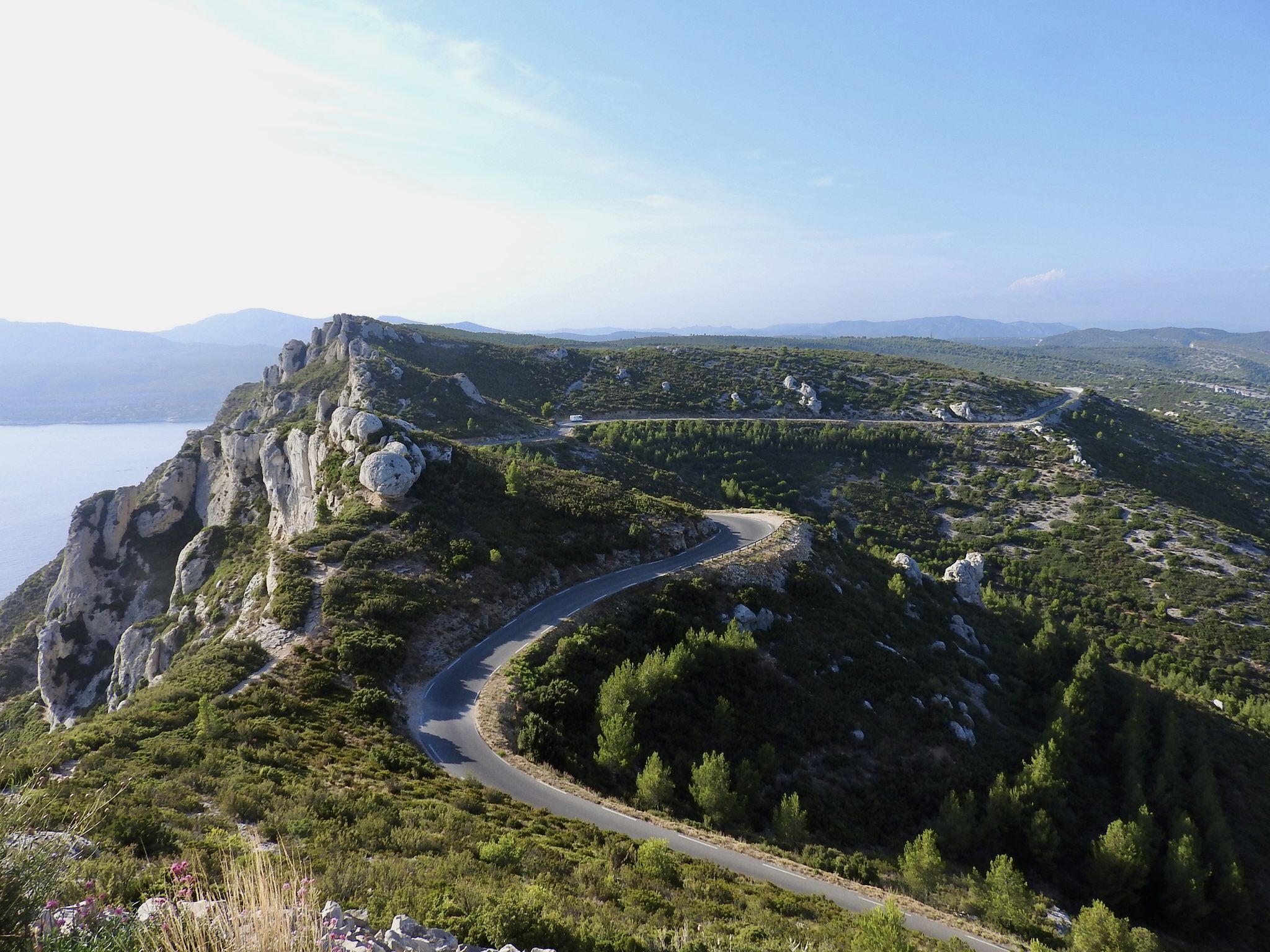
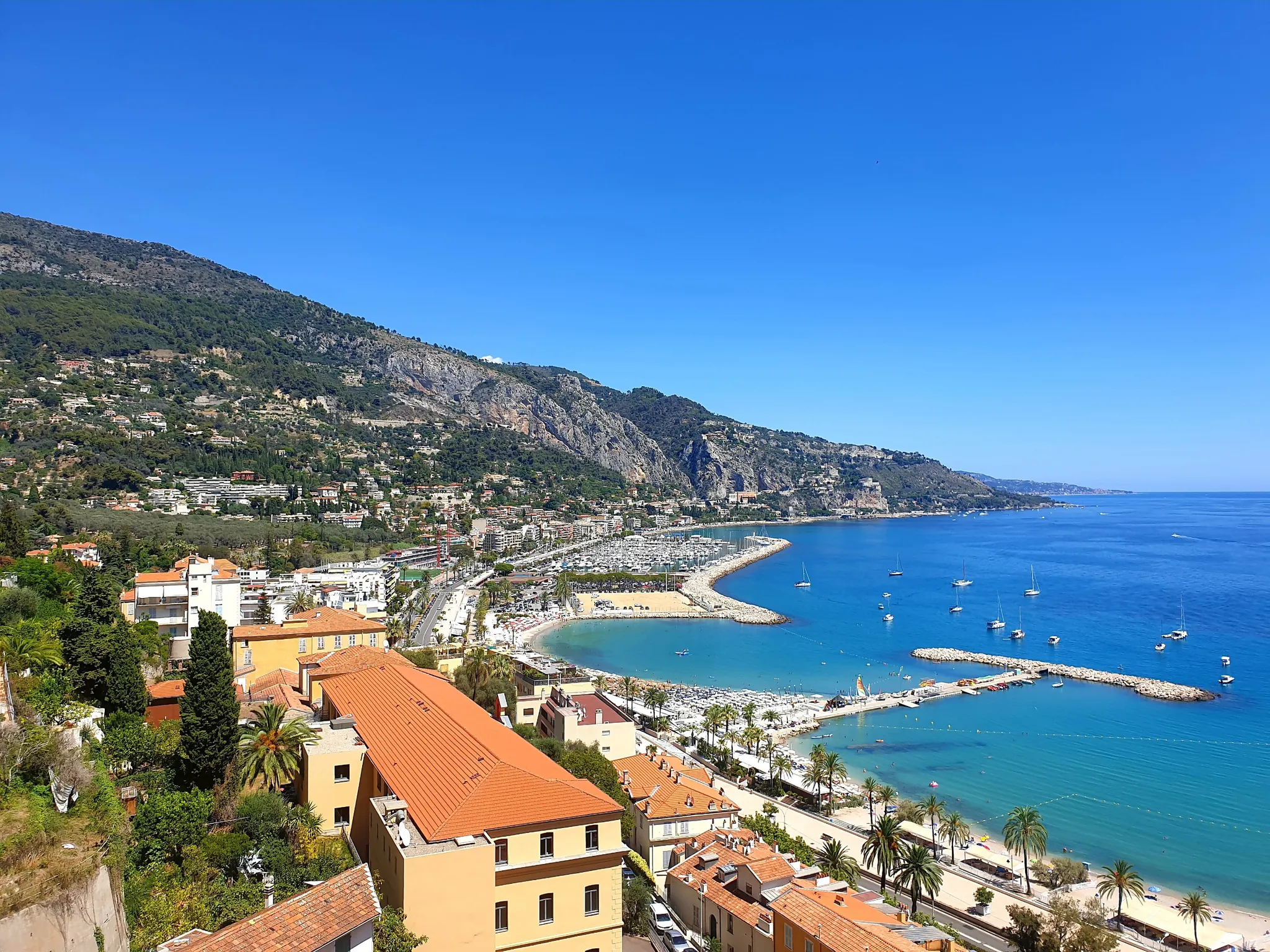
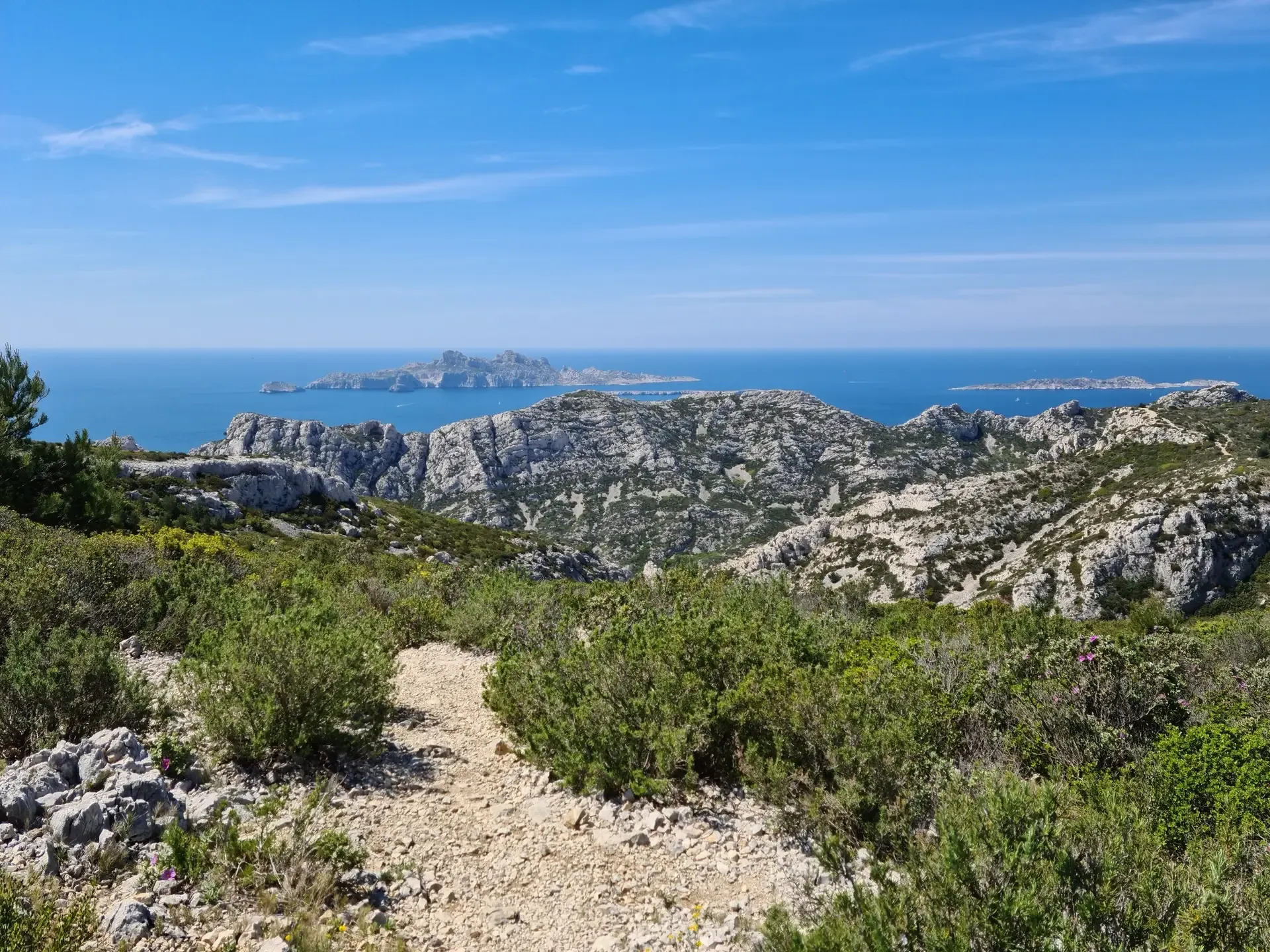
Other adventures around Cassis


Tips from the Community

One of the most beautiful harbors on the French Mediterranean coast with many old colorful fishermen's houses on the north and west sides and therefore well protected from the Mistral.
4
0

beautiful view over Cassis
0
0

Spectacular views, new asphalt. Closed to motorized traffic on Sundays, making it perfect for cycling/hiking.
0
0

📖 La Ciotat, a port steeped in history… 🏺 Ancient origins The Gulf of La Ciotat has attracted people for millennia. Excavations at Ellianac and in the Terrevaine Cave reveal the presence of sedentary tribes as early as 3000 BC. In the 5th century BC, the town became a stopover for ancient navigators. 📜 Birth of a commune In 1429, a charter recognized La Ciotat as a commune in its own right. In the 16th century, the town expanded with the arrival of Genoese noble families, who came from Italy after political unrest. ⚓ A port focused on shipbuilding In 1622, shipyards were established. Despite a decline in the 18th century, they regained their dynamism in the 19th century thanks to Louis Benet, who gave the site an industrial dimension. In 1836, Le Phocéen, the first French steamship in the Mediterranean, was launched, followed by the Bonaparte in 1839. 🏛️ A rich and vibrant heritage La Ciotat is full of treasures: churches, chapels, old gates, typical squares, private mansions... Old La Ciotat captivates with its charm and warm Provençal atmosphere, where past and present coexist. ⚫ The invention of pétanque At the beginning of the 20th century, Jules Le Noir, a merchant suffering from rheumatism, played the game sitting in a circle marked on the ground. His friend Mr. Pitiot suggested playing "with your feet tanqués" (glued to the ground)... Pétanque was born right here in La Ciotat! 🎬 The birthplace of cinema In 1895, Louis Lumière stayed in La Ciotat. There, he developed the cinematograph and shot some of the first films in history: Arrival of a Train at La Ciotat Station, The Sprinkler Sprinkled… The first private screening took place on September 21, 1895, at the Palais Lumière, even before Paris! In 1899, the Éden Théâtre hosted the first public ticketed cinema screening, making La Ciotat a mecca of the seventh art. This cinema, still in operation, is now a listed historic monument. 🎞️ Today: Economically, La Ciotat is experiencing a revival thanks to the rehabilitation of the former shipyards, now focused on luxury yachting and maritime technologies. La Ciotat seduces with its authentic Mediterranean atmosphere. Its bustling streets, colorful markets, festivals, and vibrant port offer a quality of life appreciated by both residents and visitors. https://youtu.be/BQjh8z9ioEw
0
0
📜 Cassis, a village through the centuries 🗿 The origins... Cassis has been inhabited since prehistoric times! The underwater Cosquer Cave and the rock shelters around the village bear witness to this. The connection between man and this territory has never been severed since. ⛰️ The Celto-Ligurians As early as the 3rd century BC, the Celto-Ligurians settled in the region. They built fortified villages (oppida) on the hills. They traded with the Greeks of Massalia, attracted by the local riches: coral, sheltered coves, etc. Vines and olive trees may have already appeared, but the mystery remains! 🏛️ The Roman period In the 1st century BC, Cassis became a bustling town. Fishing and trade took place there, and above all, the famous Cassis stone, used in construction, began to be mined. The ancient port, mentioned under the name of Carsicis Portus, bears witness to a true maritime life. ⚔️ From the withdrawal of the lords Between the 5th and 10th centuries, invasions forced the inhabitants to leave the port and take refuge in a castrum, a fortified village on the hills. In 1223, Cassis came under the control of the lords of Baux de Provence. ⛪ The time of the bishops In the 15th century, Cassis joined the County of Provence. King René then entrusted the city to the bishops of Marseille, who retained control of it until the Revolution. The crozier on the city's coat of arms still recalls this era. ⚓ Port, trades, and expansion From the 18th century onward, Cassis opened up around its port. Cod, coral, olive oil (thanks to the famous scourtins), stone are all cultivated here... and vines are increasingly common. 🍇 From wine to tourism In the 20th century, the old industries declined. Cassis wine gained in renown (Appellation d'Origine Contrôlée in 1936!), and tourism became essential. 🌞 Today Cassis seduces with its colorful alleyways, shaded squares, fountains, bowling greens... and its gentle way of life between the sea, cliffs, and vineyards. A village steeped in history, nature, and the Provençal art of living 🌊🍷🌿
0
0

today too much wind my days are hard with the bike it doesn't matter from time to time it's like that good luck to you all
0
0

It is worth deviating (a little) from the Route des Crêtes.
0
0
Along the A50, it really is, it can evoke the motorway. But it is never flat.
0
0
Frequently Asked Questions
How many no-traffic touring cycling routes are available around Cassis?
There are over 15 dedicated no-traffic touring cycling routes around Cassis, offering a variety of experiences. You'll find options ranging from easy rides to more challenging ascents, with a total of 19 routes listed in this guide.
What kind of terrain can I expect on no-traffic touring cycling routes around Cassis?
The terrain around Cassis is diverse, featuring scenic coastal roads, paths winding through serene vineyards, and rugged trails within the Calanques National Park. While some routes are paved, others may include wide stony paths, offering a mix of surfaces for touring cyclists seeking quiet exploration.
What natural features or landmarks can I see along the no-traffic touring cycling routes?
Many routes offer stunning views of the dramatic Calanques National Park, with its towering limestone cliffs and turquoise inlets. You can also expect panoramas of Cap Canaille, Europe's highest maritime cliff. Highlights include the View of the Port Miou calanque, the En-Vau Calanque viewpoint, and the View of the cliffs and the Calanque d'En-Vau. Some routes also pass through picturesque vineyards.
Are there any easy no-traffic touring cycling routes suitable for beginners in Cassis?
Yes, there are several easy no-traffic touring cycling routes perfect for beginners or those looking for a relaxed ride. This guide features 4 easy routes, allowing you to explore the charming village, its old port, and various beaches without significant challenges.
What do other touring cyclists enjoy most about the no-traffic routes in Cassis?
The komoot community highly rates the no-traffic touring cycling routes in Cassis, with an average score of 4.2 stars. Cyclists frequently praise the breathtaking coastal views, the unique geological formations of the Calanques, and the peaceful experience of riding away from car traffic. The blend of challenging ascents and serene vineyard paths is also a common highlight.
Can I find circular no-traffic touring cycling routes around Cassis?
Yes, many of the no-traffic touring cycling routes around Cassis are designed as loops, allowing you to start and end in the same location. Examples include the challenging View of Cassis – Route des Crêtes loop from Cassis and the moderate Port-Miou Marina – Port de Cassis loop from Cassis.
What is the typical elevation gain on these no-traffic touring routes?
Elevation gain varies significantly depending on the route's difficulty. Easy routes will have minimal climbing, while more difficult ones can feature substantial ascents. For example, the View of Cassis – Route des Crêtes loop from Cassis involves an elevation gain of approximately 880 meters, while the Port-Miou Marina – Port de Cassis loop from Cassis has about 448 meters of ascent.
Are there any specific viewpoints on these routes offering spectacular panoramas?
Absolutely. The region is renowned for its panoramic views. The En-Vau Calanque viewpoint and the View of the cliffs and the Calanque d'En-Vau offer stunning vistas of the iconic Calanques. Additionally, the 🚴♂️ View of Ste Baume, Ste Victoire, and Garlaban provides expansive inland panoramas.
Where can I park when accessing these quiet cycling routes in Cassis?
Parking in Cassis can be challenging, especially during peak season. It's advisable to look for designated parking areas outside the immediate town center or near the trailheads of specific routes. Some routes, like those starting from Cassis itself, may have limited parking options, so planning ahead is recommended.
Are there cafes or places to stop for refreshments along these no-traffic routes?
While many routes offer a sense of solitude, you'll find opportunities for refreshments, especially closer to Cassis village or in small hamlets along the way. It's always a good idea to carry sufficient water and snacks, particularly on longer or more remote sections within the Calanques National Park, as facilities can be sparse.
What is the best time of year to cycle no-traffic routes in Cassis?
The best time to cycle in Cassis is generally during the spring (April-May) and autumn (September-October) when the weather is mild and pleasant, and the tourist crowds are thinner. Summer can be very hot, making longer rides challenging, while winter offers cooler temperatures but some services might be reduced. Always check local weather conditions before heading out.
How long do these no-traffic touring cycling routes typically take?
The duration of these routes varies widely based on distance, elevation, and your cycling pace. Shorter, easier routes might take around 1.5 to 2 hours, such as the View of Cassis – Very steep ascent loop from Cassis which takes about 1 hour and 20 minutes. Longer, more challenging routes, like the Bau de la Saoupe – View of Cassis loop from Cassis, can take over 2.5 hours.
Most popular attractions around Cassis

Get inspired with the komoot mobile app


Explore more
Browse the best Cycling routes in other regions.
