The best city hikes and walks around Sarrebourg-Château-Salins
4.5
(10176)
52,599
hikers
20
hikes
Urban hiking trails around Sarrebourg-Château-Salins traverse a region characterized by diverse natural landscapes and historical integration. The area features expansive woodlands, including beech, oak, and Scots pine forests, alongside tranquil meadows. Numerous waterways, such as the Sarre and Marne-Rhine canals, offer picturesque routes that blend natural beauty with historical infrastructure. Modest hills and elevated viewpoints provide clear views, enhancing the urban walking experience.
Best urban hiking trails around Sarrebourg-Château-Salins
- The most popular urban hiking route is Saverne Lock – Rohan…
Last updated: July 16, 2026
4.6
(5)
24
hikers
8.61km
02:13
40m
40m
Moderate hike. Good fitness required. Easily-accessible paths. Suitable for all skill levels.
20
hikers
4.41km
01:11
60m
60m
Easy hike. Great for any fitness level. Easily-accessible paths. Suitable for all skill levels.

Sign up for free
9
hikers
7.60km
02:06
130m
130m
Moderate hike. Good fitness required. Easily-accessible paths. Suitable for all skill levels.
13
hikers
Moderate hike. Good fitness required. Easily-accessible paths. Suitable for all skill levels.
3.0
(2)
9
hikers
5.41km
01:29
90m
90m
Easy hike. Great for any fitness level. Easily-accessible paths. Suitable for all skill levels.
Get access to more routes and recommendations from other explorers.
Sign up for free
Already have an account?
Our route recommendations are based on thousands of hikes, rides, and runs completed by other people on komoot.
Start today with a free account
Your next adventure awaits.
Login or Signup
Popular around Sarrebourg-Château-Salins
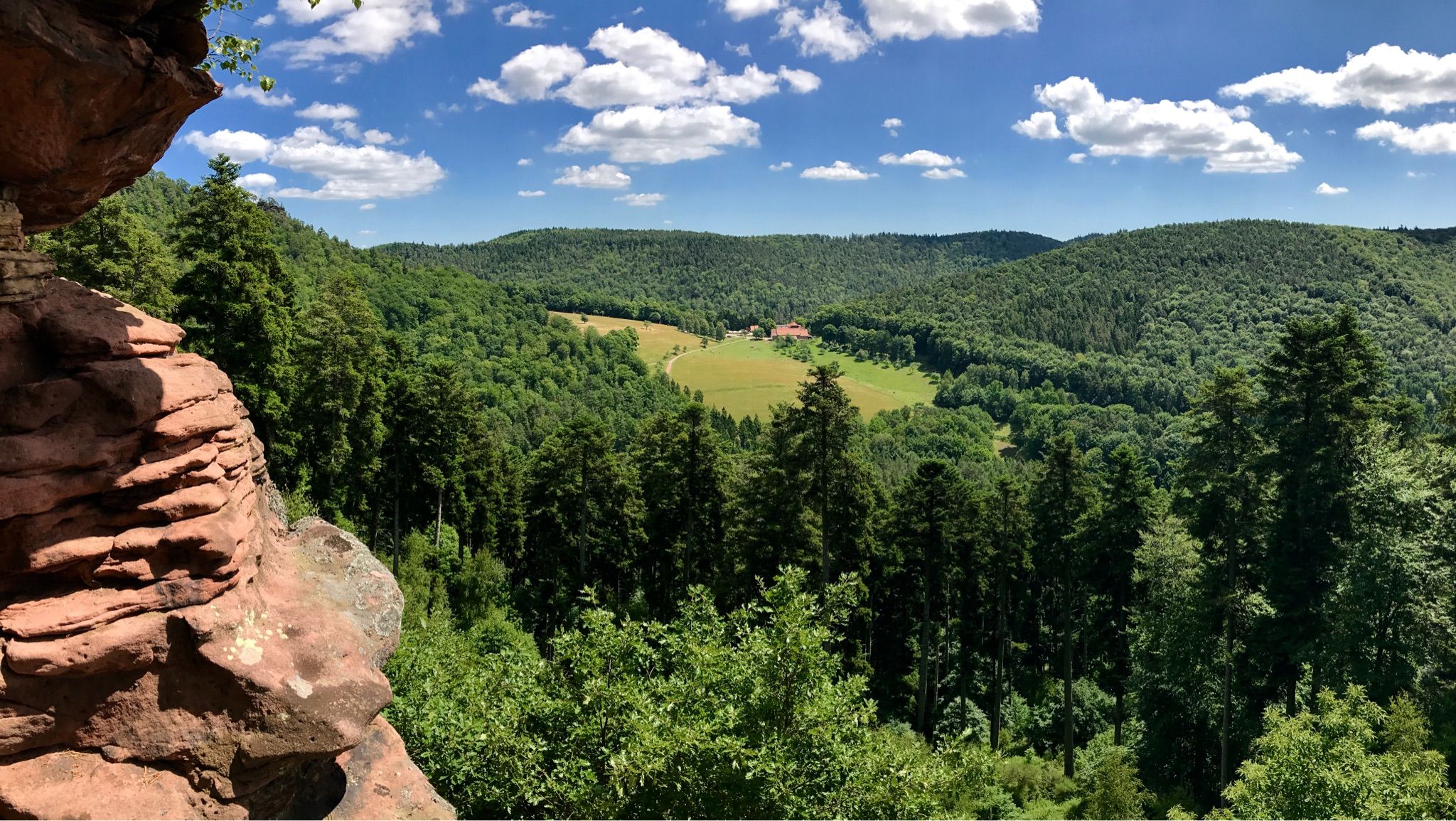
Hike the GR 53 – Explore castles along the Franco-German border
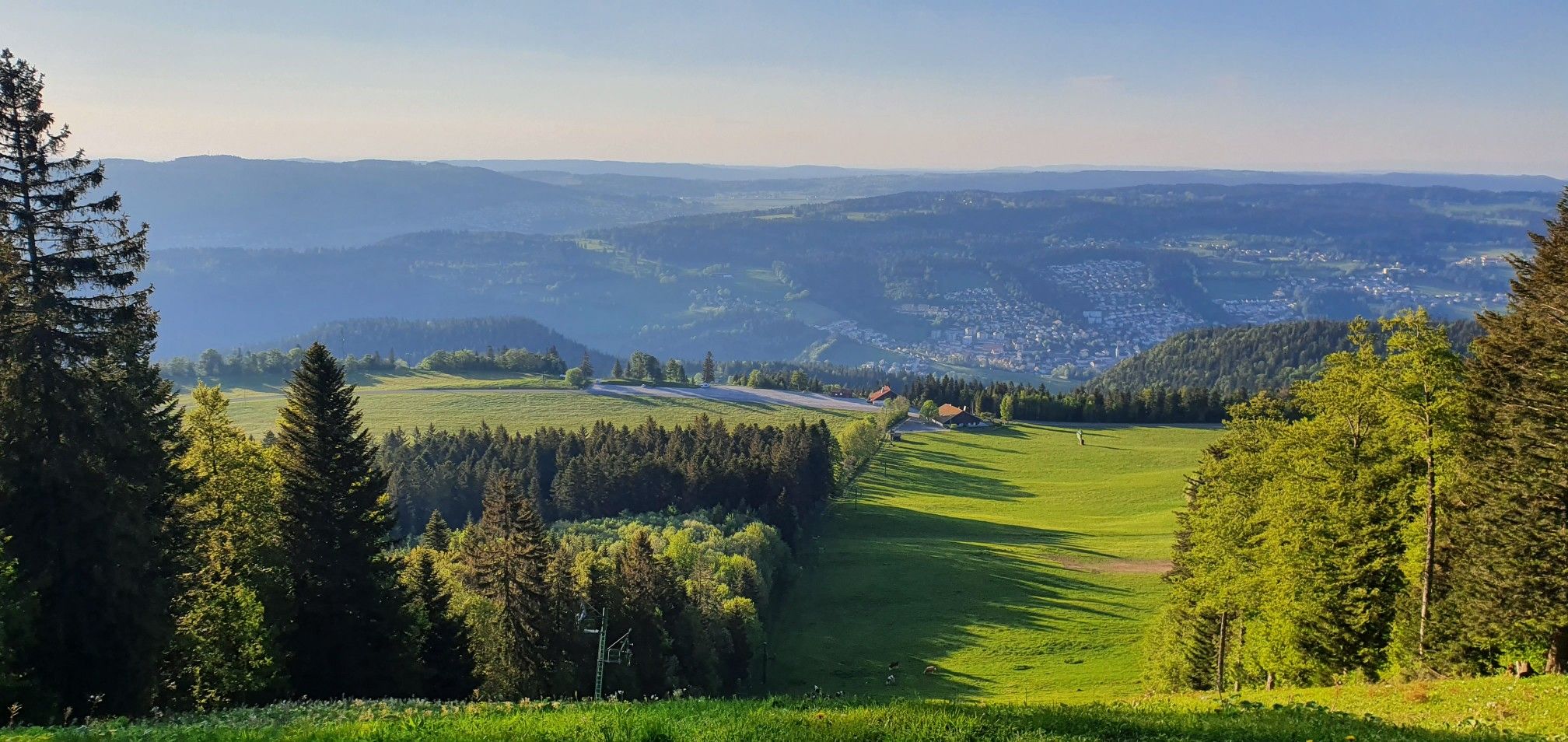
GR 5 – The Europe Trail from the Mediterranean to Germany
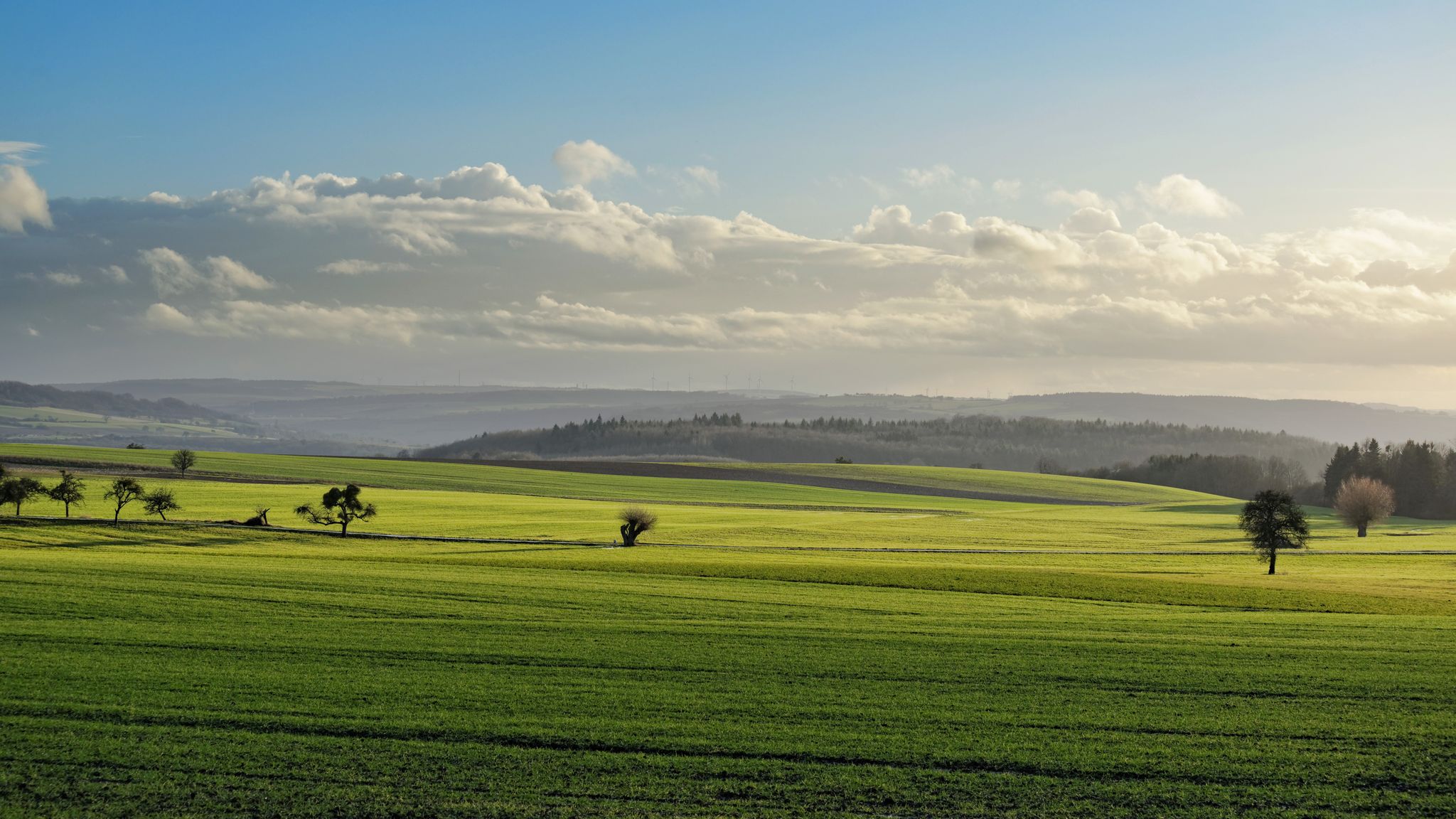
GR5 — The Europe Trail from Abreschviller to Apach
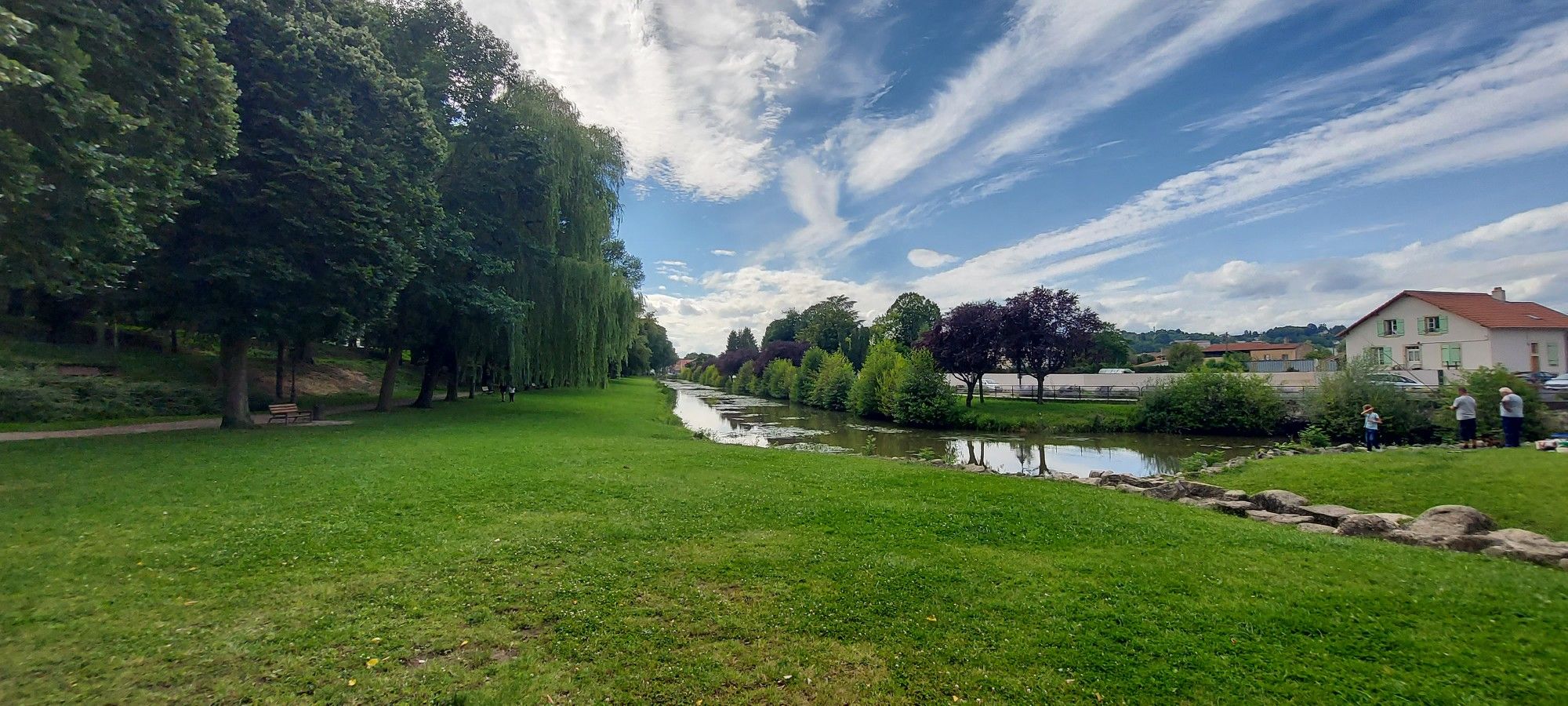
Linking Lorraine and Alsace – Stanislas-Kléber Path (GR 534)
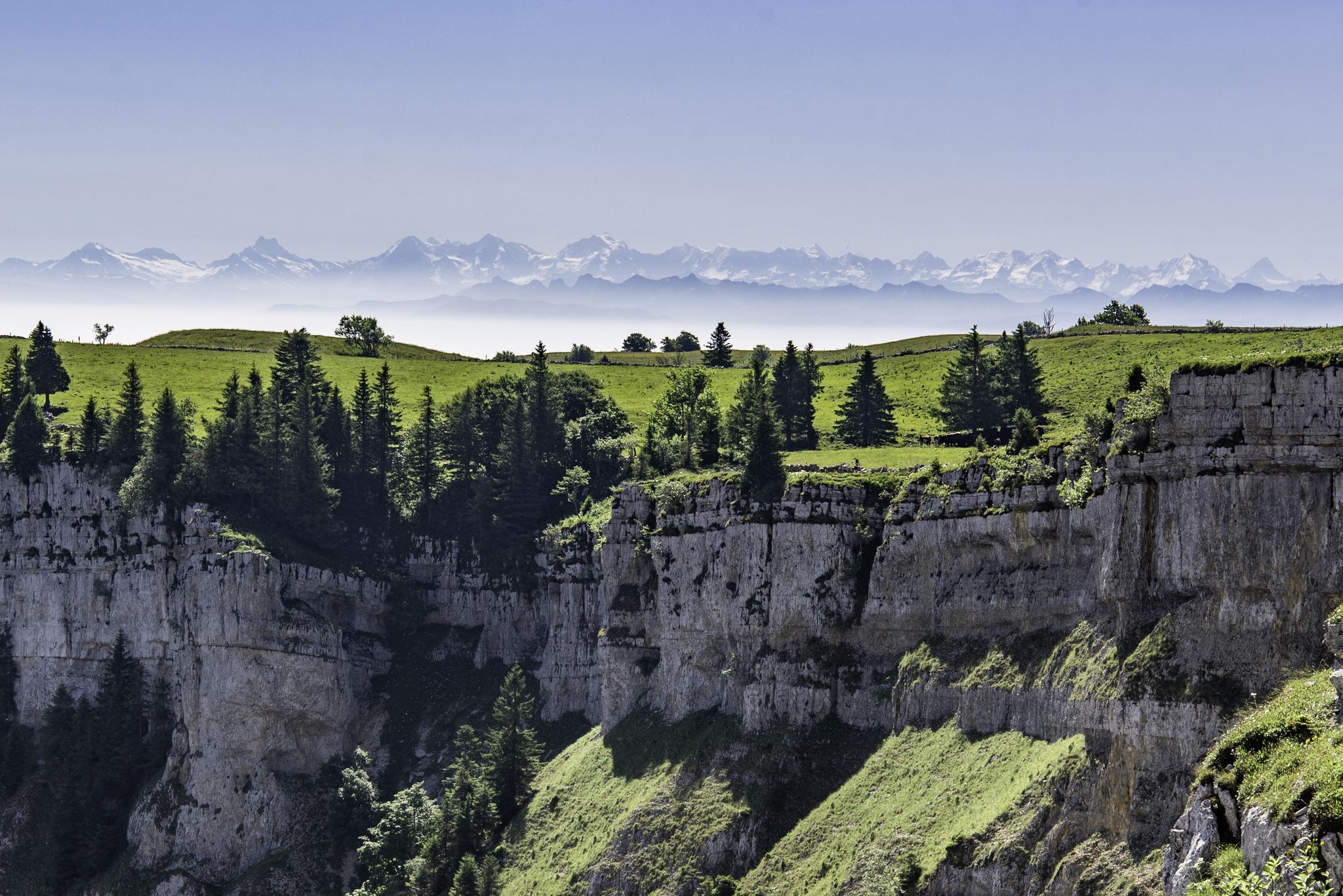
From the Vosges to the Jura mountains – Hexatrek, le Grand Est
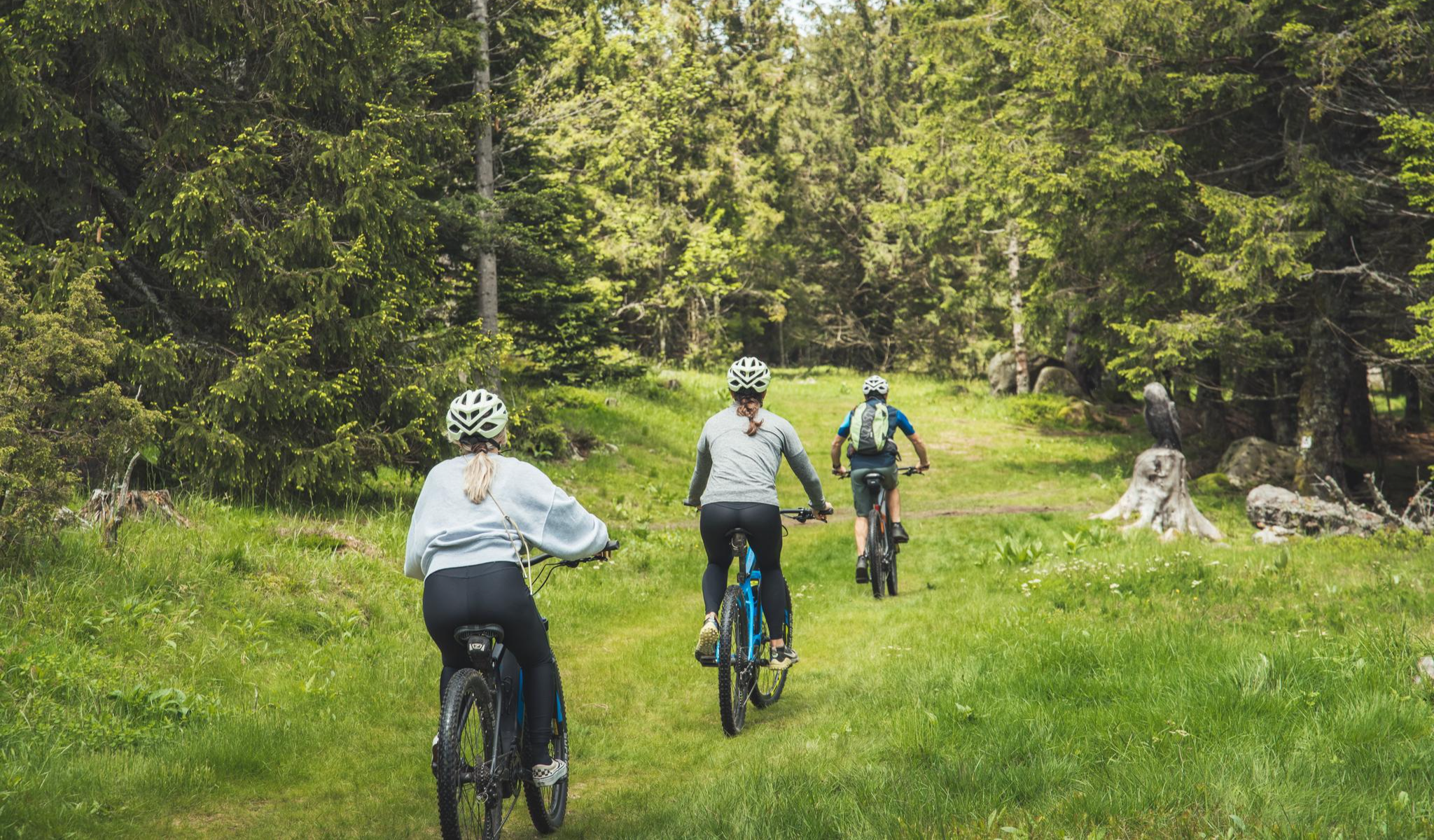
MTB and gravel in the Grand Est – the joy of the low mountains
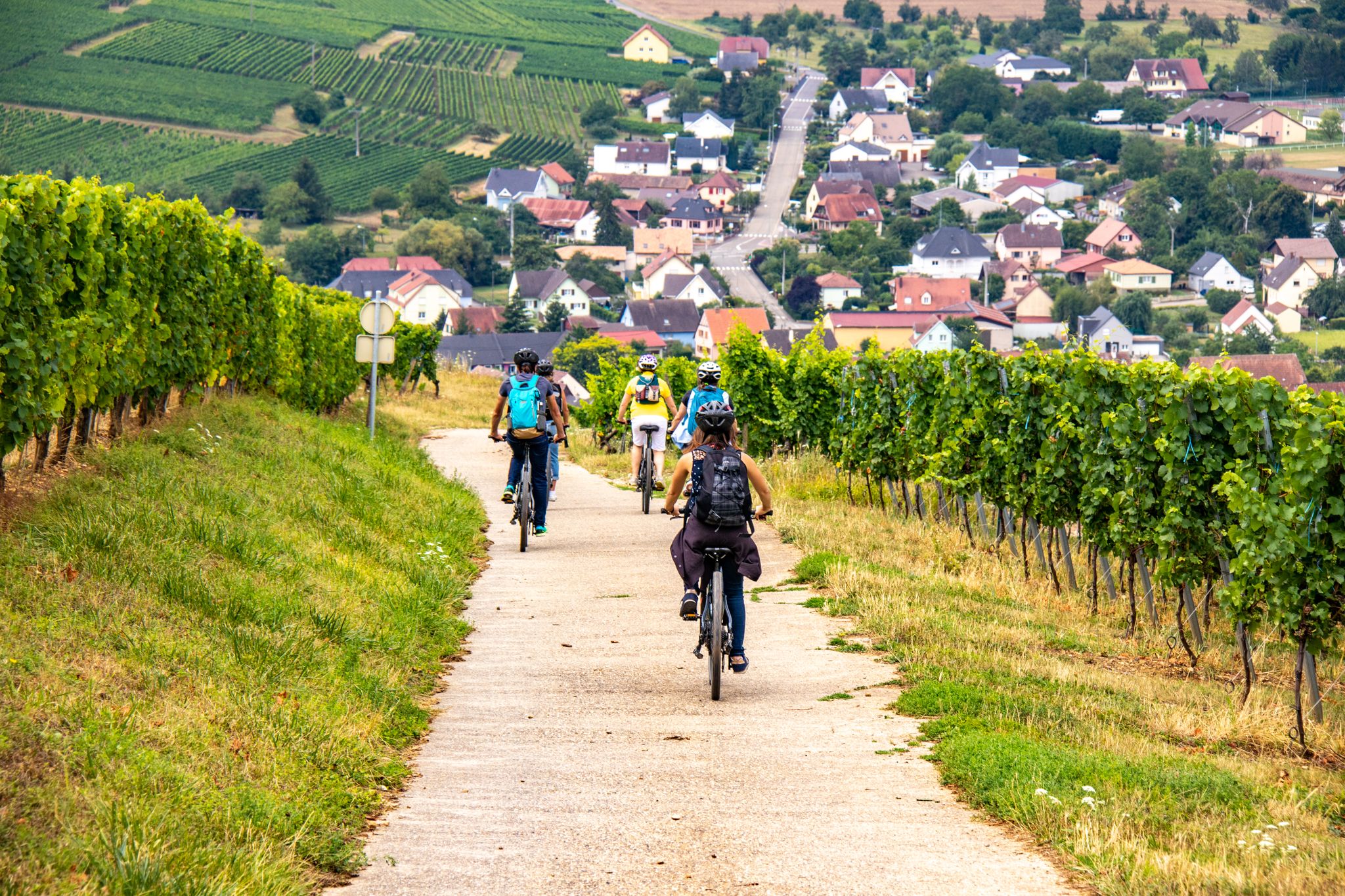
EuroVelo 5 - Via Romea (Moselle - Alsace)
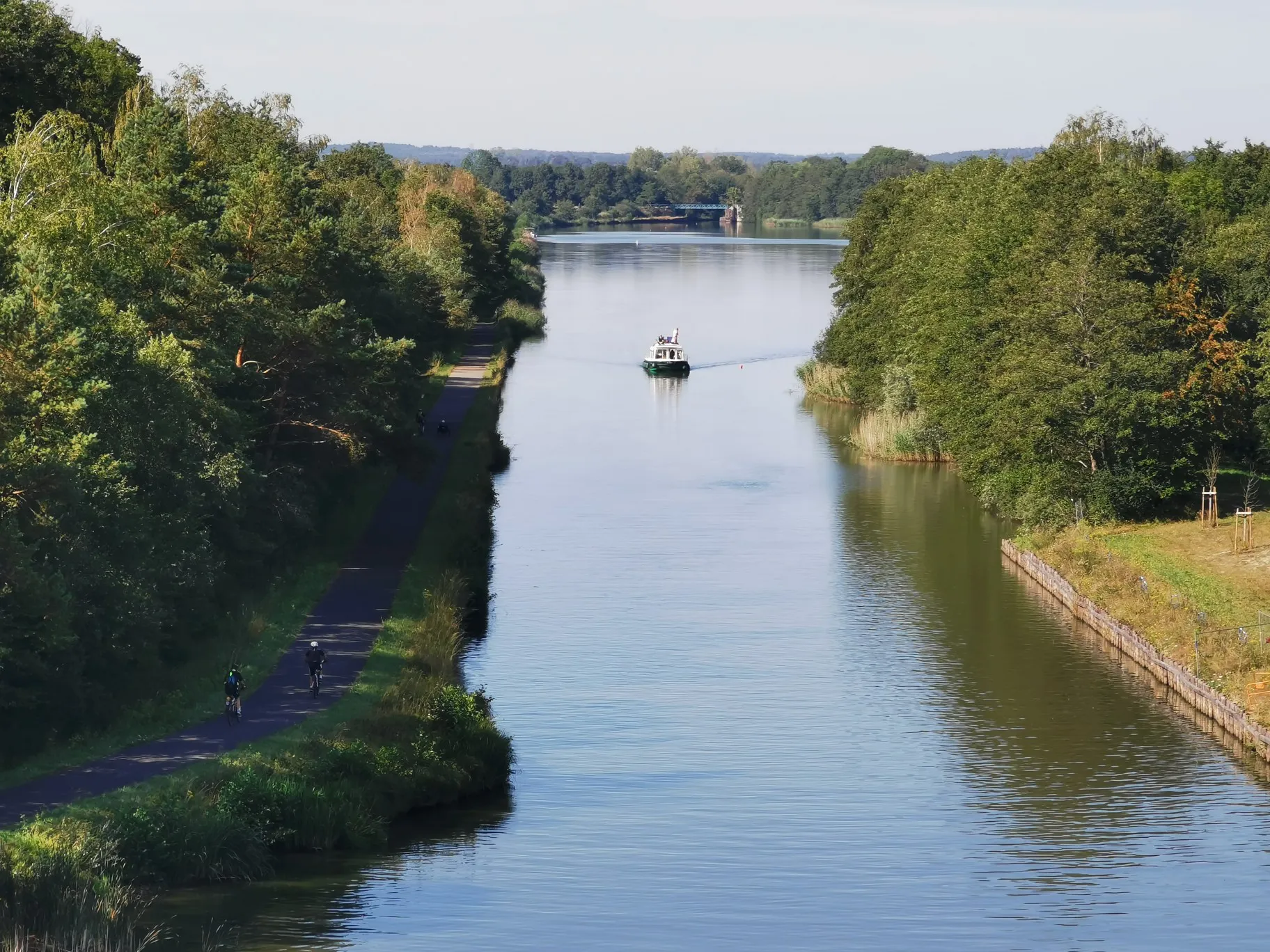
A river getaway – along the Marne-Rhine Canal
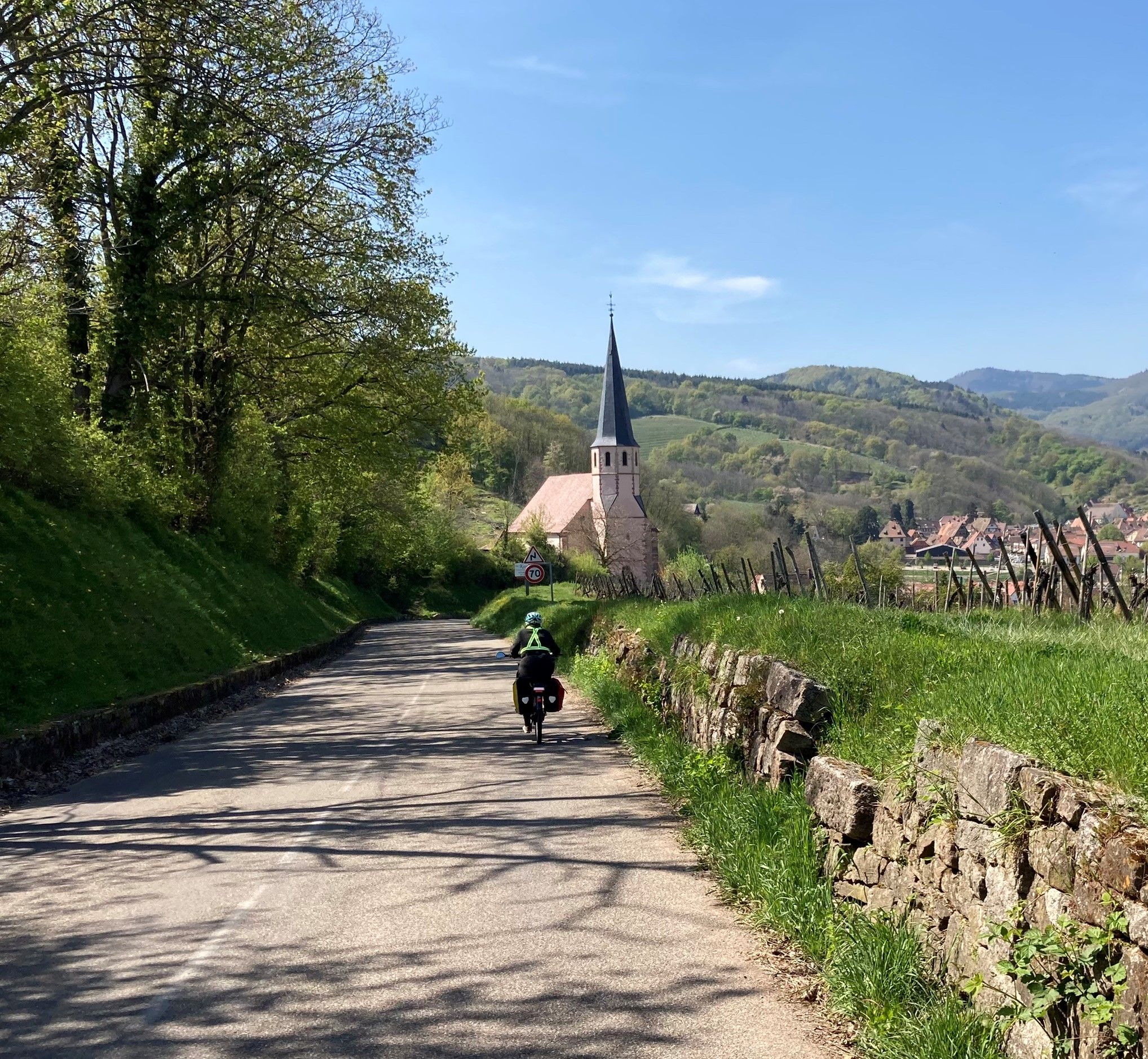
The Via Romea Francigena in Alsace-Moselle – EuroVelo 5
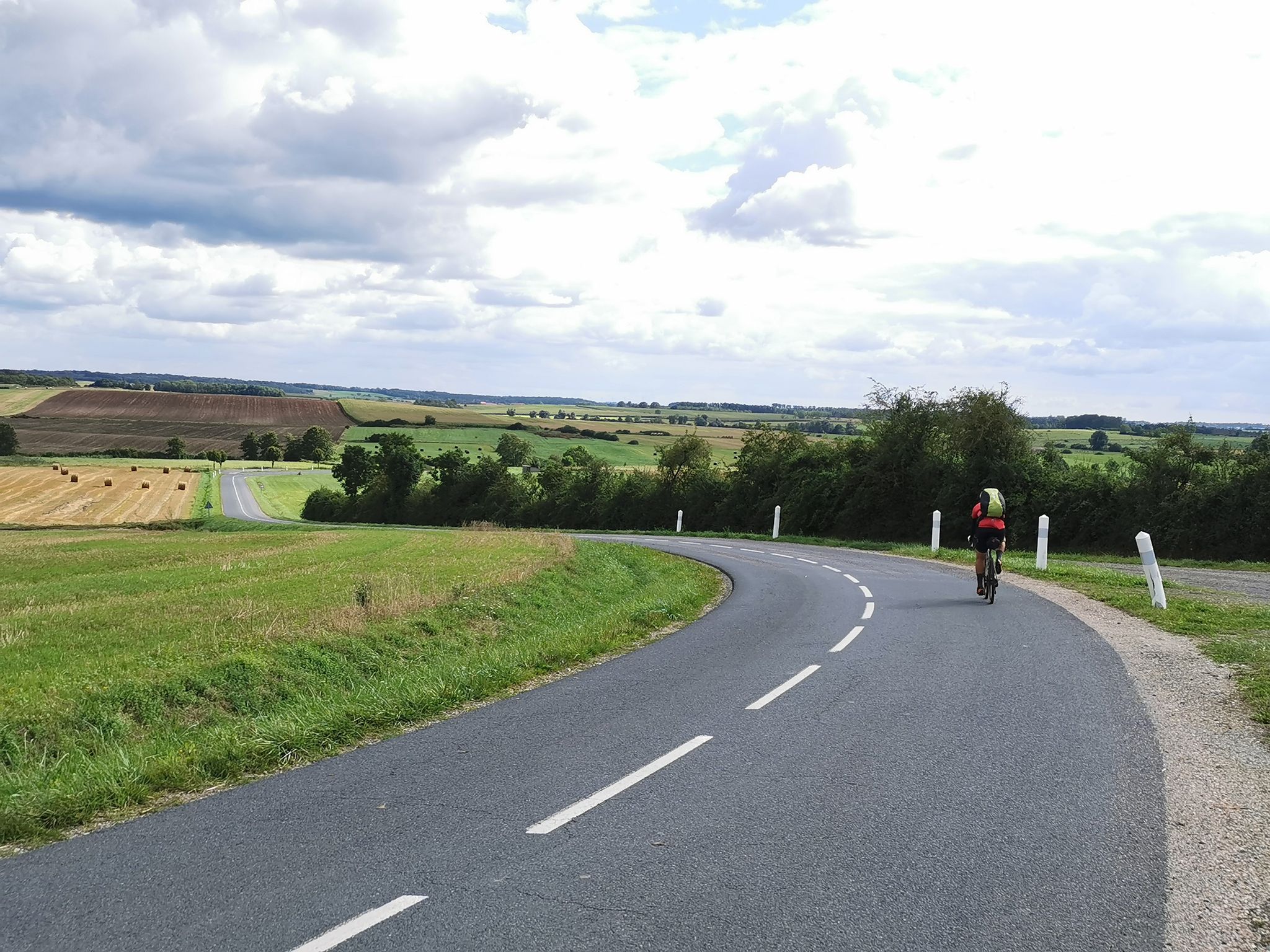
Bikepacking on the Veloroute SaarLorLux
Other adventures around Sarrebourg-Château-Salins


Tips from the Community

On the occasion of the patronage found here – the house of God is dedicated to 'Nativity of Mary' – I would like to offer the lingerer a short impulse from Saint John of Damascus (born 675/676, died before 754) for spiritual contemplation: 'The day of the birth of the Mother of God is a day of universal joy, for through the Mother of God the entire human race was renewed and the suffering of the first mother, Eve, was transformed into joy.'
0
0

The originally Romanesque chapel today serves as a museum for a huge and many other Chagall windows. The history of the window is exciting: In 1970, it was decided to demolish the dilapidated building adjacent to the chapel. The chapel was then restored. Due to the demolition, the chapel was open to the east. Marc Chagall was commissioned to close the opening with a stained-glass window, the Window of Peace, completed in 1976.
6
0
Many murals and especially sculptures, mostly nude representations in the city center.
6
0
The originally Romanesque chapel today serves as a museum for a huge collection of Chagall windows and many others. The history of the window is exciting: in 1970, it was decided to demolish the adjacent, dilapidated building. The chapel was then restored. Due to the demolition, the chapel was open to the east. Marc Chagall was commissioned to close the opening with a stained-glass window, the Window of Peace, completed in 1976.
6
0

The 7-meter-high monumental wooden sculpture depicts an alpaca.
1
0

The Château des Rohan, formerly called "The Little Alsatian Versailles," is located in the city center of Saverne on the Rhine-Marne Canal. This former bishop's castle, built in the 13th century and restored in the 19th century on the initiative of Napoleon III, now houses a museum, a cultural center, a youth hostel, and a school. The neoclassical façade (park side), made of pink sandstone, is 140 meters long, which is the same horizontal height as Strasbourg Cathedral. The Château des Rohan Museum presents extensive Gallo-Roman and medieval archaeological collections. It consists of three departments: Art and History, Louise Weiss, and Archaeology. The Art and History department encompasses many areas: paintings, prints, and 15th- and 16th-century polychrome wood carvings from the churches of Saverne and the region, as well as a room dedicated to the history of the castle. Louise Weiss Department To honor her Alsatian ties (her family originally came from Petite-Pierre near Saverne), journalist Louise Weiss (1893-1983) donated her collections (ethnographic objects, paintings, drawings, 19th- and 20th-century decorative arts, and personal archives) to the Saverne Museum in 1981 and 1983. Archaeological Department In the vaulted cellars of the castle, the museum houses a rich archaeological collection, including numerous Gallo-Roman funerary and votive steles. Tours of the museum and access to the castle roof are available (upon request). Admission (museum + roof access): €5 (adults) and €4 (students)
0
0

The tower is also the oldest part of the church. The Romanesque main portal stands out for its ironwork. On the outer wall, the wooden units are inscribed: "This is the wooden Dan." Inside the tower is an old crucifix from 1756. Further on, the pulpit dates from 1495, bearing the stonemason's mark of Hans Hammer, a master builder for the Bishop of Strasbourg. The statue of the Virgin Mary is made of wood from the 15th century. Turning to the organ, it is a mixture of Neo-Classical and Rococo, dating from 1784. Since the ceiling collapsed, it was restored and renewed in 1983. In a small niche, there is a statue of St. Vitus. He has a recess on his chest where the hosts are kept during Easter. Marie Antoinette, who stayed in Savern on her bridal journey to Paris, is venerated in this church.
0
0

There are several female sculptures throughout the city. Saarburg clearly places value on public art projects. Sculptures are specifically acquired to enhance public spaces, highlight cultural partnerships, or make art tangible. The nude (the naked human body, often female) is a central theme in art history—it represents beauty, form, movement, and naturalness. When a city supports art that explores classical themes, such figures often appear.
1
0
Frequently Asked Questions
How many urban hiking trails are available in Sarrebourg-Château-Salins?
There are over 20 urban hiking trails in the Sarrebourg-Château-Salins region, offering a variety of experiences for all skill levels. Most of these, 16 to be precise, are classified as easy, making them accessible for casual strolls and family outings.
What do other hikers enjoy most about urban hiking in Sarrebourg-Château-Salins?
The urban trails in Sarrebourg-Château-Salins are highly rated by the komoot community, with an average score of 4.6 out of 5 stars from over 3,300 ratings. Hikers often praise the seamless blend of historical sites, charming townscapes, and accessible natural beauty, especially along the canals and through local parks.
Are there any easy urban walks suitable for beginners or families?
Yes, many urban trails in the region are perfect for beginners and families. For a pleasant and easy stroll, consider the Saverne Lock – Rohan Castle loop from Saverne, which offers a gentle path through town and along the canal, taking just over an hour.
Can I find urban hiking routes that are circular?
Absolutely. Many of the urban hiking trails in Sarrebourg-Château-Salins are designed as circular routes, allowing you to start and end in the same location. An excellent example is the Saverne Old Town – Rohan Castle loop from Saverne, which provides a convenient and scenic experience.
What kind of historical landmarks can I see on urban hikes?
Urban hikes in Sarrebourg-Château-Salins often weave through areas rich in history. You can explore charming old towns, discover ancient castle ruins, and see historical infrastructure like old canal locks. For instance, the Saverne – Saverne Old Town loop from Saverne takes you past significant historical points within the town.
Are there any urban trails that offer good viewpoints?
While many urban trails focus on townscapes and canals, some routes offer glimpses of the surrounding natural beauty. For broader panoramic views of the Vosges Massif, you might consider routes that skirt the edges of towns or lead to slightly elevated points. The region is also home to impressive natural viewpoints like the Rocher de Dabo and Chapel Saint-Léon IX, which can be accessed from nearby trails.
Are there any urban walks that incorporate natural features like forests or waterways?
Yes, urban trails in Sarrebourg-Château-Salins frequently blend built environments with natural elements. You'll find routes that follow the Sarre and Marne-Rhine canals, offering picturesque waterside walks. Many also pass through local parks or skirt the edges of dense woodlands. The Saverne Old Town – Saverne loop from Saverne is a good option for experiencing both urban charm and green spaces.
What is the typical duration for an urban hike in this region?
The duration of urban hikes in Sarrebourg-Château-Salins varies, but many are designed for shorter, more accessible outings. You can find routes ranging from just over an hour to around two to three hours, making them ideal for a leisurely afternoon. For example, the Rohan Castle – Saverne Lock loop from Saverne typically takes around two hours.
Are there any specific attractions or points of interest along the urban trails?
Beyond the general charm of the towns, urban trails can lead you to specific points of interest. In Sarrebourg, the Parcours Chagall includes the Chapelle des Cordeliers, famous for Marc Chagall's 'La Paix' stained-glass window. You might also encounter highlights like the Lutzelbourg Castle ruins or the Réchicourt Castle 🏰, often accessible via trails that connect urban areas with their natural surroundings.
Are the urban hiking trails in Sarrebourg-Château-Salins suitable for all seasons?
Many urban hiking trails in the region are suitable for year-round enjoyment, thanks to their generally well-maintained paths and lower elevations. While spring and autumn offer vibrant colors, winter walks can be particularly charming, especially if the paths are cleared. Always check local conditions before heading out, particularly after heavy rain or snowfall.
Where can I find more information about family-friendly activities in the region?
Beyond hiking, Sarrebourg-Château-Salins offers various family-friendly outdoor activities. For more ideas on engaging younger adventurers, including treasure hunts and other nature excursions, you can visit the local tourism website: Tips for a family day out in nature in Sarrebourg Moselle Sud.
Most popular routes around Sarrebourg-Château-Salins
Most popular attractions around Sarrebourg-Château-Salins

Get inspired with the komoot mobile app


Explore more
Browse the best Hikes in other regions.
