The best traffic-free bike rides around Xàtiva
4.5
(110)
7,994
riders
66
rides
Road cycling around Xàtiva offers diverse terrain, from river valleys to significant hills and mountainous areas. The region features a mix of fertile fields, olive groves, and orange trees, providing varied scenery for cyclists. Routes often traverse low-traffic roads and greenways, ensuring a focused cycling experience. The landscape includes features like the Albaida River gorge and the Bellús Reservoir, with some routes incorporating climbs towards higher elevations.
Best no traffic road cycling routes around Xàtiva
- The most popular no traffic…
Last updated: October 19, 2026
5.0
(1)
145
riders
52.9km
02:40
780m
780m
Moderate road ride. Good fitness required. Mostly well-paved surfaces and easy to ride.
4.0
(1)
75
riders
42.8km
01:52
260m
260m
Easy road ride. Great for any fitness level. Mostly well-paved surfaces and easy to ride.

5.0
(1)
32
riders
53.4km
02:33
470m
470m
Moderate road ride. Good fitness required. Mostly well-paved surfaces and easy to ride.
27
riders
29.9km
01:22
210m
210m
Moderate road ride. Great for any fitness level. Some segments of this route may be unpaved and difficult to ride.
5.0
(1)
50
riders
44.5km
02:09
610m
610m
Moderate road ride. Good fitness required. Mostly well-paved surfaces and easy to ride.
Get access to more routes and recommendations from other explorers.
Already have an account?
Our route recommendations are based on thousands of hikes, rides, and runs completed by other people on komoot.
Start today with a free account
Your next adventure awaits.


Other adventures around Xàtiva


Tips from the Community

The port of Barx is a Valencian classic. Its horseshoe bends run over the panorama of the surrounding mountains and the Mediterranean coast.
3
0


The wonderful setting surrounds a fairytale monastery.
1
0

The Royal Monastery of Santa Maria de Valldigna was founded by James II the Just on March 15, 1298, who gave the Alfàndec valley to Abbot Bononat of Vila-seca to found a monastery of the Cistercian order, a branch of the Santes Creus monastery. It was the first monastery of such importance built in the ancient Kingdom of Valencia, after the Christian conquest. Days after the royal donation, James II, brother Bononat and his entourage met at the place of Ràfol (a Christian village in the valley founded after the conquest of James I) to take possession of the territory, plus one mile inland, the castles of Marinyén, Alcalà and the tower of Mondúber.
1
0

"This is the exact point where the bike wants to fly... but the view forces you to brake. Serra de les Agulles in the background and Santa Maria de la Valldigna below. A rewarding descent!" Then, refocus as the road twists and turns just beyond with a double bend that demands your attention and puts your brakes to the test.
1
0
The "Col de Rates de la Safor" The Barx Pass, from Simat, is a gem for any cycling enthusiast. A climb that perfectly combines effort with the beauty of the surroundings. Each curve offers a new perspective of the Valldigna Valley, while the monastery remains behind as a silent witness to the ascent. Frequently used by local cyclists, it's an ideal stretch to enjoy at a leisurely pace, feeling each pedal stroke amidst nature and heritage. With several well-defined hairpin bends and a steady but manageable gradient, it's perfect for enjoying the effort without suffering too much. Pass details: 6.3 km | 301 m elevation gain | average gradient of 4.8% | ramps of up to 9.8%.
1
0
The utmost care with which this ancient monastery is being restored arouses deep admiration and respect.
2
0
Very good view of Valldigna and a well-deserved rest after climbing the port of Simat-Barx.
2
0
Frequently Asked Questions
How many no-traffic road cycling routes are available around Xàtiva?
There are over 50 dedicated no-traffic road cycling routes around Xàtiva, offering a wide range of options for all skill levels. You'll find everything from easy, flat rides to more challenging routes with significant elevation gains.
What kind of terrain can I expect on Xàtiva's quiet road cycling routes?
The region around Xàtiva offers diverse terrain, from fertile fields and olive groves to significant hills and mountainous areas. You can find routes with considerable elevation gains, such as those leading towards the Serra Grossa, or gentler rides along river valleys and greenways. Many routes utilize low-traffic paved roads, ensuring a smooth cycling experience.
Are there any easy, family-friendly no-traffic road cycling routes in Xàtiva?
Yes, Xàtiva offers several easy routes suitable for families. For instance, the Plaça de la Bassa – Xàtiva Cathedral loop from Xàtiva is an easy option. The region also features greenways and low-traffic paths that are ideal for a relaxed family outing, providing a safe environment away from heavy vehicle movement.
Can I bring my dog on the no-traffic road cycling routes around Xàtiva?
While specific regulations for dogs on cycling routes vary, many low-traffic roads and greenways are generally suitable for cycling with dogs, especially if they are accustomed to a trailer or can run safely alongside on a leash. Always ensure your dog's safety and comfort, and check local signage for any restrictions in specific areas or natural parks.
What are some notable landmarks or natural features to see along the quiet road cycling routes?
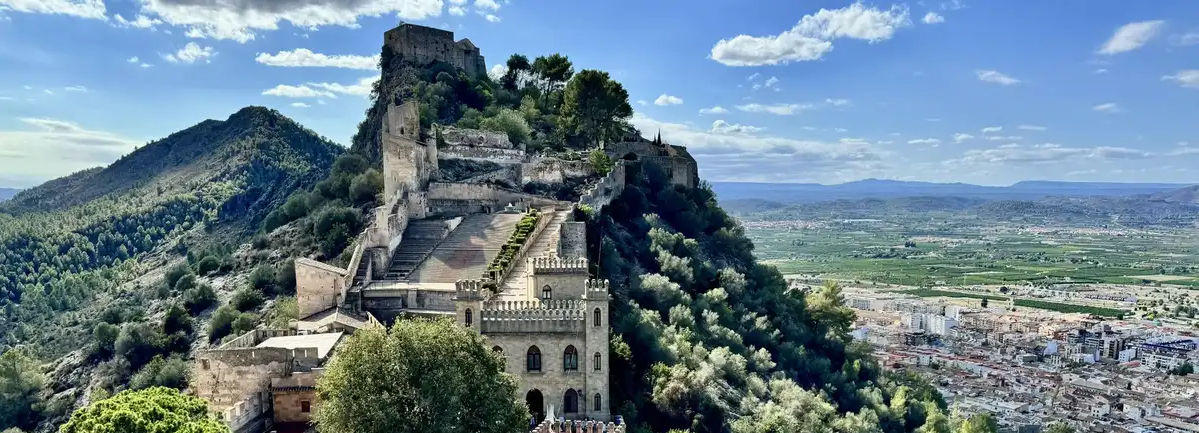
Many routes offer stunning views and pass by significant landmarks. You can cycle past the iconic Xàtiva Castle, which offers panoramic views of the Valencian countryside. Natural features include the Bellús Reservoir, often incorporated into scenic loops, and the Albaida River gorge with its historic aqueducts. While not directly on road cycling paths, the broader region also features natural wonders like Gorgo de la Escalera and Cova Negra, which highlight the area's natural beauty.
What is the best time of year for quiet road biking in Xàtiva?
Xàtiva benefits from a warm Mediterranean climate, making it an attractive cycling destination for much of the year. Spring (March to May) and autumn (September to November) offer pleasant temperatures, ideal for longer rides. Even winter can be suitable, though some days might be cooler. Summers can be hot, so early morning or late afternoon rides are recommended during this season.
Are there any challenging no-traffic road cycling routes for experienced cyclists?
Absolutely. For those seeking a challenge, routes with significant elevation gains are available. The region's mix of high mountains and hills provides opportunities for demanding ascents. For example, the Summit of the Barxeta Pass – Recreation Area loop from Xàtiva offers a moderate challenge with notable elevation. Routes incorporating climbs towards areas like Serra Grossa also provide rewarding experiences for fit cyclists.
Can I find circular no-traffic road bike trails around Xàtiva?
Yes, many of the no-traffic road cycling routes around Xàtiva are designed as loops, allowing you to start and end your ride in the same location. This is convenient for exploring the diverse landscapes without needing to retrace your steps. Examples include the Xàtiva Cathedral – Trail along the Albaida River loop from Xàtiva and the Palau dels Sanç loop from l'Alcúdia de Crespins.
What do other road cyclists enjoy most about cycling in Xàtiva?
The komoot community highly rates the cycling experience in Xàtiva, with an average score of 4.75 stars. Reviewers often praise the region's diverse landscapes, the historical attractions like Xàtiva Castle, and the availability of quiet, well-maintained roads that allow for enjoyable rides away from traffic.
Are there cafes or places to stop for refreshments along the no-traffic routes?
While many routes venture into quieter areas, Xàtiva and the surrounding towns and villages offer various cafes, restaurants, and shops where you can stop for refreshments. Planning your route to pass through these charming settlements will ensure you have opportunities to refuel and experience local culture.
How can I access the no-traffic road cycling routes using public transport?
Xàtiva is well-connected by public transport, including regional trains and buses, which can often accommodate bicycles. This allows you to reach Xàtiva or nearby towns that serve as starting points for many routes. It's advisable to check the specific public transport provider's policies regarding bike carriage in advance.
Are there any routes that pass by waterfalls or natural pools?
While direct road cycling paths might not lead right to waterfalls, the broader region around Xàtiva is home to beautiful natural water features. For example, Gorgo de la Escalera in Anna, known for its clear pools and waterfall, is a popular natural attraction that can be reached as part of a wider exploration of the area. Other highlights include the Gaspar Waterfall and Pool and Salto Waterfall.
Most popular attractions around Xàtiva

Get inspired with the komoot mobile app


Explore more
Browse the best Road cycling routes in other regions.
