The best traffic-free bike rides around Antequera
4.7
(23)
620
riders
102
rides
No traffic road cycling routes around Antequera traverse a region characterized by unique karst landscapes and rolling hills, offering diverse terrain for cyclists. The area features distinctive limestone formations, such as those found in El Torcal de Antequera, alongside expansive olive groves and scenic valleys. Road cycling here often involves varied elevation gains, from gentle slopes to demanding climbs, providing a range of challenges. The landscape is defined by its geological wonders and picturesque views, including landmarks like La Peña…
Last updated: July 2, 2026
25
riders
58.0km
02:47
650m
650m
Moderate road ride. Good fitness required. Mostly well-paved surfaces and easy to ride.
33
riders
Moderate road ride. Good fitness required. Mostly well-paved surfaces and easy to ride.

Sign up for free
26
riders
Moderate road ride. Good fitness required. Mostly well-paved surfaces and easy to ride.
27
riders
37.6km
02:17
480m
480m
Moderate road ride. Good fitness required. Some segments of this route may be unpaved and difficult to ride.
4.3
(16)
25
riders
42.3km
01:46
180m
180m
Easy road ride. Great for any fitness level. Mostly well-paved surfaces and easy to ride.
Get access to more routes and recommendations from other explorers.
Sign up for free
Already have an account?
Our route recommendations are based on thousands of hikes, rides, and runs completed by other people on komoot.
Start today with a free account
Your next adventure awaits.
Login or Signup
Popular around Antequera
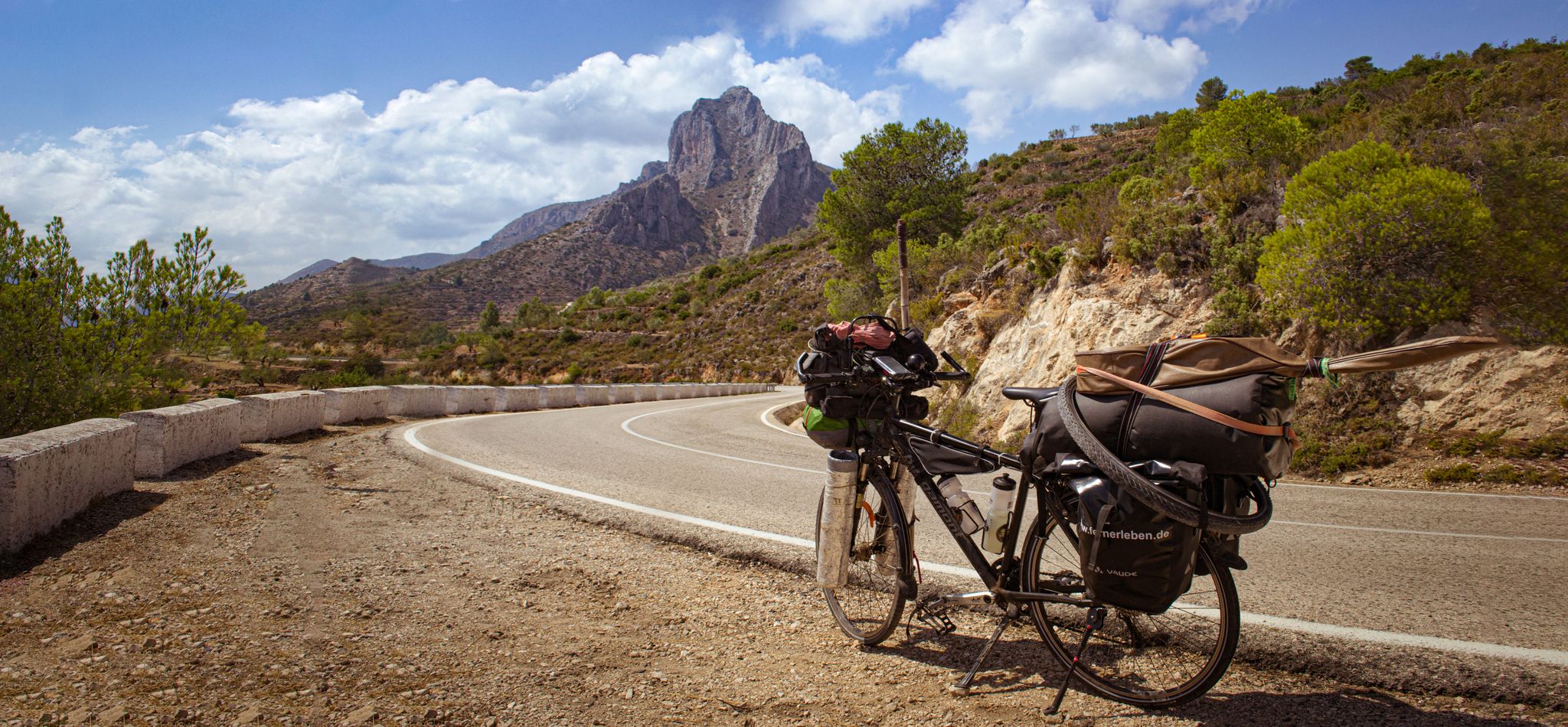
On the road to the sun — bikepacking to southeast Spain
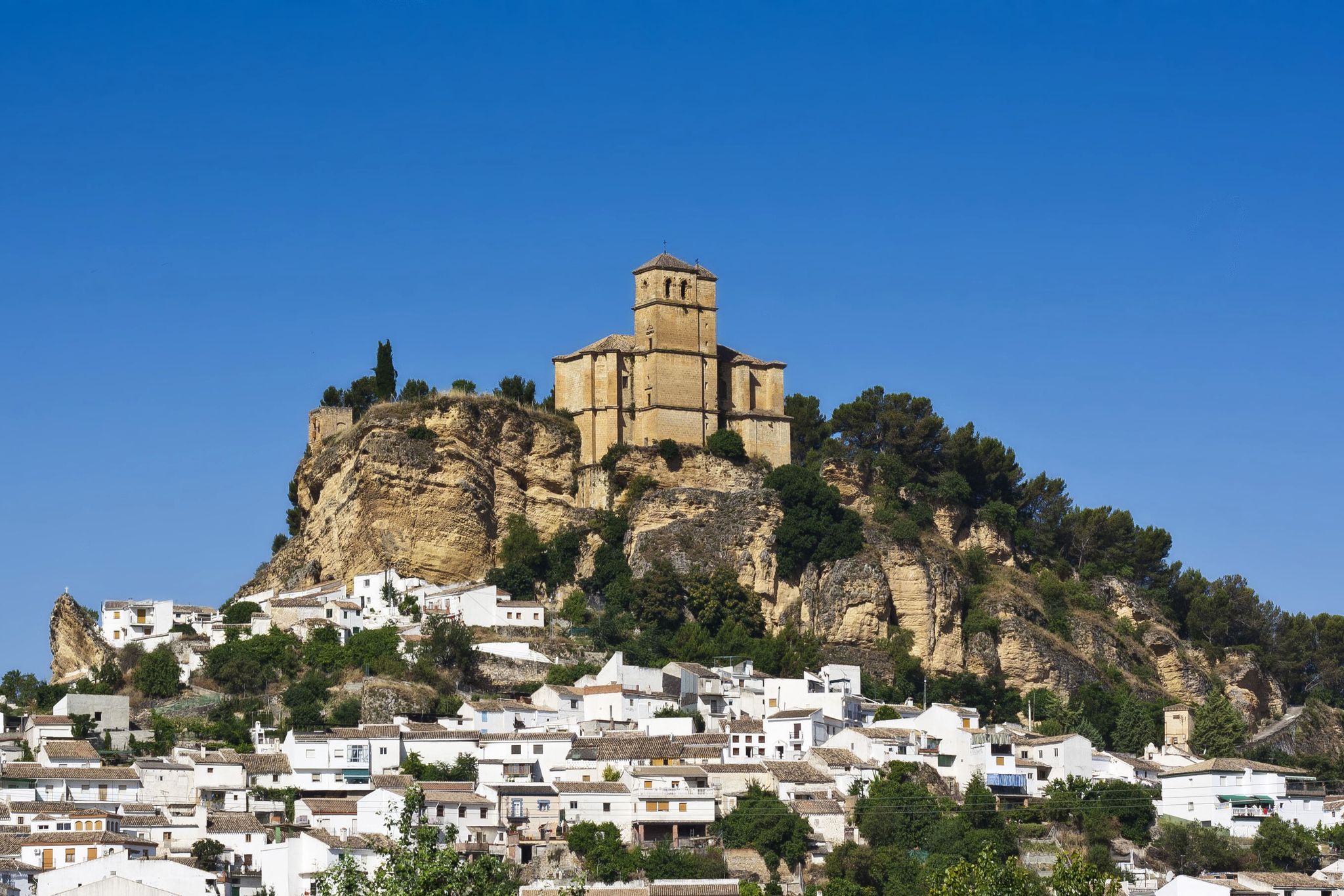
Washington Irving – cycle through the Arab vestiges of Andalusia
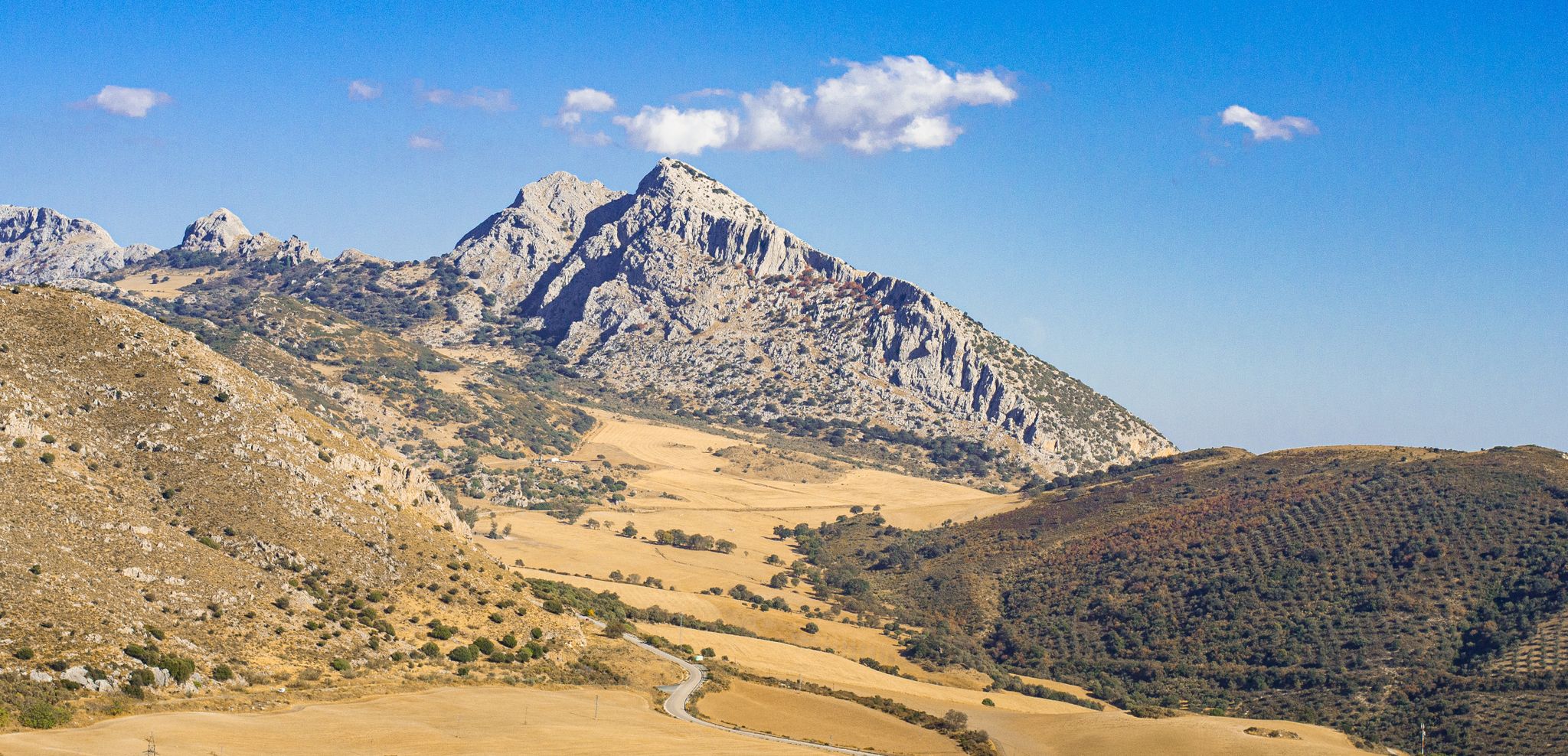
The beauty of the Andalusian mountains – Transandalus southern section
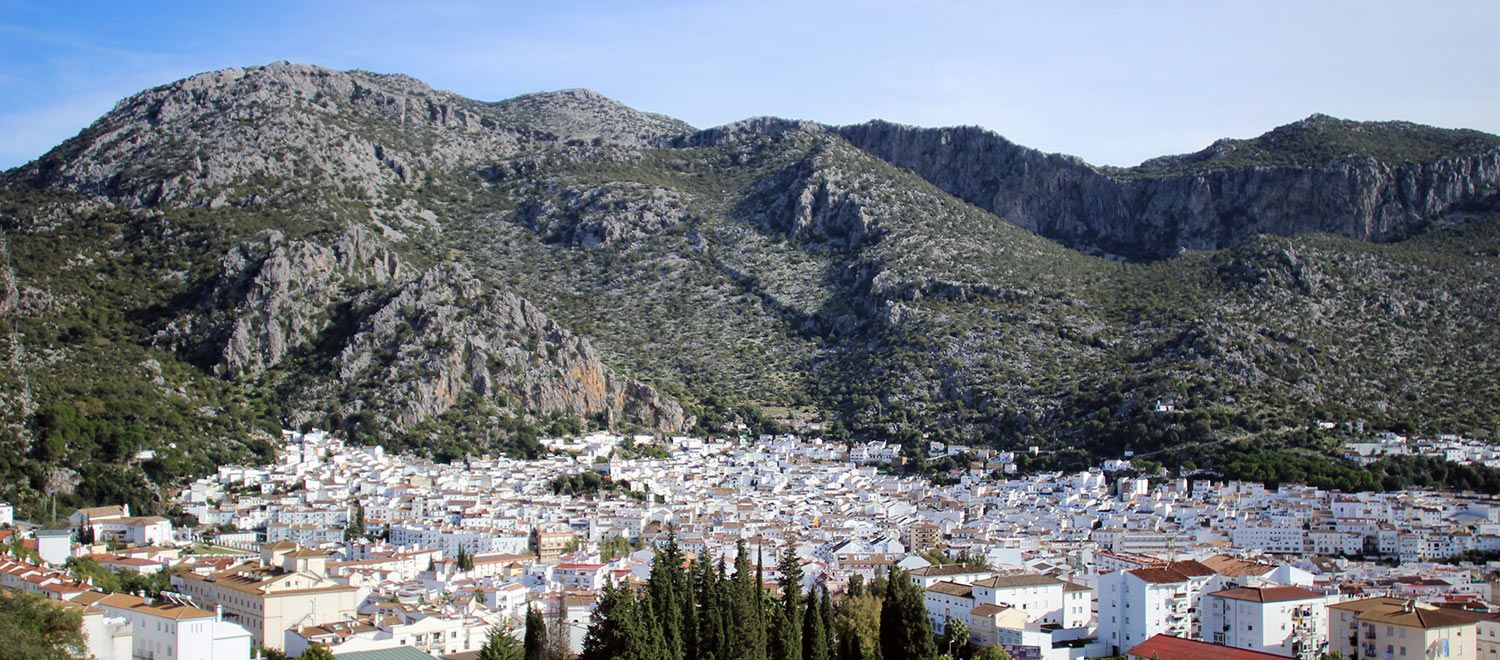
Explore the Betic Mountains on two wheels – Altravesur
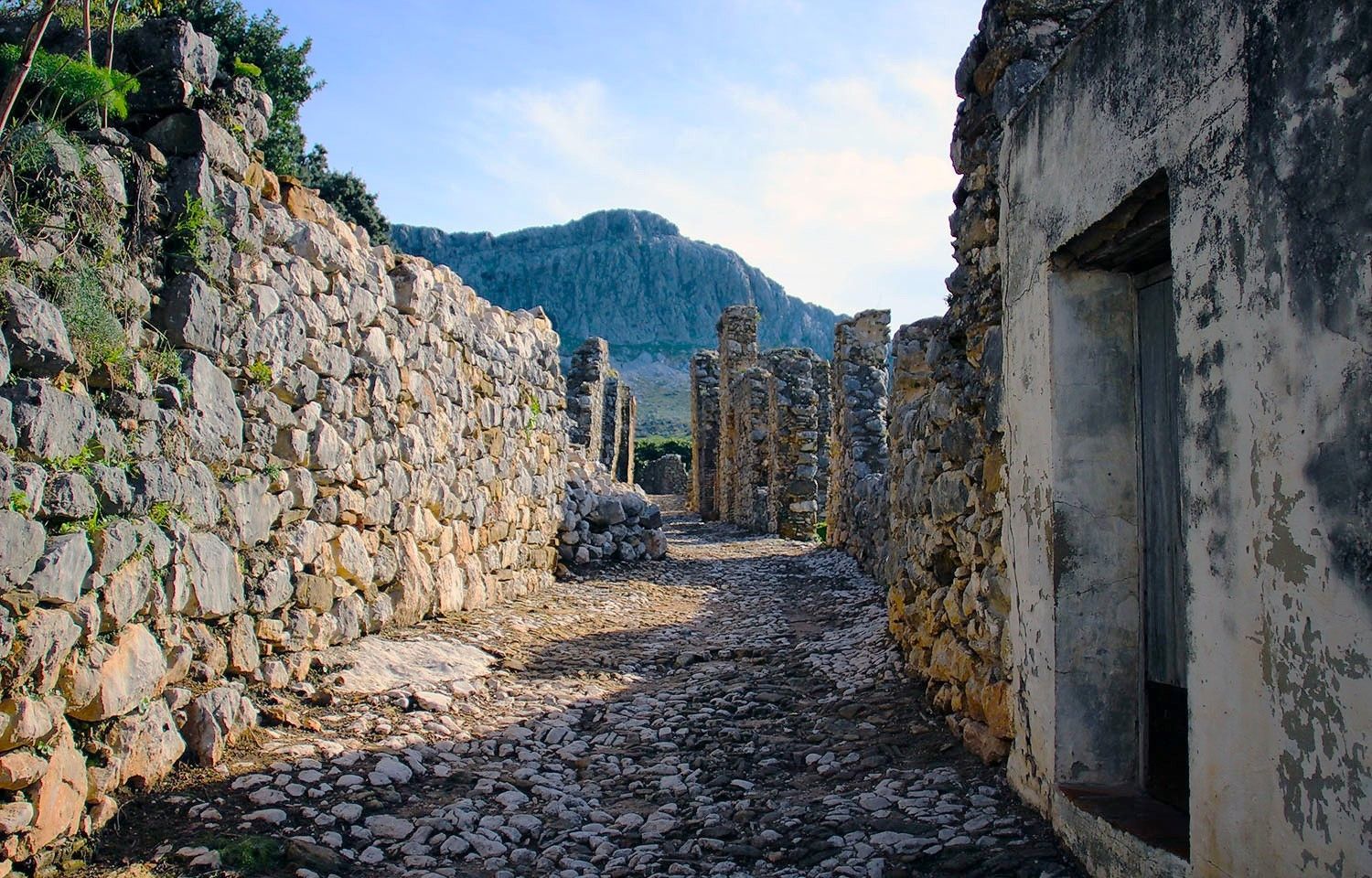
Andalusia without limits – Tarifa to La Puebla de Don Fabrique on the GR 7
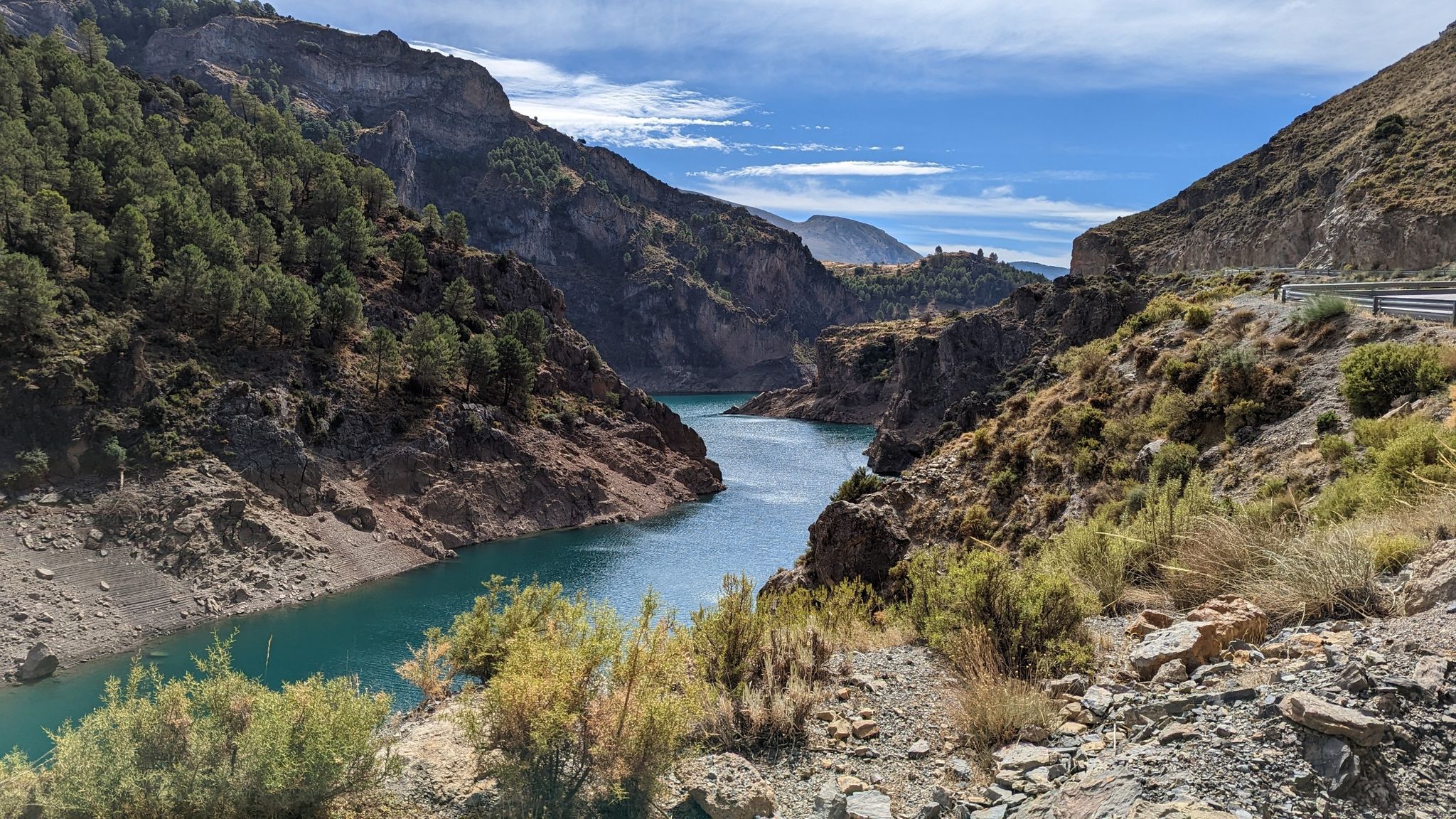
A journey through the Spanish hinterland – cycling across Andalusia

Traffic-free bike rides around Antequera

Traffic-free bike rides around Antequera
Other adventures around Antequera


Tips from the Community

The Laguna de Fuente de Piedra provides an important habitat for large flamingo colonies and is one of the most significant breeding grounds for this bird species in Europe. The shallow salt lagoon offers ideal conditions for the birds, allowing them to be observed there in large numbers, especially during the warmer months.
1
0
The city gate of Antequera was built in 1749 in the Baroque style, demolished in the 19th century, and faithfully reconstructed in the 1990s. Today, the Puerta de Estepa is a symbolic gateway to the city.
3
0
Fuente de Piedra is a charming village whose name derives from an ancient spring believed to possess healing powers. The area was already settled in Roman times, and the spring was then referred to as "Fons Divinus." In the Middle Ages, a small settlement grew up around the spring, which later acquired its present name. During the 18th and 19th centuries, Fuente de Piedra was a renowned spa town thanks to its mineral waters, until the spring dried up. Today, the village's name evokes this past, while its history remains closely intertwined with the use and veneration of the water.
1
0
The Parish Church of Our Lady of the Immaculate Conception (Iglesia Parroquial de Nuestra Señora de la Inmaculada Concepción) is the main church of Alameda and is located in the town center. Built in 1633, it has been expanded several times over the centuries, including the 18th century with the addition of side aisles and a Baroque chapel. The church displays typical elements of Andalusian Baroque architecture, with a simple stone and brick facade and a striking round-arched portal. Inside, the high nave, flanked by two lower side aisles, and a barrel-vaulted ceiling create a harmonious atmosphere. The church is particularly famous as the burial place of the legendary bandit El Tempranillo, who died in Alameda in 1833. It also houses an elaborate image of the Virgen de los Dolores (Virgin of Sorrows), created in 1940 by the sculptor Castillo Lastrucci. The church is now a listed building and is considered one of the most important historical buildings in the town, combining both religious and cultural history.
2
0
The Puerta de Estepa city gate is one of Antequera's most striking buildings and marks the historic entrance to the city. It is located at the end of the Alameda de Andalucía, very close to the Plaza de la Constitución, where the modern city merges into the historic old town. The gateway with its three round arches was built in 1749 in the Baroque style and once served as a welcoming gateway for travelers coming from the direction of Estepa. The structure was demolished in the 19th century but faithfully rebuilt in the 1990s. Today, the Puerta de Estepa city gate is a popular photo opportunity and a symbolic gateway to the city. The view of the old town through the arches is particularly impressive.
4
0
The Antequera Dolmens Archaeological Complex is one of the most important prehistoric sites in Europe and is located on the outskirts of Antequera in Andalusia, directly on the Carretera de Málaga. The complex includes three large megalithic tombs – the Dolmen de Menga, the Dolmen de Viera, and the Tholos de El Romeral – as well as the two natural monuments Peña de los Enamorados and El Torcal de Antequera. Since 2016, they have formed a recognized UNESCO World Heritage Site, uniquely demonstrating the connection between humans, architecture, and landscape. The Dolmen de Menga is the largest structure in the complex and is one of the most impressive megalithic tombs in Europe. It was built between approximately 3800 and 3600 BC and consists of enormous stone blocks assembled to form a long burial chamber. Particularly noteworthy is its orientation toward the Peña de los Enamorados rock, which indicates symbolic or ritual significance. Human remains and grave goods have been found inside. Just a few meters away is the Dolmen de Viera, which is somewhat smaller and of a more classical design. It was built between 3500 and 3000 BC and is oriented exactly east, allowing sunlight to fall directly into the burial chamber at the equinox. The third structure, the Tholos de El Romeral, is located about four kilometers away and dates back to the Copper Age around 2500 BC. Its circular shape and corbelled vault distinguish it from the older dolmens, demonstrating a further development of the architectural style of the time. The visitor center is located directly next to the Dolmens of Menga and Viera, where visitors can learn more about the history, architecture, and cultural significance of the complex. Exhibitions, models, and interactive displays explain how these monumental structures were constructed using the simplest of means and the role they played in the religious life of early communities. The center also offers guided tours, information materials, and a small shop. Today, the dolmens of Antequera are considered an outstanding example of how people understood their environment more than 5,000 years ago and shaped monumental structures in harmony with nature, astronomy, and faith. The combination of prehistoric architecture and the impressive landscape makes the site a unique testament to early European cultural history.
1
0
The view of Antequera and the Peña de los Enamorados is one of the most impressive scenes in the region – a harmonious blend of city, landscape, and legend. From a vantage point like the Alcazaba or the Church of Santa María la Mayor, Antequera stretches out before you: a sea of white houses, narrow streets, and reddish-tiled roofs, gently nestling into the fertile plains of the Vega de Antequera. Church towers and domes rise between the buildings, reflecting the golden light of the sun. On the horizon rises the mysterious Peña de los Enamorados – the "Rock of the Lovers." Its shape is reminiscent of the profile of a sleeping face, serenely watching over the landscape. According to legend, two lovers, a Moor and a Christian, once threw themselves to their deaths here because their love was forbidden – a symbol of eternal fidelity and tragic passion.
1
0

The Antequera Dolmens are one of the most important prehistoric monuments in Europe and are a UNESCO World Heritage Site. These impressive megalithic tombs—including the Menga, Viera, and El Romeral dolmens—date back to the 3rd millennium BC. They offer unique insights into the rituals and architecture of prehistoric society. Surrounded by a landscape overlooking the Peña de los Enamorados and the Sierra del Torcal, this is a place where nature, culture, and history converge.
3
0
Frequently Asked Questions
How many no-traffic road cycling routes are available in Antequera?
Antequera offers a good selection of no-traffic road cycling routes. You'll find 10 routes specifically curated for a quiet cycling experience, ranging from easy to difficult.
Are there easy no-traffic road cycling routes in Antequera suitable for beginners?
Yes, there are easy options for beginners looking for quiet road cycling. A great choice is the Estepa Gate – Dolmens of Antequera loop from Bobadilla. This route covers 42 km with a manageable elevation gain of 180 meters, making it perfect for a relaxed ride.
What about more challenging no-traffic road cycling routes in the area?
For experienced cyclists seeking a challenge, the View of Olive Groves and Hills loop from Antequera-Santa Ana is an excellent option. This difficult route spans nearly 100 km and features over 1200 meters of elevation gain, offering a demanding yet rewarding experience through scenic landscapes.
What natural features or landmarks can I see along no-traffic road cycling routes in Antequera?
Many routes offer stunning views and access to significant natural and historical sites. You can cycle past the iconic The Torcal of Antequera, a unique karst landscape, or explore the ancient Dolmens of Antequera, a UNESCO World Heritage site. The region is also home to Camorro Alto and Peña Negra Summit, offering impressive vistas.
When is the best time of year to enjoy no-traffic road cycling in Antequera?
The best time for quiet road cycling in Antequera is typically during the spring (March to May) and autumn (September to November). During these seasons, the weather is mild and pleasant, avoiding the intense heat of summer and the cooler, potentially wetter days of winter. This allows for comfortable rides and clear views of the stunning landscapes.
Are there family-friendly no-traffic road cycling options in Antequera?
While many routes are moderate to difficult, the easier routes, such as the Estepa Gate – Dolmens of Antequera loop from Bobadilla, can be suitable for families with older children or those accustomed to longer distances. These routes generally feature well-maintained surfaces and less traffic, contributing to a safer and more enjoyable family outing.
Can I find circular no-traffic road cycling routes in Antequera?
Absolutely. Many of the no-traffic road cycling routes in Antequera are designed as loops, allowing you to start and finish at the same point. Examples include the Estepa Gate – Dolmens of Antequera loop from Venta Los Pilotos and the Estepa Gate – Dolmens of Antequera loop from Antequera AV, providing convenient options for your ride.
What do other cyclists say about the no-traffic road cycling routes in Antequera?
The komoot community highly rates the road cycling experience in Antequera, with an average score of 4.75 stars. Cyclists often praise the region for its diverse landscapes, the challenge of climbs like El Torcal, and the opportunity to explore historical sites and natural wonders on quiet roads.
Are there places to stop for refreshments or cafes along these quiet routes?
While specific cafes directly on every quiet stretch might be limited, many routes pass through or near small towns and villages where you can find local establishments for refreshments. Planning your route with komoot allows you to identify potential stops and points of interest along the way.
Are there any long-distance no-traffic road cycling routes in Antequera?
Yes, for those looking for longer rides, Antequera serves as an excellent starting point. Routes like the View of Olive Groves and Hills loop from Antequera-Santa Ana offer nearly 100 km of cycling. The region also connects to longer cycling adventures across Andalusia, including routes towards Ronda and through natural parks like Sierra de las Nieves, which can be explored on quieter roads.
Most popular attractions around Antequera

Get inspired with the komoot mobile app


Explore more
Browse the best Road cycling routes in other regions.
