The best traffic-free bike rides around Cútar
4.6
(44)
820
riders
36
rides
No traffic touring cycling routes around Cútar traverse the varied landscapes of the Axarquía region in Andalusia, characterized by rolling hills, olive groves, and vineyards. The area features impressive mountain ranges, offering challenging climbs and panoramic views across the Mediterranean Sea. Cyclists encounter traditional white villages with Moorish heritage, connected by quiet provincial roads. The topography includes significant elevation changes, with routes often leading to high passes.
Best no traffic touring cycling routes around Cútar
- The most popular no traffic…
Last updated: October 5, 2026
5.0
(3)
58
riders
84.3km
05:29
1,070m
1,070m
Hard bike ride. Very good fitness required. Mostly paved surfaces. Suitable for all skill levels.
5.0
(2)
23
riders
46.1km
03:18
930m
930m
Hard bike ride. Very good fitness required. Mostly paved surfaces. Suitable for all skill levels.

5.0
(2)
20
riders
46.9km
03:29
1,020m
1,020m
Hard bike ride. Very good fitness required. You may need to push your bike for some segments of this route.
3.5
(2)
6
riders
Hard bike ride. Very good fitness required. Mostly paved surfaces. Suitable for all skill levels.
9
riders
27.7km
03:07
950m
950m
Hard bike ride. Very good fitness required. Mostly paved surfaces. Suitable for all skill levels.
Get access to more routes and recommendations from other explorers.
Already have an account?
Our route recommendations are based on thousands of hikes, rides, and runs completed by other people on komoot.

Tips from the Community


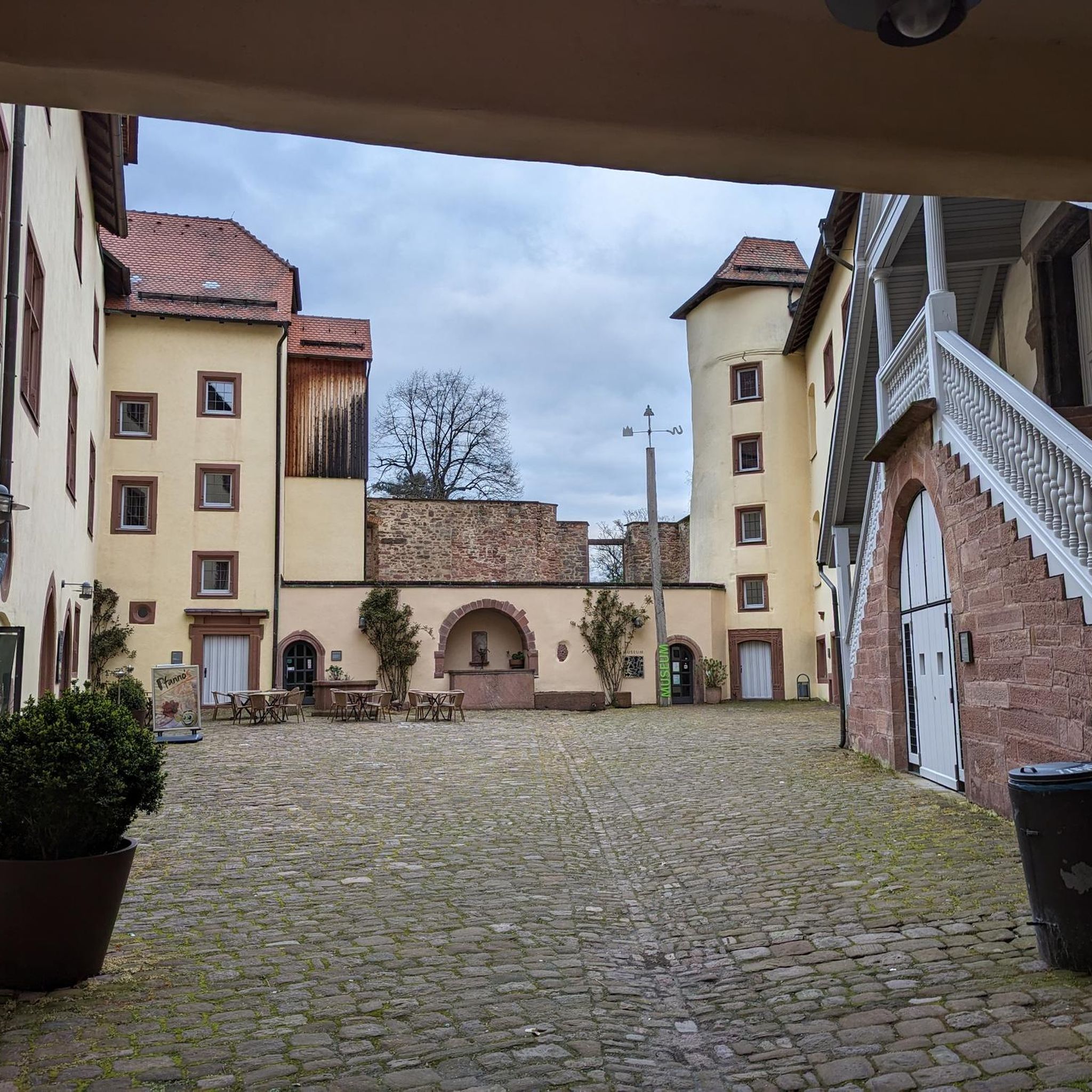
In Alfarnate, La Venta de Alfarnate dates back to the 13th century, and is considered the oldest in Andalusia. Due to the numerous stories and legends surrounding it, it is considered a true popular monument, and it is not for nothing that it now houses the Museum of Andalusian Banditry. All kinds of people and all social classes have passed through here: muleteers, black marketeers, bandits, even King Alfonso XIII and Saint Joseph of Calasanz, not to mention artists, painters, and more. La Venta de Alfarnate remains faithful to its principles, its mystery, and its romantic magic. Its cuisine is fundamentally based on Andalusian mountain and country cuisine, with notable dishes including Alfarnate crumbs, eggs a lo bestia (roasted eggs), garlic goat, fried lamb blood sausage with tomatoes, and scrambled eggs with anise porridge.
7
0

The 9.6-meter-high old lighthouse, built in 1929, and the new, approximately 24.7-meter-high lighthouse, built in 1974, are still in operation. It is located directly on the promenade and is visible from afar. Its automatic signal has a range of approximately 13 nautical miles. Inside, 106 steps of an iron staircase lead up to the top. The small, 9-meter-high lighthouse, which stands next to the new "large" one, was built in 1969 but did not meet modern requirements.
4
0

The Playa de Torre del Mar is a beautiful, spacious beach, with a wide promenade and many chiringuitos where you can take a break and enjoy the sea view. The Paseo Marítimo de Torre del Mar is very well developed, relatively wide and ideal for cyclists and pedestrians. There is a designated cycle path that stretches along the coast, so you can cycle along the sea in a relaxed manner.
7
0
The Alcazaba fortress of Vélez-Málaga is a historic Moorish fortress located on a hill overlooking the town. Built in the 9th century during Muslim rule, it was extended and rebuilt in the 14th and 15th centuries and served as a defensive structure. It became one of the most important citadels of the Kingdom of Granada. Today, little remains of the former fortress remain, but the Torre del Homenaje, the fortress's main tower, still stands and offers great views of Vélez-Málaga and the surrounding Axarquía countryside. The fortress is a worthwhile destination, and is particularly beautiful to visit in the evening when the town is bathed in warm light.
2
0
Playa de Varadero is located at the western end of the Torre del Mar seafront, near the mouth of the Vélez River. A special feature of Playa de Varadero is the regular presence of jábegas, traditional Andalusian fishing boats, which can often be seen along the coast. Overall, the stretch of beach is a lovely destination for anyone looking to spend a relaxing day by the sea in an authentic atmosphere.
6
0
The name “Puente Don Manuel” refers to the bridge that spans the Río de Alcaucín. The town of Puente Don Manuel is a small hamlet in the municipality of Alcaucín. If you want to get there, you have to cross the bridge and go through the town, then turn left at the church towards the mountains. The settlement is about forty kilometres from Málaga and fourteen kilometres from the coast.
2
0
The Ermita de Jesús en el Calvario is a historic chapel in the area of Puente de Don Manuel, a district of the municipality of Alcaucín. The chapel was built in the mid-17th century and served as a religious retreat for the local population. It is an example of the religious architecture of the period and reflects the deep spiritual connection of the municipality. Puente de Don Manuel itself is known for its strategic location as a crossroads between the coast and the surrounding villages such as Periana, Alcaucín and Zafarraya. For visitors interested in history and culture, the area around Puente de Don Manuel and Alcaucín offers numerous opportunities for exploring by bike.
2
0
Frequently Asked Questions
How many no-traffic touring cycling routes are available around Cútar?
There are nearly 30 dedicated touring cycling routes around Cútar that focus on minimizing traffic. These routes offer a variety of experiences, from challenging mountain climbs to scenic rides through olive groves and vineyards.
What is the best time of year for traffic-free touring cycling in Cútar?
The Axarquía region, including Cútar, boasts reliable weather with clear skies and ideal temperatures for cycling for much of the year. This allows for an extended cycling season, making it a great escape from colder climates. Spring and autumn are particularly pleasant, offering comfortable temperatures without the peak summer heat.
Are there any easy no-traffic touring cycling routes suitable for beginners or families?
While many routes in the Cútar area are rated as difficult due to significant elevation gains, there are a few moderate options. The region's focus on quiet provincial roads means that even challenging routes often provide a traffic-free experience. For a less strenuous ride, consider routes that follow river valleys or explore the flatter sections of the 'Camino de la Ribera' which offers scenic views of olive groves and vineyards.
What kind of landscapes can I expect on these no-traffic routes?
You'll experience a stunning and varied topography. Routes often wind through rolling hills, extensive olive groves, and vineyards. Many also offer dramatic mountain vistas and breathtaking coastal views, especially from higher elevations. The area is also known for its charming white villages (Pueblos Blancos), providing a rich cultural backdrop to your ride.
Are there any circular no-traffic touring cycling routes around Cútar?
Yes, many of the touring cycling routes around Cútar are designed as loops, allowing you to start and end in the same location. An example is the challenging Puerto de Sábar – View of Vélez-Málaga loop from Riogordo, which covers over 83 km with significant elevation, offering panoramic views.
What do other touring cyclists enjoy most about cycling in Cútar?
The area is highly rated by the komoot community, with an average score of 4.8 stars. Reviewers often praise the region's quiet roads, stunning landscapes, and the challenge of its mountain passes. The opportunity to cycle through traditional white villages and experience authentic Andalusian culture is also frequently highlighted.
What interesting sights or attractions can I find along the no-traffic touring cycling routes?
The routes often pass through or near historic white villages, offering cultural exploration. You can also encounter significant natural features. For example, some routes provide access to impressive mountain passes like Puerto del Sol (1085 m) or Puerto de Sábar. You might also find natural monuments such as the Baños de Vilo Hot Springs or viewpoints like the View of the Gomer and Doña Ana cliffs.
Are there routes that explore the famous 'Ruta de la Pasa' (Raisin Route)?
Yes, Cútar is part of the 'Ruta de la Pasa,' and several routes allow you to experience this unique cultural and agricultural landscape. These routes often connect traditional white villages known for their raisin production, such as Almáchar and El Borge. A challenging option is the Almáchar – El Borge – Village of the Raisin loop from Almáchar.
What are some of the more challenging no-traffic routes for experienced cyclists?
For experienced cyclists seeking a challenge, the Cútar region offers routes with substantial elevation gains and notable climbs. The Venta de Alfarnate & Museum – Puerto del Sol (1085 m) loop from Las Mayorales is a demanding ride with over 1000 meters of ascent, featuring the stunning hairpin climb of Puerto del Sol.
Can I find routes that offer coastal views despite being inland?
Absolutely. Many routes in the Axarquía region climb to higher elevations, rewarding cyclists with clear views of the imposing mountains and expansive vistas across the azure Mediterranean Sea. The Torre del Mar Lighthouse – Torre del Mar Beach loop from Arroyo de Solano, while starting closer to the coast, includes climbs that offer both inland and coastal perspectives.
Are there specific villages or towns known for their cycling-friendly amenities along these routes?
While Cútar itself is a tranquil village, the surrounding white villages like Comares, Benamocarra, and Almáchar are often integrated into cycling routes. These villages typically offer local cafes and small shops where cyclists can refuel and experience local hospitality. Many routes are designed to pass through these charming settlements.
Most popular attractions around Cútar

Get inspired with the komoot mobile app


Explore more
Browse the best Cycling routes in other regions.
