The best traffic-free bike rides around El Gordo
22
riders
8
rides
Gravel biking around El Gordo offers routes through varied landscapes, characterized by open plains, agricultural areas, and river valleys. The region features gentle rolling terrain with occasional moderate climbs, providing a mix of challenging and accessible paths. Elevation changes are generally modest, with hills under 200m, making it suitable for riders seeking less extreme gradients. The routes often follow quiet country roads and tracks, ensuring a no-traffic experience.
Best no traffic gravel bike trails around El Gordo
- The most popular…
Last updated: July 16, 2026
4
riders
41.2km
03:22
400m
400m
Moderate gravel ride. Good fitness required. Mostly paved surfaces. Suitable for all skill levels.
4
riders
51.2km
04:02
360m
360m
Moderate gravel ride. Good fitness required. Mostly paved surfaces. Suitable for all skill levels.

Sign up for free
2
riders
48.2km
03:36
400m
400m
Moderate gravel ride. Good fitness required. Mostly paved surfaces. Suitable for all skill levels.
2
riders
30.4km
02:01
240m
240m
Moderate gravel ride. Good fitness required. Mostly paved surfaces. Suitable for all skill levels.
2
riders
Moderate gravel ride. Good fitness required. Mostly paved surfaces. Suitable for all skill levels.
Get access to more routes and recommendations from other explorers.
Sign up for free
Already have an account?
Our route recommendations are based on thousands of hikes, rides, and runs completed by other people on komoot.
Start today with a free account
Your next adventure awaits.
Login or Signup
Popular around El Gordo

Tips from the Community

Historic bridge commissioned by the Archbishop of Toledo in the 14th century, in spring/summer home to hundreds of swifts, creating a unique spectacle.
0
0

A bridge from another time, on a bend in the road, a marvel that you might think is a photo from northern Spain. It's worth taking a detour to go over it.
0
0

The Camino Real de Guadalupe by bike, especially the Oropesa – Alcañizo section: Approximate distance: 24–25 km (depending on the exact route). Terrain: rural tracks and roads, with some paved sections. Difficulty: Moderate, with no major mountain passes on this section. Surroundings: Toledo countryside, cereal fields, and pastures. Oropesa is notable for its castle and Renaissance palace (now a Parador).
4
0
The Count's Palace of Oropesa, located in the province of Toledo, is an architectural gem with a rich history and great heritage value. The Old Palace (or Doña Elvira Palace): in the Mudejar Gothic style, built in the 14th century. The New Palace: in the Renaissance style, built in the 15th century. It stands out for its original coffered ceiling, its balconies with the coat of arms of the Counts of Oropesa, and a large interior courtyard that was even used as a bullring. Together with the adjacent castle, it forms a complex declared a Historic-Artistic Monument in 1923. In 1931, it was incorporated into the National Parador Network, becoming the first Parador built on a historic building.
4
0

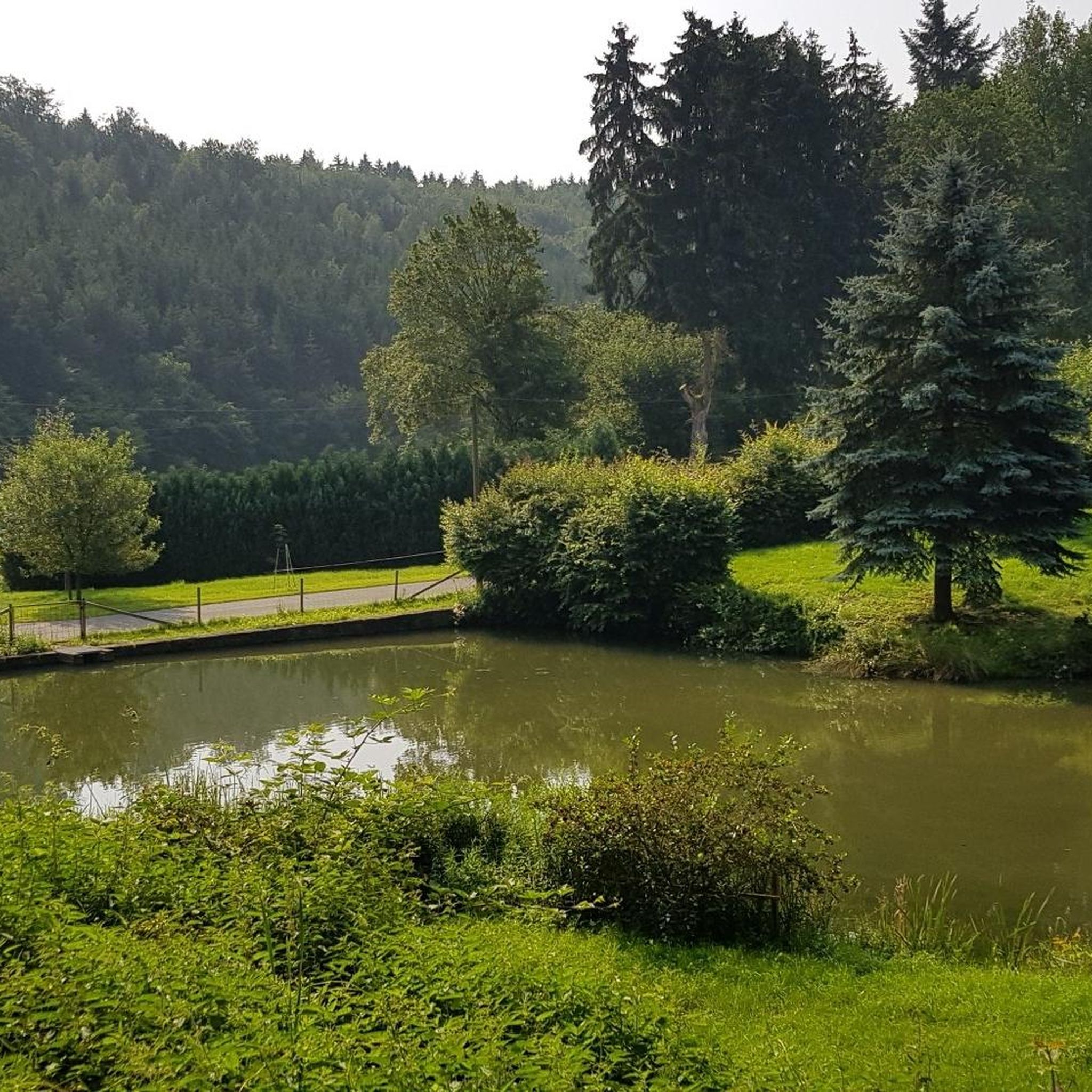
Using the power of moving water to drive a mill wheel is an ancient invention that dates back to pre-Christian times. Thanks to such a construction, human or animal muscle power could be easily replaced by a watercourse - natural or artificially created - in order to grind grain into corn, for example. There are essentially two different ways of driving watermills: Either the water simply hits the blades of the water wheel from below to set it in motion; or the water is guided above the wheel and falls onto the blades; this type of construction is more efficient due to natural gravity.
0
1

The Archbishop's Bridge is a municipality in Toledo that takes its name from its beautiful Gothic bridge with 11 arches that crosses the waters of the Tagus River. The town is famous for its ceramics, and together with Talavera de la Reina, it is the largest pottery center in Spain.
1
1

The Archbishop's Bridge is a magnificent example of medieval engineering. The bridge was built to allow trade and pilgrims to cross the Tagus River in 1380, but was further widened in the 18th century to allow passage after floods.
1
0
Cycling towards the city from the west, the path is lined with olive and oak trees and you will enjoy a spectacular view of the 14th century fortified Castillo de Monroy.
1
0
Frequently Asked Questions
How many no traffic gravel bike trails are available in El Gordo?
There are 4 dedicated no traffic gravel bike trails around El Gordo featured in this guide, offering a range of distances and difficulties for your ride.
What are the typical difficulty levels for gravel biking in El Gordo?
The gravel bike trails in El Gordo vary in difficulty. This guide features 3 moderate routes and 1 difficult route. For example, the Ermita de San Blas, Toril – Castle of Belvís de Monroy loop is considered difficult, while the Puente del Arzobispo – El Puente del Arzobispo loop is a moderate option.
Are there circular gravel bike routes in El Gordo?
Yes, all the gravel bike routes in this guide are circular, allowing you to start and finish at the same point. Examples include the Gravel loop from Laguna de Casasola and the Castle of Belvís de Monroy – View of Castillo de Monroy loop.
What kind of landscapes and natural features can I expect on these trails?
The trails around El Gordo offer diverse landscapes, often featuring views of the Valdecañas Reservoir and the surrounding natural environment. You'll experience a mix of open terrain and rural paths, providing a sense of remoteness and tranquility.
Are there any historical sites or attractions along the no traffic gravel bike routes?
Yes, the area around El Gordo is rich in history. You might encounter sites like the Temple of the Woodcutters of Augustobriga, the Talavera la Vieja (ruins), or the Church of San Bartolomé Apóstol, Bohonal de Ibor. The Valdecañas Reservoir Bridge is also a notable landmark.
What is the best time of year for gravel biking in El Gordo?
Given the regional climate, spring and autumn generally offer the most pleasant conditions for gravel biking in El Gordo, with milder temperatures. Summers can be very hot, and winters might bring cooler, wetter weather, though the region typically experiences many sunny days.
Are there any advanced or challenging gravel bike paths in El Gordo?
Yes, for experienced riders seeking a challenge, the Ermita de San Blas, Toril – Castle of Belvís de Monroy loop is classified as difficult. It covers nearly 95 km with significant elevation gain, testing your endurance and bike handling skills.
What makes these gravel trails 'no traffic'?
The routes selected for this guide primarily utilize quiet rural roads, gravel tracks, and dedicated paths where motorized vehicle traffic is minimal or non-existent. This ensures a peaceful and safe riding experience, allowing you to fully immerse yourself in the natural surroundings.
Can I find long-distance gravel bike routes in the El Gordo area?
Yes, the guide includes several longer routes. The most extensive is the Ermita de San Blas, Toril – Castle of Belvís de Monroy loop, which spans almost 95 kilometers, perfect for a full day's adventure.
Is parking available for these gravel trails?
While specific parking details for each starting point are best checked on the individual route pages, most rural trailheads and villages in the El Gordo area offer public parking options suitable for accessing these routes.
What should I bring for a gravel bike ride in El Gordo?
For gravel biking in El Gordo, it's advisable to bring plenty of water, especially during warmer months, as services can be sparse on remote sections. Essential bike repair tools, a first-aid kit, navigation (like your komoot app), and appropriate clothing for varying weather conditions are also recommended.
Most popular attractions around El Gordo

Get inspired with the komoot mobile app


Explore more
Browse the best Gravel rides in other regions.
