The best traffic-free bike rides around Ólvega
32
riders
8
rides
No traffic touring cycling routes around Ólvega are characterized by the diverse landscapes surrounding the Moncayo Massif, the highest peak in the Iberian System. The region features a mix of mountainous terrain from the Sierra del Madero and Sierra de Toranzo, alongside valleys and forests. Cyclists can expect varied topography, including ascents and rolling hills, providing a range of challenges and scenic backdrops.
Best no traffic touring cycling routes around Ólvega
- The most popular no traffic touring cycling route is…
Last updated: July 2, 2026
5
riders
44.7km
02:54
570m
570m
Hard bike ride. Very good fitness required. Mostly paved surfaces. Suitable for all skill levels.
7
riders
26.2km
02:37
380m
380m
Moderate bike ride. Good fitness required. Mostly paved surfaces. Suitable for all skill levels.

Sign up for free
3
riders
49.1km
03:19
860m
860m
Hard bike ride. Very good fitness required. Mostly paved surfaces. Suitable for all skill levels.
2
riders
15.1km
01:18
180m
180m
Moderate bike ride. Good fitness required. Mostly paved surfaces. Suitable for all skill levels.
3
riders
29.9km
03:02
560m
560m
Hard bike ride. Very good fitness required. You may need to push your bike for some segments of this route.
Get access to more routes and recommendations from other explorers.
Sign up for free
Already have an account?
Our route recommendations are based on thousands of hikes, rides, and runs completed by other people on komoot.
Start today with a free account
Your next adventure awaits.
Login or Signup



Tips from the Community

I believe the tap is directly connected to the laundry room. It's full of algae, I wouldn't drink the water like that, but at least filter it.
0
0

After the tough climb, we have beautiful views of both valleys
0
0

In this park, where the old washhouse is located, there is a fountain and it is a good place to recharge your batteries
0
0

Small and pretty town, area with lots of interesting mountain bike trails
0
0

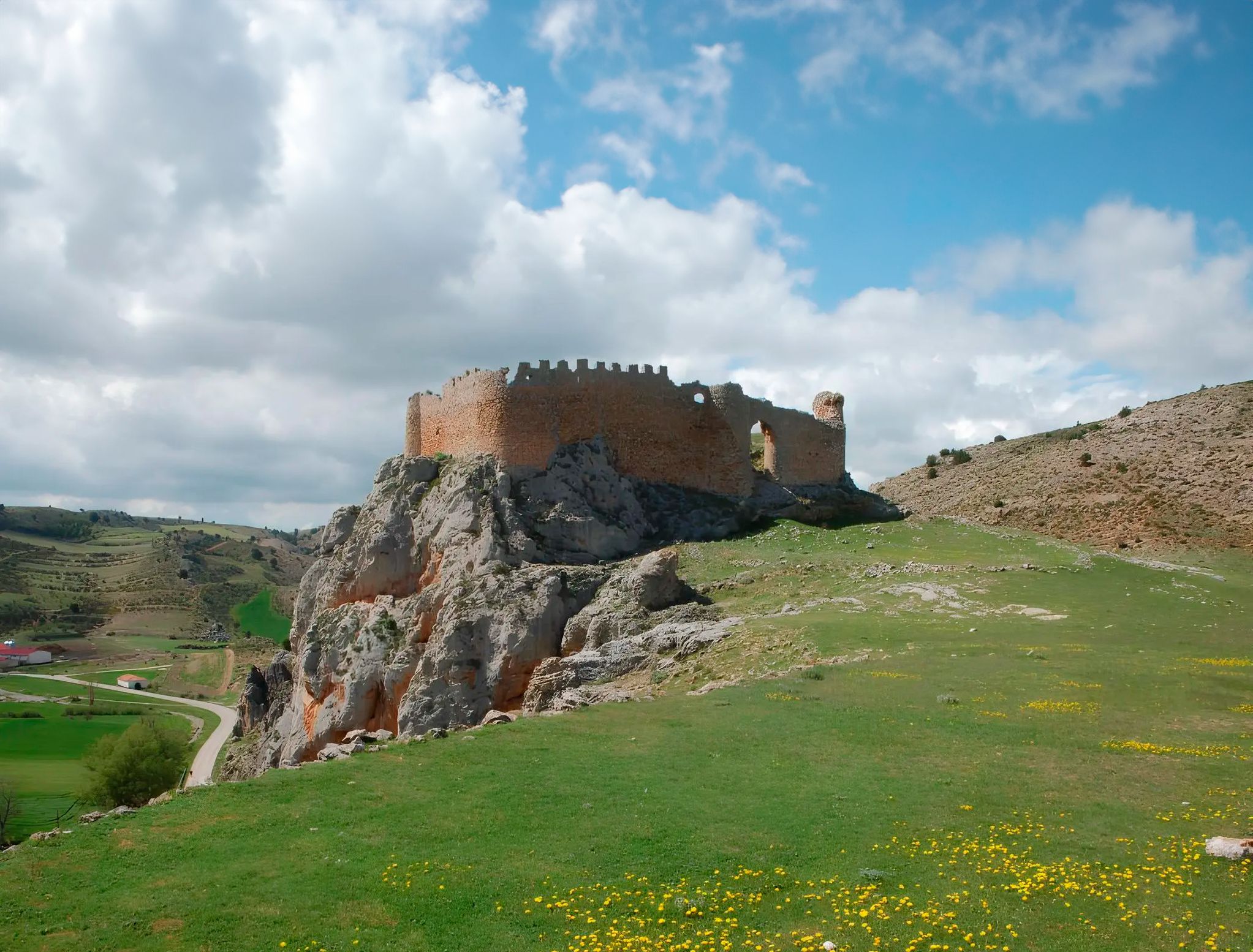
Magaña Castle is a medieval fortress located on a hill overlooking the town of the same name, in the province of Soria, Tierras Altas region, community of Castilla y León. It is believed to have been built during two stages throughout the 15th century. The inner enclosure would be built in the first stage, and the outer barrier in a second. Due to its architectural characteristics, it belongs to the typology of stately castle of the Valladolid school, very common in the north of Castile in the second half of the 15th century.
2
0
Ólvega is a municipality in Soria in the community of Castilla y León. Its origin dates back to the beginning of the 5th century, although even older archaeological remains have been found from two nearby Celtiberian forts. It is popularly known as "Niña del Moncayo", for being at the foot of this mountain, and also as "Second Numancia", for the popular revolt of 1474 to avoid rendering vassalage to the Count of Medinaceli.
1
0

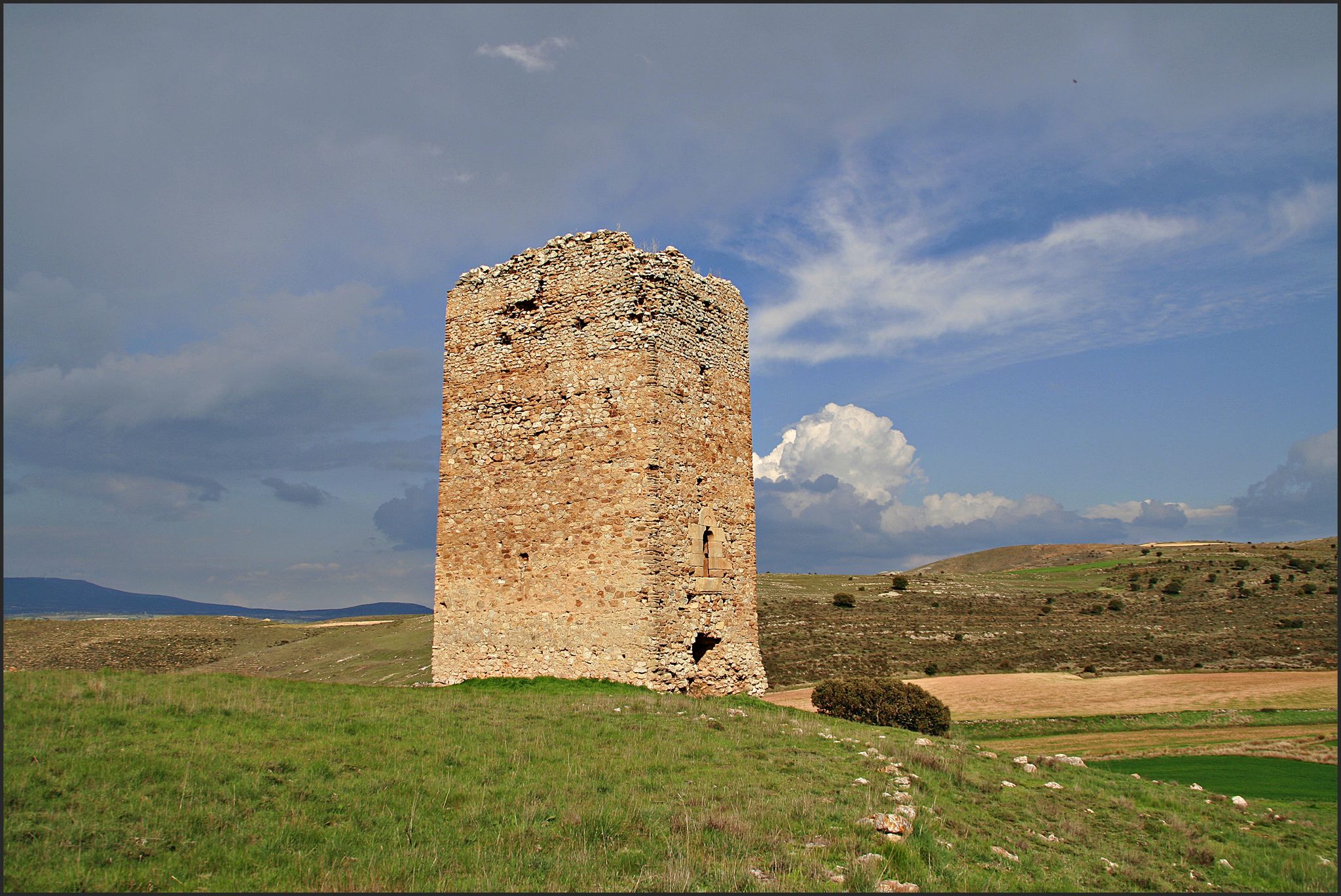
Magaña is one of those towns that surprises you greatly the first time you go. It is located on a promontory above the Alhama River valley and at the highest part stands the Nava del Marqués castle, built in the 15th century from a 10th century Berber tower. From the castle wall you can see a beautiful panoramic view of the town, in the foreground the church of San Martín de Tours stands out, built in the 16th century on a Romanesque hermitage.
1
0

In Pozalmuro we find the bar closed, we have little to do and a storm is also threatening, we fill the kettles with water and begin the ascent of the Sierra del Madero, the mountain pass of the day to jump the Iberian System and cross the Duero basin to the great valley of the Ebro. The climb is a cycle path with quite a slope, it has some studs to avoid the destruction of runoff and maintain the quality of the surface but they require extra effort on each step. The hard slope ends at an extraordinary viewpoint with signs of the landscape, the views are magnificent. Moncayo (2,314 m) is an imposing mass, the roof of the Soria mountains and the highest peak of the Iberian System. We follow the milestones of the natural path down a descent with a couple of delicate curves for the gravel wheels on the loose stone and then a well-conditioned and fun path in a holm oak forest of great environmental quality. The sky turns into hell and we arrive at the town of Muro when the raindrops turn into hail balls, luckily the bar is open here. In Muro is the site of the Roman city of Augustóbriga and in the bar room they have posters highlighting the notoriety of the place. The Roman town was decisive in the Roman conquest and control of the towns that lived in the mountain slopes of Moncayo. The bad weather is persistent and we decided to finish the stage in Ágreda, an interesting town of three cultures on the slopes of Moncayo. At Hostal Doña Juana they are welcoming and kind to cyclists, even when they arrive soaked and their bikes are muddy. Before dinner there is time to see more towers, palaces, convents, stately homes and stroll through the Moorish quarter, passing through medieval gates with original battlements or in the shape of a horseshoe arch, such as the Puerta del Agua, from the 8th century, the oldest construction of the architectural heritage of Ágreda.
0
0
Frequently Asked Questions
How many no traffic touring cycling routes are featured in this guide for Ólvega?
This guide features 4 curated no traffic touring cycling routes around Ólvega, offering a selection of moderate to difficult options for exploring the region's quiet landscapes.
What kind of terrain can I expect on these no traffic touring cycling routes around Ólvega?
The routes primarily traverse the foothills of the Moncayo Massif, offering varied terrain from rolling hills to more challenging ascents. You'll encounter a mix of paved and unpaved surfaces, characteristic of the Soria province, with stunning views of the surrounding Sierras del Madero and Toranzo.
Are there any circular no traffic touring cycling routes available?
Yes, all the routes featured in this guide are circular, allowing you to start and finish at the same point. Examples include the moderate Berber Tower of Masegoso – Roman Bridge of Masegoso loop from Pozalmuro and the more challenging Ciria – Borobia loop from Pomer.
What are the best times of year to cycle these routes to avoid traffic and enjoy the scenery?
Spring (April-May) and Autumn (September-October) are ideal. The weather is generally mild, and the natural landscapes, especially the forests of Moncayo Natural Park, are at their most vibrant. These periods also typically see fewer visitors compared to peak summer months, enhancing the 'no traffic' experience.
Are there any notable landmarks or viewpoints along these routes?
Yes, the region is rich in natural beauty and historical sites. While cycling, you might encounter views of the majestic Moncayo Summit (Moncayo Summit) or pass by the Sierra del Madero Viewpoint. The Berber Tower of Masegoso – Roman Bridge of Masegoso loop from Pozalmuro specifically highlights historical structures.
Are these routes suitable for families with children?
The routes in this guide range from moderate to difficult. The Ólvega loop from Ólvega is the shortest and least demanding at 15.1 km with moderate difficulty, making it a potentially suitable option for families with older, experienced children. However, younger children or those new to touring cycling may find the elevation gains challenging.
Can I bring my dog on these no traffic cycling routes?
While many natural areas in Spain are dog-friendly, specific rules can vary. It's generally advisable to keep dogs on a leash, especially in natural parks like Moncayo, to protect wildlife and ensure safety. Always check local regulations for specific trails or protected areas you plan to visit.
Where can I park my car when starting these no traffic touring cycling routes?
For routes starting from towns like Ólvega, Pomer, Pozalmuro, Valdelagua del Cerro, or Trévago, you can typically find public parking within the village centers. For instance, the Fuente del Sacristán Picnic Area in Moncayo Natural Park is a known spot with parking for exploring the surrounding forests.
Are there any cafes or places to refuel along these routes?
The routes often pass through or near small villages where you may find local cafes or small shops. However, services can be sparse, especially on the more remote sections. It's highly recommended to carry sufficient water and snacks, particularly for longer routes like the Views of the Castillo de Magaña – Magaña Bridge loop from Trévago.
What is the difficulty level of these no traffic touring cycling routes?
This guide includes routes of varying difficulty. There are 2 moderate routes, such as the Berber Tower of Masegoso – Roman Bridge of Masegoso loop from Pozalmuro, and 2 difficult routes, like the Church of Castilruiz loop from Valdelagua del Cerro, which features significant elevation gain.
What do other touring cyclists enjoy most about cycling in Ólvega?
Cyclists often praise the tranquility and natural beauty of the region, particularly the stunning views of the Moncayo Massif and the quiet roads that allow for an immersive experience away from traffic. The varied terrain, from gentle valleys to challenging mountain passes, also receives positive feedback for offering diverse cycling experiences.
Most popular attractions around Ólvega

Get inspired with the komoot mobile app


Explore more
Browse the best Cycling routes in other regions.
