The best traffic-free bike rides around Chirivel
3.5
(2)
52
riders
8
rides
No traffic touring cycling routes around Chirivel traverse a diverse landscape within the Sierra de María-Los Vélez Natural Park, situated at an elevation of 1,034 meters. The region is characterized by expansive pine forests, striking karst formations, and rugged limestone mountains. Cyclists will find a picturesque environment featuring olive, almond, and lavender orchards, particularly along paths connecting villages. This area offers varied terrain and elevations suitable for different touring cycling preferences.
Best no traffic touring cycling routes around Chirivel
- The…
Last updated: July 2, 2026
7
riders
50.6km
04:49
1,070m
1,070m
Hard bike ride. Very good fitness required. Mostly paved surfaces. Suitable for all skill levels.
3.5
(2)
5
riders
40.7km
02:29
310m
310m
Moderate bike ride. Good fitness required. Mostly paved surfaces. Suitable for all skill levels.

Sign up for free
2
riders
24.8km
02:03
490m
490m
Hard bike ride. Very good fitness required. Mostly paved surfaces. Suitable for all skill levels.
2
riders
23.7km
01:51
400m
400m
Moderate bike ride. Good fitness required. Mostly paved surfaces. Suitable for all skill levels.
2
riders
Moderate bike ride. Good fitness required. Mostly paved surfaces. Suitable for all skill levels.
Get access to more routes and recommendations from other explorers.
Sign up for free
Already have an account?
Our route recommendations are based on thousands of hikes, rides, and runs completed by other people on komoot.
Start today with a free account
Your next adventure awaits.
Login or Signup
Other adventures around Chirivel

Tips from the Community

Beautiful Rambla and surroundings.
17
0

The Sierra de María is located within the María-Los Vélez Natural Park, a protected natural area located near Vélez Rubio, Vélez Blanco, María, and Chirivel. It was officially recognized as such in 1987. It covers an area of more than 22,500 hectares and has a visitor information office in the town of Vélez Blanco. Its unique variety of interior microclimates also contributes to the proliferation of many different plant species. The abundant forest cover gives rise to the development of native Black and Corsican pine forests, which coexist with Aleppo pine as a result of various reforestation projects.
0
0

This building is the administrative centre of the town and offers various services to citizens, including electronic procedures through its electronic headquarters. The building was built in 1732 and restored between 1991 and 1993. The façade of the building incorporates baroque elements, as well as some modernist details added during renovations carried out in 1909. This building is not only the administrative centre of the town, but also a point of architectural and cultural interest.
2
0
The Church of the Encarnación in Vélez-Rubio is one of the most outstanding monuments in the town. Built in the 18th century, this church is a magnificent example of Baroque architecture. Its imposing façade and richly decorated interior make it a place of great interest for both the faithful and lovers of art and history. The church is located in the Plaza de la Encarnación, in the heart of the historic centre of Vélez-Rubio. In addition to its architectural value, the church houses various works of religious art and is an active centre of the spiritual life of the community.
2
0

town hall of Velez Rubio
0
1
The church was built in 1753 and represents the transition from the late Baroque to the neoclassical style. It is decorated with two sculptural towers and a stone-carved façade in the middle. Inside, the stained glass windows and altarpieces are noteworthy.
0
1

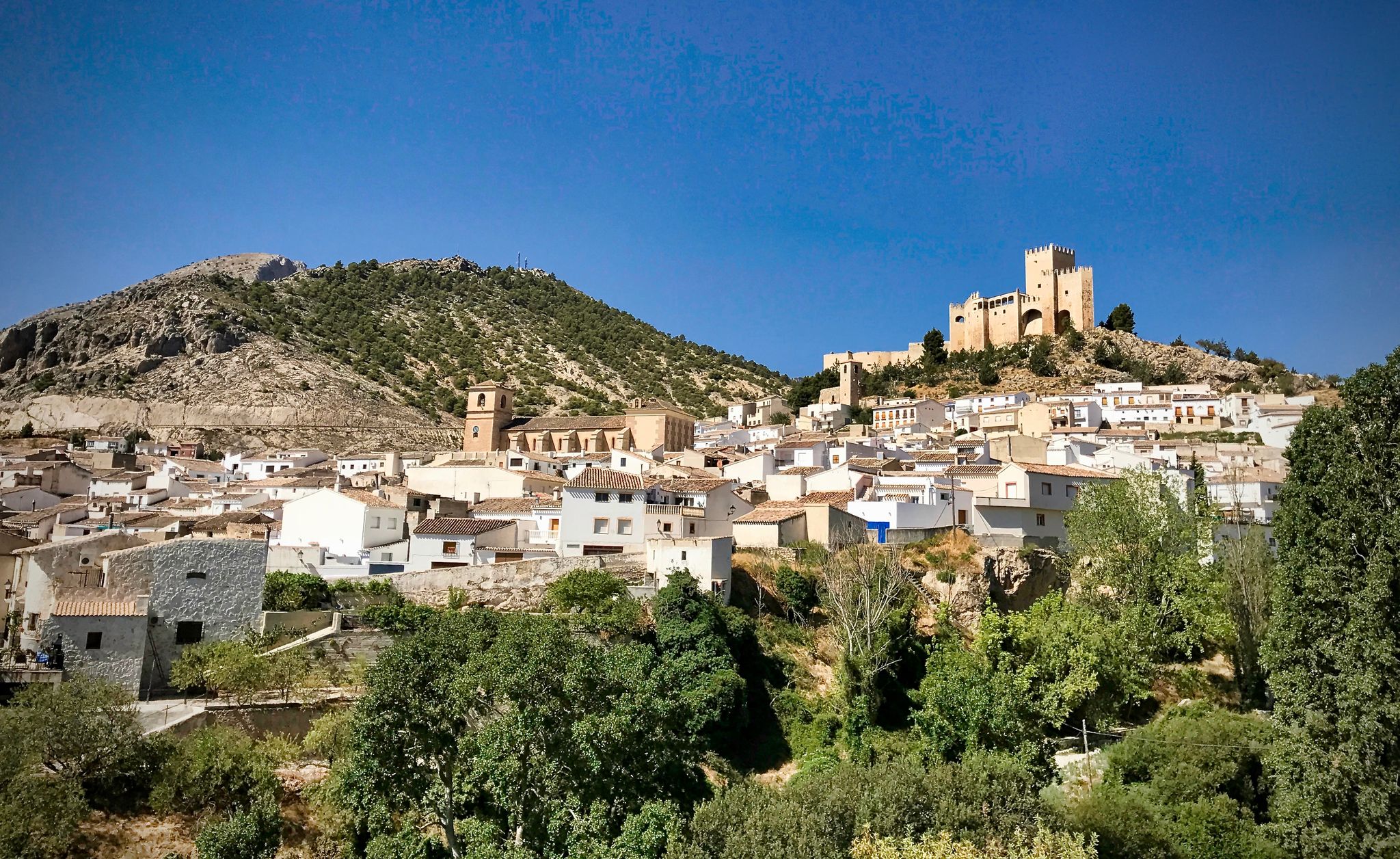
This small town is located at 1034 meters above sea level in the Los Vélez region, Almería. The place name has origins in the Latin word "silvella", which means little forest. The origin of the current municipality is a group of houses from the Los Vélez manor, when in 1859 it achieved independence from Vélez Rubio. In any case, the archaeological remains found seem to indicate that there have already been settlements in the same place since prehistoric times.
1
0

Vélez-Rubio is a town that has amalgamated cultures over the centuries. Its urban center presents a very interesting architectural complex, mainly from the 18th and 19th centuries. Although some of its neighborhoods preserve the medieval spirit of the twisted and narrow streets. On the other hand, its surroundings have a marked agricultural character dominated by olive groves.
1
0
Frequently Asked Questions
How many no-traffic touring cycling routes are available around Chirivel?
There are 7 dedicated no-traffic touring cycling routes around Chirivel listed in this guide. These routes offer a variety of experiences, from moderate to difficult, allowing you to explore the serene landscapes of the region.
What kind of terrain can I expect on these no-traffic touring cycling routes?
The routes around Chirivel feature diverse terrain. While many segments are paved, you can also expect some unpaved sections, offering a mix of road and off-road experiences. You'll cycle through picturesque environments characterized by pine forests, karst formations, rugged limestone mountains, and areas with olive, almond, and lavender orchards.
Are there any circular no-traffic touring cycling routes in Chirivel?
Yes, several routes are designed as loops, allowing you to start and finish in the same location. Examples include the View of Sierra de María – Puerto del Peral Viewpoint loop from Chirivel, the La Balsa Nueva Spring – Barranco de Quiles loop from Oria, and the El Contador – Collado de la Zanaca loop from Lavadero público de El Contador.
What scenic viewpoints or natural landmarks can I discover on these routes?
The routes offer access to stunning natural features. You can enjoy the View of Sierra de María, explore the unique Cave of the Inscriptions, or visit the ancient Millenary Sabina Tree, estimated to be between 600 and 1,000 years old. The Umbría de la Virgen Botanical Garden is also a notable highlight within the Sierra de María-Los Vélez Natural Park.
When is the best time of year to cycle in Chirivel?
Chirivel experiences a Mediterranean-continental climate, making spring and autumn ideal for touring cycling. During these seasons, temperatures are generally mild and pleasant, perfect for enjoying the diverse landscapes without the extreme heat of summer or the colder conditions of winter.
Are there family-friendly no-traffic touring cycling routes in Chirivel?
While this guide features mostly moderate to difficult routes, the region does offer options suitable for various fitness levels. Easy routes, often on mostly paved surfaces, are available in the broader Chirivel area and typically involve up to 2 hours of cycling with around 500 feet of elevation gain, making them suitable for families seeking a tranquil experience.
What are the difficulty levels of the no-traffic touring cycling routes in Chirivel?
The routes in this guide are categorized as moderate or difficult. There are 3 moderate routes, which can extend up to 5 hours with up to 1500 feet of elevation, potentially including some unpaved sections. The 4 difficult routes require very good fitness, exceeding 5 hours or 1500 feet of elevation, and might necessitate pushing the bike on certain segments.
What do other touring cyclists enjoy most about cycling in Chirivel?
The area is highly rated by the komoot community, with an average score of 3.5 stars. Reviewers often praise the peaceful and quiet environment, the breathtaking views of the Sierra de María-Los Vélez Natural Park, and the opportunity to cycle through diverse landscapes like olive, almond, and lavender orchards.
Are there any cafes or places to rest near the no-traffic touring cycling routes?
Chirivel and its surrounding villages offer local establishments where you can find refreshments and rest. While specific cafes directly on every route are not guaranteed, planning your stops in the towns or smaller hamlets along your chosen path is advisable.
What is the longest no-traffic touring cycling route in this guide?
The longest route featured in this guide is the View of Sierra de María – Puerto del Peral Viewpoint loop from Chirivel, covering a distance of approximately 50.6 kilometers (31.4 miles) with over 1000 meters of elevation gain.
Can I find routes that offer views of the Sierra de María?
Absolutely. Many routes are designed to showcase the stunning Sierra de María-Los Vélez Natural Park. For instance, the View of Sierra de María – Puerto del Peral Viewpoint loop from Chirivel specifically highlights these panoramic vistas, leading you to the View of Sierra de María.
Most popular attractions around Chirivel

Get inspired with the komoot mobile app


Explore more
Browse the best Cycling routes in other regions.
