The best traffic-free bike rides around Formiche Alto
4.8
(33)
370
riders
21
rides
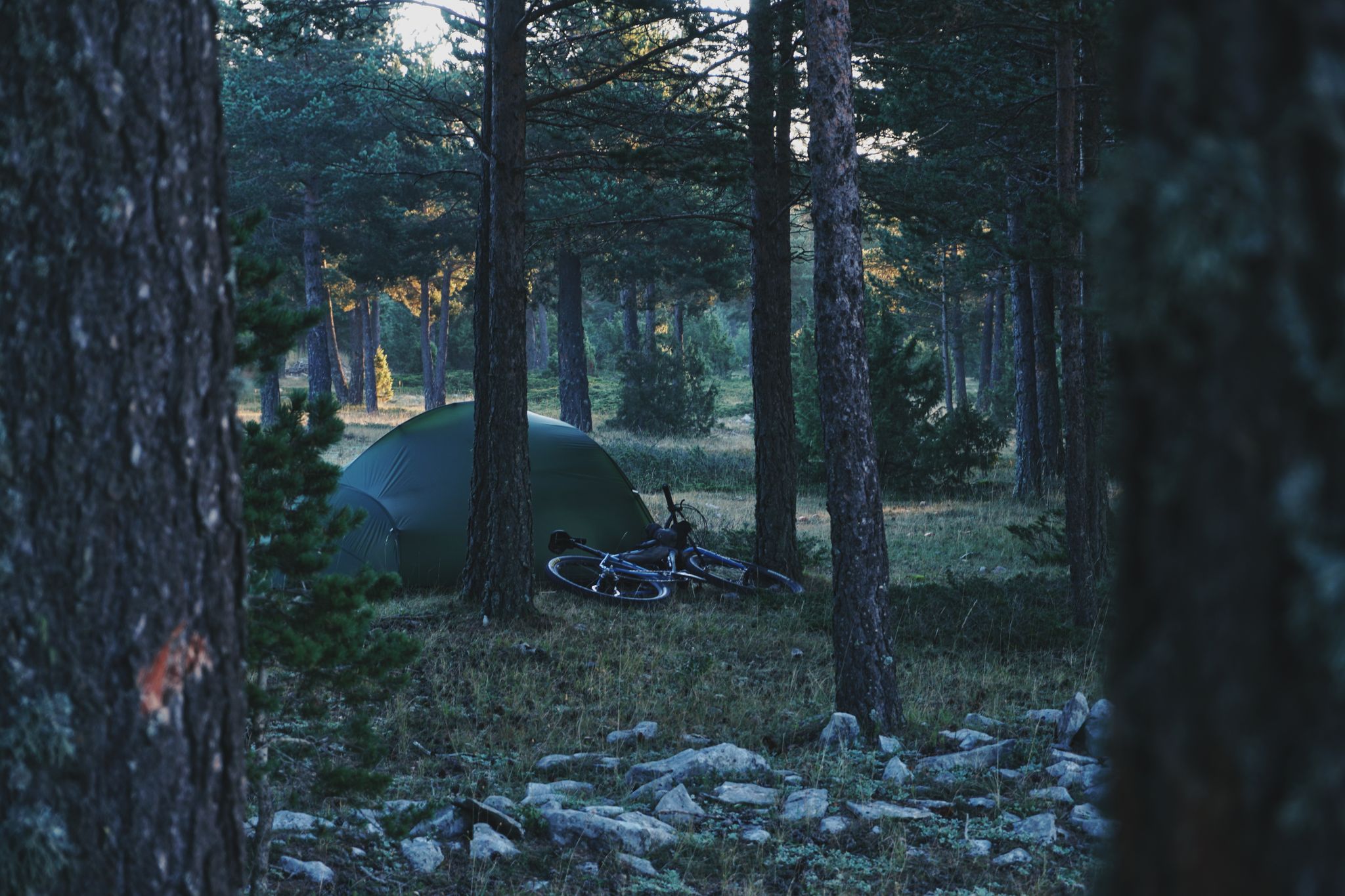
No traffic touring cycling routes around Formiche Alto are situated within the Sierra de Gúdar, a mountain range characterized by diverse terrain, extensive forests, and dramatic natural landscapes. The region features well-maintained forest roads and double tracks, ideal for touring cyclists seeking immersive experiences away from car traffic. The Mijares River carves impressive canyons through the area, adding to the varied topography. This setting provides a network of routes with significant elevation changes, offering rewarding challenges for cyclists.
Best no…
Last updated: July 2, 2026
4.6
(10)
46
riders
74.5km
04:58
760m
760m
Hard bike ride. Very good fitness required. Mostly paved surfaces. Suitable for all skill levels.
5.0
(1)
16
riders
Moderate bike ride. Good fitness required. Mostly paved surfaces. Suitable for all skill levels.

Sign up for free
7
riders
101km
08:44
1,780m
1,780m
Hard bike ride. Very good fitness required. Mostly paved surfaces. Suitable for all skill levels.
5
riders
44.4km
03:17
700m
700m
Hard bike ride. Very good fitness required. Mostly paved surfaces. Suitable for all skill levels.
5.0
(1)
6
riders
Hard bike ride. Very good fitness required. Mostly paved surfaces. Suitable for all skill levels.
Get access to more routes and recommendations from other explorers.
Sign up for free
Already have an account?
Our route recommendations are based on thousands of hikes, rides, and runs completed by other people on komoot.
Start today with a free account
Your next adventure awaits.
Login or Signup
Popular around Formiche Alto

Other adventures around Formiche Alto

Tips from the Community

What to see in Teruel (must-sees) Oval Staircase Monumental entrance to the historic center in Neo-Mudéjar style, with reliefs of the Lovers of Teruel. Plaza del Torico The heart of the city, surrounded by Modernist buildings and bars. Mudéjar Towers Torre del Salvador (open to visitors, with a viewpoint). San Martín and San Pedro Churches. Cathedral of Santa María de Mediavilla Spectacular Mudéjar roof and unique dome. Mausoleum of the Lovers Romantic and tragic story, next to the Church of San Pedro. Los Arcos Aqueduct Historical walk along the Renaissance aqueduct. Teruel Provincial Museum To discover local archaeology and art. Dinópolis Dinosaur theme park, ideal if you are traveling with children.
8
0
Visiting Teruel is a highly recommended experience if you enjoy history, architecture, and charming villages. It's a small city, easy to explore on foot, and is renowned for its Mudéjar art, a UNESCO World Heritage Site, and for the famous legend of the Lovers of Teruel.
7
0
The Los Arcos Aqueduct is located in Teruel, on Calle Bajo los Arcos (also known as Camino Bajo los Arcos), and is one of the city's most emblematic monuments. Construction: Between 1537 and 1554, designed by the French architect Quinto Pierres Vedel. Function: It served as both an aqueduct and a viaduct, supplying water to the city and allowing passage over the ravine.
4
0

This aqueduct is also a viaduct, as the piers of the second section are open to traffic. It is a work by the Frenchman Quinto Pierres Vedel, begun in 1537 and completed by the end of the 16th century. It consists of two tiers of arches. This bridge compensates for the difference in elevation between medieval and modern Teruel.
2
0

Beautiful and the pub on the square is even better than beautiful
0
0

Hermitage of the Holy Christ, Aguilar de Alfambra, Teruel.
0
0

La Puebla de Valverde is a Spanish municipality and a small fortified town with 465 inhabitants (as of 2024). The town is located approximately 20 km southeast of Teruel, south of the Escandón Pass. The road from Teruel to the Mediterranean coast originally ran through the town, but now bypasses it. At La Puebla de Valverde, the road to Mora de Rubielos turns off. The town is situated on a broad, elongated hill facing west-east. The city walls have been preserved. The town was founded as part of the Reconquista in the 13th century and was first mentioned in 1265. It was located on the Camino Real to Valencia and served to protect the southern border of Aragon against the then still Muslim Kingdom of Valencia.
1
0
Ermita de la Soledad (Hermitage of Solitude) The hermitage was built in the 18th century under the patronage of Saint Mary. The name "La Soledad" (Solitude) refers to the Virgin's state after the death and burial of her son, Jesus. The image depicts Mary in a prayerful posture, with her hands crossed and a rosary in her hand. In light of the Virgin Mary's intense suffering, she is serene and hopeful about the salvation of humanity. In the iconographic representation of the Virgin Mary, she is covered with a blue mantle and pink robe. In this chapel, however, Mary is covered with a black mantle and a white habit, a symbol of mourning and sorrow. Inside the chapel, the space opens up through a barrel vault with lunettes. A dome rises above the transept on stucco pendentives. Four angels. Two side doors with pointed arches lead into the central nave. The tiled roof above the transept forms a false cone. At the foot of the altar, an atmosphere of spiritual contemplation prevails during the traditional retreat. Pilgrims prostrate themselves at the prayer window, assuming the same prayerful posture as the Virgin Mary. The wooden roof, supported by four Doric columns with elaborate carvings of plant motifs, is very well preserved.
0
0
Frequently Asked Questions
How many no-traffic touring cycling routes are available around Formiche Alto?
There are 13 dedicated no-traffic touring cycling routes around Formiche Alto. These routes are designed to offer a serene cycling experience away from vehicular traffic, utilizing forest roads and double tracks.
What is the general difficulty level of no-traffic touring cycling routes in Formiche Alto?
The routes around Formiche Alto offer a range of difficulties. While there is 1 easy route, the majority are more challenging, with 4 moderate and 8 difficult options. The terrain often involves significant elevation changes, characteristic of the Sierra de Gúdar region, making them rewarding for experienced touring cyclists.
Are there any easy no-traffic touring cycling routes suitable for beginners or families?
Yes, there is at least one easy no-traffic touring cycling route available. For those seeking a less strenuous ride, consider exploring options that stick to flatter sections of the region's extensive network of forest roads. Always check the route details for elevation profiles to ensure it matches your group's ability.
What kind of terrain can I expect on these no-traffic touring cycling routes?
The no-traffic routes primarily utilize well-maintained forest roads and double tracks. You can expect diverse landscapes, from extensive pine and savin juniper forests to dramatic canyons along the Mijares River. The Sierra de Gúdar region is mountainous, so be prepared for varied surfaces and elevation changes.
What are some notable landmarks or scenic viewpoints along the no-traffic touring cycling routes?
Many routes offer stunning views and pass by interesting landmarks. You might encounter historical sites like Mora de Rubielos Castle or natural features such as the Red Plain. The canyons of the Mijares River also provide breathtaking scenery. Some routes, like the Red Plain – Viaducto de Peñaflores loop from La Puebla de Valverde, specifically highlight these natural monuments.
Are there any circular no-traffic touring cycling routes available?
Yes, several no-traffic touring cycling routes around Formiche Alto are circular, allowing you to start and end at the same point. Examples include the Red Plain – Viaducto de Peñaflores loop from La Puebla de Valverde and the Alcalá de la Selva Castle – Alcalá de la Selva loop from El Castellar. These loops are convenient for day trips.
What is the best time of year to visit Formiche Alto for no-traffic touring cycling?
Spring and autumn are generally the best times for touring cycling in Formiche Alto. In spring, the Mijares River is often fuller, and the landscapes are lush. Autumn offers pleasant temperatures and beautiful foliage. Summers can be hot, and while winter cycling is possible, higher elevations may experience snow and colder conditions.
What do other touring cyclists enjoy most about touring cycling in Formiche Alto?
The area is highly rated by the komoot community, with an average score of 4.8 stars. Reviewers often praise the tranquility of the routes, the stunning natural beauty of the Sierra de Gúdar, and the immersive experience of cycling through remote, car-free landscapes. The challenging elevation changes are also frequently highlighted as a rewarding aspect.
Are there any multi-day no-traffic touring cycling options in the Formiche Alto area?
Formiche Alto serves as a gateway to the renowned "Montañas Vacías" (Empty Mountains) bikepacking route. While not exclusively within Formiche Alto, this acclaimed off-road journey traverses the broader region using forest roads and double tracks, making it ideal for multi-day, no-traffic touring. You can plan segments of this route or link several local routes for a longer adventure.
Can I find places to eat or stay near the no-traffic touring cycling routes?
The Sierra de Gúdar region features charming villages and ancient farmhouses (masías) that can offer cultural insights and picturesque stops. While specific cafes or pubs directly on every remote no-traffic route might be limited, you will find amenities in nearby towns such as Mora de Rubielos or La Puebla de Valverde, which are often starting or ending points for tours.
Are there any routes that pass through or near historical sites?
Yes, some routes offer a glimpse into the region's history. For instance, the Mora de Rubielos Castle – Mora de Rubielos Town Square loop from El Castellar takes you past the impressive Mora de Rubielos Castle. The area also has historical elements related to the Spanish Civil War, with caves used by Maquis, particularly around the Mijares River canyons.
Most popular attractions around Formiche Alto

Get inspired with the komoot mobile app


Explore more
Browse the best Cycling routes in other regions.
