The best traffic-free bike rides around Orcera
5.0
(4)
459
riders
11
rides
Road cycling around Orcera, nestled within the Sierra de Segura in Jaén, Spain, offers diverse terrain for cyclists. The region is characterized by valleys, gorges, mountains, and plateaus, providing varied landscapes for no traffic road cycling routes. Extensive forested areas and challenging ascents with exhilarating descents define the cycling experience. The area is part of one of Spain's largest protected natural parks, offering a picturesque backdrop for road cyclists.
Best no traffic road cycling routes around Orcera
- The most popular…
Last updated: July 15, 2026
9
riders
49.0km
03:05
1,220m
1,210m
Hard road ride. Very good fitness required. Some segments of this route may be unpaved and difficult to ride.
4
riders
55.0km
02:42
840m
840m
Moderate road ride. Good fitness required. Mostly well-paved surfaces and easy to ride.

Sign up for free
30
riders
108km
05:59
2,320m
2,320m
Hard road ride. Very good fitness required. Mostly well-paved surfaces and easy to ride.
32
riders
85.5km
05:01
2,080m
2,080m
Hard road ride. Very good fitness required. Some segments of this route may be unpaved and difficult to ride.
9
riders
126km
07:21
3,070m
3,070m
Hard road ride. Very good fitness required. Some segments of this route may be unpaved and difficult to ride.
Get access to more routes and recommendations from other explorers.
Sign up for free
Already have an account?
Our route recommendations are based on thousands of hikes, rides, and runs completed by other people on komoot.
Start today with a free account
Your next adventure awaits.
Login or Signup

Other adventures around Orcera

Tips from the Community

Incredible, beautiful, desolate climb. If climbing from El Robledo the road will be quite rough all the way. If climbing from Hornos the first approx 10km is a great surface but also becomes quite rough when turning off for the last section.
0
0

On one of the roads that go in the direction of Hornos from its southern side we find this viewpoint that lets us see the Tranco de Beas Reservoir and the set of mountains that surround it.
0
0
From this curve you can see a good panorama of the whole of the Embalse del Tranco and the whole of the Sierra de Cazorla that surrounds it.
0
0

The panoramic views that you get from this viewpoint to the surrounding mountains are very beautiful. It is an ideal place to take a break and savor the charming picture that you have in front of you.
0
0
It is a beautiful municipality on the banks of the Guadalimar river. It is located at the foot of the Sierra del Segura and is a strategic point for adventurers who want to explore it, both on foot and by bicycle.
1
0

Small refugio in good condition. There is no water inside but a little further down the road there is a fountain. However, it was dried up when I was there in April, 2023.
1
1

The Tranco reservoir is one of the largest in Spain.
0
0
This shelter is located at the southeast base of El Yelmo. The old house where the forest ranger lived is in ruins, but there is an auxiliary building where you can spend the night. The closest water point to the refuge is the Avellanar spring. To find it, take the road in the direction of Segura de la Sierra and after 600 meters you will find a signposted path that opens to the left. The source is about 300 meters.
1
0
Frequently Asked Questions
How many no traffic road cycling routes can I find around Orcera?
Komoot features 12 dedicated no traffic road cycling routes around Orcera. These routes offer a range of experiences, from moderate challenges to more demanding rides through the stunning Sierra de Segura.
What is the typical difficulty level for no traffic road cycling routes in Orcera?
The no traffic road cycling routes around Orcera primarily range from moderate to difficult. You'll find 7 moderate routes and 5 difficult routes, often featuring significant elevation gains and exhilarating descents through the mountainous terrain of the Sierras de Cazorla, Segura y Las Villas Natural Park.
Are there any circular no traffic road cycling routes in the Orcera area?
Yes, there are several circular options. For example, the La Puerta de Segura y Puente de Génave — circular desde Orcera route offers a moderate 55 km loop starting and ending in Orcera, providing a scenic tour of the local villages and landscapes.
What kind of natural features can I expect to see along these routes?
The routes traverse a diverse landscape of valleys, gorges, mountains, and plateaus within the Sierras de Cazorla, Segura y Las Villas Natural Park. You might encounter tranquil water features like the Laguna de La Hueta or the impressive Fuente de La Toba waterfall during rainy seasons. The region is also rich in extensive forests and supports vibrant biodiversity, including raptors like griffon vultures.
Are there any historical landmarks or points of interest along the no traffic road cycling routes?
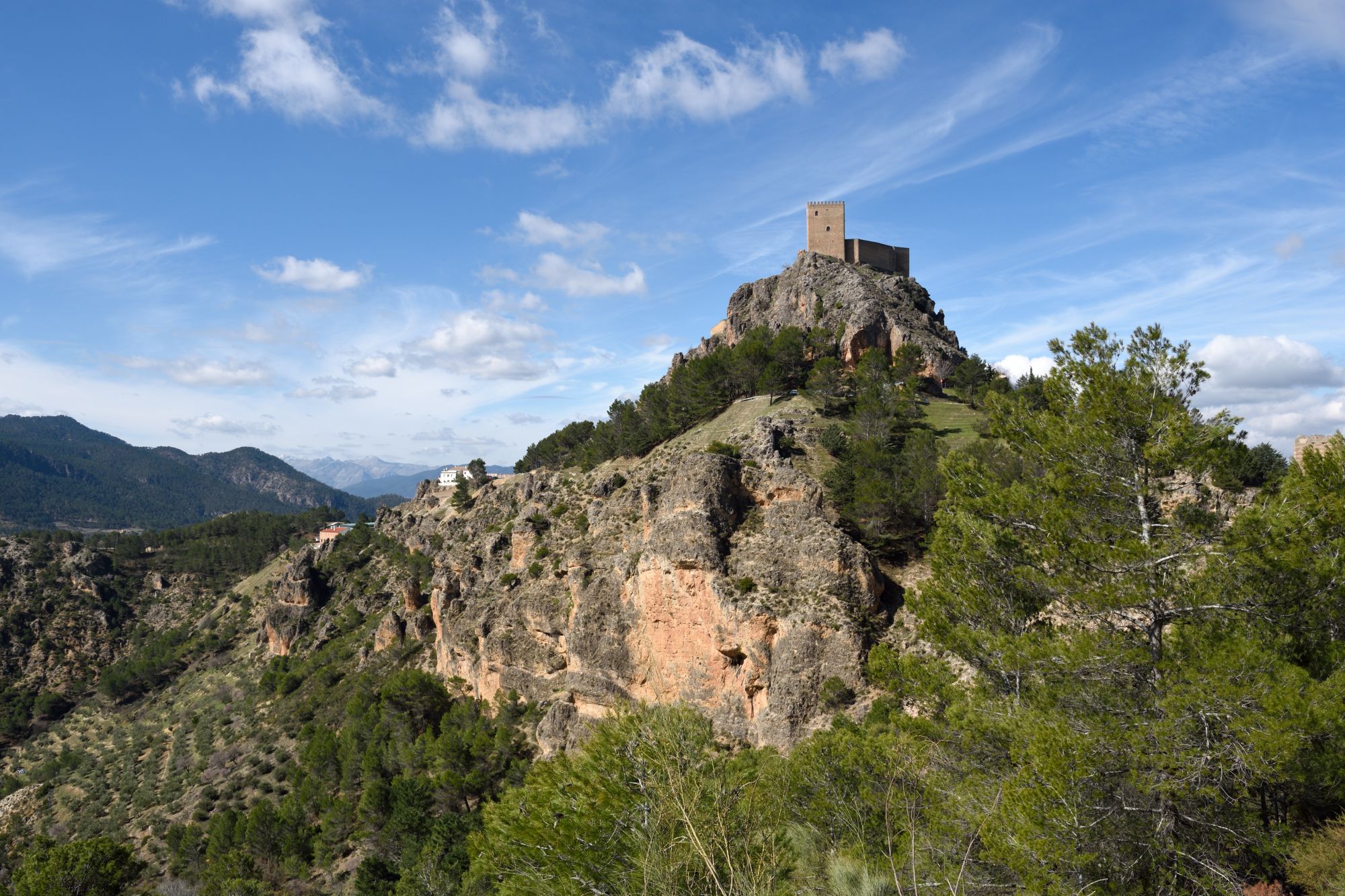
Absolutely. Many routes offer glimpses of historical sites. For instance, the Siles – tour around Castillo de Seguro de la Sierra route passes near the impressive Castle of Segura de la Sierra. The medieval castle in Hornos is another notable landmark you might encounter on longer rides like the El Yelmo Peak – Hornos Castle and Village loop from Siles.
What is the best time of year for no traffic road cycling in Orcera?
Orcera offers a great cycling experience for much of the year. Spring and autumn generally provide the most comfortable temperatures and vibrant scenery. While most surfaces are well-paved, some segments may include unpaved sections, so checking local conditions, especially after heavy rain, is advisable.
Are there any routes suitable for advanced road cyclists looking for a challenge?
Yes, advanced cyclists will find demanding routes. The El Yelmo Peak – Hornos Castle and Village loop from Siles is a difficult 125 km route with over 3000 meters of elevation gain, offering a significant challenge and stunning views of peaks like El Yelmo Summit.
Where can I find panoramic viewpoints along the no traffic road cycling routes?
The mountainous terrain naturally offers many panoramic vistas. Peaks like La Atalaya or El Picorzo, while not directly on all road cycling routes, are accessible nearby and provide breathtaking views. The Cerro de los Villares also offers expansive views of the valley and rivers, with distant glimpses of prominent peaks.
What do other road cyclists say about the no traffic routes in Orcera?
The no traffic road cycling routes around Orcera are highly rated by the komoot community, with an average score of 5.0 stars. Reviewers often praise the stunning natural beauty, the challenging yet rewarding climbs, and the peaceful, car-free experience through the Sierra de Segura.
Are there any specific regulations or permits needed for cycling in the Sierra de Segura area?
As Orcera is located within the Sierras de Cazorla, Segura y Las Villas Natural Park, it's always recommended to be aware of park regulations. Generally, cycling on marked roads and trails is permitted, but for specific access rules or any required permits for certain protected areas, it's best to consult the official Natural Park authority's guidelines.
Can I find places to eat or resupply near the no traffic road cycling routes?
While the routes focus on low-traffic roads, they often pass through or near small villages like La Puerta de Segura, Puente de Génave, or Hornos, where you can typically find cafes, restaurants, or small shops for refreshments and resupply. Planning your stops in advance, especially on longer routes, is always a good idea.
Most popular attractions around Orcera

Get inspired with the komoot mobile app


Explore more
Browse the best Road cycling routes in other regions.
