The best traffic-free bike rides around Requena
4.5
(5)
175
riders
21
rides
No traffic gravel bike trails around Requena traverse a diverse landscape of extensive vineyards, mountainous areas, and protected natural parks. The region is characterized by rural roads, agricultural trails, and forest tracks, offering varied surfaces for gravel cycling. Significant natural features include the Hoces del Cabriel Natural Park with its dramatic meanders and limestone structures, and the Utiel-Requena wine region, known for its vast expanses of grapevines. This terrain provides a mix of challenging climbs and scenic routes suitable for…
Last updated: July 2, 2026
27
riders
116km
08:32
1,020m
1,020m
Hard gravel ride. Very good fitness required. Mostly paved surfaces. Suitable for all skill levels.
5.0
(1)
26
riders
Hard gravel ride. Very good fitness required. Mostly paved surfaces. Suitable for all skill levels.

Sign up for free
3.0
(1)
13
riders
56.3km
04:37
680m
690m
Hard gravel ride. Very good fitness required. Mostly paved surfaces. Suitable for all skill levels.
5.0
(1)
11
riders
66.5km
05:33
950m
950m
Hard gravel ride. Very good fitness required. Mostly paved surfaces. Suitable for all skill levels.
6
riders
35.6km
03:00
580m
580m
Hard gravel ride. Very good fitness required. Mostly paved surfaces. Suitable for all skill levels.
Get access to more routes and recommendations from other explorers.
Sign up for free
Already have an account?
Our route recommendations are based on thousands of hikes, rides, and runs completed by other people on komoot.
Start today with a free account
Your next adventure awaits.
Login or Signup



Tips from the Community

Villargordo del Cabriel is a municipality in the Requena-Utiel region, in the province of Valencia. The town is located on the banks of the Cabriel River and is on the border between Castilla-La Mancha and the Valencia region. One of the biggest tourist attractions is the beautiful nature, which is remarkably well preserved.
14
0
Small village in a beautiful setting, with a central square, a small shop and a huge church.
13
0

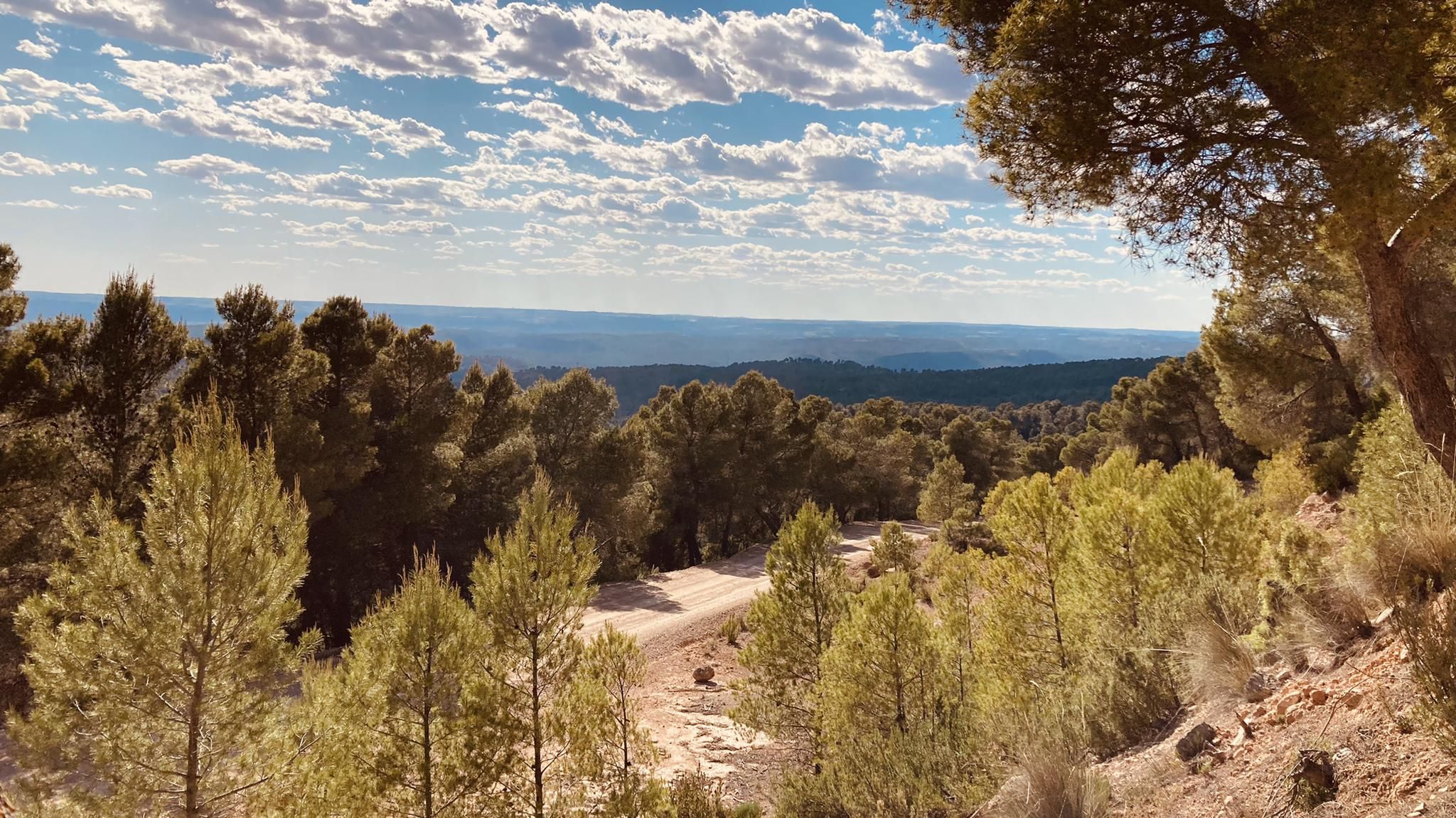
At this point, depending on the direction of your hike, you'll leave the river and head into the hillside, where the trail leads you through a wide pine forest and typical Mediterranean vegetation characteristic of these mountain landscapes. As you ascend, the views open up, revealing breathtaking panoramas of the surrounding area, which can be the perfect excuse to stop for a few moments to rest and savor the scenery before continuing.
0
0
The route is marked with beacons, posts, and other standardized signs with arrows and markings. At this point, there are also signs indicating directions and distances to towns or key locations.
0
0

Parish Church of Siete Aguas, erected in the 18th century and dedicated to San Juan Bautista. Inside, the highly popular images of the Holy Christ of the Afflicted and Saint John the Baptist stand out. The patron saint festivities are celebrated on June 24 in honor of its patron saint, San Juan Bautista.
0
0

It's a street decorated with charming Super Mario motifs, as if the video game had come to life. A truly delightful place to behold.
3
0

The cycling trip continues along the rural path of the Ruta de la Lana and passes through El Rebollar, an old inn on the Camino Real in Valencia. The slides follow one another among holm oak forests, Aleppo pine groves and vineyard plantations until the final climb towards Siete Aguas begins, on the A-3 service road. The Nature Trail passes through an uncomfortable little tunnel under the highway, then crosses the high-speed train bridge and continues along a path with a lot of stones that can put in trouble those who carry long distances on their bike. The descent to the town is also delicate due to the loose surface. The “Turia sector” of the Natural Trail ends in Siete Aguas. The route to Pedralba, in the Turia valley, has several non-cyclable sections for gravel bikes and we turn around in this beautiful town of Hoya de Buñol-Chiva, famous for the springs that flow in the municipality, such as the fountains of the Papan, of the Gota, of the Apetito, of the Tejería or the great symbol of the town, the popular Fuente de los Siete Caños, in the center of the urban area. The return from Siete Aguas to the highway is recommended along the road to avoid the stone path. And then to Requena along the same route, following the red milestones of the Turia-Cabriel Natural Trail through El Rebollar and the Magro River valley.
0
0
Stage 2. Villargordo del Cabriel/Requena 86 kilometers. 1,090 positive meters. The milestones of the Natural Trail leave the urban complex of Villargordo del Cabriel, cross the passes of the N-III and the A-3 highway, travel through the rural hills of La Erilla and pass through Jaraguas, a village belonging to the municipality of Venta del Moro , with sites of Iberian and Roman settlements. The route goes through the hamlet and on the outskirts it passes through the Rambla de la Albosa, a very pleasant corner with a cozy walkway of giant poplar trees, the communal laundry and a historic fountain. The signal posts pass near the salt flats of Mina Lolita, a spring of saline waters exploited since Roman times. The route connects with the Camino Real from Castilla to Valencia and follows the same path as the previous day to the flood-prone Magro river boulevard and its disturbing river jungle. The stage could end in half a day in Requena, about 40 kilometers from Villargordo del Cabriel, but it is worth ignoring this option and continuing through the Magro river valley towards El Rebollar and Siete Aguas, in the section we call “Turia sector”. After Requena, the Magro River canyon is spectacular, a forest gallery of poplars, poplars, ash, willows and walnut trees between stone walls that keep the riverbed isolated from agricultural fields, dedicated mainly to the cultivation of vineyards, olive and almond trees. The path passes through the curious hermitage of San Blas, in the neighborhood of Las Ollerías, built in the 18th century in the premises of an old agricultural farm on the bank of the Magro River. In the ravine lane there are also marks of the Camino de Santiago of the Wool Route, used for centuries by walkers, pilgrims and merchants between the Mediterranean coast and the city of Burgos. The posts of the Natural Trail leave the gorge of the Magro River and go up the Fuente Cuca plain to the Requena Aerodrome. At the entrance to the airport, the Herrada del Gallego road leaves on the right, an outstanding forest area in the environmental surroundings of Requena.
2
0
Frequently Asked Questions
How many no-traffic gravel bike trails are available around Requena?
The Requena area offers a good selection of traffic-free gravel bike trails, with over 15 routes to explore. These routes range from moderate to difficult, providing options for various skill levels looking for quiet, scenic rides through vineyards, forests, and natural parks.
What kind of terrain can I expect on the gravel bike trails in Requena?
You can expect a diverse range of terrain, primarily consisting of rural roads, agricultural tracks, and forest paths. Many routes traverse the extensive vineyards of the Utiel-Requena wine region, while others venture into mountainous areas and natural parks like the Hoces del Cabriel, offering varied surfaces and elevation changes.
Are there any family-friendly no-traffic gravel routes in Requena?
While many of the listed routes are rated as difficult due to their length and elevation, the region's extensive network of agricultural roads and vineyard tracks offers potential for creating shorter, less challenging loops suitable for families. Look for routes that stick to flatter vineyard areas for a more relaxed experience, though specific 'easy' routes may require local knowledge or custom planning.
What natural features or landmarks can I see along the gravel bike trails?
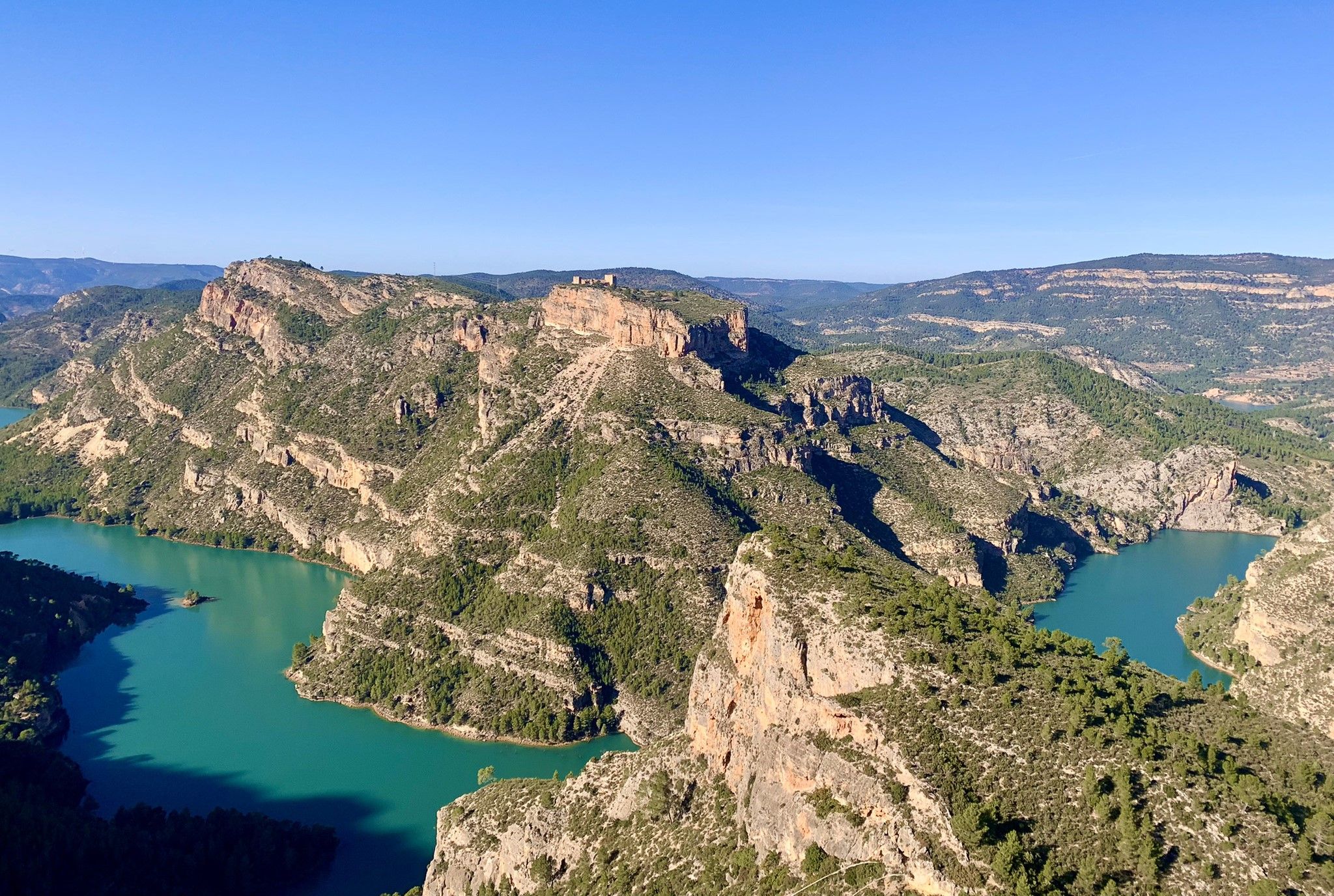
Requena's gravel trails are rich with natural beauty. You can encounter dramatic landscapes within the Hoces del Cabriel Natural Park, known for its impressive gorges and the Cabriel River. Highlights like Pico Ropé offer panoramic views, and you might discover caves such as Cueva de la Garita or the serene Reatillo River. The vast vineyards are a constant, picturesque backdrop, especially during autumn.
Are there any circular gravel bike routes around Requena?
Yes, many of the gravel bike routes in Requena are designed as loops, allowing you to start and finish at the same point. An example is the challenging Villargordo del Cabriel – Universal Monument to the Grape Harvest loop from Requena, which takes you through extensive vineyard country.
What is the best time of year to go gravel biking in Requena?
Autumn is particularly recommended for gravel biking in Requena, as the vineyards transform with vibrant colors, creating stunning scenery. Spring also offers pleasant temperatures and lush landscapes. Summers can be hot, so early morning or late afternoon rides are advisable, while winters are generally mild but can be cooler at higher elevations.
What is the typical difficulty level of no-traffic gravel bike routes in Requena?
Most of the dedicated no-traffic gravel bike routes in Requena are rated as difficult. For instance, the Castle Slope – Requena Fortress loop from Requena covers over 65 km with significant elevation gain. These routes often involve long distances and considerable climbing, requiring good fitness and some experience with unpaved surfaces.
Can I find routes that explore the wine region specifically?
Absolutely. The Utiel-Requena wine region, also known as Tierra Bobal, is central to many gravel routes. You'll find yourself cycling through vast expanses of vineyards, with opportunities to visit local wineries. The Requena Fortress – Río Magro loop from Requena is one such route that immerses you in this iconic landscape.
What do other gravel bikers say about the trails in Requena?
The komoot community highly rates the gravel routes in Requena, with an average score of 4.5 stars. Riders frequently praise the region's quiet, traffic-free paths, the stunning vineyard scenery, and the challenging yet rewarding terrain that makes for an excellent outdoor adventure.
Are there any historical sites or cultural attractions accessible from the gravel trails?
Yes, the region blends natural beauty with rich history. You can often pass by or near landmarks like the historic Requena Castle/Fortress. Some routes, such as the Magic Barranco de Papàn – Aqueduct ruins loop from Siete Aguas, might even lead you past ancient ruins or other points of historical interest, offering a cultural dimension to your ride.
Are there any routes that feature water bodies or rivers?
Yes, several routes incorporate the region's rivers and water features. The Cabriel River, forming a natural border and carving out impressive gorges, is a prominent feature in areas like the Hoces del Cabriel Natural Park. You can experience this on routes such as the Río Cabriel – Way of the Cross of Caravaca loop from Villatoya.
Most popular attractions around Requena

Get inspired with the komoot mobile app


Explore more
Browse the best Gravel rides in other regions.
