The best traffic-free bike rides around Rocafort De Queralt
4.7
(9)
399
riders
31
rides
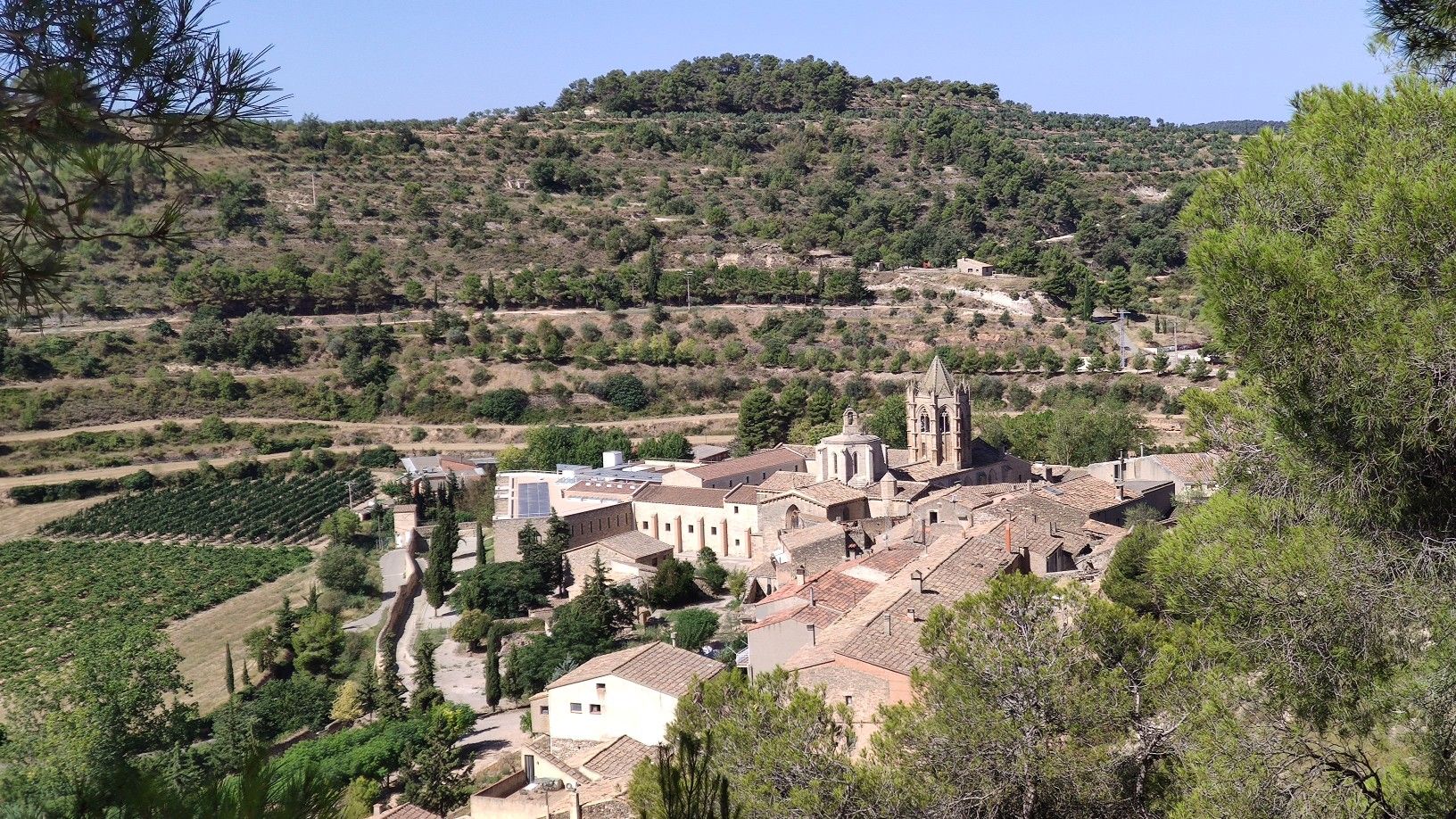
No traffic touring cycling routes around Rocafort De Queralt traverse a landscape characterized by rolling hills, river valleys, and extensive vineyards. The region, part of the Conca de Barberà, offers diverse terrain suitable for touring cyclists, including mostly paved surfaces. Nearby, the Prades Mountains provide higher elevations and panoramic views. Ancient castle ruins and medieval walled villages are integrated into the routes, offering historical points of interest.
Best no traffic touring cycling routes around Rocafort De Queralt
- The most popular no traffic touring cycling route is Conesa Medieval Walled Village – Conesa Village loop from Conesa, a difficult 29.4 miles (47.3 km) trail that takes 4 hours 52 minutes to complete, passing through historical medieval villages.
- Another top favourite among local touring cyclists is View of Barberà de la Conca – Font d’en Guàrdies loop from Cabra del Camp, a difficult 24.7 miles (39.8 km) path offering views over Barberà de la Conca and winding through rolling hills.
- Local touring cyclists also love the Old Bridge of Montblanc – Santa Maria Church (Montblanc) loop from Barberà de la Conca, a 53.3 miles (85.7 km) trail leading through river valleys and past historical landmarks, often completed in about 7 hours 35 minutes.
- Touring cycling around Rocafort De Queralt is defined by rolling hills, river valleys, and vineyards. The network offers options for different ability levels, from moderate rides to challenging excursions.
- The routes in Rocafort De Queralt are highly rated by the komoot community with an average score of 4.7 stars from over 9 reviews. More than 300 touring cyclists have used komoot to explore Rocafort De Queralt's varied terrain.
Last updated: October 18, 2026
28
riders
47.3km
04:52
1,310m
1,310m
Hard bike ride. Very good fitness required. Mostly paved surfaces. Suitable for all skill levels.
28
riders
79.9km
06:31
1,280m
1,280m
Hard bike ride. Very good fitness required. Mostly paved surfaces. Suitable for all skill levels.

12
riders
Hard bike ride. Very good fitness required. Mostly paved surfaces. Suitable for all skill levels.
11
riders
42.6km
04:09
1,030m
1,030m
Hard bike ride. Very good fitness required. Mostly paved surfaces. Suitable for all skill levels.
8
riders
27.1km
02:26
610m
610m
Hard bike ride. Very good fitness required. Mostly paved surfaces. Suitable for all skill levels.
Get access to more routes and recommendations from other explorers.
Already have an account?
Our route recommendations are based on thousands of hikes, rides, and runs completed by other people on komoot.
Start today with a free account
Your next adventure awaits.


Other adventures around Rocafort De Queralt

Tips from the Community

Along with the monasteries of Poblet and Santes Creus, this is one of the three pearls of Gothic architecture in Catalonia. You won't be disappointed.
0
0


Beautiful medieval monastery from the Cistercian era, still inhabited by nuns.
0
0

The Vallfogona de Riucorb spa was built in 1901 to take advantage of the thermal waters that spring up in the area. It is one of several spas that are spread throughout this region.
0
0

The monastery of Santa María de Vallbona is a female Cistercian abbey founded in the 11th century and built in a mixture of Romanesque and Gothic styles. Together with the Poblet and Santes Creus monasteries, it forms the Cistercian Route.
0
0
The Vallespinosa castle is located in the upper part of the town, dominating the forty houses that make it up. It is possible that the fortification dates from the 11th century, although today it is in a state of ruin.
0
0

The parish church of the nucleus of l'Ametlla de Segarra (Montoliu de Segarra) appears for the first time in the records of the bishopric of Vic in the 11th century. Located within the urban nucleus, it is attached to the old rectory, it has a single nave with a pointed barrel vault. The bell tower, square and with four eyes structured in semicircular arches, has a clock and is topped by a pinnacle.
0
0
L'Ametlla de Segarra is a town belonging to the municipality of Montoliu de Segarra, in the Segarra region, province of Lleida. It is linked to the castle of the same name, appearing in records at the end of the 11th century. It is located in an area with a tradition of cereal farming and other rainfed crops such as olive groves and almond trees. You can also find vineyards, particularly organic vineyards that produce Comalats wine, which was the old name of the region. Of its heritage, the church of Sant Pere and the tower of the old castle stand out.
0
0
Frequently Asked Questions
How many no-traffic touring cycling routes are available around Rocafort De Queralt?
There are over 25 dedicated no-traffic touring cycling routes around Rocafort De Queralt, offering a variety of experiences for different skill levels. These routes are carefully selected to ensure a peaceful ride away from vehicular traffic.
What kind of terrain can I expect on these traffic-free cycling routes?
The terrain around Rocafort De Queralt features picturesque rolling hills and river valleys, with many routes utilizing mostly paved surfaces. While some routes offer moderate climbs, others, like the Conesa Medieval Walled Village loop, involve significant elevation changes, making them suitable for cyclists seeking a challenge. You'll often find yourself cycling through vineyards and cereal fields, with rewarding panoramic views from higher elevations.
Are there any family-friendly no-traffic cycling options?
While many routes in the area are rated moderate to difficult due to elevation changes, the region's focus on quiet roads and scenic paths makes it generally pleasant for families. For easier, flatter sections, consider exploring parts of the Cistercian Route (GR175) which often passes through charming villages and offers a cultural experience suitable for a more relaxed pace. Always check the route details for specific difficulty and elevation before heading out with children.
What are the best natural features or viewpoints to look out for on these routes?
Cyclists can enjoy diverse natural beauty, including lush river valleys formed by the Vallverd and Anguera rivers, and vast expanses of vineyards. Elevated points like the Coll de Coloma Pass offer incredible vistas, including views of Tossal Gros. The nearby Prades Mountains also provide opportunities for nature observation and photography.
What historical landmarks can I visit along the no-traffic touring cycling routes?
The region is rich in history. You can explore ancient castle ruins, some dating back to the 12th century, within Rocafort De Queralt itself. Routes often pass through or near charming medieval walled villages like Conesa. The Gothic Santuario del Tallat, dating from the 13th century, is another significant landmark situated on a 788-meter-high hill, offering both historical interest and rewarding views. You might also encounter structures like Prenafeta Castle.
Is Rocafort De Queralt a good destination for circular no-traffic cycling routes?
Yes, many of the no-traffic touring cycling routes around Rocafort De Queralt are designed as loops, allowing you to start and finish in the same location. For example, the View of Barberà de la Conca loop from Cabra del Camp offers a substantial circular ride through varied landscapes. This design makes planning your day easier, as you don't need to arrange return transport.
What is the best time of year for no-traffic touring cycling in Rocafort De Queralt?
The region is generally pleasant for cycling for much of the year. Spring and autumn offer mild temperatures and beautiful scenery, making them ideal. Summers can be warm, so early morning or late afternoon rides are recommended. Winters are typically mild, but it's always wise to check local weather forecasts before heading out.
Are there any cafes or places to stop for refreshments along these quiet routes?
While the routes prioritize a no-traffic experience, they often pass through or near charming villages where you can find local cafes, restaurants, and small shops. The region is known for its authentic gastronomy, and many routes are part of the Cistercian Route (GR175), which connects various villages. For example, the Segura – Somsomnis Restaurant loop specifically highlights a dining spot.
What do other touring cyclists enjoy most about cycling in Rocafort De Queralt?
The area is highly rated by the komoot community, with an average score of 4.7 stars. Reviewers often praise the tranquility of the routes, the stunning panoramic views from elevated points, and the opportunity to explore historical villages and vineyards away from busy roads. The varied terrain and cultural stops are also frequently highlighted as enjoyable aspects.
Is parking available for cyclists near the start of these no-traffic routes?
Yes, Rocafort De Queralt and the surrounding villages typically offer parking options, often in or near the village centers, which serve as convenient starting points for many routes. As these are quiet, rural areas, finding parking is generally straightforward, allowing easy access to the traffic-free cycling paths.
Are there any specific Greenways or dedicated cycle paths near Rocafort De Queralt?
While Rocafort De Queralt itself is not directly on a major Greenway, the region's network of quiet, paved roads and agricultural tracks effectively creates a similar traffic-free experience. The area is part of the Cistercian Route (GR175), which is a significant path connecting monasteries and villages, often utilizing low-traffic roads. For dedicated Greenways, you would need to travel a bit further, for example, to the Terra Alta Greenway or Baix Ebre Greenway.
Most popular routes around Rocafort De Queralt
Most popular attractions around Rocafort De Queralt

Get inspired with the komoot mobile app


Explore more
Browse the best Cycling routes in other regions.
