The best traffic-free bike rides around Val De San Lorenzo
5.0
(13)
765
riders
16
rides
Road cycling around Val De San Lorenzo offers diverse landscapes, from expansive plains to the foothills of significant mountain ranges. The region, situated in Castilla y León, features rolling terrain and open countryside, with some routes approaching areas of higher elevation. Cyclists can experience varied topography, including agricultural lands and rural villages, providing a mix of gradients suitable for road biking. The area is characterized by its natural parks and proximity to more challenging climbs found in neighboring regions.
Best…
Last updated: July 15, 2026
14
riders
Moderate road ride. Good fitness required. Mostly well-paved surfaces and easy to ride.
7
riders
50.2km
02:06
300m
300m
Moderate road ride. Good fitness required. Mostly well-paved surfaces and easy to ride.

Sign up for free
7
riders
82.6km
03:20
430m
430m
Moderate road ride. Good fitness required. Mostly well-paved surfaces and easy to ride.
5
riders
53.4km
02:18
450m
450m
Moderate road ride. Good fitness required. Some segments of this route may be unpaved and difficult to ride.
5
riders
53.1km
02:17
470m
470m
Moderate road ride. Good fitness required. Mostly well-paved surfaces and easy to ride.
Get access to more routes and recommendations from other explorers.
Sign up for free
Already have an account?
Our route recommendations are based on thousands of hikes, rides, and runs completed by other people on komoot.
Start today with a free account
Your next adventure awaits.
Login or Signup
Popular around Val De San Lorenzo
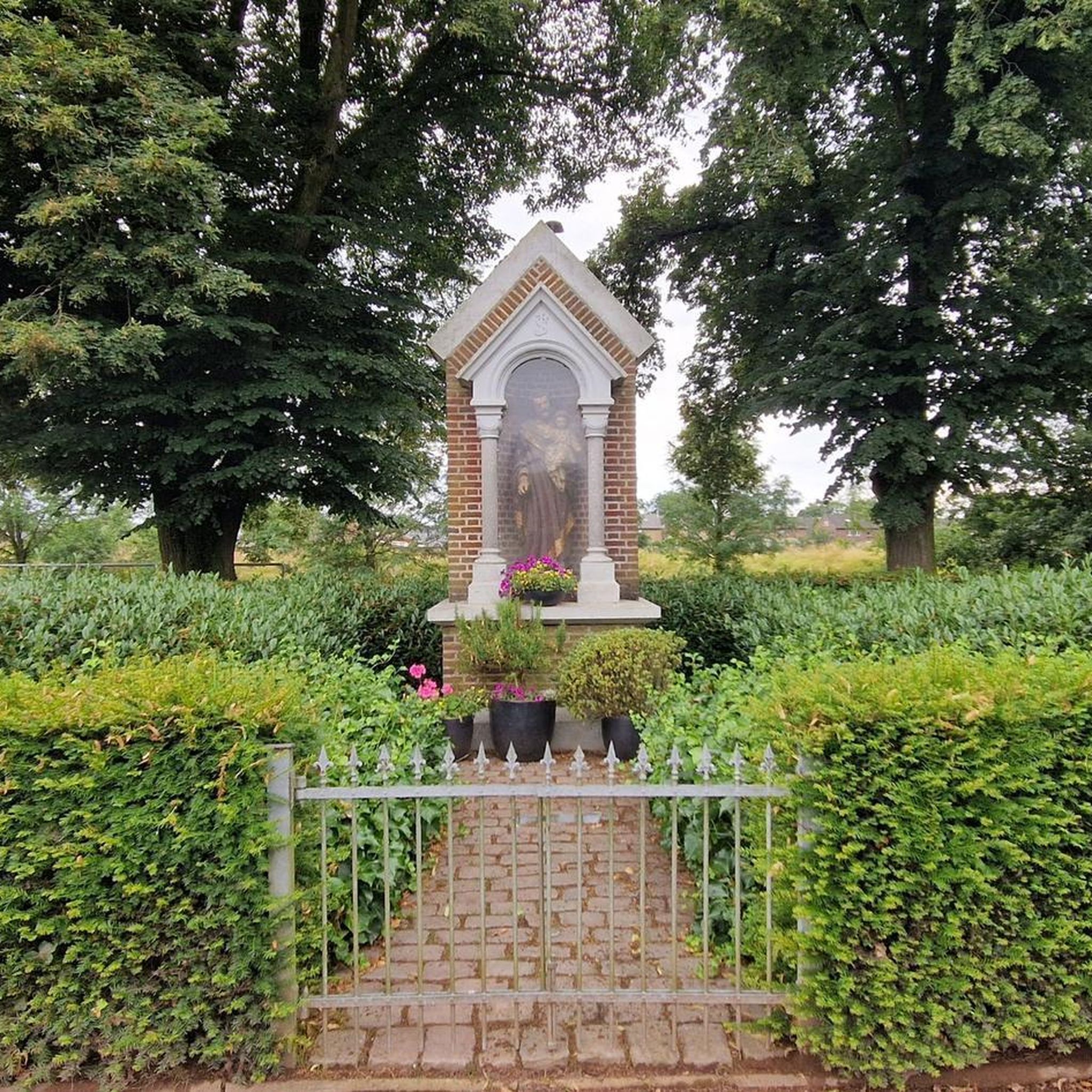
Tips from the Community

The primitive spring was adorned in 1710 with a quadrangular ashlar masonry work, open on three sides by semicircular arches, in the Baroque style, whose benefactress was possibly Mrs. Josefa Dávila Rodríguez, as attested by a supplication chiseled on its north face:
0
0
The primitive spring was adorned in 1710 with a ashlar work of quadrangular plan, open on three of its sides by semi-circular arches, in Baroque style, whose benefactor was possibly Mrs. Josefa Dávila Rodríguez, as evidenced by a supplication carved on its north face.
0
0

In the heart of Astorga, right next to the cathedral, lies one of the most unusual bishop's residences on the Iberian Peninsula: the Palacio Gaudi. It was designed and built by the famous Spanish architect of the same name (Antonio Gaudi, 1852-1926). A visit to the museum housed here is worthwhile both for the exhibits presented to visitors and, of course, for the imaginative architecture of the building.
0
0

The Bishop's Palace of Astorga is one of only three buildings that Antoni Gaudí built outside Catalonia.
3
0
In the heart of Astorga, right next to the cathedral, lies one of the most unusual bishop's residences on the Iberian Peninsula: the Palacio Gaudi. It was designed and built by the famous Spanish architect of the same name (Antonio Gaudi, 1852-1926). A visit to the museum housed here is worthwhile both for the exhibits on display and, of course, for the imaginative architecture of the building.
2
0
This is the entrance to a beautiful village, from here we can start a circular route through the area of Maragateria Leonesa.
0
0

On June 24, 1889, the prelate's name day, the first stone was laid. They had planned to complete the work on the palace in June 1894, but the bishop died in 1893, and this event radically changed the course of the work, paralyzed by the hostility between Gaudí and the Diocesan Council. Finally, Antonio Gaudí resigned from his post as chief architect, very upset by the treatment he received. In 1905, D. Julián de Diego y Alcolea ruled the diocese of Astorga and tried to convince Gaudí to return to the works of the palace, but he did not succeed. Ricardo García-Guereta, diocesan of León, was appointed architect and completed the work on October 12, 1913, as bishop D. Julián de Diego y Alcolea
4
0
Cultural visit The Cathedral of Astorga is a temple that is forever engraved in the memory of those who visit it. It offers a fantastic tour explained through an audio guide system available in different languages. A visit also designed for the little ones, since the cathedral offers a fun audio guide for children.
5
0
Frequently Asked Questions
How many no traffic road cycling routes are available around Val De San Lorenzo?
There are 16 carefully curated no traffic road cycling routes around Val De San Lorenzo. These routes are designed to offer a peaceful and enjoyable cycling experience away from heavy vehicle traffic.
Are there routes suitable for beginners or families looking for an easy ride?
Yes, while most routes are moderate, there are 2 easy no traffic road cycling routes around Val De San Lorenzo. These are ideal for beginners or families seeking a relaxed ride. The region's diverse landscapes, from valleys to plains, offer gentle sections perfect for a leisurely pace.
Are there any challenging routes for experienced road cyclists?
For experienced road cyclists, the region around Val De San Lorenzo, particularly with its proximity to areas like the Puerto de San Lorenzo in Somiedo Natural Park, offers challenging ascents with steep gradients and spectacular mountain views. While the guide focuses on no-traffic routes, many of the 14 moderate routes provide a good workout, such as the Santiago de Millas – Destriana Village Well loop which features over 470 meters of elevation gain.
Can I find circular no traffic road cycling routes in the area?
Yes, many of the no traffic road cycling routes around Val De San Lorenzo are circular, allowing you to start and end at the same point. For example, the Gaudí Palace – Astorga loop offers a scenic circular ride of over 50 kilometers, taking you through varied landscapes.
What interesting sights or landmarks can I see along these routes?
The routes often pass by significant historical and cultural landmarks. You can explore the impressive Cathedral of Saint Mary of Astorga or the unique Episcopal Palace of Astorga (Gaudí Palace). The region also features charming villages and the distinctive architecture of the Maragatería area.
Are there any scenic viewpoints on the no traffic routes?
The broader region of Castilla y León, where Val De San Lorenzo is located, is known for its diverse natural parks and mountain ranges like the Picos de Europa. While specific viewpoints on the no traffic routes are not always marked, the routes themselves offer expansive views of the Maragatería landscape, often revealing picturesque valleys and distant mountains, especially on routes with higher elevation.
Where can I park my car to access these routes?
Many of the routes start from towns or villages like Astorga or near Casa Kika, where public parking is generally available. It's advisable to check local parking regulations upon arrival, especially in smaller villages, to ensure convenient access to your chosen starting point.
Is public transport available to reach the starting points of these routes?
Val De San Lorenzo is a municipality in León, Spain. While local bus services connect some towns within the region, direct public transport specifically tailored for cyclists to reach remote starting points might be limited. Astorga, a larger nearby town, has better public transport links, including train services, which could serve as a starting hub for some routes.
What kind of gear should I consider for road cycling in Val De San Lorenzo?
Given the varied terrain, including moderate climbs, a well-maintained road bike is essential. We recommend bringing appropriate cycling attire, a helmet, water bottles, and basic repair tools. Depending on the season, layers of clothing are advisable, and for longer rides like the Destriana Village Well – Plaza Mayor of La Bañeza loop, sufficient nutrition is key.
Are there places to stop for refreshments or food along the way?
The routes often pass through or near small villages and towns where you can find local cafes, bars, or restaurants. These offer opportunities to refuel and experience the local gastronomy. Planning your stops in advance, especially on longer routes, is recommended.
What do other road cyclists enjoy most about the no traffic routes around Val De San Lorenzo?
The komoot community highly rates the road cycling experience around Val De San Lorenzo, with an average score of 5.0 stars from 13 ratings. Reviewers often praise the tranquility of the routes, the beautiful Maragatería landscapes, and the opportunity to explore the region's cultural heritage away from busy roads.
Are there any longer distance no traffic road cycling routes?
Yes, for those looking for longer rides, routes like the Destriana Village Well – Plaza Mayor of La Bañeza loop cover over 82 kilometers, offering an extended experience through the region's quiet roads and charming villages. Castilla y León, the larger region, is known for its extensive cycling network, including long-distance routes.
Most popular attractions around Val De San Lorenzo

Get inspired with the komoot mobile app


Explore more
Browse the best Road cycling routes in other regions.
