The best traffic-free bike rides around Santiago Millas
5.0
(13)
763
riders
17
rides
Road cycling around Santiago Millas offers routes through the elevated Maragatería region of León, Spain, situated at an altitude of 932 meters (3,058 feet). The terrain is characterized by rolling hills and open countryside, providing a mix of gentle and more challenging inclines. Cyclists can expect quiet, rural roads that connect traditional villages and offer scenic views across the landscape. This area provides varied cycling experiences, from leisurely rides to more demanding climbs.
Best no traffic road cycling routes around…
Last updated: July 15, 2026
14
riders
Moderate road ride. Good fitness required. Mostly well-paved surfaces and easy to ride.
14
riders
39.1km
01:36
150m
150m
Moderate road ride. Great for any fitness level. Some segments of this route may be unpaved and difficult to ride.

Sign up for free
7
riders
50.2km
02:06
300m
300m
Moderate road ride. Good fitness required. Mostly well-paved surfaces and easy to ride.
7
riders
82.6km
03:20
430m
430m
Moderate road ride. Good fitness required. Mostly well-paved surfaces and easy to ride.
5
riders
53.4km
02:18
450m
450m
Moderate road ride. Good fitness required. Some segments of this route may be unpaved and difficult to ride.
Get access to more routes and recommendations from other explorers.
Sign up for free
Already have an account?
Our route recommendations are based on thousands of hikes, rides, and runs completed by other people on komoot.
Start today with a free account
Your next adventure awaits.
Login or Signup
Popular around Santiago Millas
Tips from the Community

The primitive spring was adorned in 1710 with a quadrangular ashlar masonry work, open on three sides by semicircular arches, in the Baroque style, whose benefactress was possibly Mrs. Josefa Dávila Rodríguez, as attested by a supplication chiseled on its north face:
0
0
The primitive spring was adorned in 1710 with a ashlar work of quadrangular plan, open on three of its sides by semi-circular arches, in Baroque style, whose benefactor was possibly Mrs. Josefa Dávila Rodríguez, as evidenced by a supplication carved on its north face.
0
0

In the heart of Astorga, right next to the cathedral, lies one of the most unusual bishop's residences on the Iberian Peninsula: the Palacio Gaudi. It was designed and built by the famous Spanish architect of the same name (Antonio Gaudi, 1852-1926). A visit to the museum housed here is worthwhile both for the exhibits presented to visitors and, of course, for the imaginative architecture of the building.
0
0

The Bishop's Palace of Astorga is one of only three buildings that Antoni Gaudí built outside Catalonia.
3
0
In the heart of Astorga, right next to the cathedral, lies one of the most unusual bishop's residences on the Iberian Peninsula: the Palacio Gaudi. It was designed and built by the famous Spanish architect of the same name (Antonio Gaudi, 1852-1926). A visit to the museum housed here is worthwhile both for the exhibits on display and, of course, for the imaginative architecture of the building.
2
0
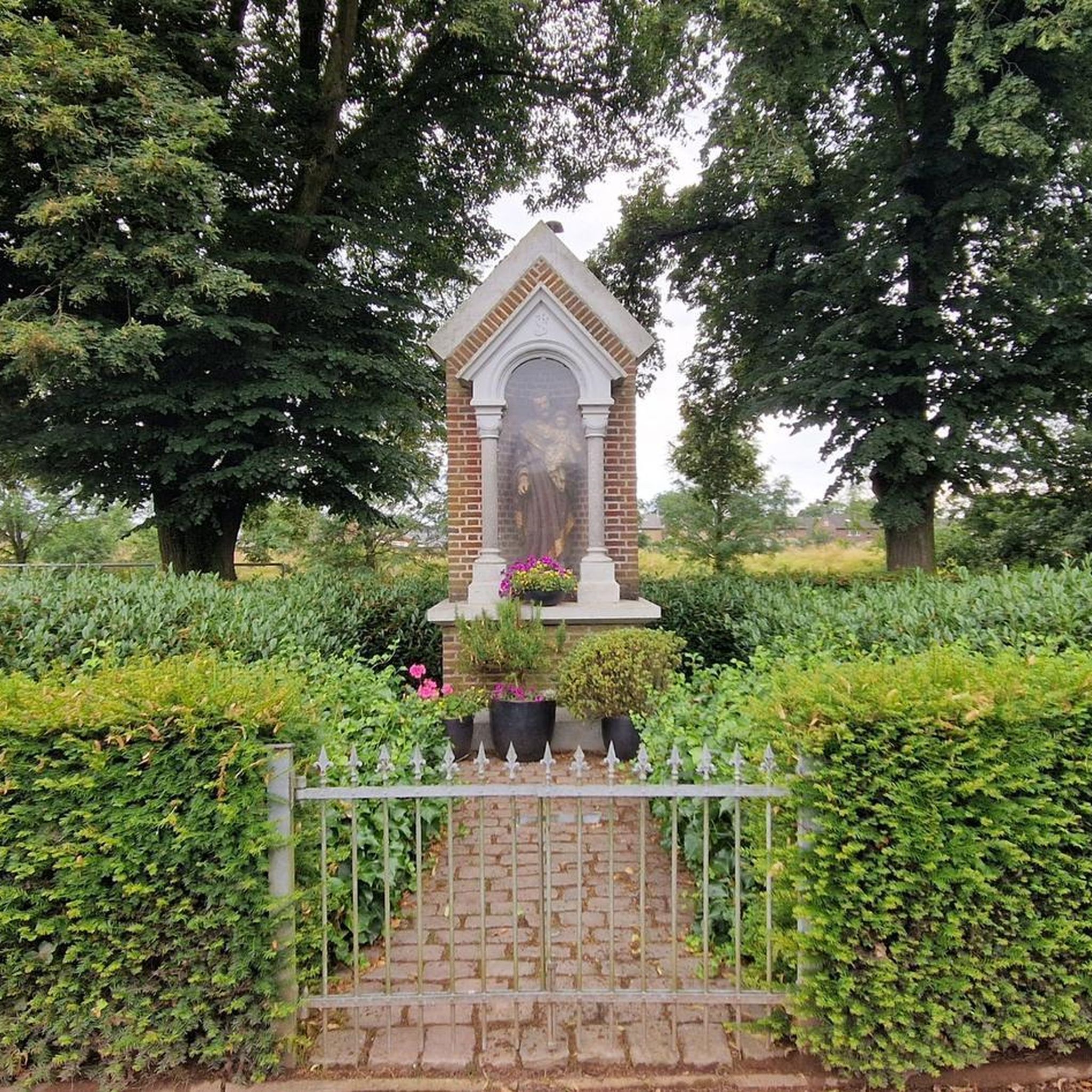
This is the entrance to a beautiful village, from here we can start a circular route through the area of Maragateria Leonesa.
0
0

On June 24, 1889, the prelate's name day, the first stone was laid. They had planned to complete the work on the palace in June 1894, but the bishop died in 1893, and this event radically changed the course of the work, paralyzed by the hostility between Gaudí and the Diocesan Council. Finally, Antonio Gaudí resigned from his post as chief architect, very upset by the treatment he received. In 1905, D. Julián de Diego y Alcolea ruled the diocese of Astorga and tried to convince Gaudí to return to the works of the palace, but he did not succeed. Ricardo García-Guereta, diocesan of León, was appointed architect and completed the work on October 12, 1913, as bishop D. Julián de Diego y Alcolea
4
0
Cultural visit The Cathedral of Astorga is a temple that is forever engraved in the memory of those who visit it. It offers a fantastic tour explained through an audio guide system available in different languages. A visit also designed for the little ones, since the cathedral offers a fun audio guide for children.
5
0
Frequently Asked Questions
How many no-traffic road cycling routes are available around Santiago Millas?
There are 16 dedicated no-traffic road cycling routes around Santiago Millas, offering a variety of experiences for cyclists. Most of these routes are rated as moderate, with a couple of easier options available.
What kind of terrain can I expect on the no-traffic road cycling routes in Santiago Millas?
Given Santiago Millas's altitude of 932 meters, you can expect routes with varied terrain, including rolling hills, ascents, and descents. The Maragatería region is known for its open countryside and traditional villages, providing scenic rides with a mix of gentle and more challenging inclines on quiet roads.
Are there any circular no-traffic road cycling routes in the Santiago Millas area?
Yes, many of the routes are circular, allowing you to start and end in the same location. For example, the Santiago de Millas – Destriana Village Well loop from Ayuntamiento de Astorga is a moderate 48 km route that brings you back to your starting point.
What landmarks or points of interest can I see along the no-traffic road cycling routes?
The routes often pass through or near historically rich areas. You can encounter significant sites like the Cathedral of Saint Mary of Astorga and the unique Episcopal Palace of Astorga (Gaudí Palace). The region's traditional 'arriera' architecture in villages also provides charming visual interest.
What is the best time of year for no-traffic road cycling in Santiago Millas?
The region generally offers pleasant cycling conditions during spring and autumn, when temperatures are milder. Summer can be warm, but the elevated position of Santiago Millas can provide some relief. Always check local weather forecasts before heading out.
Are there any longer no-traffic road cycling routes for more experienced cyclists?
Yes, for those looking for a longer ride, the Destriana Village Well – Plaza Mayor of La Bañeza loop from Casa Kika offers a moderate 82 km journey with over 430 meters of elevation gain, providing a good challenge on quiet roads.
What do other road cyclists enjoy most about cycling in Santiago Millas?
The komoot community highly rates the cycling experience here, with an average score of 5.0 stars from 13 ratings. Cyclists often praise the quiet, traffic-free roads, the beautiful rural landscapes of the Maragatería region, and the opportunity to explore traditional villages and historical sites.
Can I find routes that connect Santiago Millas with nearby towns like Astorga?
Absolutely. Santiago Millas is only 11 kilometers from Astorga, and several routes connect the two. For instance, the Gaudí Palace – Astorga loop from Astorga is a 50 km route that explores the area around Astorga, easily accessible from Santiago Millas.
Are there any easy no-traffic road cycling routes suitable for beginners?
While most routes are moderate, there are 2 easy routes available. These are ideal for beginners or those looking for a more relaxed ride without significant traffic, allowing you to enjoy the scenery at a comfortable pace.
What are some cultural attractions I can visit during a cycling trip in Santiago Millas?
Santiago Millas itself is a Historic-Artistic Site. You can visit the Museo de la Arriería (Muleteer Museum) to learn about the region's history, or explore the traditional 'arriera' architecture in the Barrio de Arriba and Barrio de Abajo. The 13th-century Parish Church of Santiago is also a notable stop.
How can I find parking for my car when starting a no-traffic road cycling route in Santiago Millas?
As a rural municipality, Santiago Millas generally offers accessible parking in or near the village centers. Look for designated parking areas or suitable street parking in the main barrios before embarking on your ride.
Are there any routes that specifically highlight the traditional villages of the Maragatería region?
Many routes naturally weave through the Maragatería region, allowing you to experience its unique character. The area is known for its traditional villages like Morales del Arcediano, Oteruelo, Piedralba, and Valdespino de Somoza, which you'll encounter on various quiet road cycling tours.
Most popular attractions around Santiago Millas

Get inspired with the komoot mobile app


Explore more
Browse the best Road cycling routes in other regions.
