Top 10 Gorges around Kazimierski Park Krajobrazowy
Canyons around Kazimierski Park Krajobrazowy are characterized by a dense network of loess gorges and ravines. These formations, carved by water erosion in soft loess soil, create distinctive landscapes. The area around Kazimierz Dolny features a high concentration of these geological features, with loess deposits reaching over 30 meters thick in some parts. This region offers unique natural environments for exploration.
Best canyons around Kazimierski Park Krajobrazowy
- The most popular canyons include Lipinki Gorge, a gorge that features a…
Last updated: July 14, 2026
Norowy Dół Gorge
Highlight (Segment) • Gorge
Translated by Google •
Tip by

Lipinki Gorge
Highlight • Gorge
Translated by Google •
Tip by

Sign up now to discover places like this
Get recommendations on the best single tracks, peaks, & plenty of other exciting outdoor places.
Sign up for free
Plebanka Gorge
Highlight • Gorge
Translated by Google •
Tip by

Małachowski Gorge
Highlight • Gorge
It owes its name to Count Juliusz Małachowski, who became famous for defending …
Translated by Google •
Tip by
Na Wiktora Gorge
Highlight (Segment) • Gorge
Translated by Google •
Tip by

Sign up for free to discover even more gorges around Kazimierski Park Krajobrazowy.
Sign up for free
Already have an account?
Start today with a free account
Your next adventure awaits.
Login or Signup
Popular around Kazimierski Park Krajobrazowy
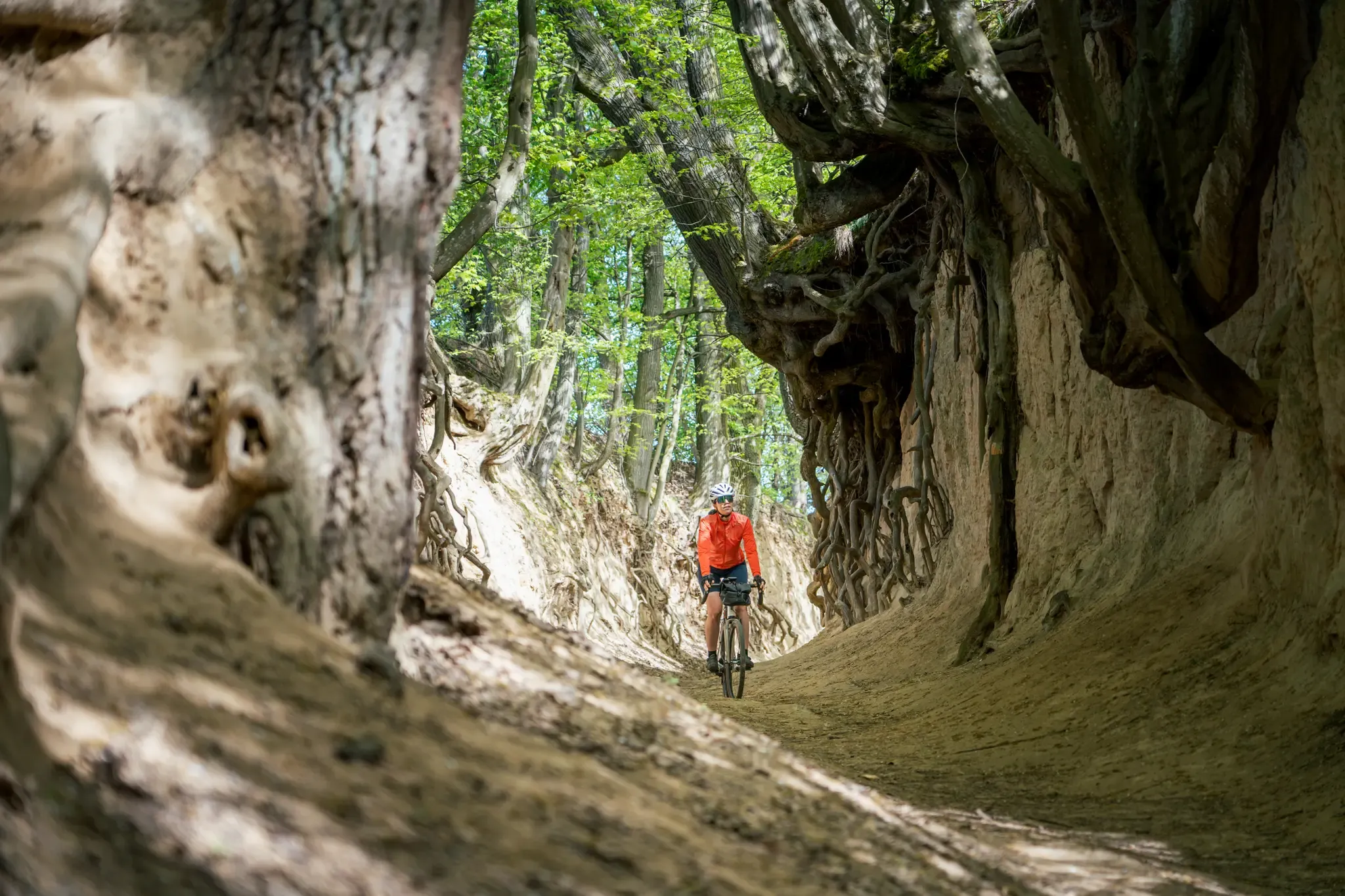
Ancient trees & historic cities – gravel biking in south-eastern Poland
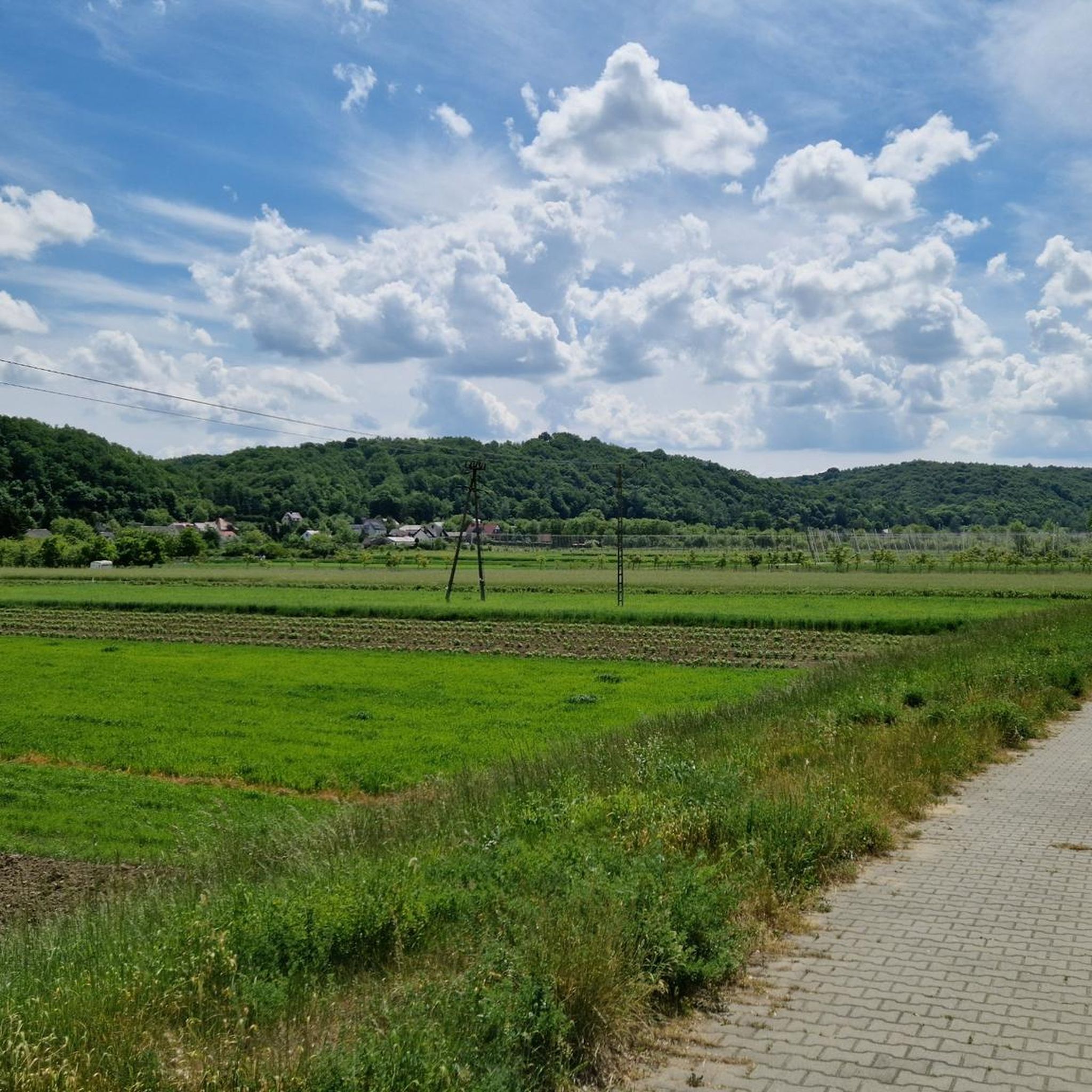
Hiking around Kazimierski Park Krajobrazowy
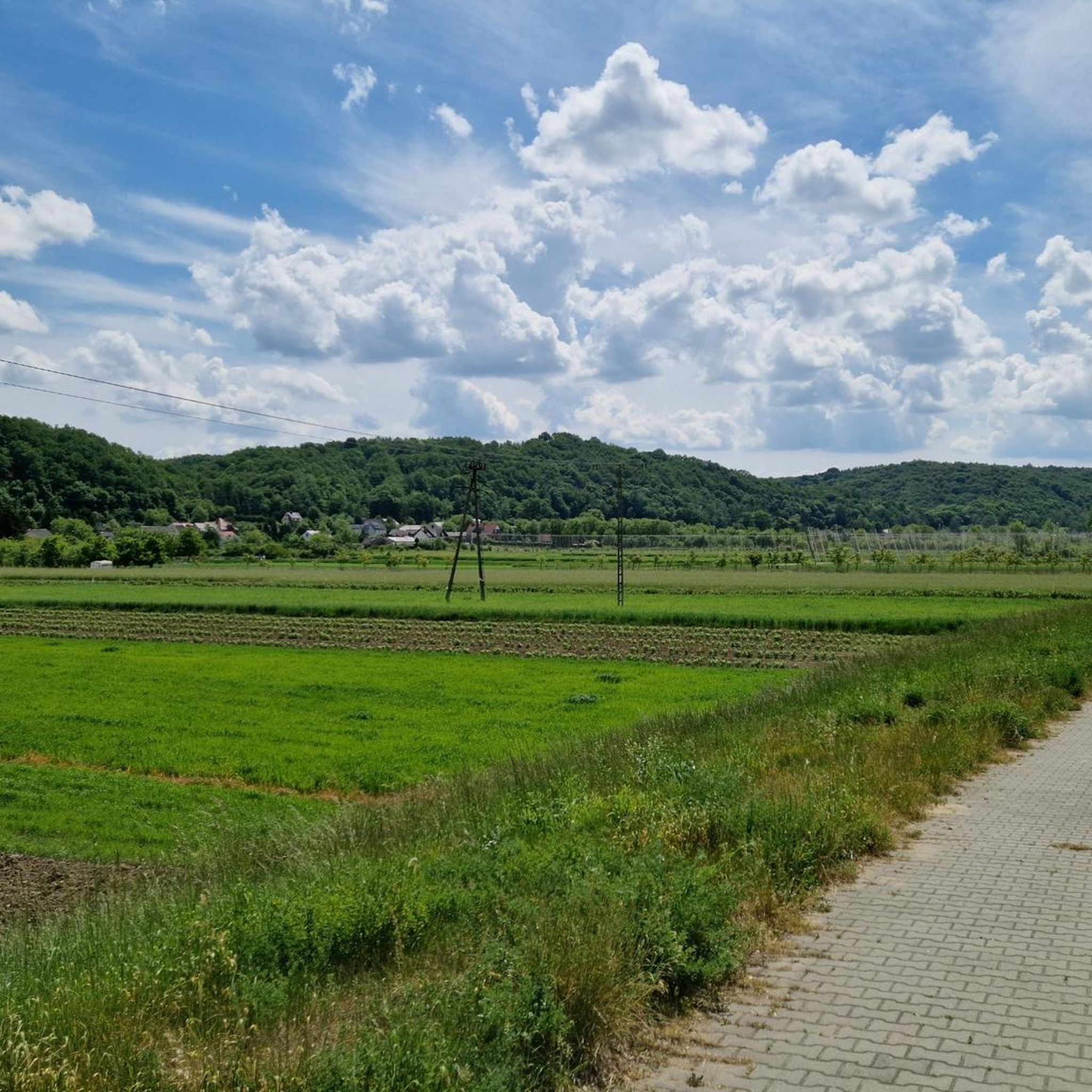
Cycling around Kazimierski Park Krajobrazowy
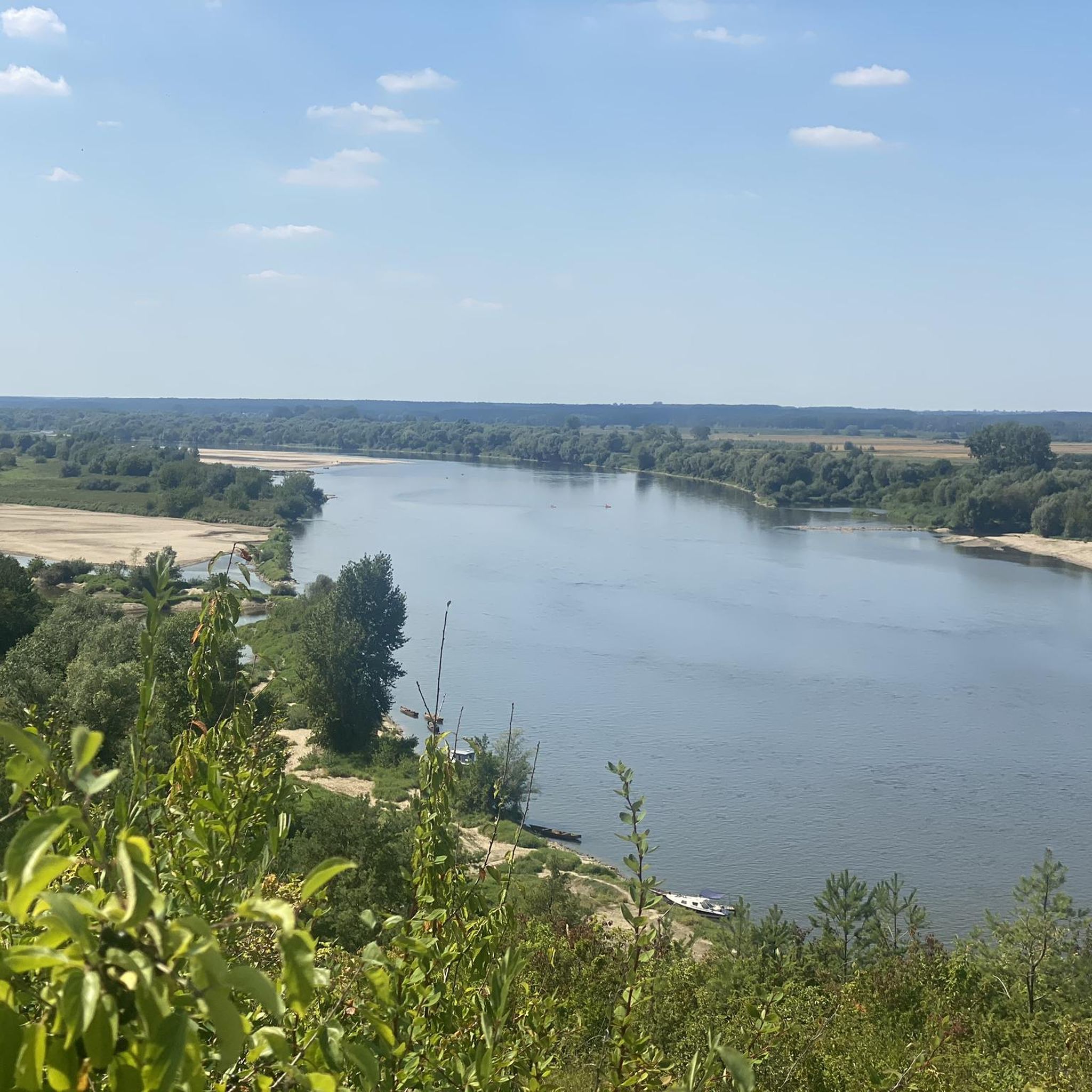
Running Trails around Kazimierski Park Krajobrazowy
Road Cycling Routes around Kazimierski Park Krajobrazowy
MTB Trails around Kazimierski Park Krajobrazowy

Gravel biking around Kazimierski Park Krajobrazowy
Other adventures around Kazimierski Park Krajobrazowy

Tips from the Community

Norowy Dół is a ravine located in Kazimierz Dolny, on the right bank of the Vistula, between Aleja Kazimierza Wielkiego and Góry Pierwszemi and Góra Zamkowa. It is part of the edge of the Vistula valley, in the area of the Małopolska Vistula Gorge. The history of the ravine is associated with the Nor family (or Nur family), which was mentioned in the Kazimierz Dolny city book as early as 1555. Their lands stretched in the area of the ravine, and in 1633 Stefan Nur purchased an oak grove. Names related to the Nory/Nury family appeared regularly in city records until the end of the 18th century, and the ravine and the street leading through it are still called Norowy Dół. In the past, at the mouth of the ravine, there was an important nodal point of port facilities on the Vistula. The ravine is also an example of natural erosion, which had a destructive effect on human activity, including destroying roads and reducing the area of arable fields. Classes related to gully erosion are often held here.
4
0

the entrance is located near the center of Wąwolnica. Nice place during hot weather
0
0

One of several dozen beautiful gorges near Kazimierz Dolny in the so-called The Land of Loess Gorges. It owes its name to Count Juliusz Małachowski, who became famous for defending Kazimierz Dolny against Russian troops in 1831. At the age of 29, he died in this gorge, which was commemorated with a plaque that can be found here.
3
0
One of the numerous loess gorges for which Kazimierz Dolny is known. The gorge has the shape of an inverted letter Y. It is easy to cross and is located quite close to the Kazimierz market square. Along the way, pay attention to the so-called an epidemic cross, placed during one of the epidemics in Kazimierz, which was supposed to inform visitors that they were entering an area affected by an epidemic.
3
0
Also known as Nurowy Dół or Dół Nurowski. It is a 700-meter-long loess gorge in Kazimierz Dolny. Beautiful, natural surroundings, narrow path can be slippery after rain.
3
0
Beautiful deep gorge, gives cool coolness during the heat.
0
0

Great descent, beautiful gorge. You have to be careful because the surface is made of concrete slabs and shakes a lot, and the speed is specific. Not really for the road. Gravel, MTB.
1
0

I really like the picturesque surroundings of Nałęczów. It's beautiful here!
1
1
Frequently Asked Questions
What makes the canyons around Kazimierski Park Krajobrazowy unique?
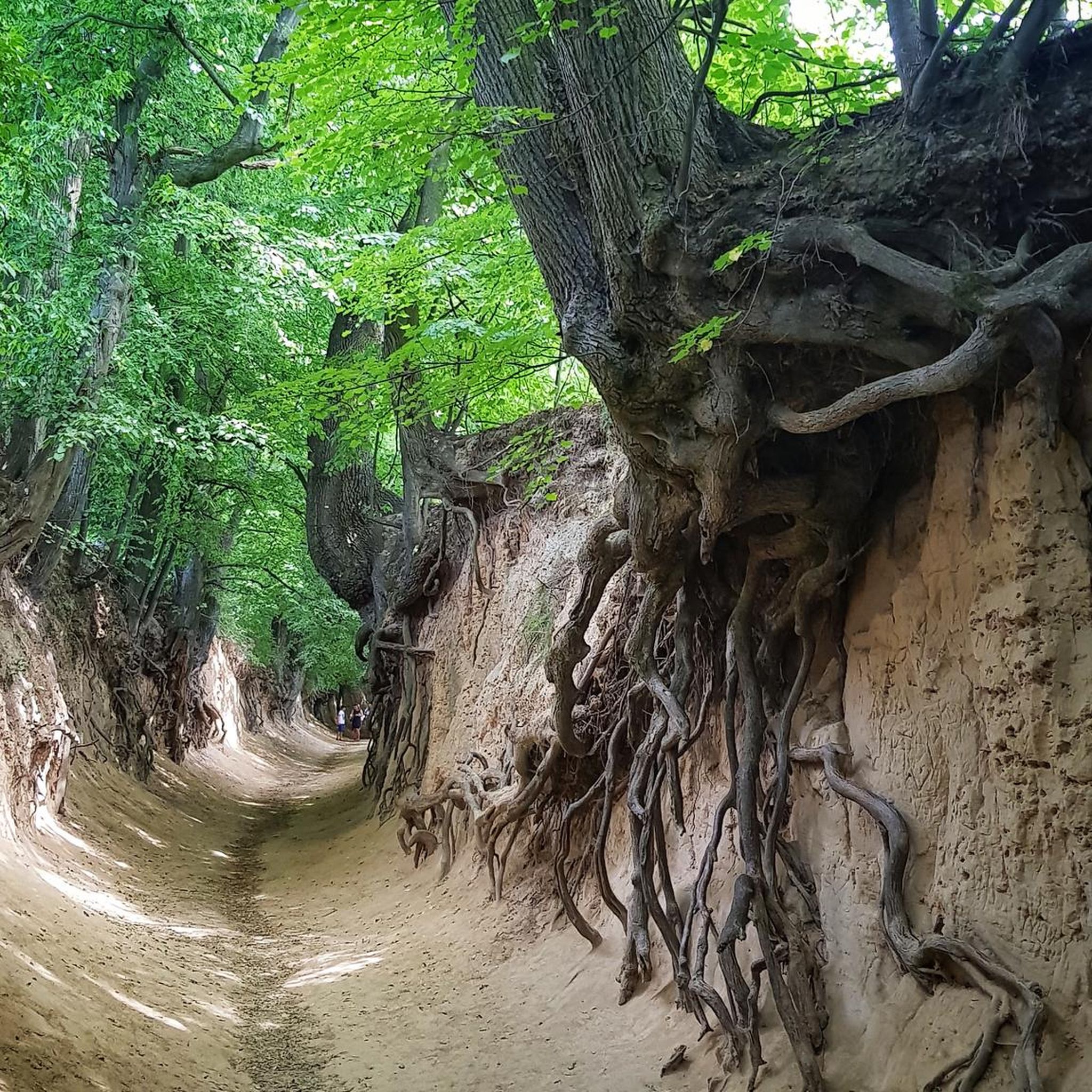
The region is renowned for its dense network of loess gorges, which are a type of canyon carved by water erosion in soft loess soil. These formations create picturesque landscapes with deep paths, towering walls, and intricate root systems. The area around Kazimierz Dolny has one of the highest concentrations of gorges per square meter in Europe.
Which are some of the most notable gorges to visit?
Among the most notable are Korzeniowy Dół Ravine, famous for its extraordinary, twisted tree roots, and Lipinki Gorge, which features a road running through its deep bottom. Plebanka Gorge is also easily accessible from Kazimierz Dolny.
Are there family-friendly canyon trails in the park?
Yes, several gorges are suitable for families. Korzeniowy Dół Ravine and Lipinki Gorge are both categorized as family-friendly. A walk through Korzeniowy Dół is generally not demanding, taking about 15-30 minutes.
What kind of natural features can I expect to see in these gorges?
You will encounter deep ravines with vertical loess walls, often several meters high. A distinctive feature is the exposed, twisted roots of old trees, especially prominent in Korzeniowy Dół Ravine, which create a unique, 'Tolkien-esque' landscape. Many gorges are also surrounded by forests.
What is the best time to visit the gorges?
The gorges are beautiful year-round. For Korzeniowy Dół Ravine, it's recommended to visit in the morning or late evening to avoid crowds, enjoy cooler temperatures, and experience soft light for photography. Paths can be sandy and become muddy after rain, so consider drier periods.
What should I wear when hiking in the gorges?
It's advisable to wear comfortable shoes with good grip, as paths can be sandy and may become slippery or muddy after rain. The deep gorges can also be cooler than the surrounding areas, so layers might be beneficial.
Are there any less-known or 'hidden gem' gorges worth exploring?
While not as popular as Korzeniowy Dół, Głęboki Jar Gorge is a beautiful option that resembles a green tunnel. It offers a quieter experience and is located within the Kazimierz Landscape Park.
What outdoor activities can I do near the canyons?
Besides exploring the gorges, you can enjoy various outdoor activities. There are numerous hiking trails, including loops that combine gorges like Korzeniowy Dół and Norowy Dół. You can also find MTB trails and road cycling routes in the wider Kazimierski Park Krajobrazowy area.
How long do typical walks through the gorges take?
The duration varies by gorge. For example, a walk through Korzeniowy Dół Ravine, which is about 400 to 700 meters long, typically takes 15-30 minutes. Many visitors combine several gorges into longer hiking loops.
What are the geological origins of these gorges?
These gorges are a testament to the region's unique geological history. They are formed in thick loess deposits, which can reach over 30 meters in some areas. Water erosion has carved these soft soils over time, creating the deep, distinctive ravines seen today.
Is <a href="https://www.komoot.com/highlight/2101055" target="_blank" rel="noopener">Na Wiktora Gorge</a> suitable for cycling?
Na Wiktora Gorge is known for a notable descent with a surface of concrete slabs. While some cyclists use it, careful navigation is required, and it's generally considered more suitable for gravel or MTB bikes rather than road cycling due to the surface and specific speed it entails.
Most popular routes around Kazimierski Park Krajobrazowy
Most popular attractions around Kazimierski Park Krajobrazowy

Get inspired with the komoot mobile app


Explore more
Already discovered everything in this region? See additional gorges around Kazimierski Park Krajobrazowy for your next adventure:
