Attractions and Places To See around Łuk Mużakowa - Top 20
Best attractions and places to see around Łuk Mużakowa, a UNESCO Global Geopark, showcase a unique landscape shaped by Ice Age glaciers and historical lignite mining. This cross-border region, spanning Poland and Germany, features a remarkable horseshoe-shaped moraine visible from space. Visitors can explore diverse natural features, geological wonders, and meticulously designed historical parks. The area offers a blend of natural beauty and industrial heritage, making it a distinct destination for exploration.
Best attractions and places to see around Łuk…
Last updated: July 6, 2026
Border on the Neisse at the Bad Muskau weir island
Highlight • Historical Site
Translated by Google •
Tip by

Prince Pückler Park, Bad Muskau
Highlight • Natural Monument
Translated by Google •
Tip by

Sign up now to discover places like this
Get recommendations on the best single tracks, peaks, & plenty of other exciting outdoor places.
Sign up for free
Herrenberg Viaduct
Highlight • Bridge
Worth seeing views from many points.
More information: de.wikipedia.org/wiki/F%C3%BCrst-P%C3%BCckler-Park_Bad_Muskau and muskauer-park.de
Translated by Google •
Tip by

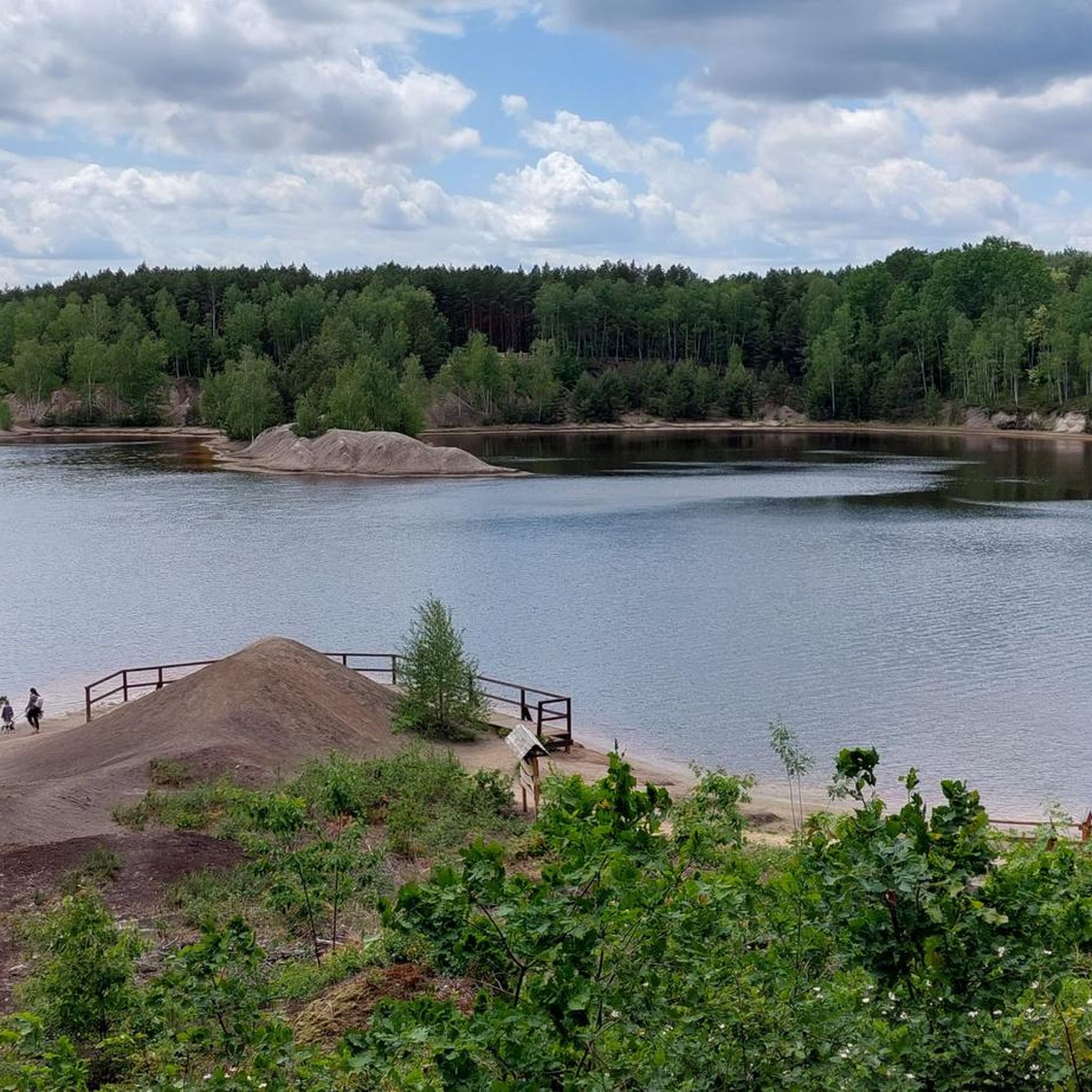
Afryka Lake Observation Tower (Babina Mine), Łuk Mużakowa Landscape Park
Highlight • Viewpoint
Translated by Google •
Tip by

Neisse Bend
Highlight • River
Translated by Google •
Tip by

Sign up for free to discover even more attractions around Łuk Mużakowa.
Sign up for free
Already have an account?
Start today with a free account
Your next adventure awaits.
Login or Signup

Other adventures around Łuk Mużakowa

Tips from the Community


Worth seeing is definitely the area
0
0

It's just incredibly beautiful here 😊.
0
0

One of the most beautiful places in this area.
0
0

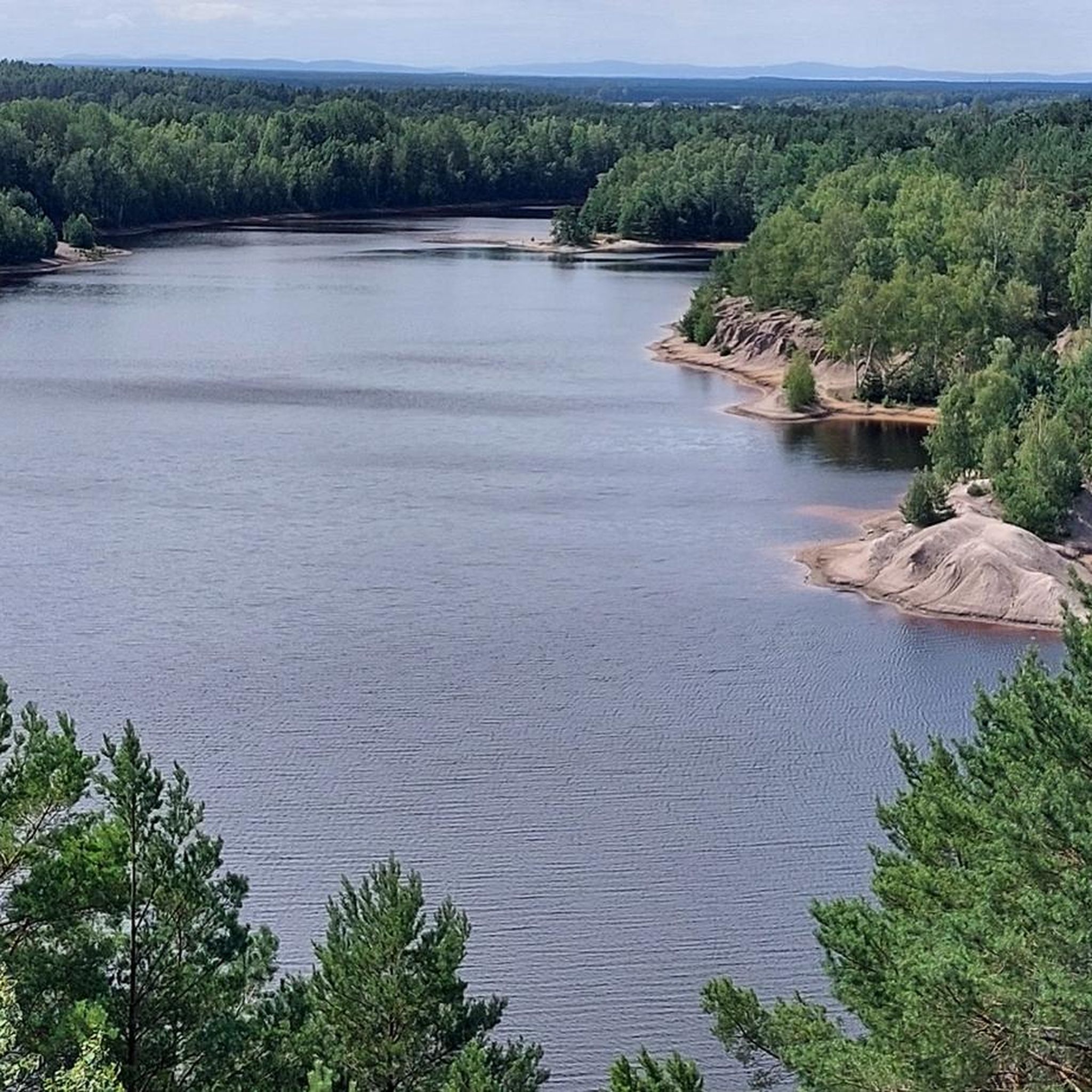
Observation tower on Lake Africa with a completely stunning view of not only the lake but also the entire area - green and blue (especially in summer) - a total blast!
1
0

The Fürst-Pückler-Park in Bad Muskau offers an impressive combination of nature and history. Covering an extensive area of 830 hectares, the park invites you to take walks and bike rides as you roam through the picturesque grounds, which lie on both the German and Polish sides. The park impresses with its wide green spaces, well-kept paths and impressive botanical diversity. A special feature of the park is its design in the English landscape style, which ensures a natural, almost untouched environment. The centerpiece of the complex is the imposing New Palace, which seems to be from another time and is perfectly embedded in the surrounding landscape. Several bridges allow you to switch between Germany and Poland, which adds a special charm to the visit. Cycling is allowed here, and consideration between pedestrians and cyclists is appreciated, so that all visitors can enjoy the park in a relaxed manner.
0
0
The German-Polish border on the Neisse runs quietly and calmly through the green landscape. On one side of the river stands the red and white striped border post, on the other the black, red and gold one. Both markers are silent witnesses to the border line that runs right through the spacious Muskau Park. The Neisse flows gently between the two countries, and as you walk along the river you feel little of the political significance of this border region. Nature is in charge here - forests, meadows and the calming flow of the water dominate the picture. The border crossing is seamlessly integrated into the landscape, and you often don't notice that you are crossing a border here. For hikers and cyclists, this is a place of peace and quiet where you can enjoy the beauty of the surroundings while the history and significance of this border region remains in the background.
0
0
Frequently Asked Questions
What unique natural features can I explore in Łuk Mużakowa?
The Łuk Mużakowa region is a UNESCO Global Geopark, showcasing a remarkable horseshoe-shaped moraine. Key natural features include the "colorful lakes" found along the Geotourist Path "Dawna Kopalnia Babina", which vary in hue due to past brown coal mining. You can also visit Jezioro Afryka (Africa Lake), named for its continent-like shape, and observe unique erosion forms and brown coal profiles.
Are there any historical or cultural landmarks worth visiting in the area?
Absolutely. The most prominent is Muskau Park (Park Mużakowski), a UNESCO World Heritage site straddling the Polish-German border, known for its English-style landscape design. Another notable site is the Rakotzbrücke (Devil's Bridge) in Kromlau Azalea and Rhododendron Park, famous for its unique circular reflection. The Mużakowska Forest Railway also offers a nostalgic journey through the landscape.
What kind of outdoor activities are available in the Łuk Mużakowa region?
The region is excellent for outdoor activities, especially cycling and hiking. There are hundreds of kilometers of marked trails connecting sites on both the Polish and German sides. For hiking, you can find various routes, including easy and moderate options. For example, explore routes like "View of Lake Afryka – Muskau Arch Geopark loop" or "Fürst Pückler Castle – Fuchsia Bridge loop." You can find more details on available routes in the hiking guide for Łuk Mużakowa.
Are there family-friendly attractions around Łuk Mużakowa?
Yes, many attractions are suitable for families. The Afryka Lake Observation Tower offers engaging views for all ages. Muskau Park is ideal for leisurely walks or cycling with children, and the Mużakowska Forest Railway provides a fun experience. The geotourist path through the former Babina Mine, with its colorful lakes, is also an interesting and educational outing for families.
What is the best way to explore the extensive area of Łuk Mużakowa?
Given the extensive network of trails and the spread-out nature of attractions, renting a bicycle is highly recommended as one of the best ways to explore Łuk Mużakowa. This allows you to easily traverse the cycling routes that connect many of the key sites, including Muskau Park and the geotourist trail.
Where can I find information about the UNESCO Global Geopark Łuk Mużakowa?
The Cultural and Educational Center of the Geopark in Łęknica serves as an information point for the UNESCO Global Geopark Łuk Mużakowa. It's conveniently located near cycling paths, linking Muskau Park with the "Dawna Kopalnia Babina" geotourist trail, making it a great starting point for your visit.
What makes the lakes in the former Babina Mine area so colorful?
The lakes in the former Babina Mine area, such as those along the Geotourist Path "Dawna Kopalnia Babina," get their vibrant colors (red, blue, turquoise, olive) from the geological processes and past lignite mining. These hues depend on factors like the time of day, sunlight, and water levels, as well as the mineral content from the exposed brown coal and iron-rich springs.
Can I see the impact of past mining operations in the region?
Yes, the region vividly displays the impact of past mining. The Geotourist Path "Dawna Kopalnia Babina" leads through a landscape transformed by brown coal mining, featuring colorful lakes formed in former open-cast pits. You can also visit sites like the Settlement caused by underground mining operations, where a sunken forest illustrates how ground subsidence from lignite mining created unique water bodies with submerged trees.
What do visitors enjoy most about the attractions around Łuk Mużakowa?
Visitors particularly enjoy the panoramic views from the Afryka Lake Observation Tower, which offers a 360° perspective of the unique landscape. The blend of natural beauty, geological wonders, and the historical significance of sites like Muskau Park are also highly appreciated. The well-designed mining trails with bilingual signage and picnic options are frequently praised by explorers.
Are there any easy walking trails suitable for beginners or short strolls?
Yes, there are several easy walking trails. For instance, the "Rest Area on the Neisse – Neisse Weir at Zelz loop" is an easy option. You can also find short, accessible routes within Muskau Park. For more easy hiking suggestions, refer to the easy hikes guide for Łuk Mużakowa.
Is the Muskau Park accessible for cycling or walking across the border?
Muskau Park is designed for both cycling and walking, with picturesque pathways on both the Polish and German sides. It straddles the Nysa Łużycka river, connecting the two countries, and rental options for bicycles are available on both sides, making it easy to explore the entire UNESCO World Heritage site.
What is the significance of the Neisse River in the region?
The Neisse River (Nysa Łużycka) plays a significant role as it forms the border between Poland and Germany, and Muskau Park is designed to straddle it. Sites like the Border on the Neisse at the Bad Muskau weir island and the Neiße Bridge at Zelz highlight its importance as a natural and cultural connector, with the bridge linking cycling and hiking trails between the two countries.
Most popular routes around Łuk Mużakowa
Most popular attractions around Łuk Mużakowa

Get inspired with the komoot mobile app


Explore more
Still not found the Highlight you’re looking for? See guides of the top attractions in other regions:
