The best traffic-free bike rides around Wachtebeke
4.8
(29)
570
riders
47
rides
Gravel biking around Wachtebeke features diverse landscapes, including polders, extensive forests, and waterways. The region is characterized by a blend of natural areas and recreational spaces, offering varied terrain for gravel cyclists. Key natural features like the Moervaart and Zuidlede rivers provide quiet paths, while areas such as Heidebos offer varied biotopes from forests to heathland. The terrain generally presents gentle elevation changes, making it suitable for a range of gravel biking experiences.
Best no traffic gravel bike trails around…
Last updated: June 30, 2026
4.4
(10)
116
riders
58.1km
03:17
80m
80m
Hard gravel ride. Good fitness required. You may need to push your bike for some segments of this route.
5.0
(4)
33
riders
64.1km
03:46
80m
80m
Moderate gravel ride. Good fitness required. Mostly paved surfaces. Suitable for all skill levels.

Sign up for free
4.8
(4)
21
riders
28.9km
01:47
30m
30m
Easy gravel ride. Great for any fitness level. Mostly paved surfaces. Suitable for all skill levels.
5.0
(3)
22
riders
47.1km
02:37
50m
50m
Hard gravel ride. Good fitness required. You may need to push your bike for some segments of this route.
4.0
(1)
13
riders
Moderate gravel ride. Good fitness required. Mostly paved surfaces. Suitable for all skill levels.
Get access to more routes and recommendations from other explorers.
Sign up for free
Already have an account?
Our route recommendations are based on thousands of hikes, rides, and runs completed by other people on komoot.
Start today with a free account
Your next adventure awaits.
Login or Signup
Popular around Wachtebeke

Tips from the Community

The wooden arch bridge over the Stekense Vaart, named after Frans Coppens, was receiver-clerk in the municipality of Sinaai for almost a quarter of a century. He played an important role in "de Groote Watering van Sinay", the name given to the project launched by the Boerenbond in 1926. This project was initiated after repeated floods and aimed to make the polders 'dry'. The construction of the pumping station near Hondsnest was one of the first achievements within this project. During the Second World War, the unemployed were employed to clean or widen ditches. Under the impetus of dike reeve Jozef "meester" Maes and... receiver-clerk Frans Coppens (!), major reclamation works were carried out in the 60s, continuing into the following decades. Thus, Hondsnest got a new pumping station in 1975. In the meantime, the watering area had been converted into a polder, pursuant to the polder law of June 3, 1957. source: info file "Polder Daknam-Sinaai"
2
0

The Dambrug bridge dates from the interwar period and was restored and partially renewed around 1945 after war damage. Originally, the bridge was manually operated, but it now has hydraulic operation. Source: Inventaris Onroerend Erfgoed
3
0
Bovendurme? The naming of the different waters in the vicinity is sometimes quite confusing and requires an explanation: The Bovendurme is the part of the Durme located in the Ghent canals basin. The river begins at the confluence between the Zuidlede and the Moervaart near Daknam. It then flows further along Daknam and through the center of Lokeren, and flows into the Benedendurme near the Molsbroek. Previously, the Bovendurme and Benedendurme were one river called the Durme. But due to regular floods, a dam was built at the Molsbroek, which split the river into two parts. Because of this, the Benedendurme is often still called the "Durme", but the Bovendurme is mistakenly referred to as the Moervaart. Wikipedia
4
0
Daknambrug in Daknam, a sub-municipality of Lokeren. This charming swing bridge over the Durme is located at the site of a former ferry crossing on the old Lille-Tilburg highway. Such a ferry served as a bridge to transport people, livestock, horses, and vehicles. The current swing bridge has replaced a small wooden bridge since the 1930s. At that time, the Durme was straightened here between the confluence of the Zuidlede and Moervaart at Spletterenbrug and the bend near Middendam. In the summer, you can see the bridge keeper opening the bridge to let pleasure boats pass, sailing to or from Lokeren.
5
0
Opened on October 1, 2012, the Brug Ter Beuken provides a safe and green connection to the city center. It has since become a fixed landmark in the landscape: the beautiful red cycle and footbridge that spans the Durme at the end of Vijgenstraat. The bridge is 21m long. Source: axiradio.be
4
0

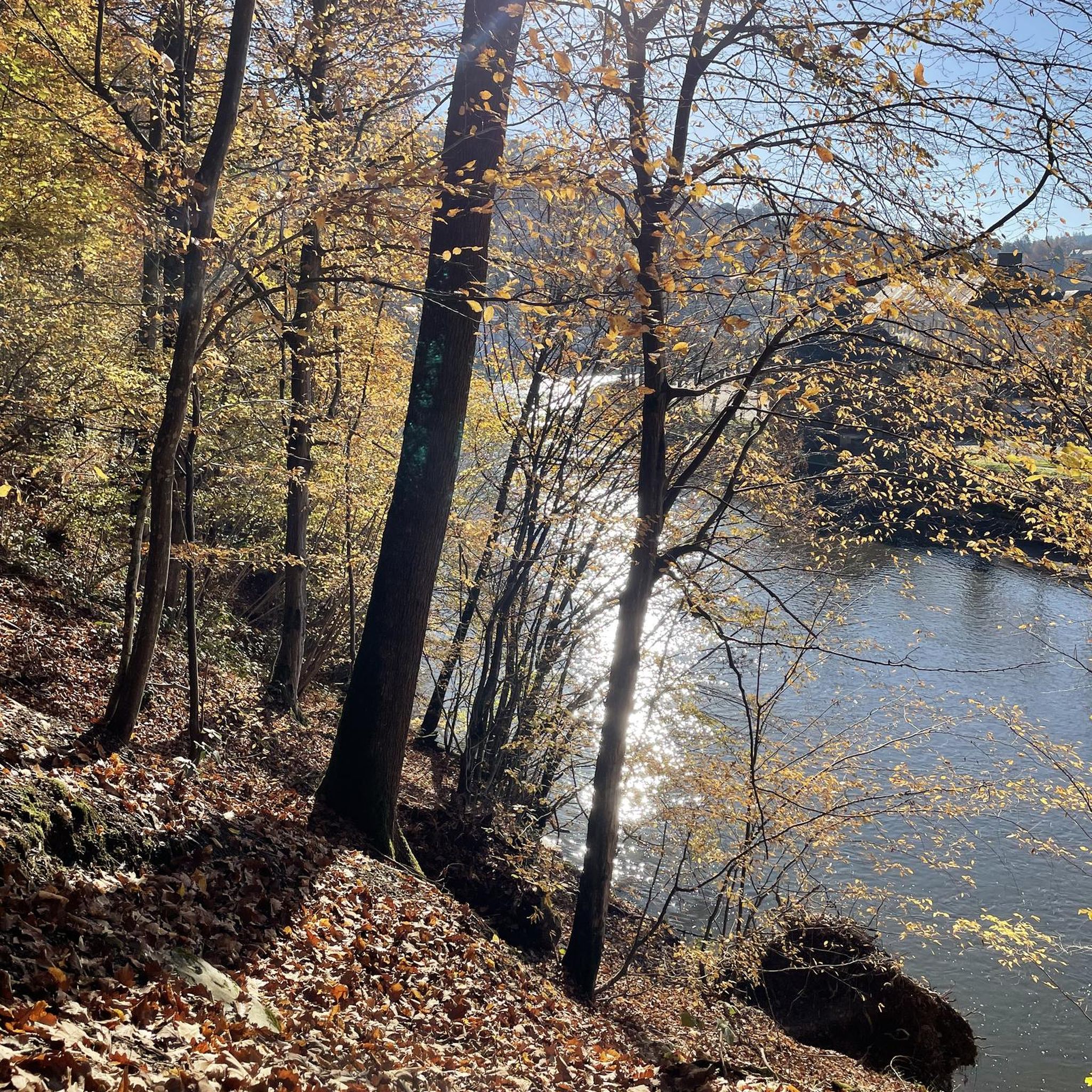
Very beautiful, calm, greenery.
0
0

Frequently Asked Questions
How many no-traffic gravel bike trails are available in Wachtebeke?
Wachtebeke offers a wide selection of car-free gravel biking experiences, with over 35 routes specifically designed for quiet exploration. These routes vary in difficulty, ensuring there's something for every skill level.
What is the best time of year to enjoy quiet gravel biking in Wachtebeke?
The region is beautiful year-round, but spring and autumn offer particularly pleasant conditions for quiet gravel biking. The mild weather and vibrant natural colors enhance the experience, especially along waterways like the Moervaart and through areas like Heidebos. Even in winter, many trails remain accessible, offering a serene, crisp ride.
What is the typical terrain like on Wachtebeke's no-traffic gravel trails?
The terrain in Wachtebeke is generally flat, characteristic of the Waasland region, with minimal elevation changes. You'll encounter a mix of well-maintained gravel paths, unpaved farm tracks, and quiet paved sections, particularly along the Moervaart and Zuidlede. This varied surface makes it ideal for gravel bikes, offering a smooth yet engaging ride through diverse landscapes.
Are there any easy no-traffic gravel trails suitable for beginners or families?
Yes, Wachtebeke has several easy routes perfect for beginners or family outings. These trails often stick to the flatter sections and well-maintained paths within natural domains. For a gentle ride, consider routes around Puyenbroeck Provincial Park, which offers extensive car-free paths and recreational facilities. The 'Chapel of the Cross – Ter Beuken Bicycle Bridge loop from Lokeren' is an easy option, covering just under 29 km with minimal elevation gain.
What natural attractions can I see along the no-traffic gravel bike trails?
Wachtebeke's quiet gravel trails often lead through stunning natural areas. You can explore the vast Provinciaal Domein Puyenbroeck with its lakes and forests, or cycle alongside the serene Moervaart and Zuidlede waterways. The Heidebos nature area offers diverse biotopes, including heathland and ancient forests, where you might spot Galloway cattle grazing. The De Buylaers Nature Reserve and Groote Gat are also beautiful spots to discover.
Are there any specific landmarks or points of interest on these routes?
Beyond natural beauty, you'll find interesting points along the trails. The 'Niemandsland Observation Tower – Trompkapel loop from Koewacht' route, for instance, includes the Niemandsland Observation Tower, offering panoramic views. Within Puyenbroeck, you can visit the living heritage park with old farm animal breeds or climb an observation tower. The region also features historical bridges and chapels, adding cultural interest to your ride.
What do other gravel bikers enjoy the most about gravel biking in Wachtebeke?
The komoot community highly rates the gravel biking experience in Wachtebeke, with an average score of 4.77 stars. Reviewers frequently praise the tranquility of the car-free paths, the diverse natural landscapes, and the well-maintained surfaces that make for an enjoyable ride. The blend of forests, polders, and waterways is often highlighted as a key attraction.
Is parking available near the no-traffic gravel trails in Wachtebeke?
Yes, ample parking is generally available, especially at key access points to larger recreational areas like Provinciaal Domein Puyenbroeck. Many smaller trailheads or village centers also offer parking options, making it convenient to start your car-free gravel adventure.
Can I access these trails using public transport?
Wachtebeke is reasonably accessible by public transport, primarily buses connecting to larger towns like Ghent. While direct access to every trailhead might require a short ride, many routes are designed to be accessible from village centers or train stations in nearby municipalities, allowing you to combine your ride with public transport.
Can I bring my dog on the no-traffic gravel trails?
Many natural areas and public paths in Wachtebeke are dog-friendly, provided dogs are kept on a leash, especially in nature reserves to protect wildlife. Always check local signage, particularly within specific domains like Puyenbroeck or Heidebos, for any specific rules regarding dogs.
Where can I find cafes or pubs near the no-traffic gravel trails?
You'll find various cafes and pubs in the charming villages surrounding Wachtebeke, such as Wachtebeke itself, Moerbeke, and Zelzate. Provinciaal Domein Puyenbroeck also has facilities where you can grab a drink or a snack. Many routes pass through or near these centers, offering convenient spots for a break and refreshment during your ride.
What kind of wildlife might I encounter on quiet gravel trails?
Given the diverse natural landscapes, you might encounter a variety of wildlife. In areas like Heidebos, you could spot Galloway cattle. Birdwatchers will appreciate the rich biodiversity around the lakes and waterways, with various waterfowl and songbirds. Keep an eye out for smaller mammals like squirrels and rabbits, especially in the quieter forest sections.
Are there any circular no-traffic gravel routes in Wachtebeke?
Yes, many of the no-traffic gravel routes in Wachtebeke are designed as circular loops, allowing you to start and end at the same point without retracing your steps. Examples include the 'Prullenbos Pond – Prullenbos Trail loop from Beervelde' or the 'Gravel Path Through the Fields – Durmakker Gravel Path loop from Kluizen', offering complete scenic journeys.
Most popular attractions around Wachtebeke

Get inspired with the komoot mobile app


Explore more
Browse the best Gravel rides in other regions.
