Attractions and Places To See around Nacionalni park Una - Top 20
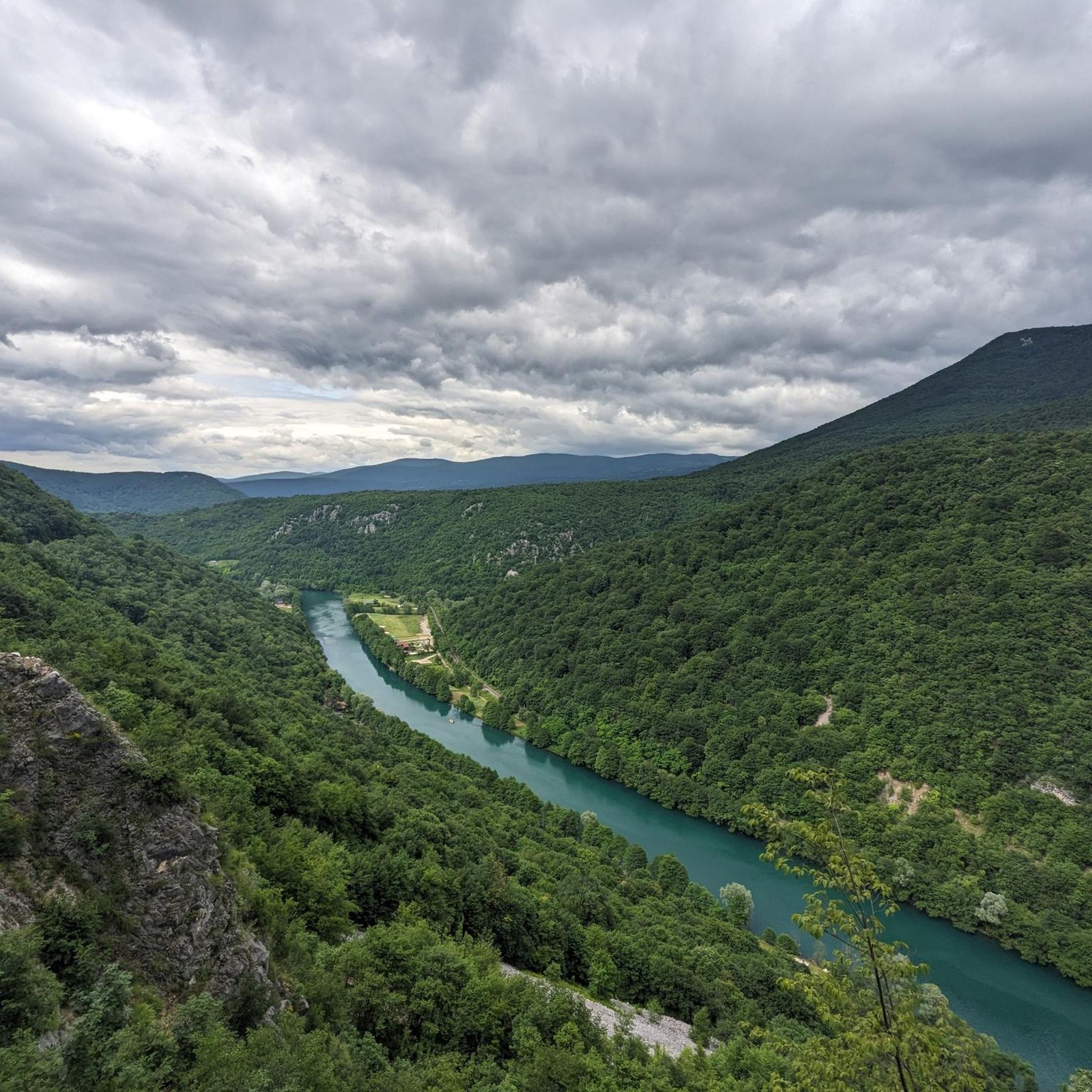
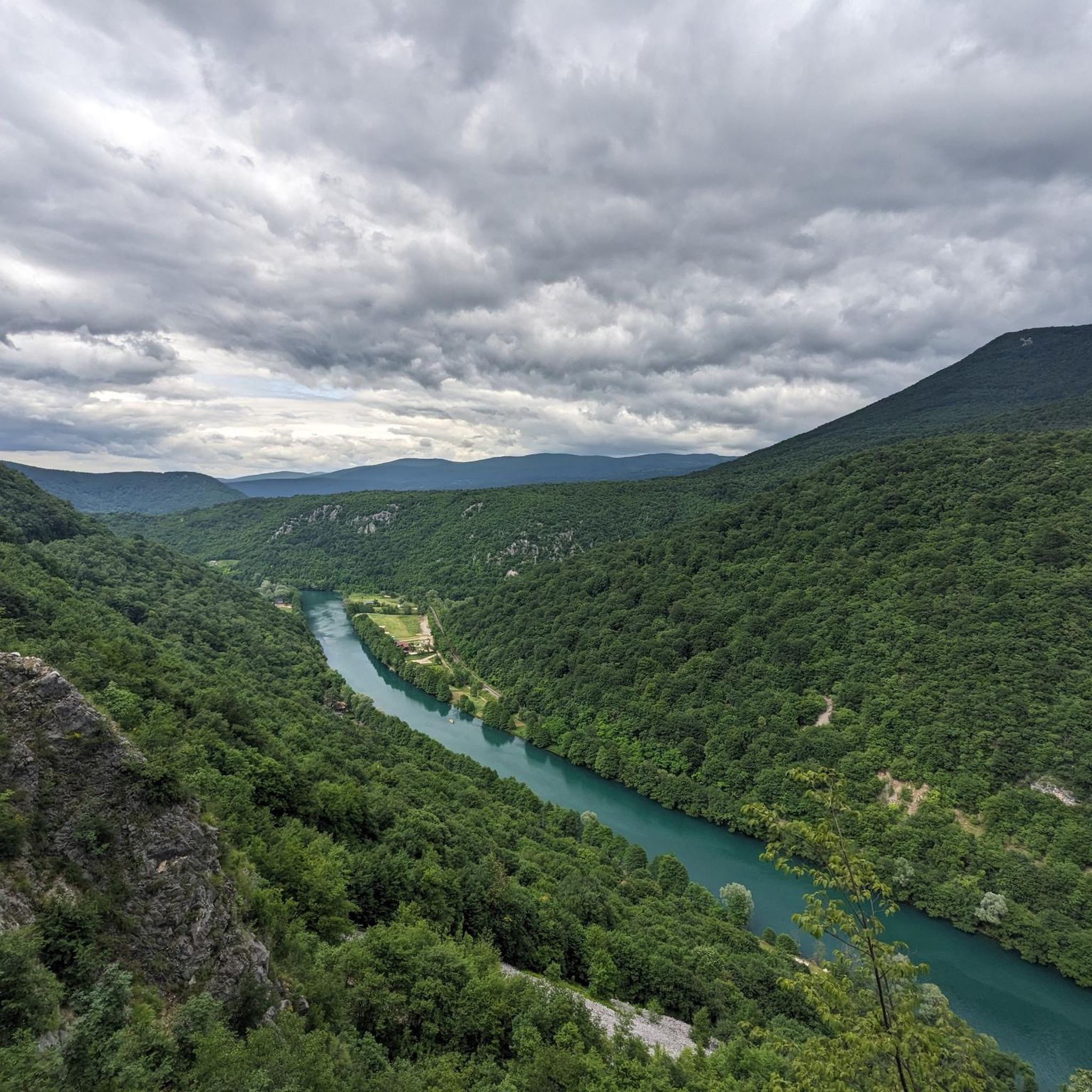
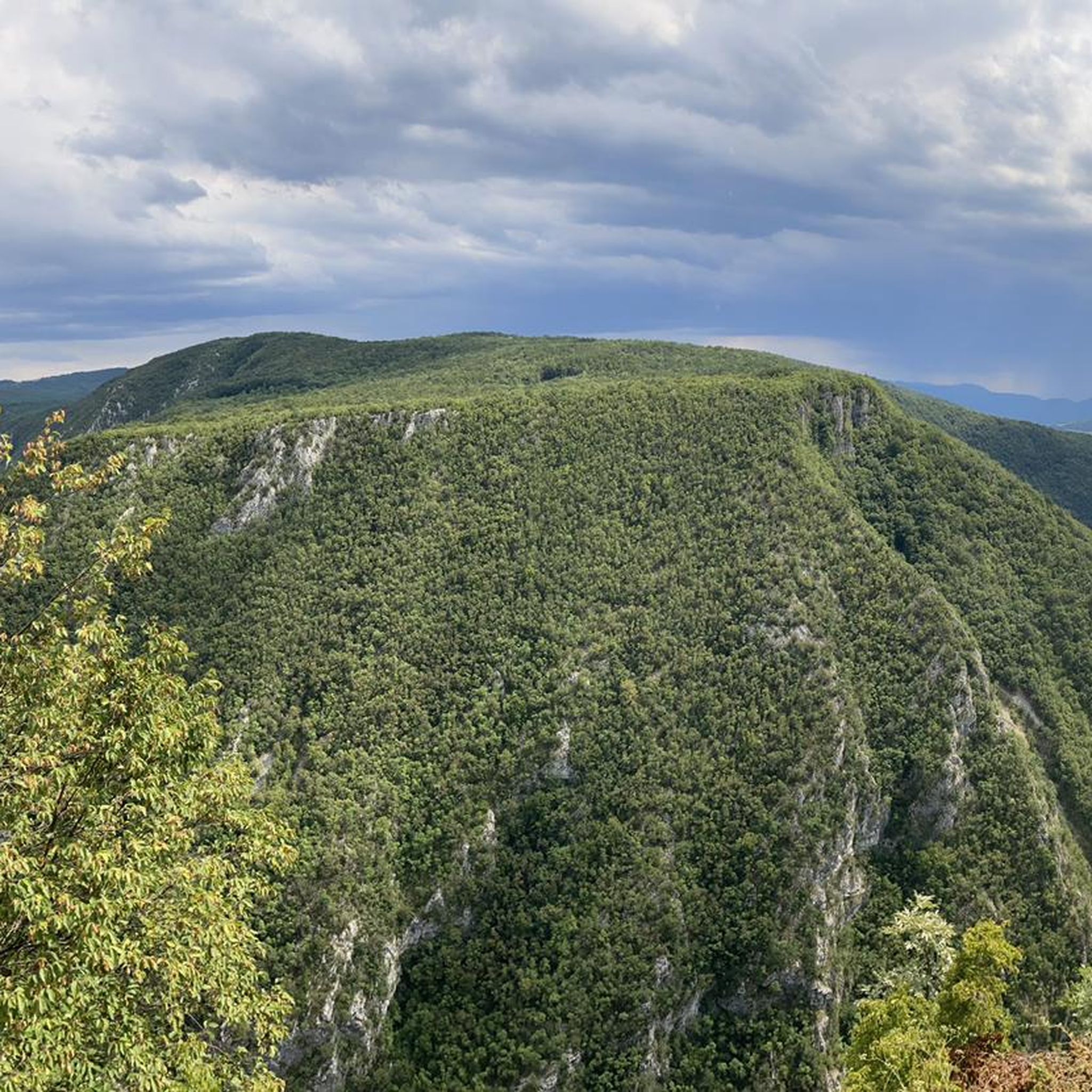
Best attractions and places to see around Nacionalni park Una include a diverse range of natural and historical sites within northwestern Bosnia and Herzegovina. The park is characterized by the Una River's pristine ecosystems, emerald waters, and impressive waterfalls. Visitors can explore dense forests, medieval fortresses, and traditional watermills, offering insights into both the natural landscape and local heritage. This region provides opportunities for experiencing significant natural monuments and cultural points of interest.
Best attractions and places to see around Nacionalni park Una
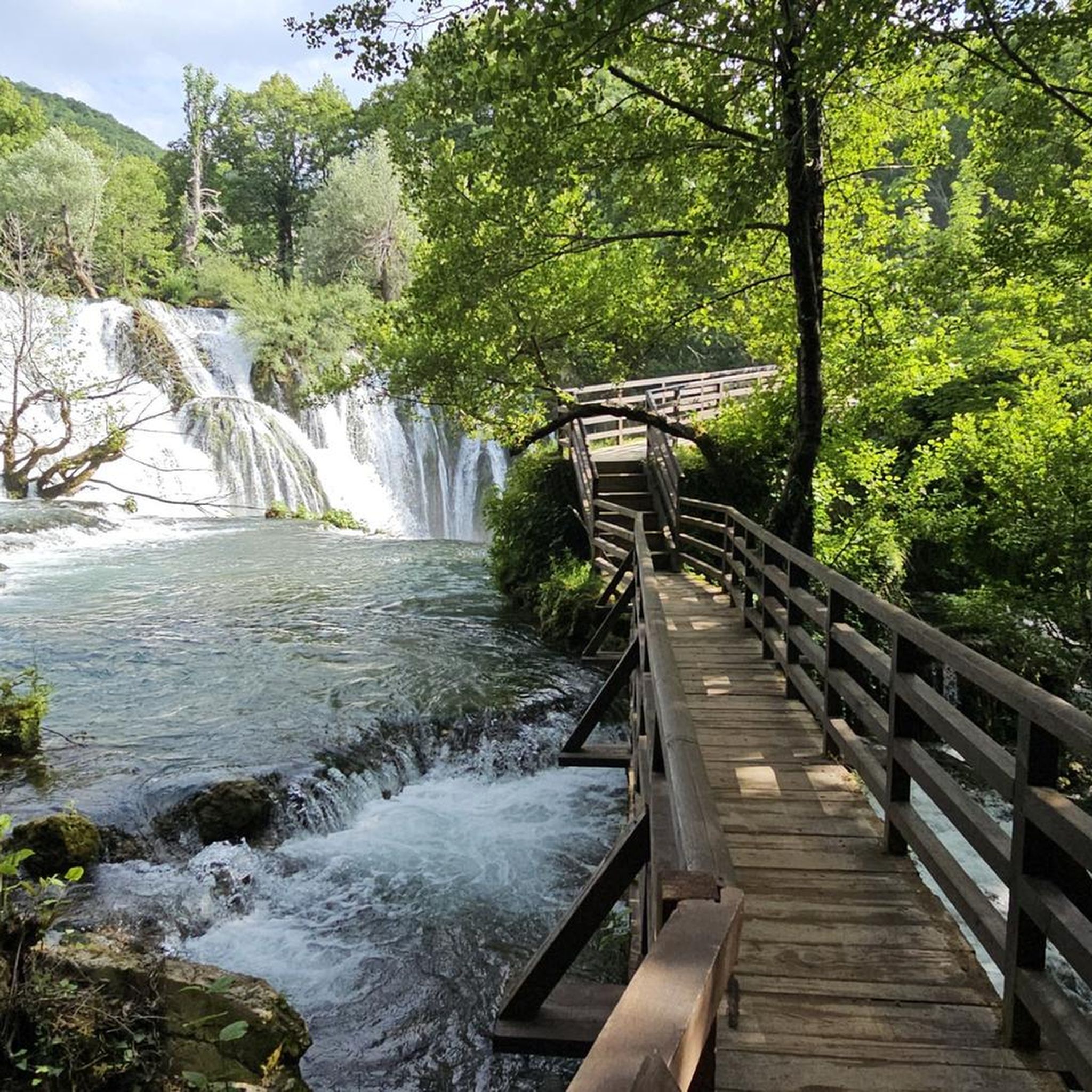
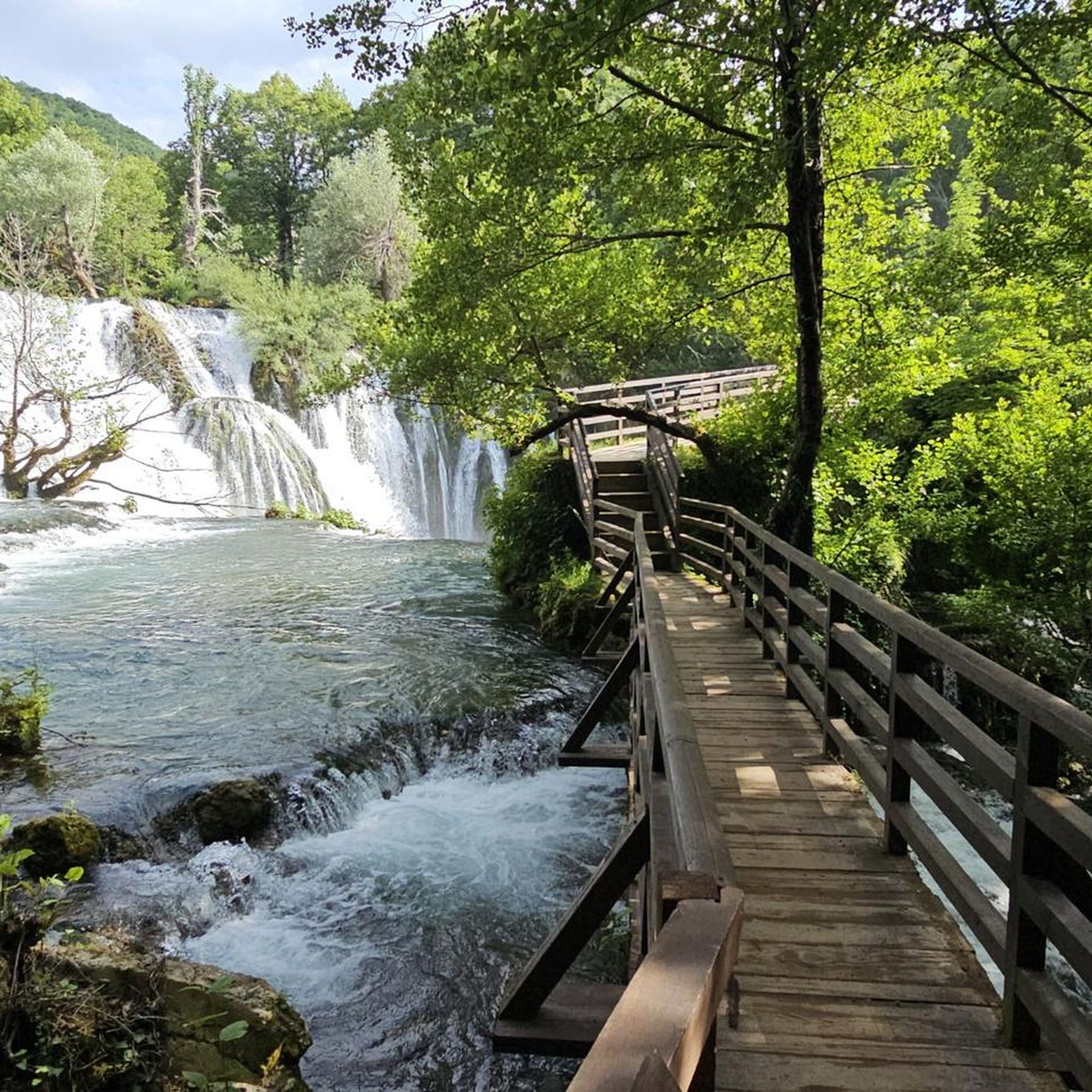
- The most popular attractions is Štrbački Buk Waterfall, a waterfall where the Una River cascades 24.5 meters over limestone cliffs. This site is considered the highest and most spectacular waterfall in Una National Park.
- Another must-see spot is Milančev Buk Waterfall, Martin Brod, a waterfall complex located in the village of Martin Brod. These are a series of impressive waterfalls within the park.
- Visitors also love Rmanj Monastery, a Serbian Orthodox monastery dedicated to Saint Nicholas. Situated in Martin Brod, it dates back to the late 15th century and has undergone rebuilding and renovation.
- Nacionalni park Una is known for its waterfalls, historical sites, and natural monuments. The region offers a variety of attractions to see and explore, from river features to cultural heritage.
- The attractions around Nacionalni park Una are appreciated by the komoot community, with over 85 upvotes and 305 photos shared.
Last updated: July 7, 2026
Štrbački Buk Waterfall
Highlight • Waterfall
He is very tall, but you can ride him perfectly on a mountain bike.
We ourselves have opted for the entrance 1 and are driven from there for about 14 km to the waterfall ... the track itself is a gravel road ... approx. 230 m altitude ... but felt for 700 m on the other side back down to the Una.
For the onward journey either back or a longer tour z.Bsp. until you reach entrance 3 south. We ourselves are up to the entrance 2 over the mountains high ... up to the top is only sliding vorran..daf waiting for a nice S 2 Trail on eroded gravel and stone tracks on you (our route as a screenshot in the pictures).
Tip and Comparison:
While you (only on foot) look at the Plitvice Lakes in Croatia ... it costs p.P. 50, - Euro entrance and again depending on how long you stay for the 15, - Euro parking fee ... and felt a million people .. Phew. In the Una National Park on the other hand ... p.P. 3,50 Euro entrance and parking for free !!
At the waterfall no one says what if you want to go swimming there (just go through the boardwalk at the very bottom, there is a good way to safely get into the water) ... there is everything else you need .. toilet, Drinking and eating ... definitely try the Bosnian coffee ... 🤩
Well ... got curious? then on the next vacation maybe go there and explore the magnificent landscape itself. 🤗
Translated by Google •
Tip by

Milančev Buk Waterfall, Martin Brod
Highlight • Waterfall
Translated by Google •
Tip by

Sign up now to discover places like this
Get recommendations on the best single tracks, peaks, & plenty of other exciting outdoor places.
Sign up for free
Kulen Vakuf
Highlight • Settlement
However, in the city you will be quite disappointed, nothing that reminds you of its history has been preserved. Photos are attached to one facade showing how beautiful the city was.
Translated by Google •
Tip by

Una National Park
Highlight (Segment) • Natural Monument
Translated by Google •
Tip by
Rmanj Monastery
Highlight • Religious Site
Translated by Google •
Tip by

Sign up for free to discover even more attractions around Nacionalni park Una.
Sign up for free
Already have an account?
Start today with a free account
Your next adventure awaits.
Login or Signup
Tips from the Community

Beautiful. If you have time, also do a longer hike.
0
0

Kulen Vakuf has one of the most fascinating and eventful histories in all of northwestern Bosnia. Its origin is closely linked to the securing of the Ottoman Empire's borders and the rise of one of Bosnia's most powerful noble dynasties. Here is the historical development summarized chronologically: 1. The beginnings: Life under the protection of the Giant Castle (Middle Ages) Before the town existed in the valley, life took place high up in the mountains. In the Middle Ages, the region was part of the Hungarian-Croatian Kingdom. The all-dominating Ostrovica castle controlled the Una river valley [🌱, 🏰]. People lived primarily under the protection of this fortress walls back then. In 1523, the Ottomans conquered the castle and expanded it into one of their most important border fortresses. 2. The 18th century: The birth of the town on the water The actual history of Kulen Vakuf in the valley began in 1703, after the Peace of Karlowitz [🌱]. The Ottoman Empire lost territories in present-day Croatia, and the Una became the hard-fought outer border with the Habsburg Empire. The fortress in the valley: Sultan Ahmed III ordered the construction of a new defensive settlement directly on a strategic Una bridge [🌱, 🏰]. The artificial island: To offer protection from attackers, an artificial river island was created. The Una's water flowed completely around the newly built city walls – Kulen Vakuf was practically a water fortress with two large gates [🌱, 🏰]. The original name: At this time, the town was still called Palanka Mahmut-paše Kulenovića (the fortress of Mahmut-Paša Kulenović). He was the first military commander (Kapetan) of the region.
0
0
Gate 1 is the start, a friendly man greets you and you have to pay 16 BM, which also includes the visit to the waterfalls. A pretty good trail leads you first 4 km uphill before it goes down for about 10 km, down to the waterfalls. Here the gravel path ends.
0
0

The Rmanj Monastery is a Serbian Orthodox monastery dedicated to Saint Nicholas, located in Martin Brod in northwestern Bosnia and Herzegovina, on the left bank of the Unac River near its confluence with the Una River.
5
0
Beautiful, wild blue-eyed beauty Una 🤩🤩🤩
4
0

Truly impressive waterfalls, the photos don't even come close to capturing them.
4
1
Rmanj Monastery (Serbian: Манастир Рмањ, romanized: Manastir Rmanj) is a Serbian Orthodox monastery dedicated to Saint Nicholas, located in Martin Brod in northwestern Bosnia and Herzegovina, on the left bank of the Unac River near its confluence with the Una. The original monastery dates back to the late 15th century, after which it experienced several disasters and had to be rebuilt.
3
0

A fairly rough gravel section with a short uphill, followed by a long, steep descent. We had fun on our touring bikes.
0
0
Frequently Asked Questions
What are the most impressive waterfalls to visit in Nacionalni park Una?
The most spectacular waterfall is Štrbački Buk Waterfall, where the Una River cascades 24.5 meters over limestone cliffs. It's considered the crown jewel of the park. Another must-see is Milančev Buk Waterfall, Martin Brod, a complex of impressive waterfalls located in the village of Martin Brod.
Are there family-friendly activities available in Nacionalni park Una?
Yes, Nacionalni park Una offers several family-friendly options. Both Štrbački Buk Waterfall and Milančev Buk Waterfall, Martin Brod are suitable for families. You can also enjoy a relaxing Boat Ride from Martha's Place on the Una River, which offers a unique perspective of the river's beauty.
What historical and cultural sites can I explore in the park?
The park is rich in history. You can visit Rmanj Monastery, a Serbian Orthodox monastery in Martin Brod dating back to the late 15th century. Additionally, the ruins of Ostrovica Fortress, a 13th-century medieval fortress perched above the Una River near Kulen Vakuf, offer panoramic views and a glimpse into Bosnia's past. Traditional watermills, particularly in Martin Brod, also showcase local heritage.
What outdoor activities, like hiking and cycling, can I do near these attractions?
Nacionalni park Una is excellent for outdoor activities. For hiking, you can find routes like the 'Small Waterfall at Martin Brod – Unac Waterfalls, Martin Brod loop' or trails leading to viewpoints of Ostrovica Castle. Cycling options include routes around Martin Brod and along the Una River. You can explore various routes for hiking, cycling, and road cycling in the area.
Is it possible to swim in the Una River or near the waterfalls?
Yes, swimming is possible in the pools below Štrbački Buk Waterfall, especially during summer, though the water remains cool. The Una River's crystal-clear waters are generally inviting for a refreshing dip.
What is the best time of year to visit Nacionalni park Una?
The best time to visit Nacionalni park Una is typically during the warmer months, from late spring to early autumn (May to September), when the weather is pleasant for outdoor activities like hiking, rafting, and exploring the waterfalls. During this period, the park is lush and vibrant.
What do visitors enjoy most about Nacionalni park Una?
Visitors frequently praise the breathtaking natural beauty, especially the magnificent waterfalls and the emerald-green Una River. Many appreciate the untouched feel of the dense forests and the opportunity to feel alone in nature. The comparison to Plitvice Lakes, noting Una's lower cost and fewer crowds, is also a common positive remark.
Are there any tips for visiting Štrbački Buk Waterfall?
When visiting Štrbački Buk Waterfall, be aware that access is via a partly unpaved, narrow road on the Bosnian side. There's a restaurant and stalls near the parking lot for food and drinks. Many visitors recommend trying Bosnian coffee. You can walk along built footbridges for great views, and swimming in the pools below is possible.
How long should I plan to spend exploring Nacionalni park Una?
To fully experience the main attractions like Štrbački Buk and Milančev Buk waterfalls, explore some hiking trails, and perhaps enjoy a boat ride or visit a historical site, it's recommended to spend at least two to three days in Nacionalni park Una. This allows for a relaxed pace and deeper immersion in the park's natural and cultural offerings.
What is the accessibility like for visitors with limited mobility or wheelchairs?
While some areas of Nacionalni park Una, particularly around the main waterfall viewpoints, may have boardwalks or paved sections, much of the park's terrain involves unpaved roads, gravel paths, and natural trails. Specific information on wheelchair accessibility for all areas is limited, so it's advisable to inquire locally or check specific highlight details for the most accessible points.
Can I find places to eat near the attractions?
Yes, near popular attractions like Štrbački Buk Waterfall, you'll find restaurants and stalls offering food and drinks. The village of Martin Brod also has options, and the nearby city of Bihać provides a wider range of dining choices.
Most popular routes around Nacionalni park Una
Most popular attractions around Nacionalni park Una

Get inspired with the komoot mobile app


Explore more
Still not found the Highlight you’re looking for? See guides of the top attractions in other regions:
