The best traffic-free bike rides around Baceno
4.8
(18)
557
riders
7
rides
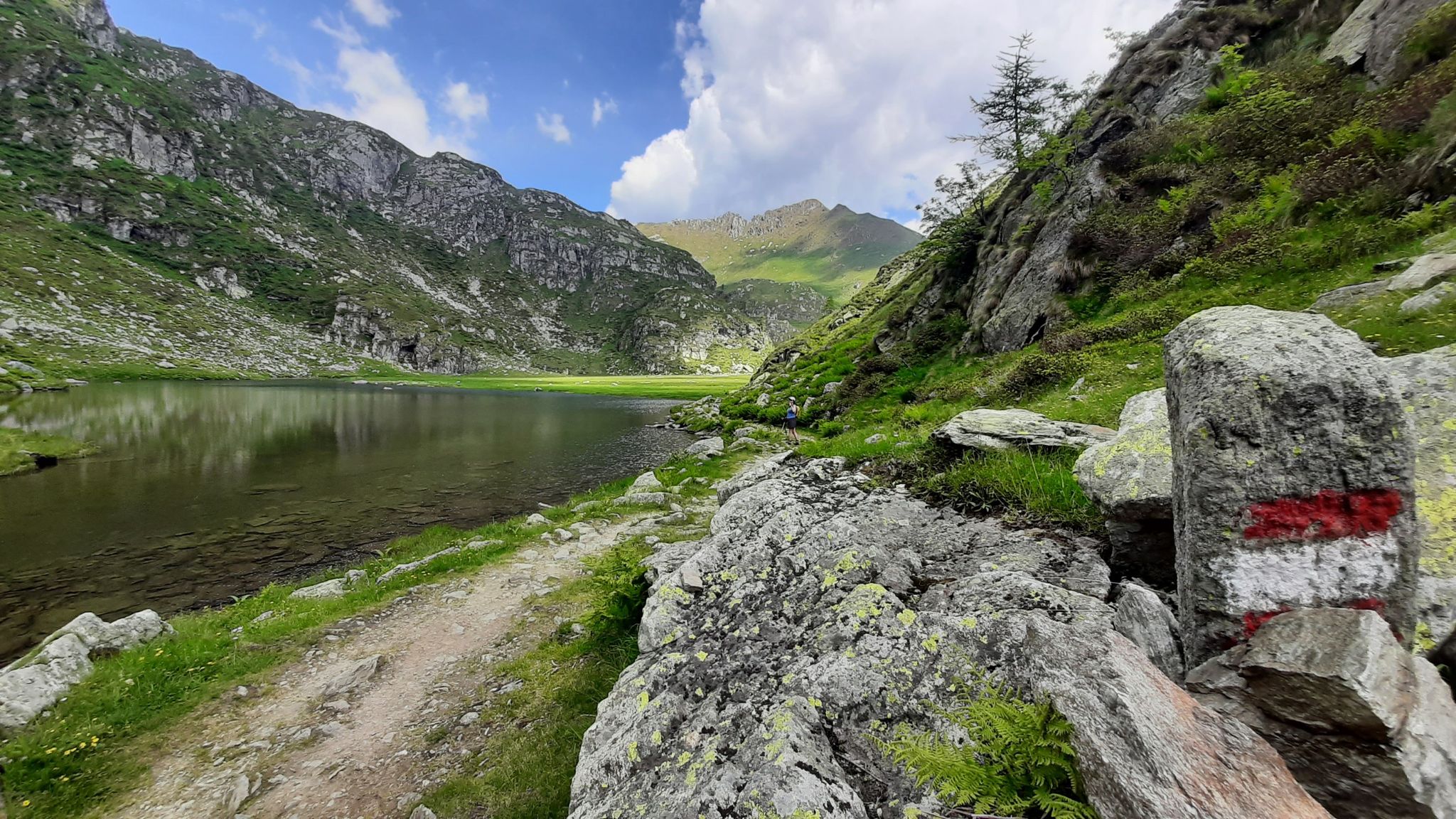
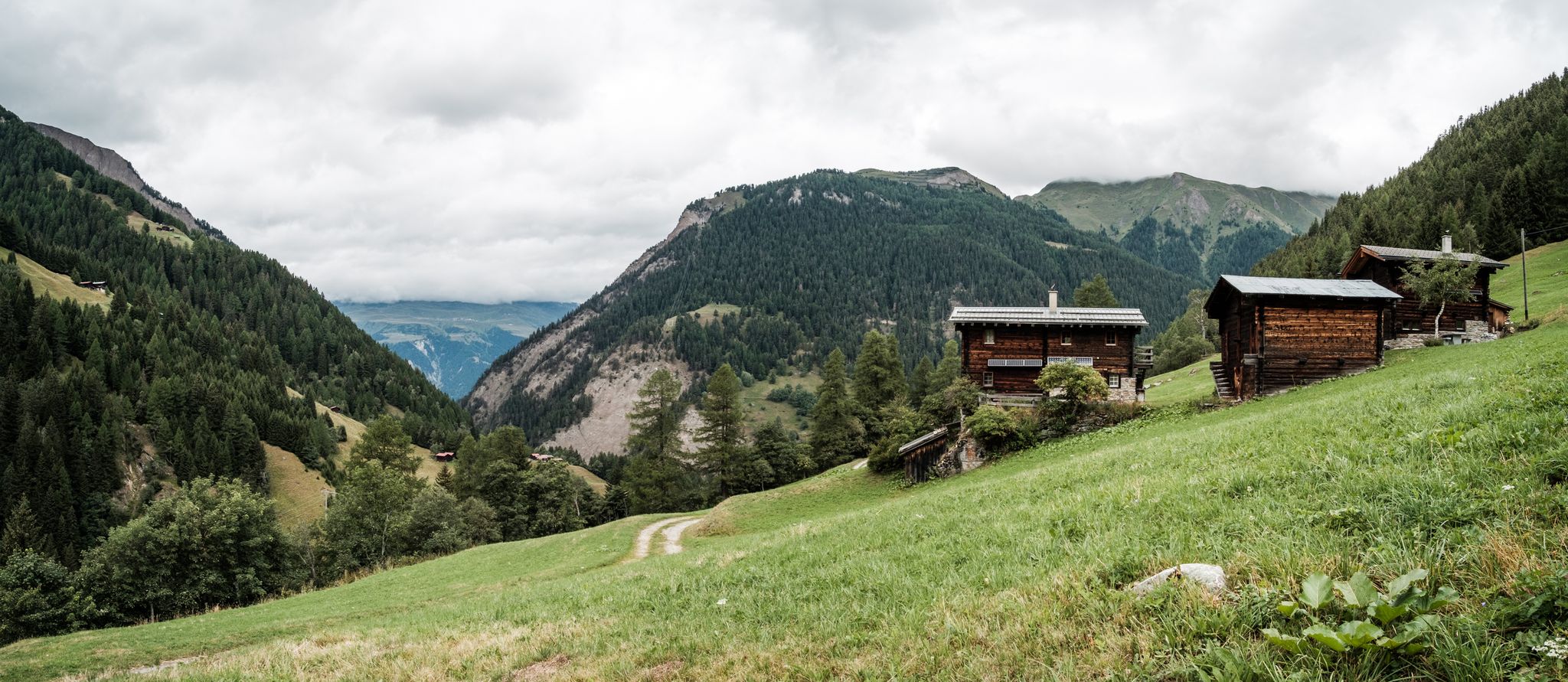
No traffic road cycling routes around Baceno are situated in Italy's Antigorio Valley, characterized by Alpine landscapes and diverse terrain. The region features a network of mostly paved roads that traverse high-altitude meadows, deep valleys, and challenging mountain ascents. Key geographical features include Val Formazza with its imposing peaks and the Valle Antigorio, which serves as a gateway to natural parks. The area offers varied elevation profiles, from valley floors to higher settlements.
Best no traffic road cycling routes around Baceno
- The most popular no traffic road cycling route is Alpe Devero – Icicles on the Devero Cliffs loop from Crodo, a 25.7 miles (41.3 km) trail that takes 2 hours 51 minutes to complete. This difficult route features significant elevation gain through Alpine scenery.
- Another top favourite among local road cyclists is From Varzo to Trasquera and Bugliaga, a difficult 17.4 miles (27.9 km) path. This route includes substantial climbs and offers views of the surrounding valleys.
- Local road cyclists also love the San Domenico di Varzo – Devil's Bridge loop from San Domenico, a 15.5 miles (25.0 km) trail leading through mountain villages and scenic viewpoints, often completed in about 1 hour 46 minutes.
- Road cycling around Baceno is defined by Alpine valleys, high-altitude meadows, and challenging mountain passes. The network offers options for different ability levels, from moderate rides to demanding routes with significant elevation.
- The routes in Baceno are highly rated by the komoot community with an average score of 4.6 stars from more than 10 reviews. More than 400 road cyclists have used komoot to explore Baceno's varied terrain.
Last updated: July 14, 2026
10
riders
23.0km
01:43
920m
920m
Hard road ride. Very good fitness required. Mostly well-paved surfaces and easy to ride.
5.0
(1)
9
riders
27.9km
01:53
900m
900m
Hard road ride. Very good fitness required. Mostly well-paved surfaces and easy to ride.

Sign up for free
64
riders
46.4km
02:52
1,250m
1,250m
Hard road ride. Very good fitness required. Mostly well-paved surfaces and easy to ride.
34
riders
41.4km
02:55
1,430m
1,430m
Hard road ride. Very good fitness required. Mostly well-paved surfaces and easy to ride.
4.5
(2)
35
riders
29.2km
01:50
790m
780m
Moderate road ride. Good fitness required. Some segments of this route may be unpaved and difficult to ride.
Get access to more routes and recommendations from other explorers.
Sign up for free
Already have an account?
Our route recommendations are based on thousands of hikes, rides, and runs completed by other people on komoot.
Start today with a free account
Your next adventure awaits.
Login or Signup



Tips from the Community

Worth the visit, the hike, and the trip. A unique monument, definitely worth a visit with plenty of time.
0
0

A beautiful mountain village with very friendly people. You feel welcome here. The stamping station makes for a lovely photo opportunity.
0
0


Panorama with pleasure (in the right season😋)
0
0

Absolute highlight between Fürgangen and Mühlebach
3
0

Imposing church in Baceno
0
1

Architecture At the center of the Romanesque stone façade of the monumental Church of San Gaudenzio stands the portal, surmounted by a rose window and flanked by the large fresco of San Cristoforo, painted in 1542. At the entrance, the breadth of the basilica church is highlighted, with five naves, divided by four series of different columns and characterized by a markedly sloping floor, composed of slabs of serizzo. The difference in height between the beginning of the nave and the base of the steps of the presbytery is about 90 centimeters. The side naves are made up of ten splendidly frescoed transepts; in addition to the imposing ciborium of the main altar, seven side altars dedicated respectively to: San Rocco, San Giovanni Battista, Santa Vittoria, the Blessed Virgin Mary, San Pietro, Sant'Antonio Abate and San Carlo Borromeo enrich the Church of San Gaudenzio. The oldest and most artistically valuable part of the building is the Chapel of the Madonna (now of the Rosary), built in 1326; it is located in the nave to the right of the altar, and its wonderful frescoes are dedicated to the life of Mary. In the presbytery, on the right, there is the large Crucifixion (1542), a work by Antonio Zanetti known as Bugnate, below the figures of Adam and Eve, while on the barrel vault the seven-headed dragon of the Apocalypse is depicted; the transept of the presbytery is enclosed by three arches finely frescoed with prophets and sibyls. At the end of the eastern nave you can admire the sixteenth-century Baptistery consisting of a pedestal in white Crevoladossola marble surmounted by a wooden ciborium containing the baptismal font. To the west of the church in 1628 the chapel of the Confraternity of the Blessed Sacrament was erected, today used as a winter chapel and intended to guard the Blessed Sacrament. The bell tower from 1522, 50 meters high, the 'new' sacristy and the wooden choir behind the high altar, dating back to the end of the 17th century. The architecture of the church is completed by the beautiful organ of Swiss-Valais manufacture by the organ builders Carlent and Walpen dating back to the first half of the 19th century.
0
1
MONUMENTAL CHURCH OF SAN GAUDENZIO IN BACENO ** TIMES FOR VISITING THE CHURCH From Monday to Saturday: morning, from 09.00 to 12.00 afternoon, from 15.00 to 17.30 Sunday and holidays: morning, from 09.00 to 10.15 afternoon, from 14.30 to 17.15 For group visits with a guide, arrange by calling 0324 / 62045 – (Elena, Albergo Vecchio Scarpone, tel. 0324 62023 for booking guided tours). BRIEF HISTORY OF THE CHURCH The first documents that testify to the existence of a primitive chapel date back to the early 1000s. In fact, Bascapè, bishop of Novara from 1593 to 1615, in his book "Novaria Sacra", highlights a document about the existence in Baceno of a "cappellam" donated to the canons of S. Maria di Novara by Gualberto, bishop of Novara from 1032 to 1039. The rectangular chapel was located where the presbytery is currently located. Built in Lombard Romanesque, it was dedicated to S. Gaudenzio, the first bishop of Novara (337-417). The first expansion dates back to between the 12th and 13th centuries. Since there was not enough space, the orientation was changed, north-south, building the part that is now the central nave (including the two aisles) and the Romanesque façade between the two pilasters. In 1326, where the access to the original chapel was located, the cleric Signebaldo de Baceno son of Giacomo erected the chapel of the Madonna. As Christianity spread more and more among the people of Antigorio, the need was felt for a new expansion and embellishment of the church with the addition of the current side naves. The occasion was given in 1486 by the marriage of Bernardino de Baceno, imperial vassal of Antigorio and Formazza, with the noblewoman Ludovica Trivulzio, daughter of Antonio Trivulzio, representative of the Duke of Milan in Ossola. Towards the end of the 15th century, work began on the construction of the side naves, thus highlighting the Gothic style, and at the same time the frescoes were painted, which were completed only in 1542 with the large Crucifixion on the right wall of the presbytery. Starting from the last decade of the 16th century, as a consequence of the new norms dictated by the Council of Trent, the interior of the church was subjected to new interventions that significantly modified its structure, with the consequent result that the Baroque was added to the Romanesque and Gothic.
0
0
Frequently Asked Questions
How many no-traffic road cycling routes are available around Baceno?
There are 5 dedicated no-traffic road cycling routes around Baceno listed in this guide. These routes offer a mix of moderate and difficult challenges, perfect for experiencing the region's stunning Alpine scenery without vehicle interference.
What kind of terrain can I expect on no-traffic road cycling routes near Baceno?
The no-traffic road cycling routes around Baceno feature diverse Alpine terrain, including challenging climbs and scenic descents. You'll find mostly paved surfaces, winding through pastures and offering breathtaking views, characteristic of the Val Formazza and Valle Antigorio regions.
Are there any family-friendly no-traffic road cycling options in Baceno?
While many routes in this guide are rated moderate to difficult due to significant elevation changes, the region does offer sections of low-traffic asphalt roads that can be suitable for families with older children or those seeking a less strenuous ride. Always check the route details for elevation profiles and distance to ensure it matches your family's fitness level.
What natural attractions can I see along the no-traffic road cycling routes?
Many routes offer access to stunning natural features. You can encounter highlights like the impressive Twingi Gorge, the unique Giant's Kettles of the Toce, and the picturesque Alpe Devero. The region is also known for the majestic Toce Waterfall and serene Alpine lakes like Lago Toggia and Lago di Morasco, which are often incorporated into longer cycling tours.
What is the best time of year for no-traffic road cycling in Baceno?
The best time for road cycling in Baceno is typically from spring through autumn. During these seasons, the weather is generally favorable, and the Alpine passes are clear of snow, allowing full access to the scenic routes. Summer offers warmer temperatures, while spring and autumn provide vibrant landscapes and cooler, often less crowded, conditions.
Are there any circular no-traffic road cycling routes available?
Yes, there are circular routes available. For example, the route Ze Binne at the Binna Reservoir – Village Square Ernen loop from Binn offers a challenging circular experience, allowing you to start and finish in the same location while exploring diverse landscapes.
Where can I find parking for these no-traffic road cycling routes?
Parking is generally available in the towns and villages that serve as starting points for these routes, such as Varzo or Crodo. It's advisable to check local signage for specific parking regulations and availability, especially during peak season.
What are the difficulty levels of the no-traffic road cycling routes around Baceno?
The no-traffic road cycling routes around Baceno are predominantly challenging. Out of the 5 routes in this guide, 4 are rated as difficult, and 1 is moderate. These routes often involve significant elevation gains, making them suitable for experienced cyclists with good fitness levels.
What do other cyclists say about road cycling in Baceno?
The komoot community highly rates the road cycling experience in Baceno, with an average score of 4.6 out of 5 stars from 13 ratings. Reviewers often praise the stunning Alpine scenery, the challenging climbs, and the opportunity to ride on quiet, low-traffic roads, making for an immersive outdoor adventure.
Can I access these routes using public transport?
Baceno and surrounding towns like Varzo are connected by public transport, including bus services that can facilitate access to various starting points. However, specific information regarding bicycle carriage on public transport should be verified with local operators in advance.
Are there any specific cultural or historical landmarks along these routes?
While the focus is on natural beauty, the region is rich in history. You might encounter charming mountain villages with well-preserved rural buildings. In Baceno itself, the
Monumental Church of S. Gaudenzio
is a notable Alpine landmark. The hamlet of Croveo is also historically significant for its commemoration of the "Witches of Antigorio."Are there any specific challenging climbs on the no-traffic routes?
Yes, the region is known for challenging ascents. Many routes feature significant elevation gains, such as the climb towards Riale, one of Piedmont's highest settlements, which is part of the broader Val Formazza area. Routes like From Varzo to San Domenico offer over 900 meters of climbing, providing a true test for road cyclists.
Most popular attractions around Baceno

Get inspired with the komoot mobile app


Explore more
Browse the best Road cycling routes in other regions.
