Top 3 Mountain Passes around Sequals
Best mountain passes around Sequals are located in the Friuli-Venezia Giulia region of Italy. Sequals is situated near the Dolomites and Carnic Alps, which feature several notable mountain passes. These passes offer diverse terrain and opportunities for outdoor activities. The area provides access to various routes for exploration.
Best mountain passes around Sequals
- The most popular mountain passes is Forcella Mostacins, a mountain pass that features beautiful climbs and woods. It is known for its natural setting and silence…
Last updated: October 3, 2026
Forcella Mostacins
Highlight • Mountain Pass
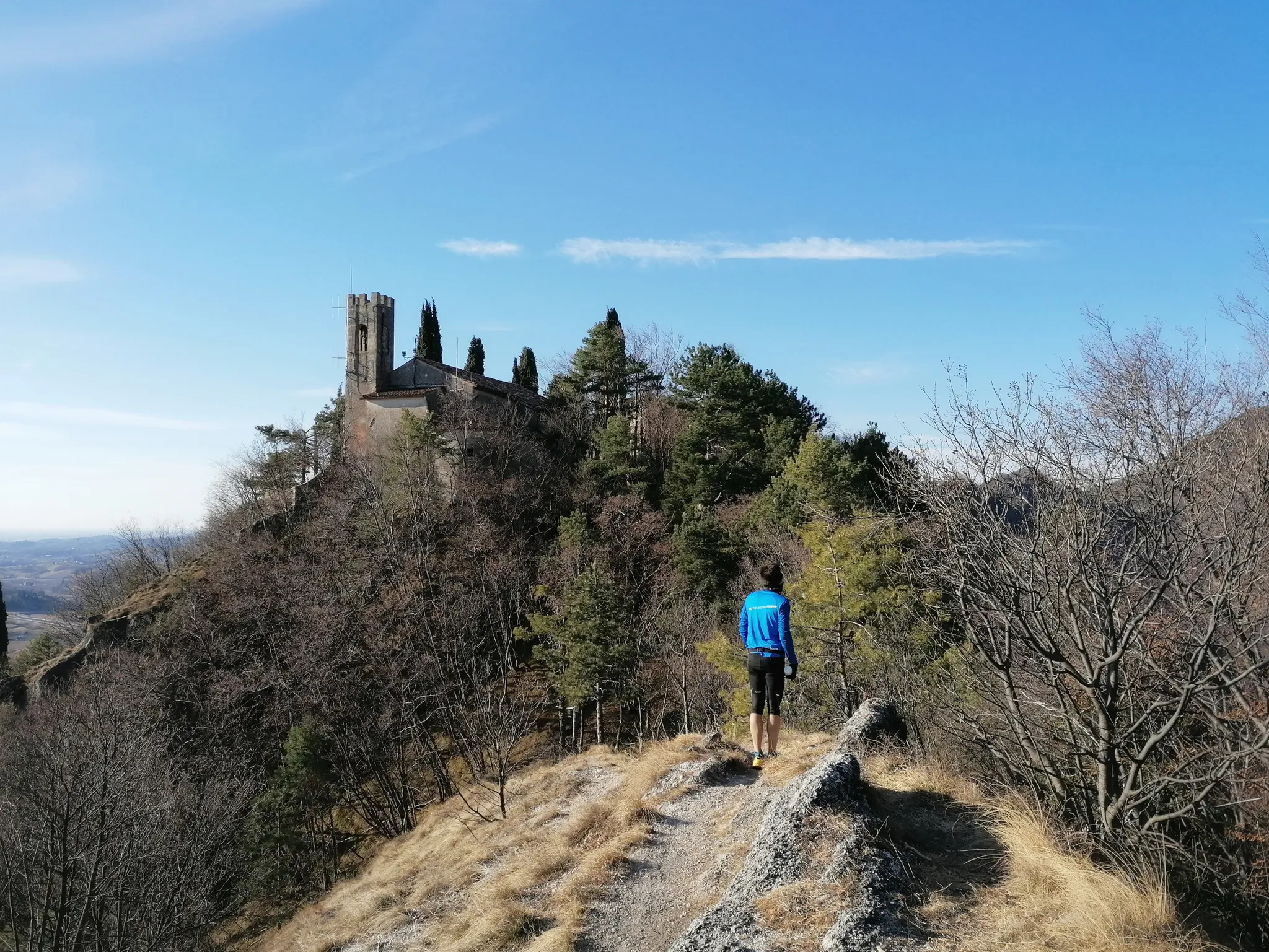
Here too, beautiful climbs, beautiful woods and moreover, the silence of Friuli between Travesio and Valeriano
Translated by Google •
Tip by

Tunnel to Passo di Sella Chianzutan
Highlight • Structure
Translated by Google •
Tip by

Sign up now to discover places like this
Get recommendations on the best single tracks, peaks, & plenty of other exciting outdoor places.
Col Taront gravel
Highlight (Segment) • Mountain Pass
Translated by Google •
Tip by

Forchia di Meduno
Highlight • Mountain Pass
Translated by Google •
Tip by

Start today with a free account
Your next adventure awaits.
Other adventures around Sequals

Tips from the Community

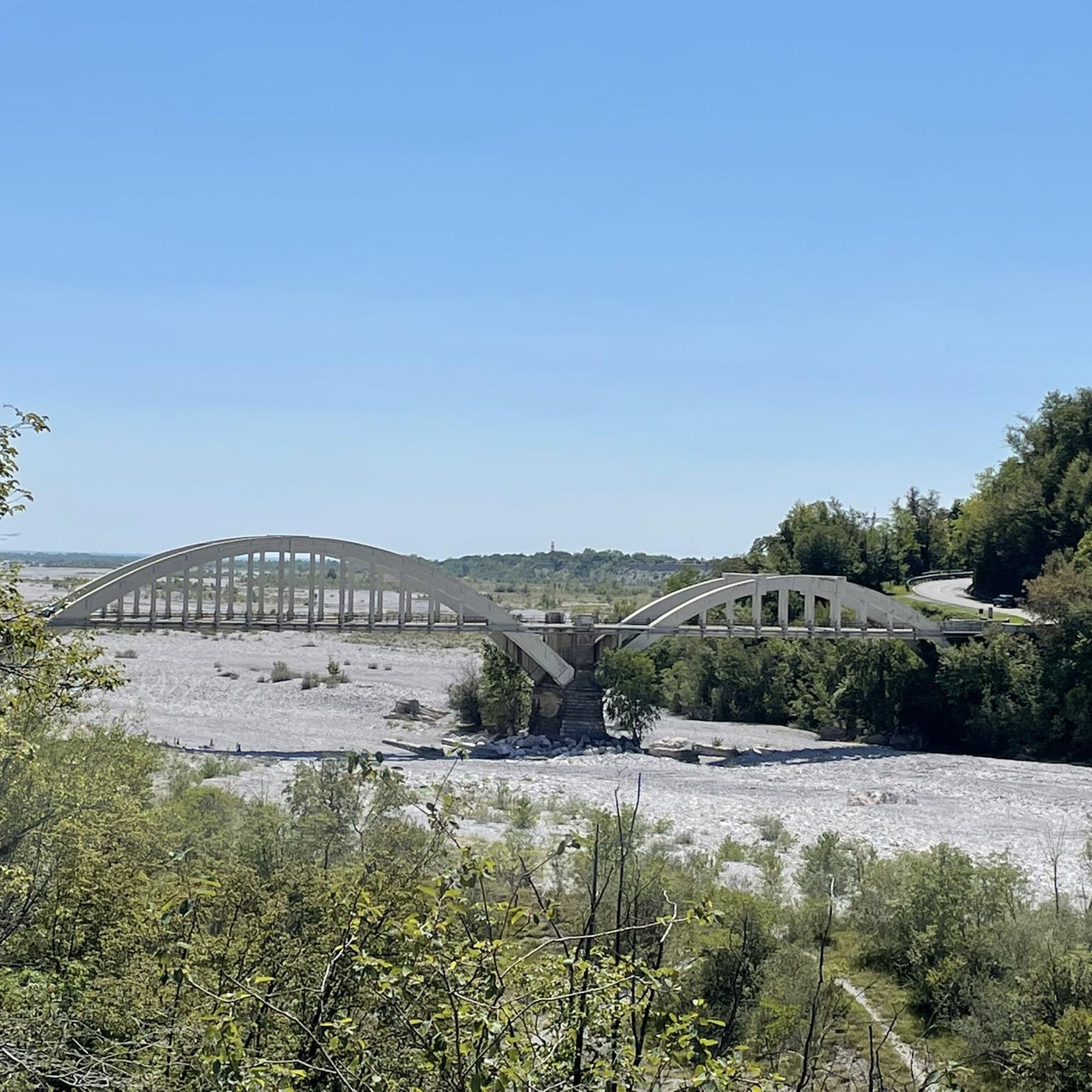
A classic Italian tunnel with small cobblestones and good lighting. Nevertheless, bright lights on bicycles are advisable. Along the route through the Arzino valley, there are several of these tunnels and also some galleries to ride through.
0
0

crossroads of paths and dirt roads to Mount Cereis and Mount Valinis, as well as the connection to Lake Redona
0
0

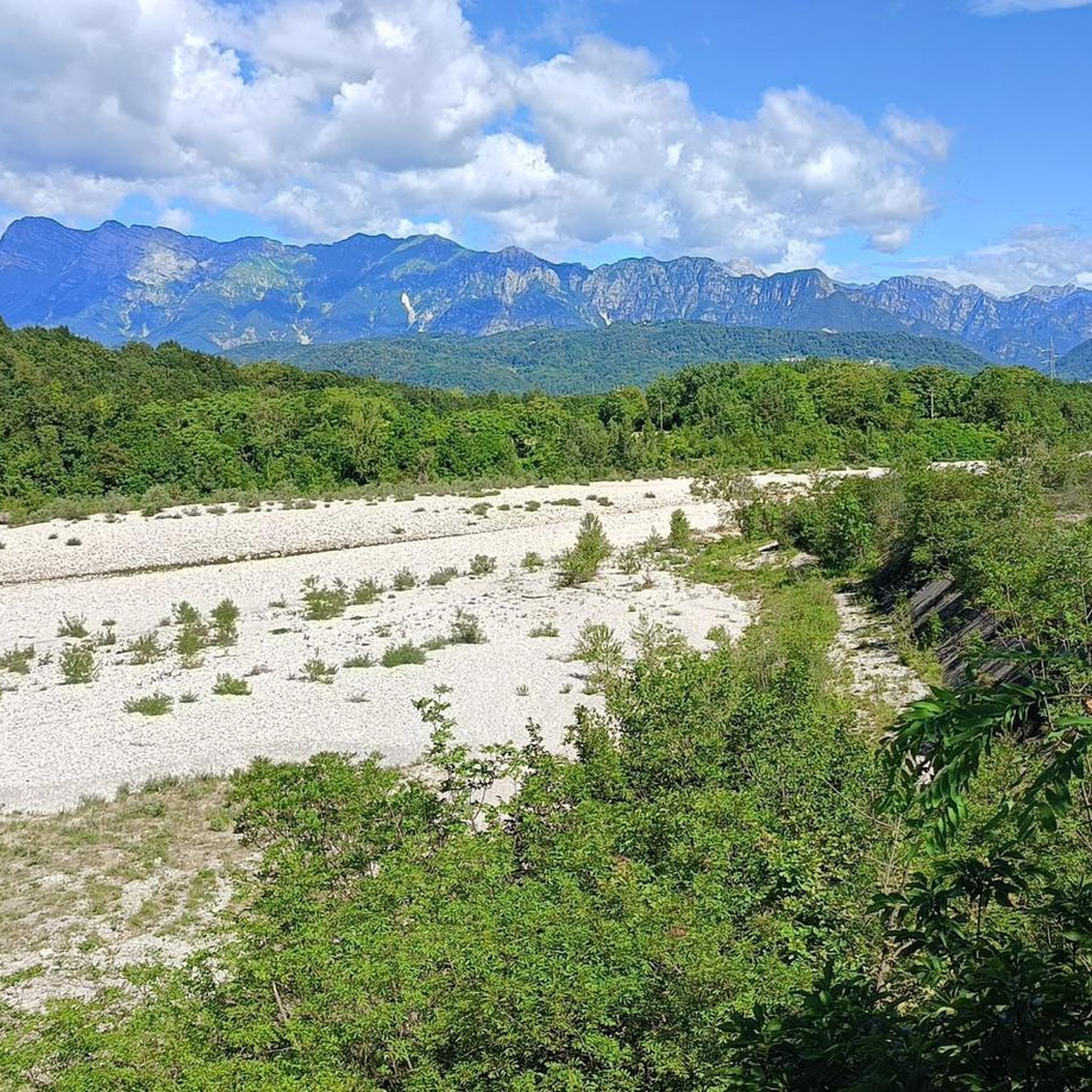
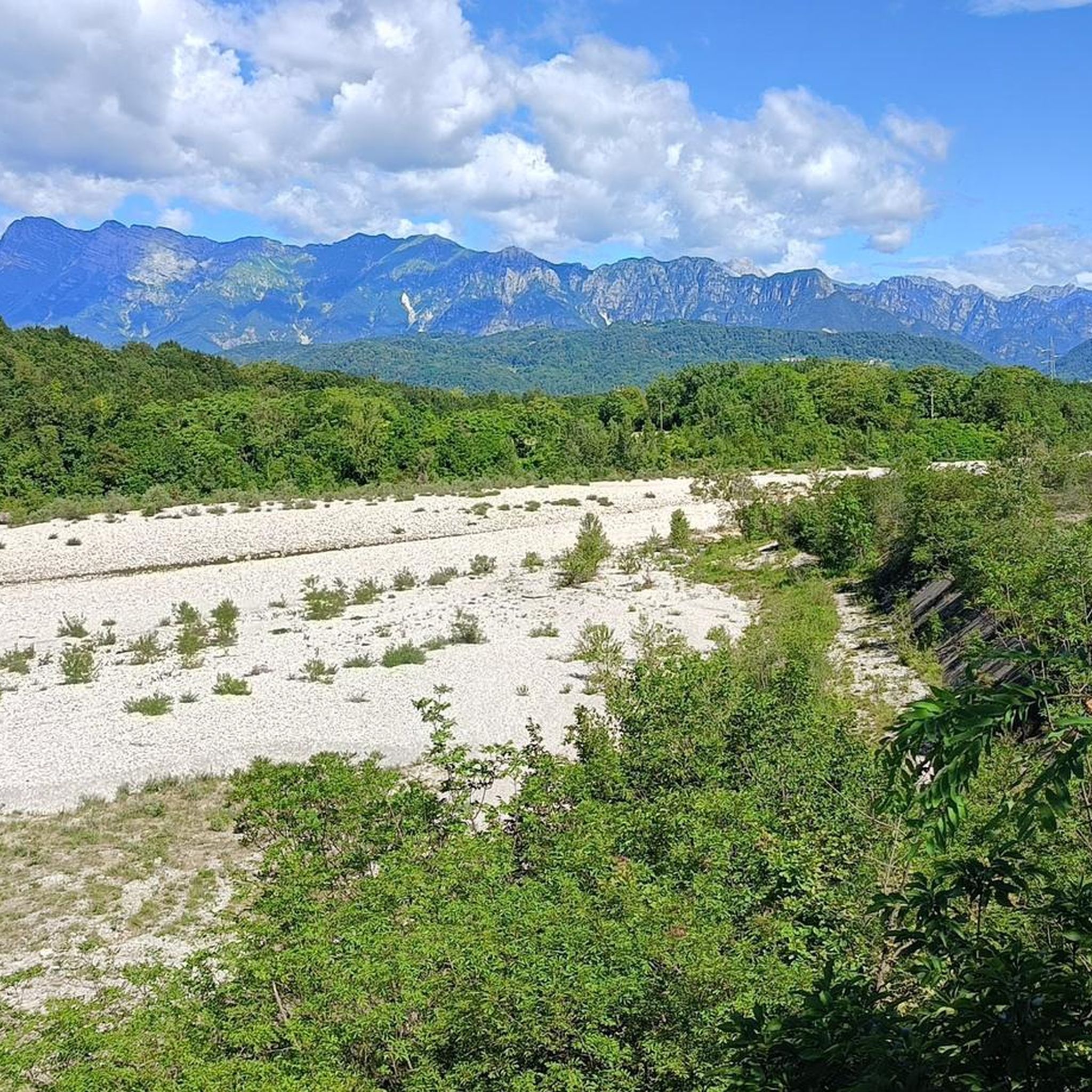
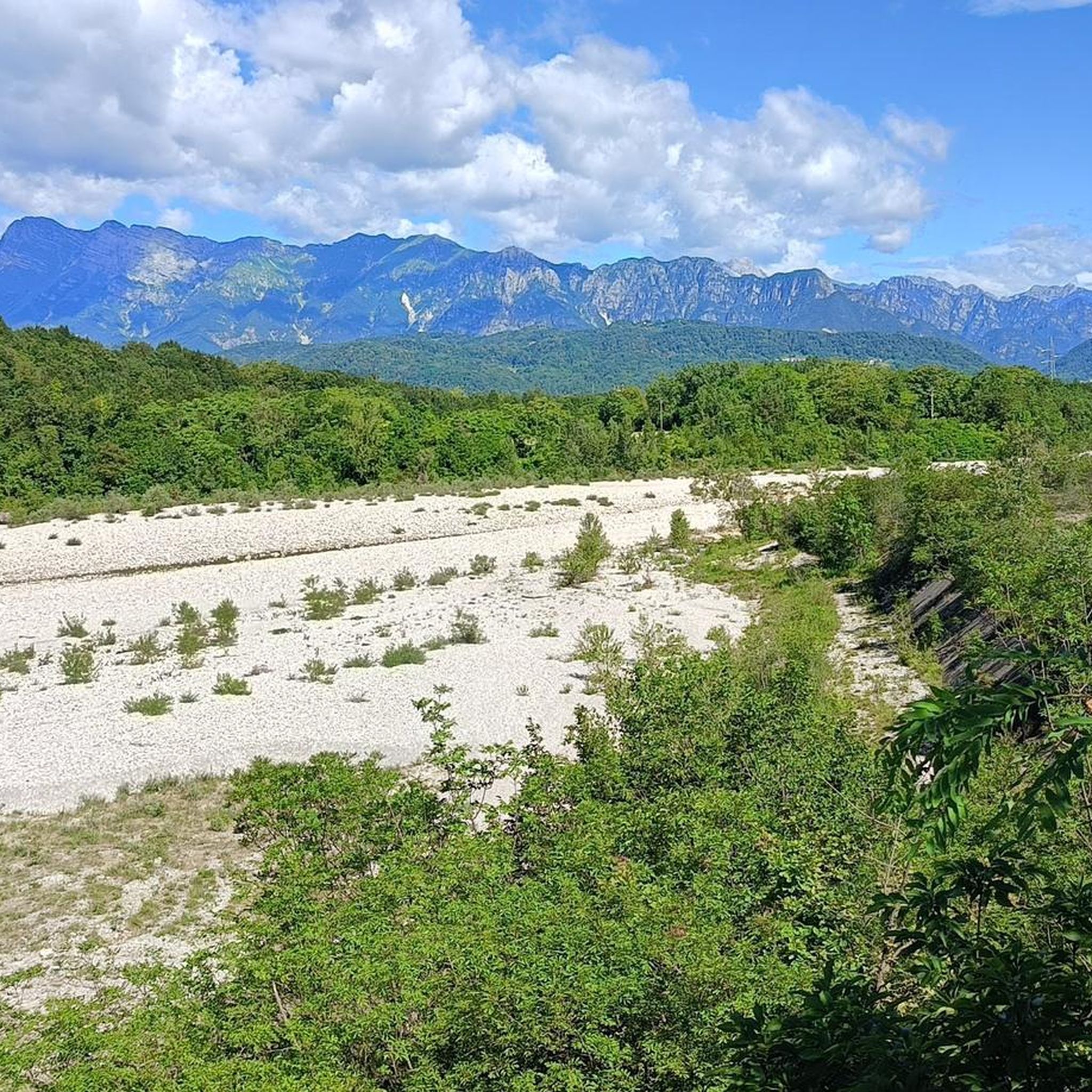
The Forchia di Meduno is a small secondary pass that connects Meduno with Campone, the Arzino Valley and the Tramontina Valley.
0
0

Nice place in nature
0
0
Beautiful climb immersed in Friulian nature
0
0

Even the Pordenone area, like the Treviso area, has its "fork" Mostacin(s). Here too, beautiful climbs, beautiful woods and moreover, the silence of Friuli between Travesio and Valeriano
0
0

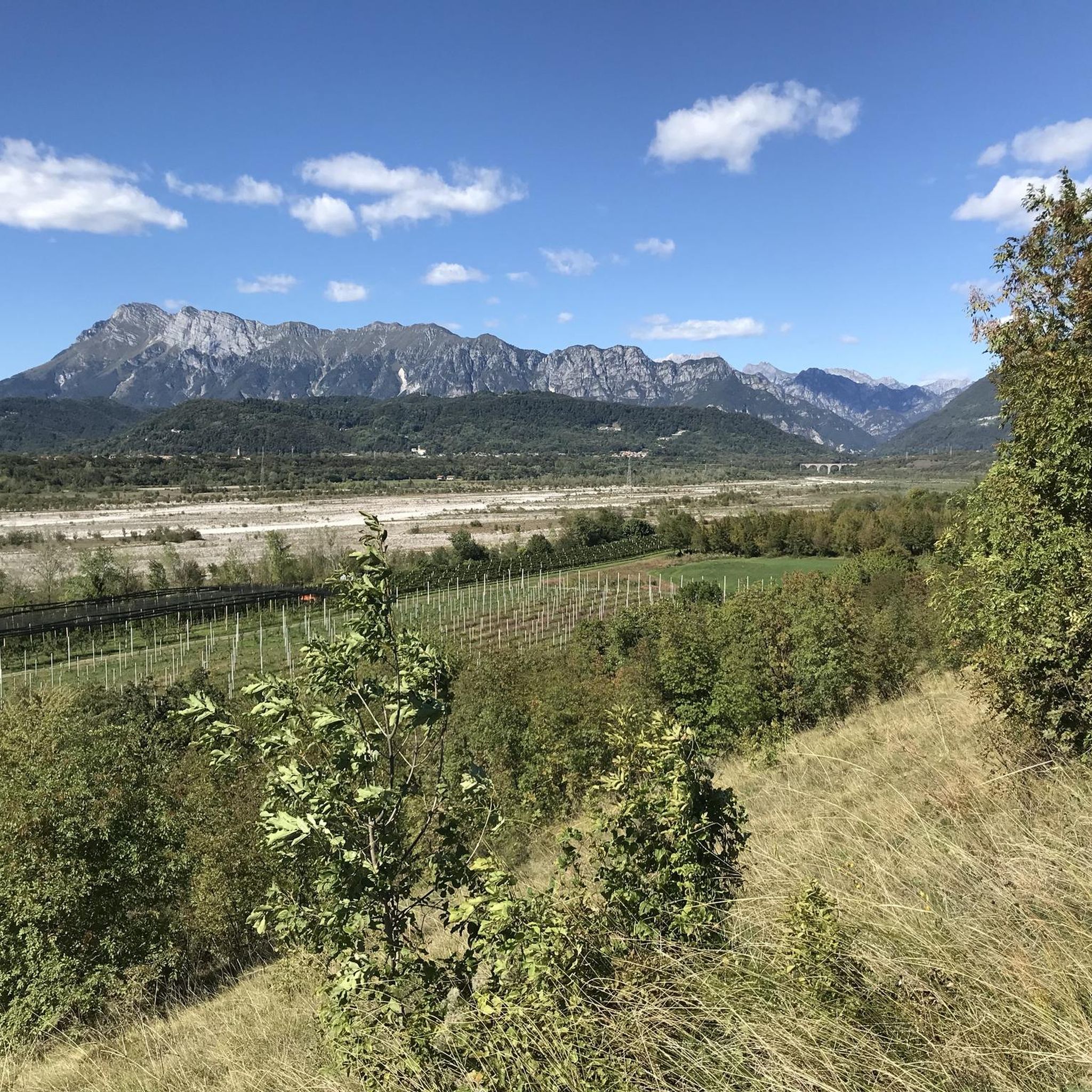
The road that reaches Col Taront is more suitable for a mountain bike than for a gravel bike, not for the technical difficulties, but for the slopes and the sometimes stony terrain. I got there with the gravel doing some stretch on foot. Traveling often on an unexposed ridge, the panorama on the plain is remarkable. To return I chose the ring that from Col Taront takes you back to the asphalted road to Travesio.
0
0
Frequently Asked Questions
What kind of natural beauty can I expect to see at the mountain passes around Sequals?
The mountain passes in the broader Friuli-Venezia Giulia region offer breathtaking panoramic views of the Alpine landscape. You'll find dramatic peaks, lush valleys, and unique geological formations. For example, Forcella Mostacins is known for its beautiful woods and serene atmosphere, while Col Taront gravel provides remarkable panoramas of the plain from its unexposed ridge.
Are there opportunities for cycling at these mountain passes?
Yes, the region is a fantastic destination for cycling. While Col Taront gravel is more suited for mountain bikes due to its slopes and stony terrain, the broader area features challenging climbs like the Mangart Pass Road, known for its 1000-meter elevation gain over 10 km and tunnels (rear light mandatory). The Monte Zoncolan Climb is also famous as one of the toughest ascents in the Giro d'Italia. For more road cycling options, explore the Road Cycling Routes around Sequals guide.
What hiking opportunities are available near the mountain passes?
The mountain passes serve as excellent starting points for various hikes. Forchia di Meduno, for instance, is a crossroads for paths and dirt roads leading to Mount Cereis and Mount Valinis. Further afield, passes like Passo Giau offer access to sections of the Alta Via 1. You can find more detailed hiking routes in the Hiking around Sequals guide.
Are there any mountain passes suitable for families or less experienced adventurers?
While some passes offer challenging terrain, many areas provide accessible options. The general region offers a variety of trails, and you can find easier hiking routes in the Hiking around Sequals guide, such as the 'Castello di Solimbergo loop from Sequals / Secuals' which is rated easy.
What is the best time of year to visit the mountain passes around Sequals?
The best time to visit for hiking and cycling is generally from late spring to early autumn (May to October), when the weather is milder and the passes are free of snow. During winter, many higher passes become popular for skiing and snowshoeing, but road access might be limited.
What cultural or historical significance do these mountain passes hold?
The Friuli-Venezia Giulia region, where Sequals is located, is rich in cultural and historical significance. Some areas, like the Friulian Dolomites Natural Park, are UNESCO World Heritage Sites, preserving unique natural environments. The passes themselves have historically been important trade and strategic routes, and the region features charming stone villages that offer insights into local traditions.
Are there any viewpoints or scenic spots I shouldn't miss?
Absolutely. Many passes are renowned for their views. Forcella Mostacins and Col Taront gravel are both highlighted for their viewpoints. Further afield, the Sella Pass offers panoramic views of the Sassolungo and Sella Groups, and even the Marmolada, the highest peak of the Dolomites. Passo Giau is also considered one of the most iconic and beautiful mountain roads in the Dolomites, perfect for photography.
What other outdoor activities can I do near these mountain passes?
Beyond hiking and cycling, the region offers a wide array of outdoor activities. Many passes provide access to via ferratas, offering different levels of challenge for climbers. In winter, the higher passes transform into hubs for skiing and snowshoeing. You can also find running trails in the area; check out the Running Trails around Sequals guide for options.
Which mountain passes are located on the border with Austria?
The Pramollo Pass (Passo di Pramollo / Nassfeld) is a notable mountain pass situated directly on the Italy-Austria border in the Carnic Alps. It connects the Italian Canal Valley with the Austrian Gail Valley and is surrounded by peaks like Gartnerkofel, Rosskofel, and Trogkofel.
What makes the Sella Pass a significant destination, even if it's further away?
The Sella Pass, though further afield in the Dolomites, is a magnificent destination. It connects Val Gardena with Val di Fassa and is part of the famous Sellaronda ski circuit in winter. In summer, it offers numerous via ferratas and stunning views of the Sassolungo and Sella Groups, and even the Marmolada. It reaches 2,218 meters at its highest point.
Are there any unique natural features to look out for at the passes?
Yes, the region is home to unique flora and fauna. For example, near the Pramollo Pass, the Gartnerkofel is known for a rare endemic mountain flower called the Kuhtritt. The passes themselves often feature distinct geological formations and diverse forest ecosystems, as seen in the 'beautiful woods' of Forcella Mostacins.
Most popular routes around Sequals
Most popular attractions around Sequals

Get inspired with the komoot mobile app


Explore more
See even more epic mountain passes by checking out these guides around Sequals:
