The best city hikes and walks in Alpes Suisses Jungfrau-Aletsch
4.6
(21289)
156,105
hikers
48
hikes
Urban hiking trails in Alpes Suisses Jungfrau-Aletsch offer routes through valley towns and along rivers, set against the backdrop of the high Alps. The region is characterized by its dramatic mountain ranges, including peaks over 4,000 meters, and significant glacial features, though urban routes typically explore lower elevations. These trails often follow river courses, such as the Vispa River, and provide views of the surrounding alpine landscape from accessible paths. The terrain for urban hikes generally includes paved paths, riverside…
Last updated: August 23, 2026
5.0
(1)
15
hikers
Moderate hike. Good fitness required. Easily-accessible paths. Suitable for all skill levels.
4.0
(5)
17
hikers
Moderate hike. Good fitness required. Mostly accessible paths. Sure-footedness required.

Sign up for free
4.0
(4)
24
hikers
4.72km
01:12
10m
10m
Easy hike. Great for any fitness level. Easily-accessible paths. Suitable for all skill levels.
5.0
(1)
8
hikers
9.39km
02:53
270m
270m
Moderate hike. Good fitness required. Mostly accessible paths. Sure-footedness required.
16
hikers
3.25km
00:49
10m
10m
Easy hike. Great for any fitness level. Easily-accessible paths. Suitable for all skill levels.
Get access to more routes and recommendations from other explorers.
Sign up for free
Already have an account?
Our route recommendations are based on thousands of hikes, rides, and runs completed by other people on komoot.
Start today with a free account
Your next adventure awaits.
Login or Signup
Popular around Alpes Suisses Jungfrau-Aletsch
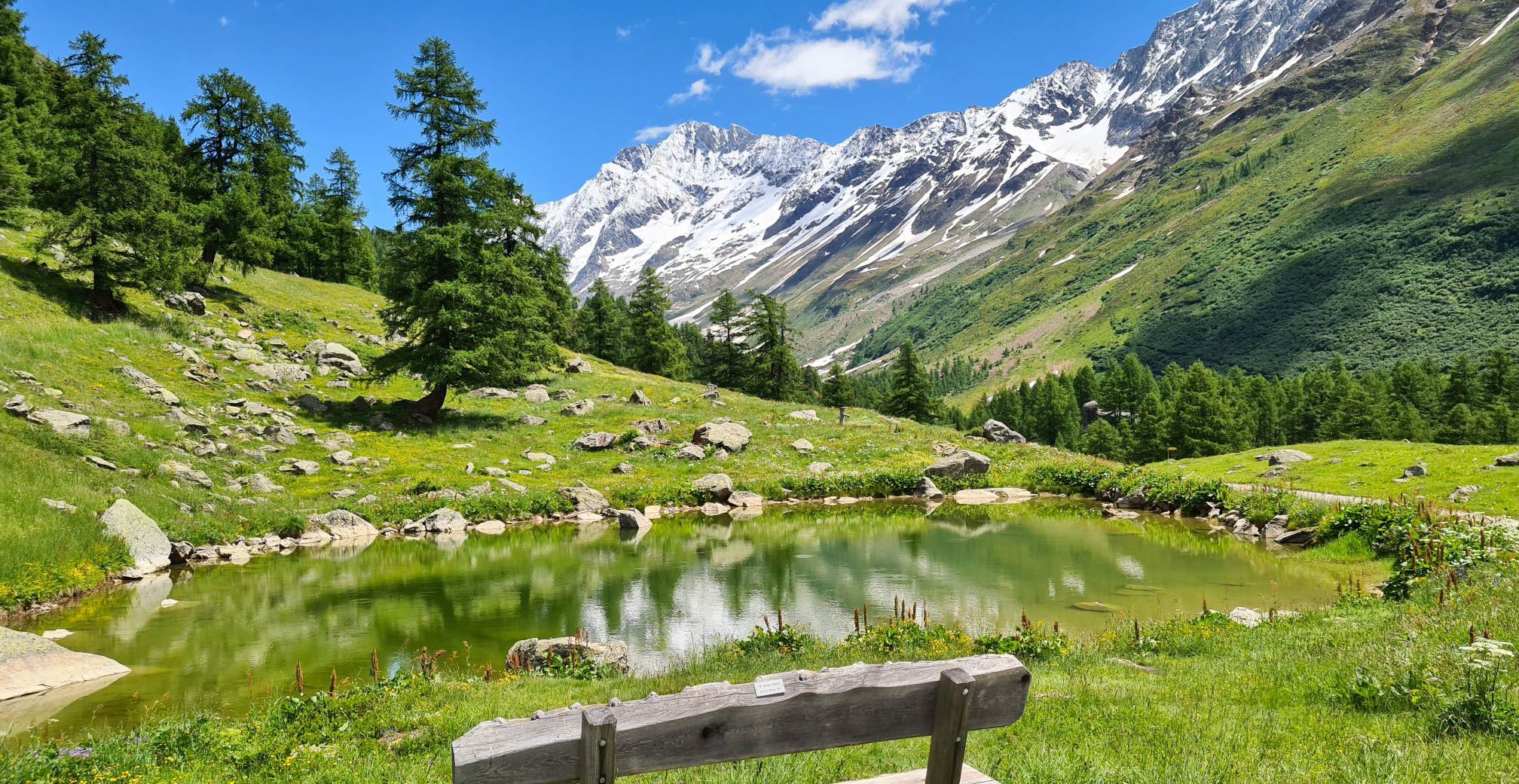
Lötschberg Panorama Trail – 4 days of alpine views in Switzerland

Discover Grindelwald with the Victorinox Huntsman
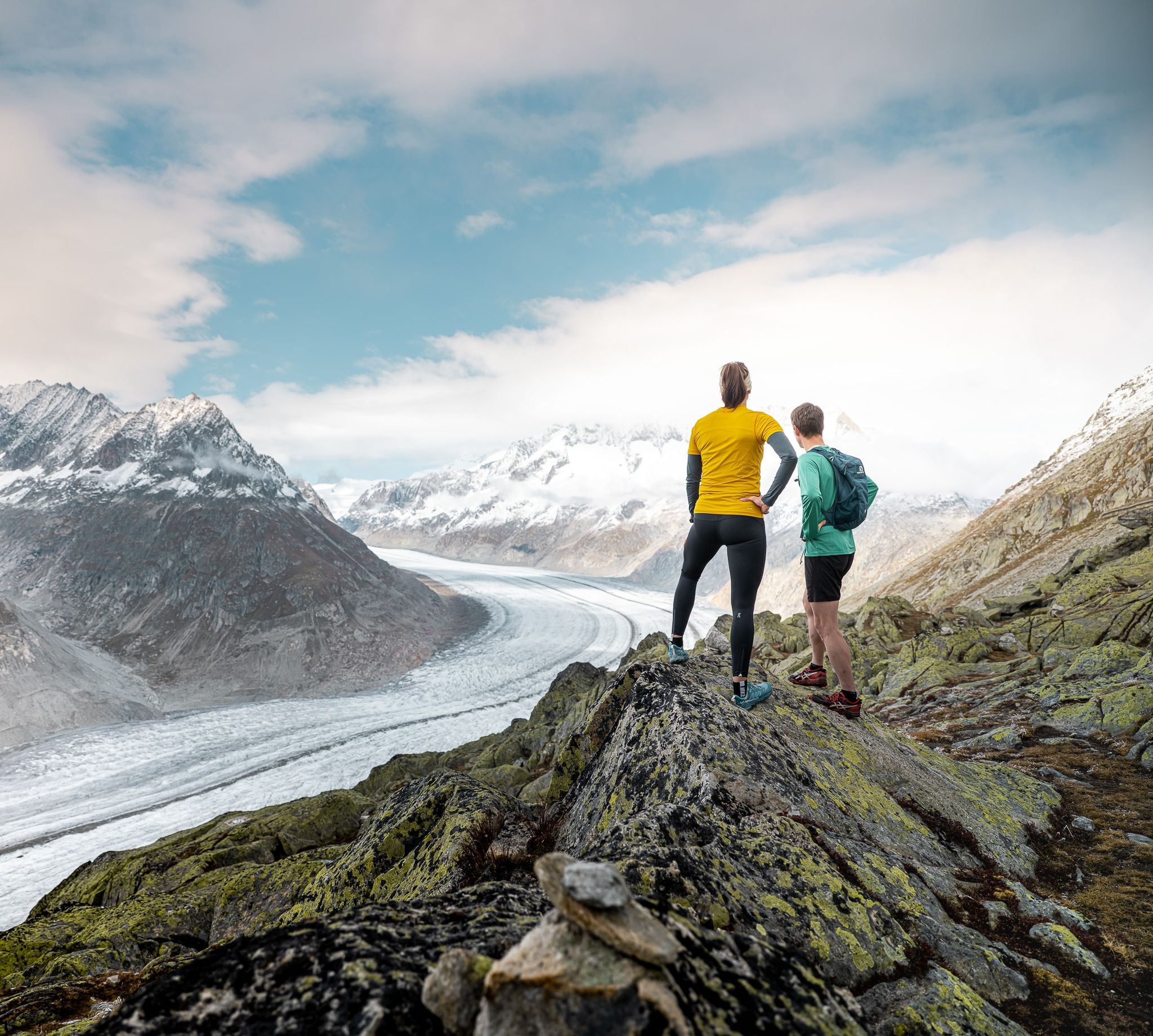
Thrills and adventure on the Stoneman Glaciara
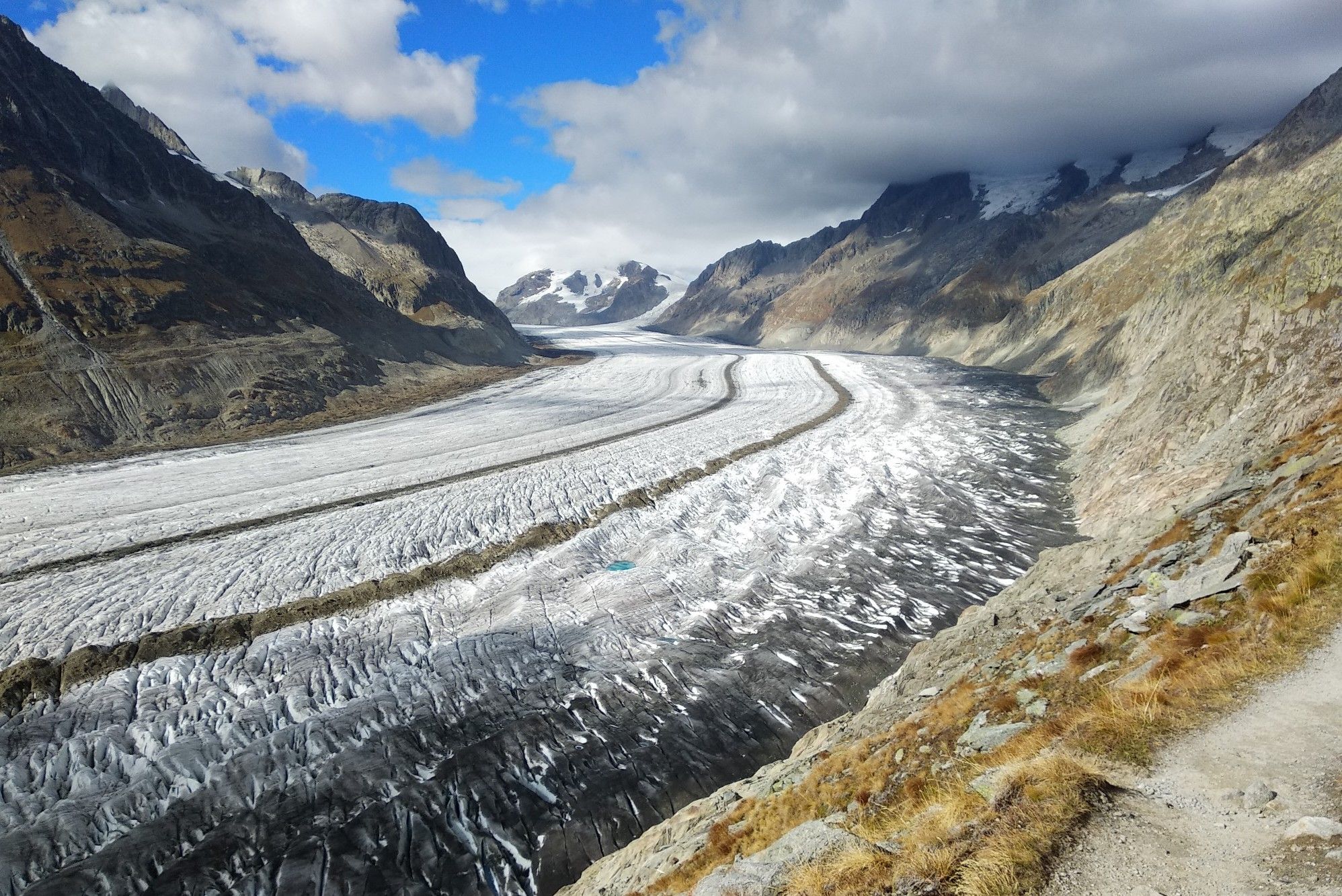
Aletsch Panorama Trail – mighty glaciers and airy suspension bridges
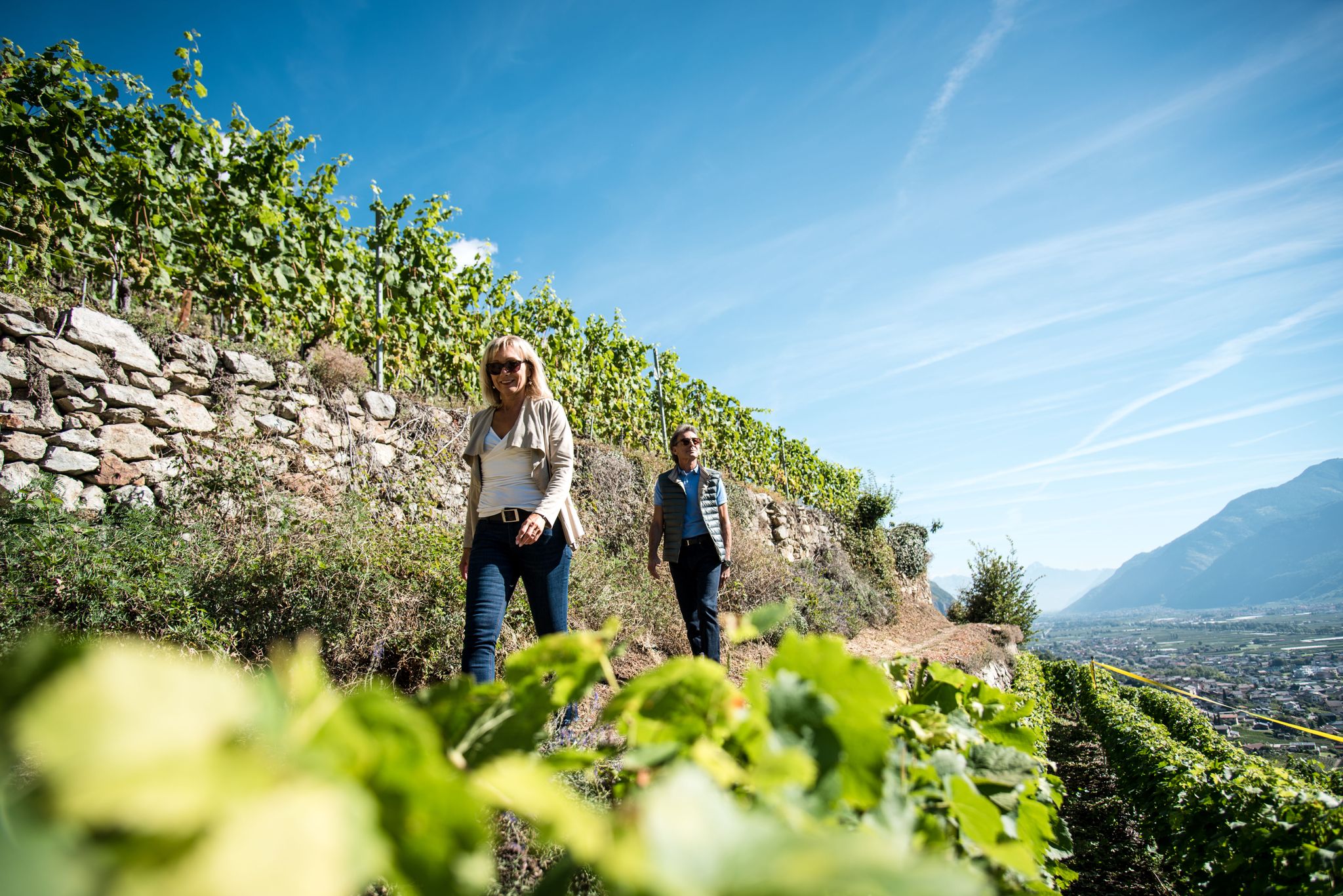
Endless mountain panoramas – themed hikes in Switzerland’s Valais
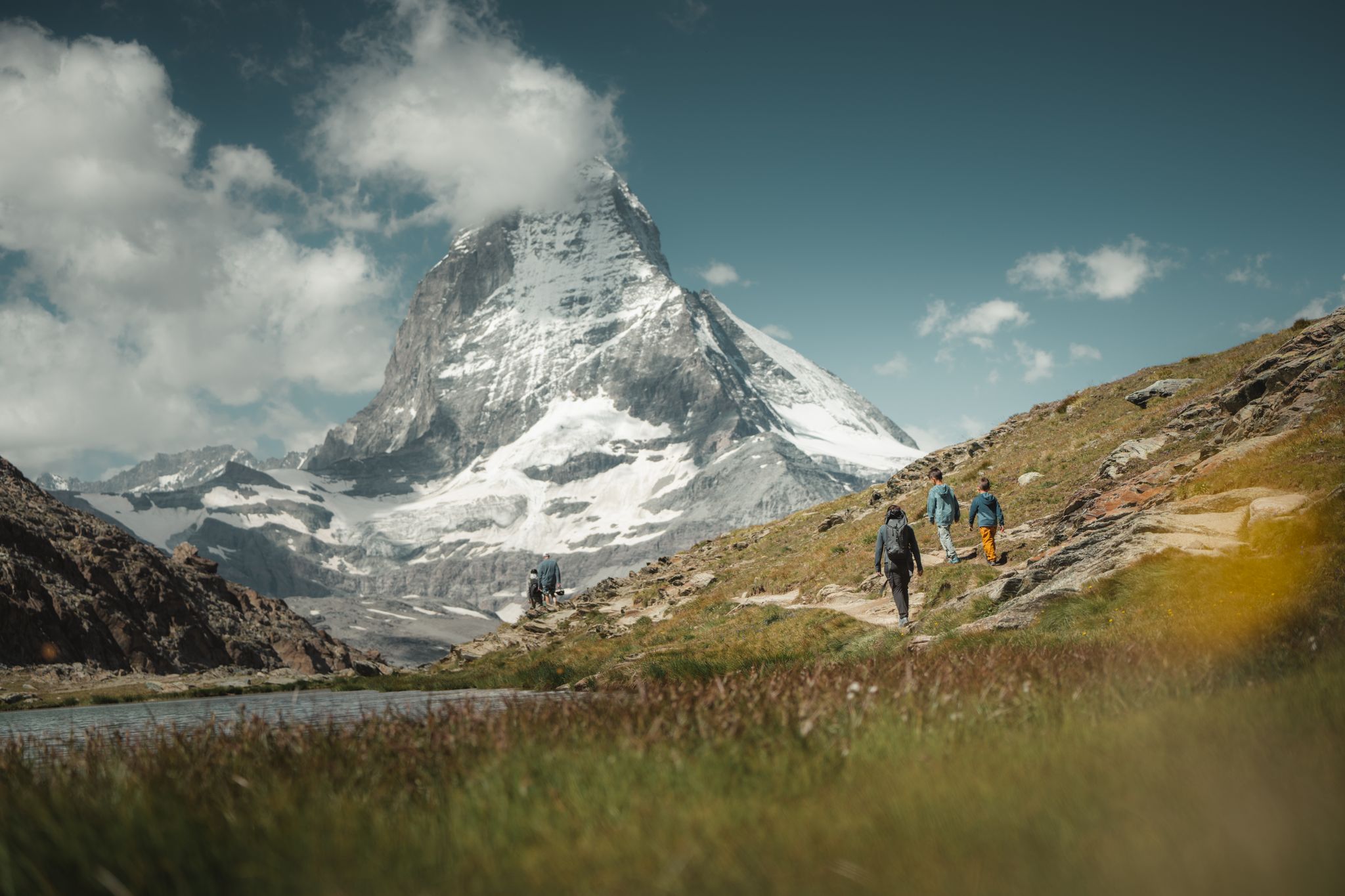
Grandiose glaciers and peaks – panoramic Tours in Switzerland’s Valais
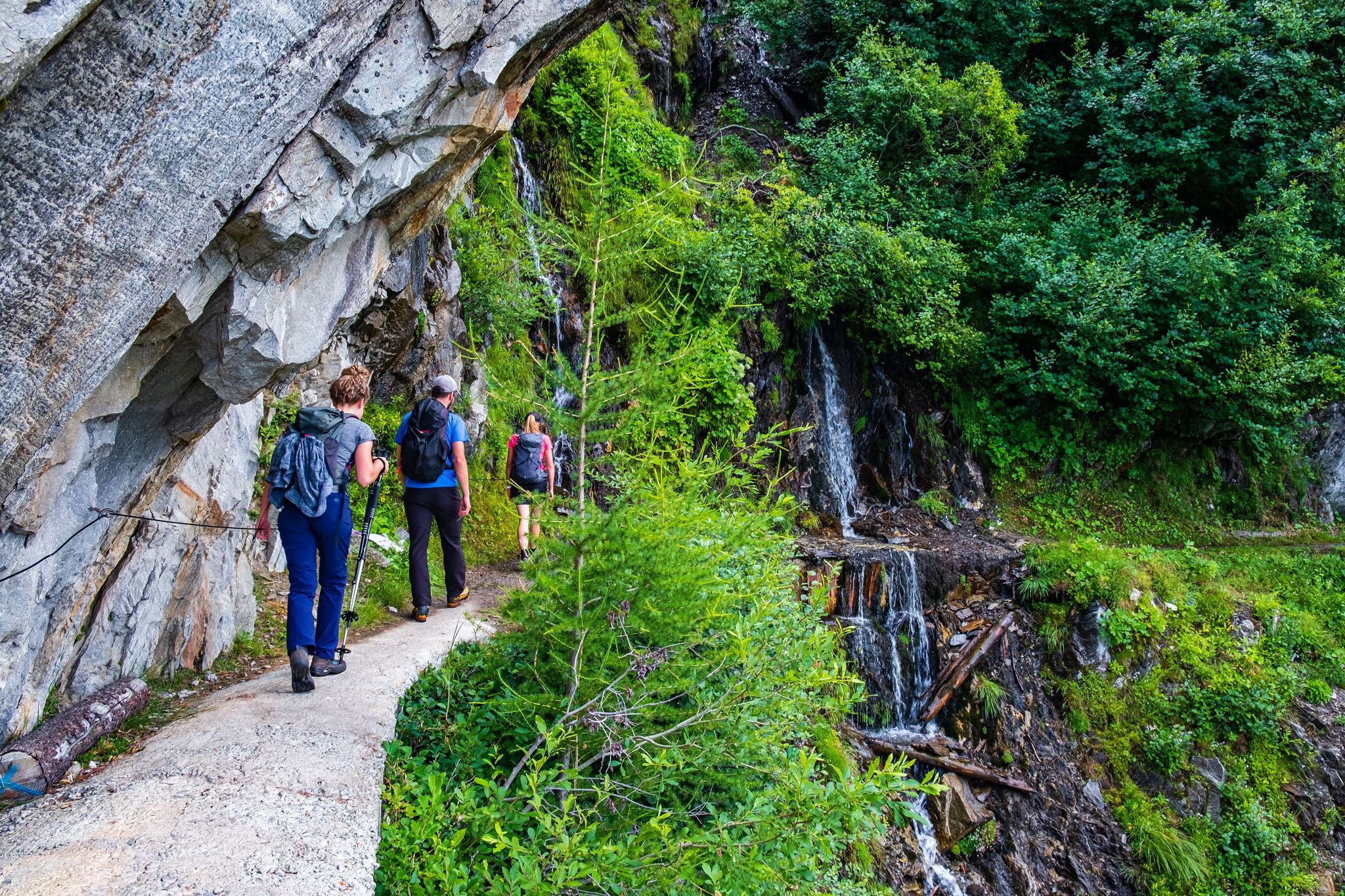
Passes, lakes and alpine huts in Switzerland – discover the Valais
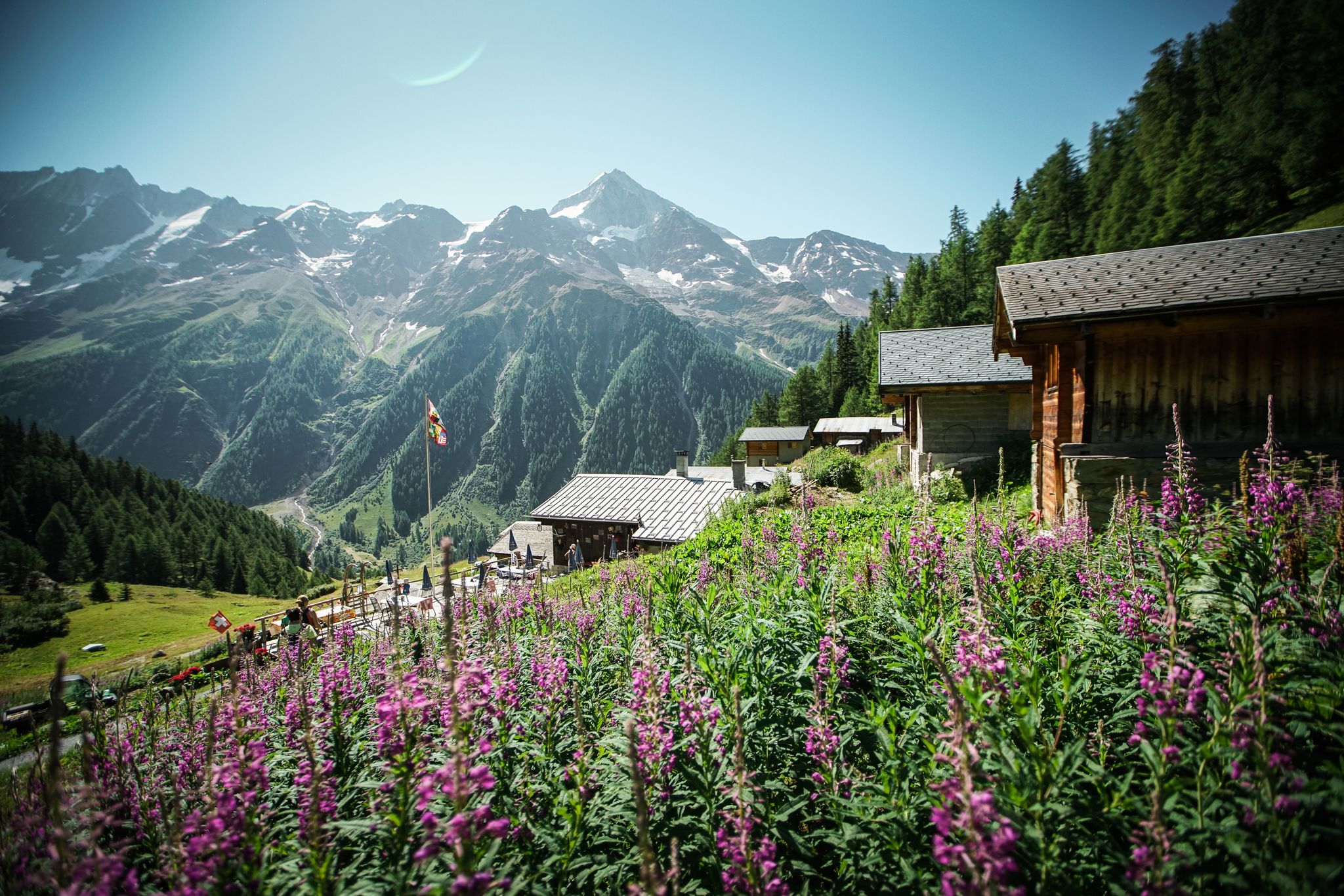
Mountain air, myths and beauty – hiking in the Lötschental
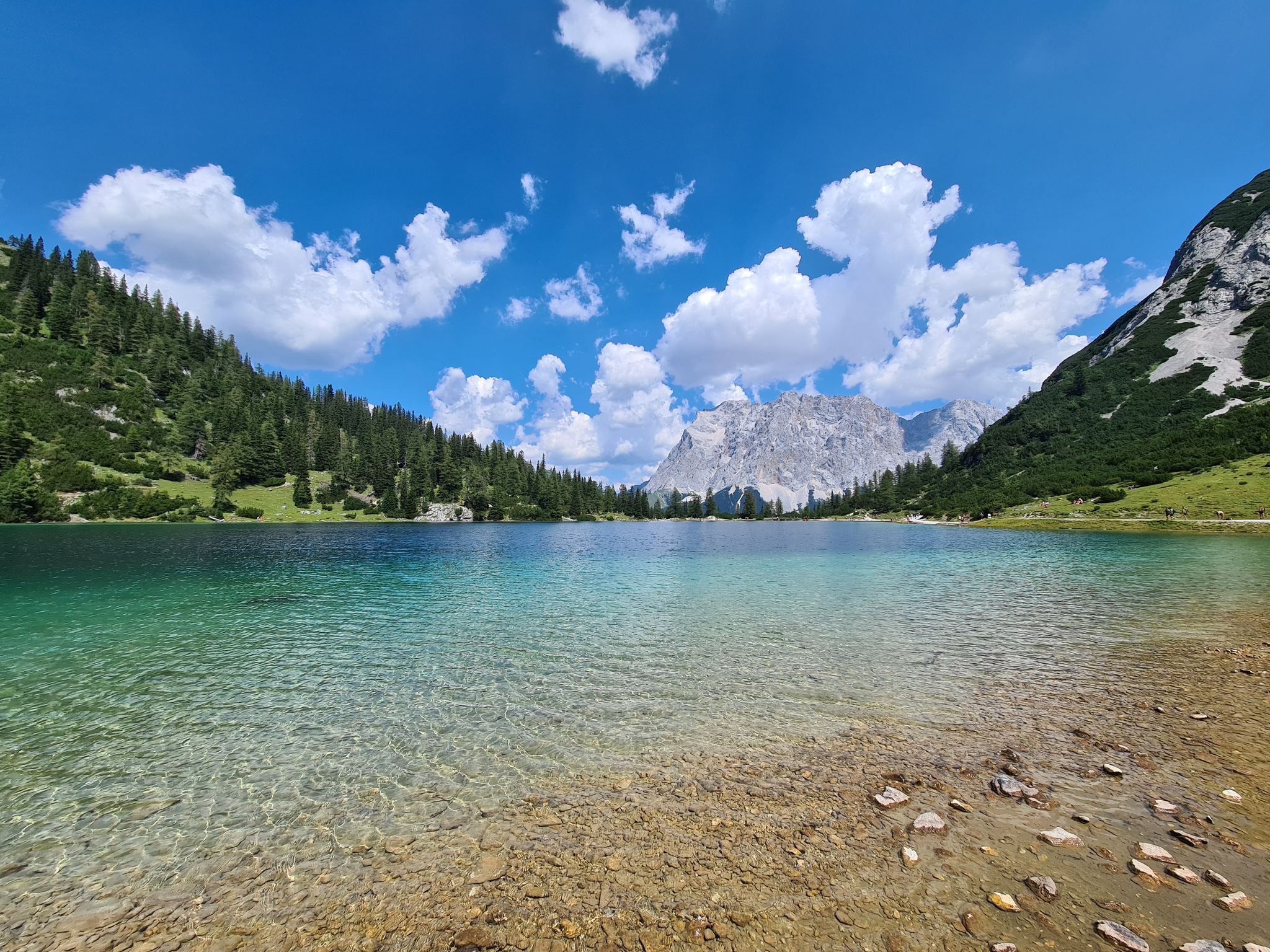
The most wonderful Alpine lakes
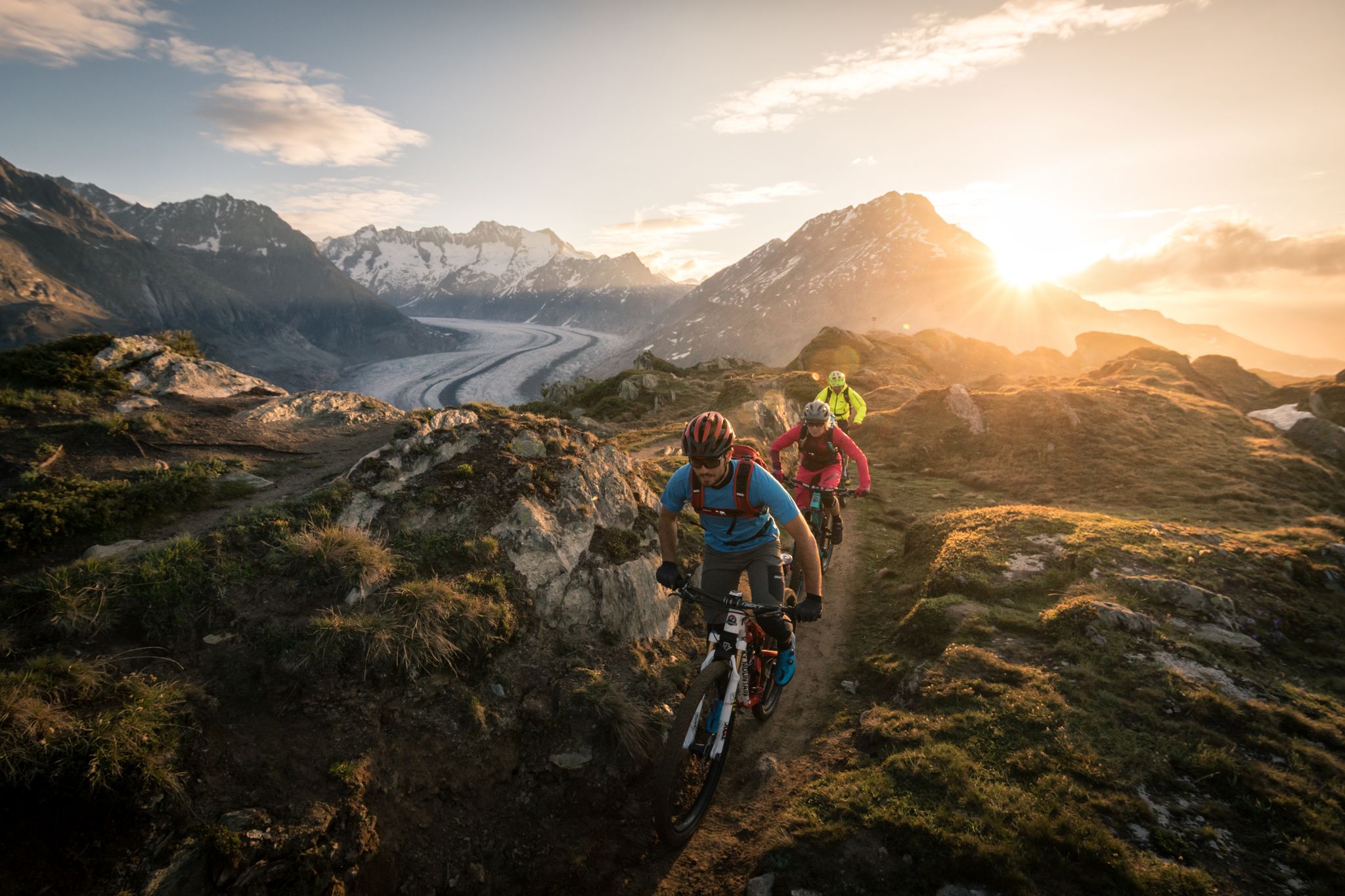
Magic from Ice and Stone – The Stoneman Glaciara
Other adventures in Alpes Suisses Jungfrau-Aletsch


Tips from the Community

Not far from the train station, this modern bridge spans the Vispa. It connects the two banks for pedestrians and cyclists, while trains of the Matterhorn-Gotthard-Bahn and SBB run immediately next to it. From here, there is a beautiful view of the milky-turquoise glacial water of the Vispa, which flows into the Rhône (also called Rotten in Upper Valais) just a few hundred meters further on. The bridge is a striking crossing between the train station, the residential areas, and the riverside paths along the Vispa.
0
0
The modern bridge over the Rotten connects the two banks of the Rhône valley and, in addition to the roadway, has a separate cycle path and footpath. From here, a wide view opens up downstream. On the left bank, the Vispa flows into the Rotten, bringing the milky-turquoise glacier water from the Mattertal and Saas valley into the largest river in Wallis. The surrounding mountains and the broad Rhône valley shape the landscape. Despite the nearby traffic and commercial facilities, this viewpoint impressively conveys the vastness of the main Wallis valley and the confluence of two important Alpine rivers.
0
0
Visp train station is one of the most important transport hubs in Valais. Here, trains from the Lötschberg and Simplon lines meet the Matterhorn Gotthard Bahn, which takes travelers on to Zermatt, Brig, or Andermatt. Since the opening of the Lötschberg Base Tunnel in 2007, the modernly designed station has gained considerable importance. Thanks to the fast connections, Visp is now the central gateway for visitors to the Mattertal, Saastal, and many other Valaisan alpine regions. For me, the station was both the starting and ending point of my multi-day stay in Valais – the journey towards Zermatt began here and ended here after unforgettable days around the Matterhorn.
0
0
West of Visp station, the Vispa flows into the Rhône, which in German-speaking Upper Valais is traditionally called the Rotten. The approximately 8.5-kilometer-long Vispa is formed in Stalden by the confluence of the Mattervispa from the Mattertal valley and the Saaservispa from the Saas valley. Both tributaries carry milky-turquoise water from the glacier-covered high mountain regions around Zermatt and Saas-Fee. After its short course through the Vispertal valley, the Vispa finally joins the significantly wider Rotten. From here, the water continues its journey through the Valais and Lake Geneva, before the Rhône flows on through France to the Mediterranean Sea. The confluence is also a beautiful viewpoint and a fitting place to say goodbye to the Valais once more after a hike through the mountain world around Zermatt. It impressively shows how the water from the Valais Alps shapes the valleys and landscapes far beyond the high mountains.
0
0

The original Martinskirche cannot be precisely dated, but old records document renovations as early as the 13th century; it is presumed that the wealthy priest Mathias Belwalder significantly advanced the construction of a new church in the 17th century and financed a considerable part of it. Even today, a stone in the wall commemorates his work.
1
0

A train station in the middle of Switzerland.
0
0


Camping Mühleye is your base in Visp if you enjoy being in a natural environment, not just for biking, but also for relaxing before or after your hike. Surrounded by native trees and shrubs, you can choose from around 200 pitches, ranging from comfort pitches (150 m², luxurious with water and sewage connections) to standard pitches (100 m², very spacious for standard furnishings) to mini-standard pitches (approx. 80 m², ideal for smaller vehicles, VW buses, and tents). On hot summer days, the large swimming pool is also a draw, where you, as a camping guest, even benefit from free entry from 6 p.m. – perfect for cooling off after a fast-paced day on the slopes around Visp. You can find more information about the campsite here: https://camping-visp.ch/.
0
0
Frequently Asked Questions
How many urban hiking trails are available in Alpes Suisses Jungfrau-Aletsch?
There are nearly 50 urban hiking trails in the Alpes Suisses Jungfrau-Aletsch region, offering a variety of experiences for different fitness levels. Most of these routes are considered easy, making them accessible for many.
Are there easy urban hikes suitable for beginners or families?
Yes, the region offers many easy urban hikes. For example, the Visp railway station loop from Baltschieder is a gentle 4.2 km route with minimal elevation gain, perfect for a relaxed stroll. Another accessible option is the Vispa River loop from Visp, which follows the river for about 4 km.
What kind of views can I expect on urban hikes in this region?
Even on urban trails, you can often enjoy views of the surrounding alpine landscape, including glimpses of the dramatic peaks that define the Alpes Suisses Jungfrau-Aletsch region. Routes like the View of Visp and Eyholz – Visperi Suone Trail near Visp loop from Visp offer perspectives over the town and into the valleys.
Are there any circular urban hiking routes?
Yes, many urban hikes in the region are designed as circular routes, allowing you to start and end in the same location. Examples include the Obere Bahnhofstrasse – Visp railway station loop from Baltschieder and the Visp railway station – Obere Bahnhofstrasse loop from Visp, both offering convenient round trips.
What is the best time of year for urban hiking in Alpes Suisses Jungfrau-Aletsch?
Urban hiking in Alpes Suisses Jungfrau-Aletsch is generally pleasant from spring through autumn, when the weather is milder and trails are clear. However, some urban paths may also be accessible in winter, offering a different, often quieter, experience of the towns and their surroundings.
Are urban trails in Alpes Suisses Jungfrau-Aletsch dog-friendly?
Many urban trails in the region are dog-friendly, allowing you to enjoy a walk with your canine companion. It's always recommended to keep dogs on a leash, especially in populated areas or near wildlife, and to respect local regulations regarding pets.
What do other hikers enjoy most about urban hiking in Alpes Suisses Jungfrau-Aletsch?
The komoot community highly rates the hiking experiences here, with an average score of 4.7 stars. Reviewers often praise the accessibility of the trails, the charming townscapes, and the unexpected views of the majestic alpine scenery that can be found even on urban routes.
How accessible are the urban trailheads by public transport?
The Alpes Suisses Jungfrau-Aletsch region benefits from excellent public transport connections. Many urban trailheads are easily accessible by train or bus, making it convenient to start your hike without needing a car. Towns like Visp, for instance, are well-served by railway stations.
Are there any specific landmarks or points of interest to look out for on urban hikes?
While urban hikes focus on the towns and their immediate surroundings, you might encounter historical buildings, local markets, or charming squares. From many urban vantage points, you can also appreciate the grandeur of the UNESCO World Heritage Site, including distant views of iconic peaks like the Eiger, Mönch, and Jungfrau.
What should I wear for urban hiking in this region?
For urban hiking, comfortable walking shoes are essential. Layered clothing is advisable to adapt to changing weather conditions, even in town. A light rain jacket is always a good idea, and don't forget sun protection, as the alpine sun can be strong.
Are there cafes or places to eat near urban hiking trails?
Yes, urban hiking trails often pass through or near town centers, providing easy access to cafes, restaurants, and shops where you can refuel or enjoy a local treat. This makes urban hikes a great option for combining outdoor activity with culinary experiences.
Most popular routes in Alpes Suisses Jungfrau-Aletsch
Most popular attractions in Alpes Suisses Jungfrau-Aletsch

Get inspired with the komoot mobile app


Explore more
Browse the best Hikes in other regions.
