Attractions and Places To See around Parco regionale Vena del Gesso Romagnola - Top 20
Best attractions and places to see around Parco regionale Vena del Gesso Romagnola is a UNESCO World Heritage site since 2023. This region is defined by the 25-kilometer-long Vena del Gesso (Gypsum Vein), Europe's largest chain of selenitic gypsum, characterized by numerous caves, sinkholes, and gullies. The park's terrain includes dramatic badlands (Calanchi) and peaks like Monte Mauro, offering panoramic views. Cultural sites such as the historic village of Brisighella and the medieval fortress in Riolo Terme complement the natural landscape.
Best attractions and places to see around Parco regionale Vena del Gesso Romagnola
- The most popular attractions is Ca' Carnè Refuge, a hut that serves as a visitor center for the park and offers accommodation and dining. It is a starting point for various hiking and mountain biking trails, and organizes guided speleological visits.
- Another must-see spot is Manfredian Fortress (Brisighella), a castle built in 1310 by the Manfredi, lords of Faenza, standing on one of the three chalky pinnacles dominating the village. This medieval fortress retains its original characteristics, including drawbridge holes, machicolations, and walkways, and offers views over Brisighella.
- Visitors also love Sanctuary of Our Lady of Monticino, a religious building constructed in 1758-59 on the third hill of Brisighella. It houses a sacred terracotta image of the Madonna and Child dating back to 1626, and features frescoes by Savino Lega.
- Parco regionale Vena del Gesso Romagnola is known for its unique geological features, historical sites, and natural viewpoints. Visitors can explore karstic landscapes, medieval fortresses, and charming villages.
- The attractions around Parco regionale Vena del Gesso Romagnola are appreciated by the komoot community, with 57 highlights, 38 photos, and 146 upvotes.
Last updated: October 23, 2026
Ca' Carnè Refuge
Highlight • Mountain Hut
Translated by Google •
Tip by

Santerno Cycle Path Ford at La Casa del Fiume
Highlight • Structure
Translated by Google •
Tip by

Sign up now to discover places like this
Get recommendations on the best single tracks, peaks, & plenty of other exciting outdoor places.
Sanctuary of Our Lady of Monticino
Highlight • Religious Site
Source Wikipedia
Translated by Google •
Tip by

Brisighella Historic Center and Fortress
Highlight • Historical Site
It also boasts important certifications such as "Slow City" and "City of Oil and Wine".
The high level of tourist services and the tranquility of the places, which mix with history, food and wine specialties and numerous artistic and cultural initiatives, make it an ideal place for a stay dedicated to self-care and the rediscovery of lost emotions. .
For more information: emiliaromagnaturismo.it/it/localita/brisighella
Translated by Google •
Tip by
Crivellari di Gesso Village
Highlight • Settlement
The village of Crivellari is mentioned for the first time in notarial documents of 1251 with the name De Crevelariis. Then mentioned in 1419 as li Crivilari, in 1491 as de Crovellariis, in 1495 as Villa de Govellaris, in 1509 as fundus Crovellariorum.
The buildings have always been built almost exclusively in plaster and local flint.
The Crivellari therefore constitute a very rare testimony of a town built "on plaster and with plaster".
Unfortunately, the progressive abandonment of the village has led to the collapse of most of the buildings with their very original architectural structure. However, there are some recent restorations carried out by private individuals on some buildings, now used as "second homes".
Translated by Google •
Tip by

Sign up for free to discover even more attractions around Parco regionale Vena del Gesso Romagnola.
Already have an account?
Start today with a free account
Your next adventure awaits.
Popular around Parco regionale Vena del Gesso Romagnola
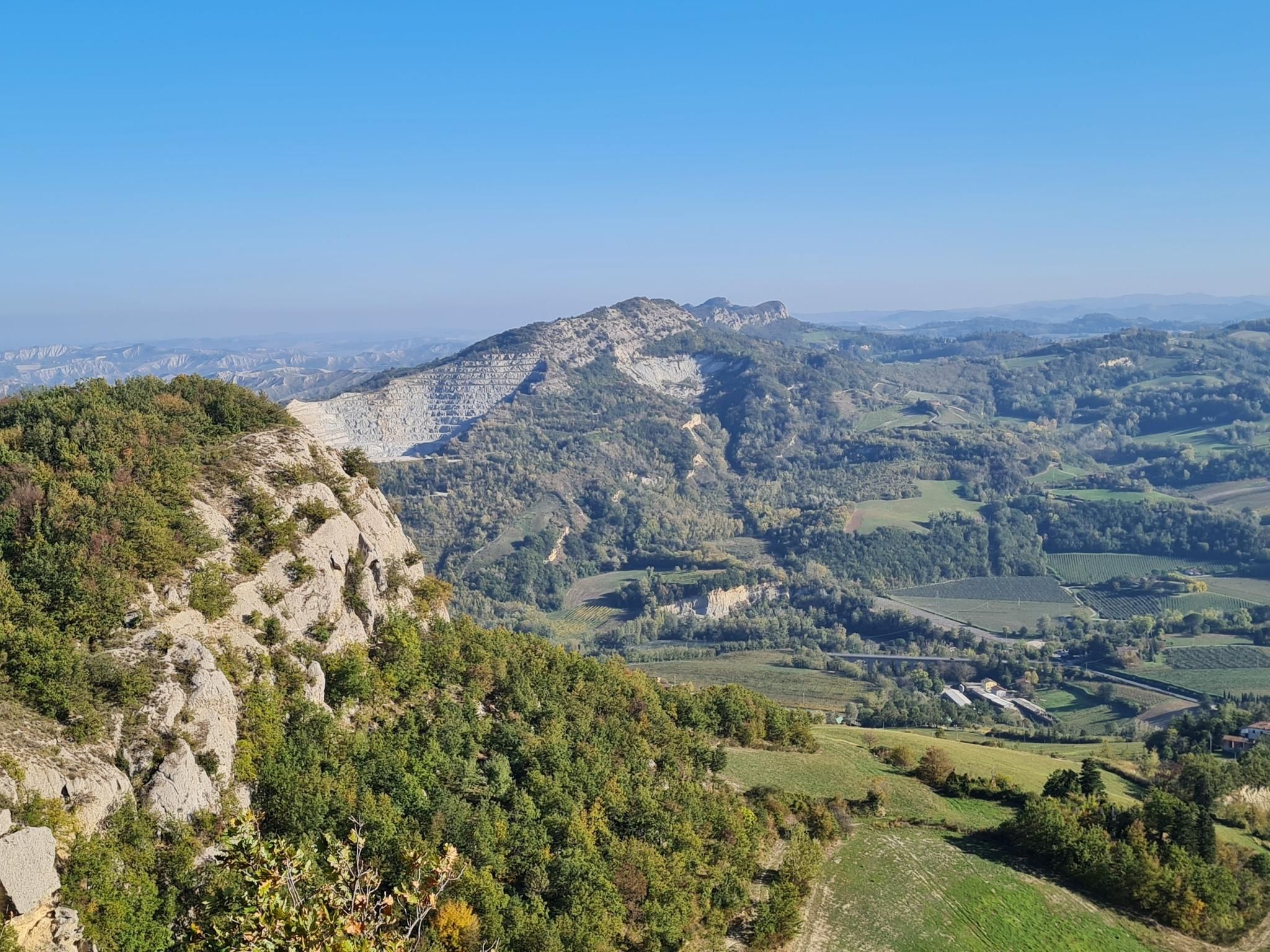
Lake Brasimone to Marradi – Alta Via dei Parchi (part 3)
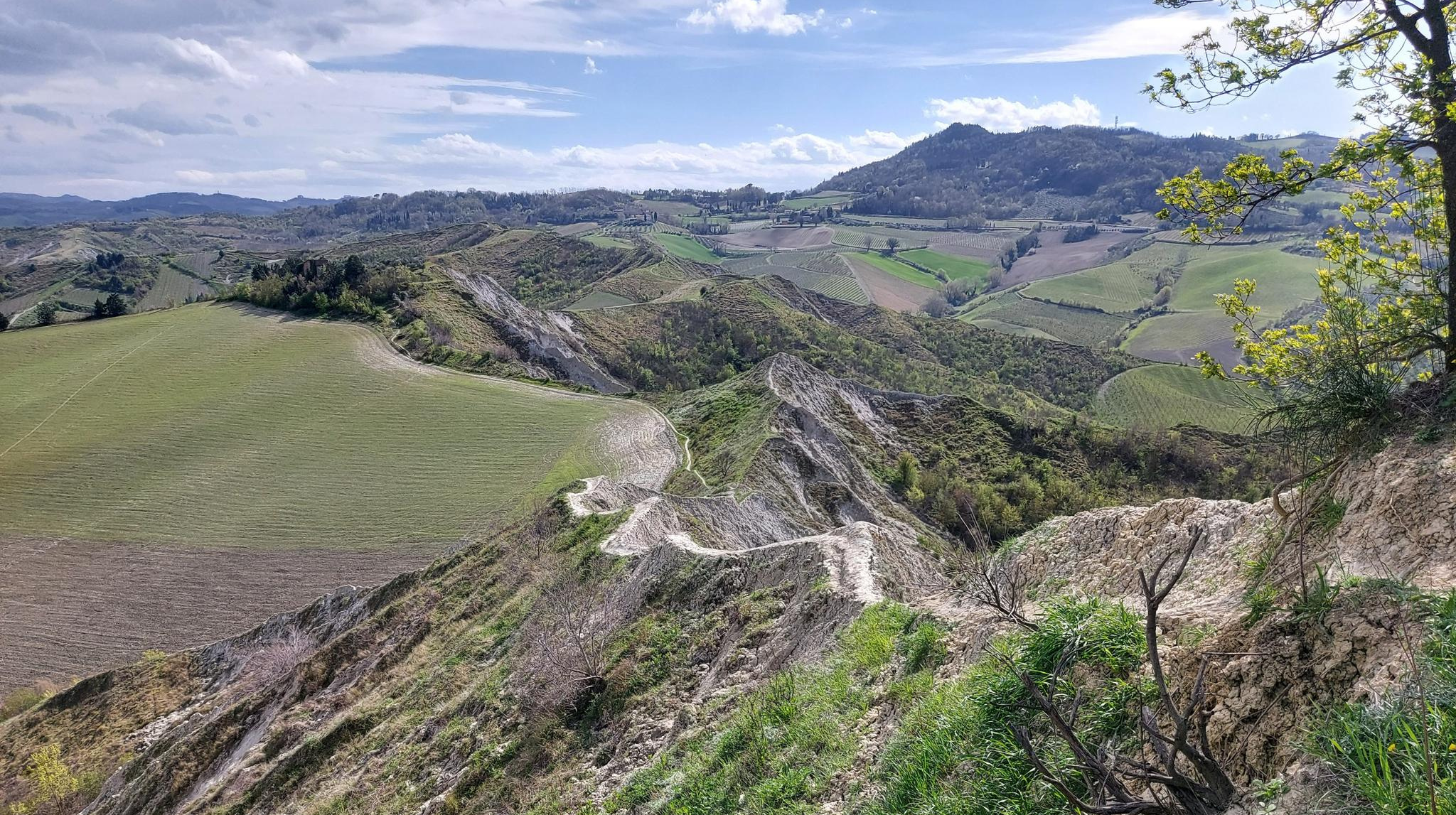
Walk from Bologna to Faenza – Via dei Gessi e dei Calanchi
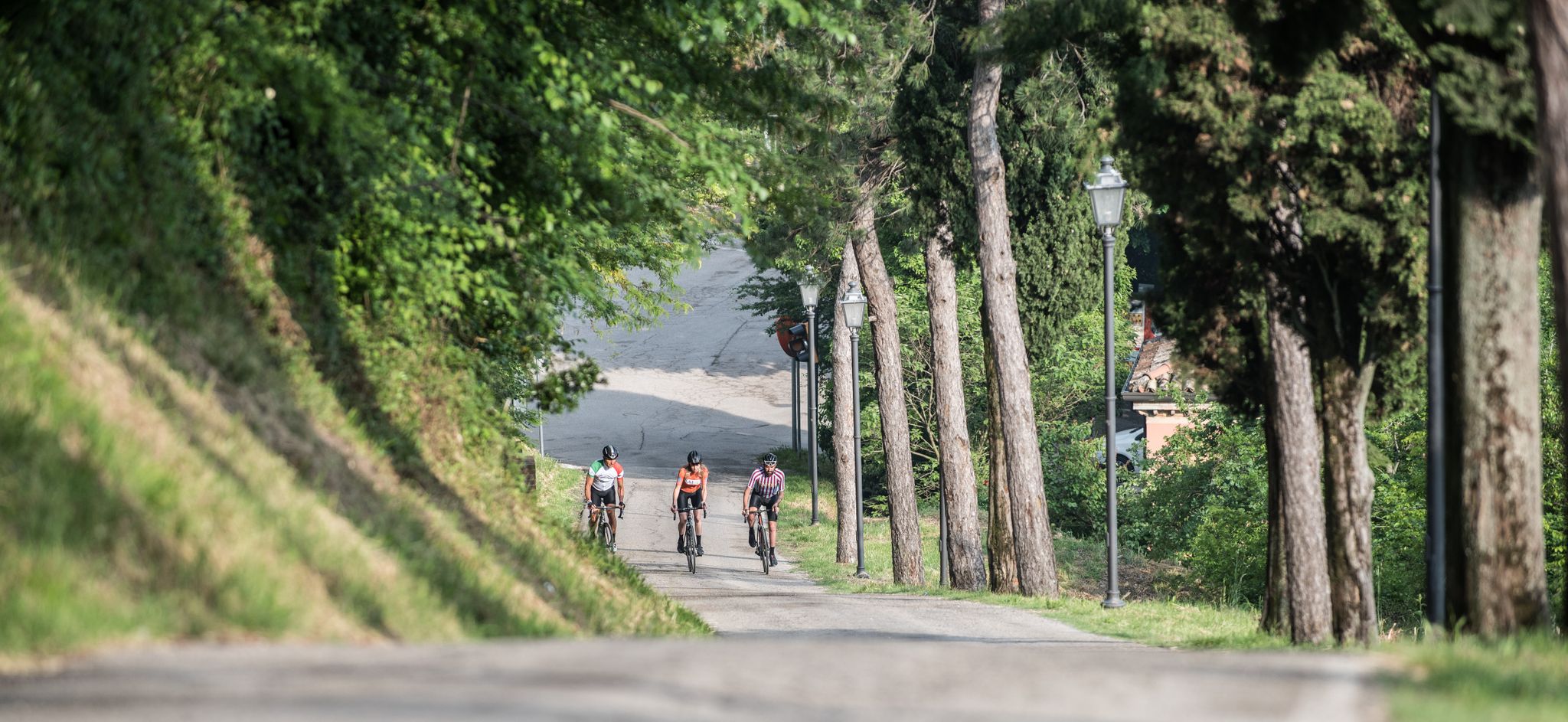
Enjoyment, culture and nature – cycling Tours in Italy’s Emilia Romagna region
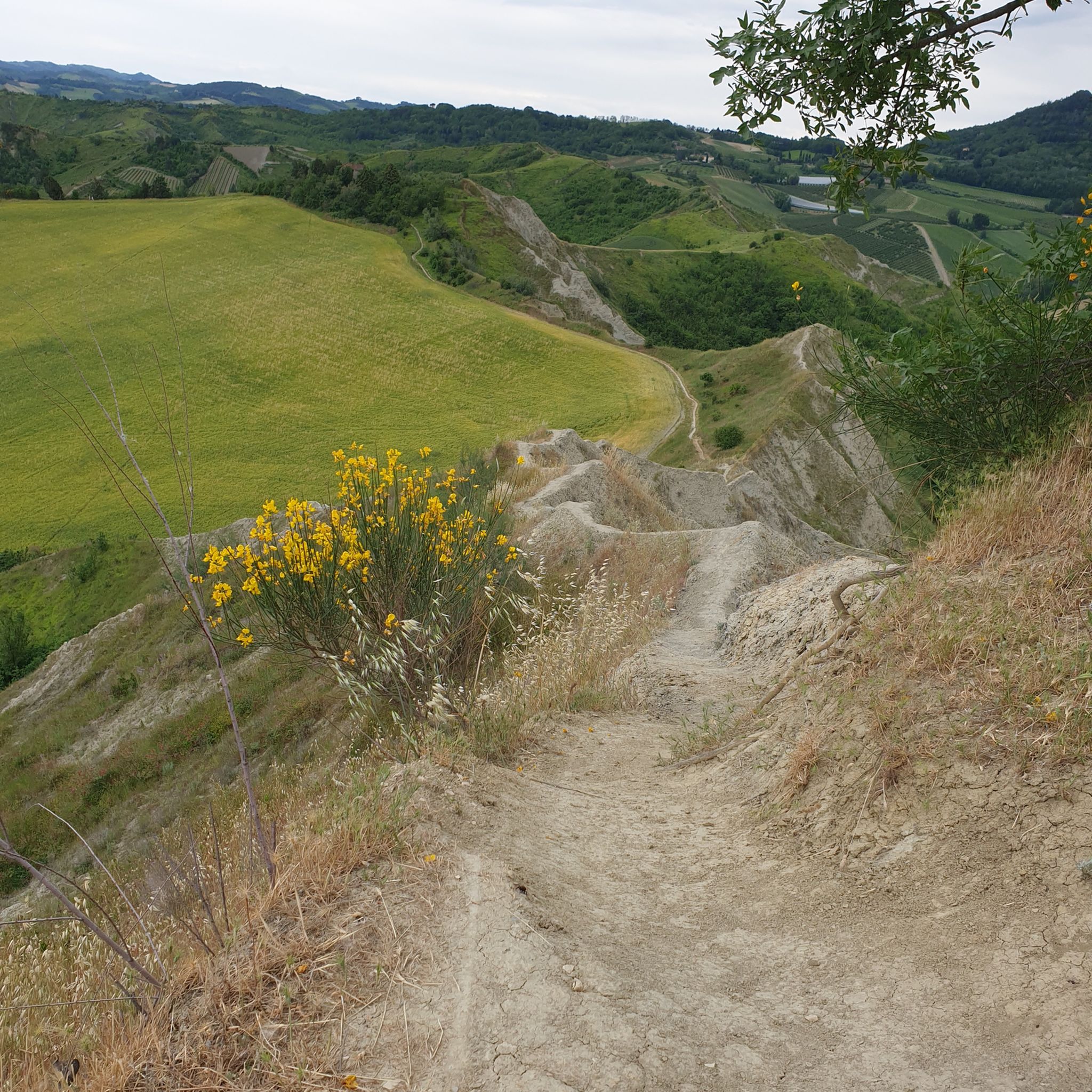
Hiking around Parco regionale Vena del Gesso Romagnola
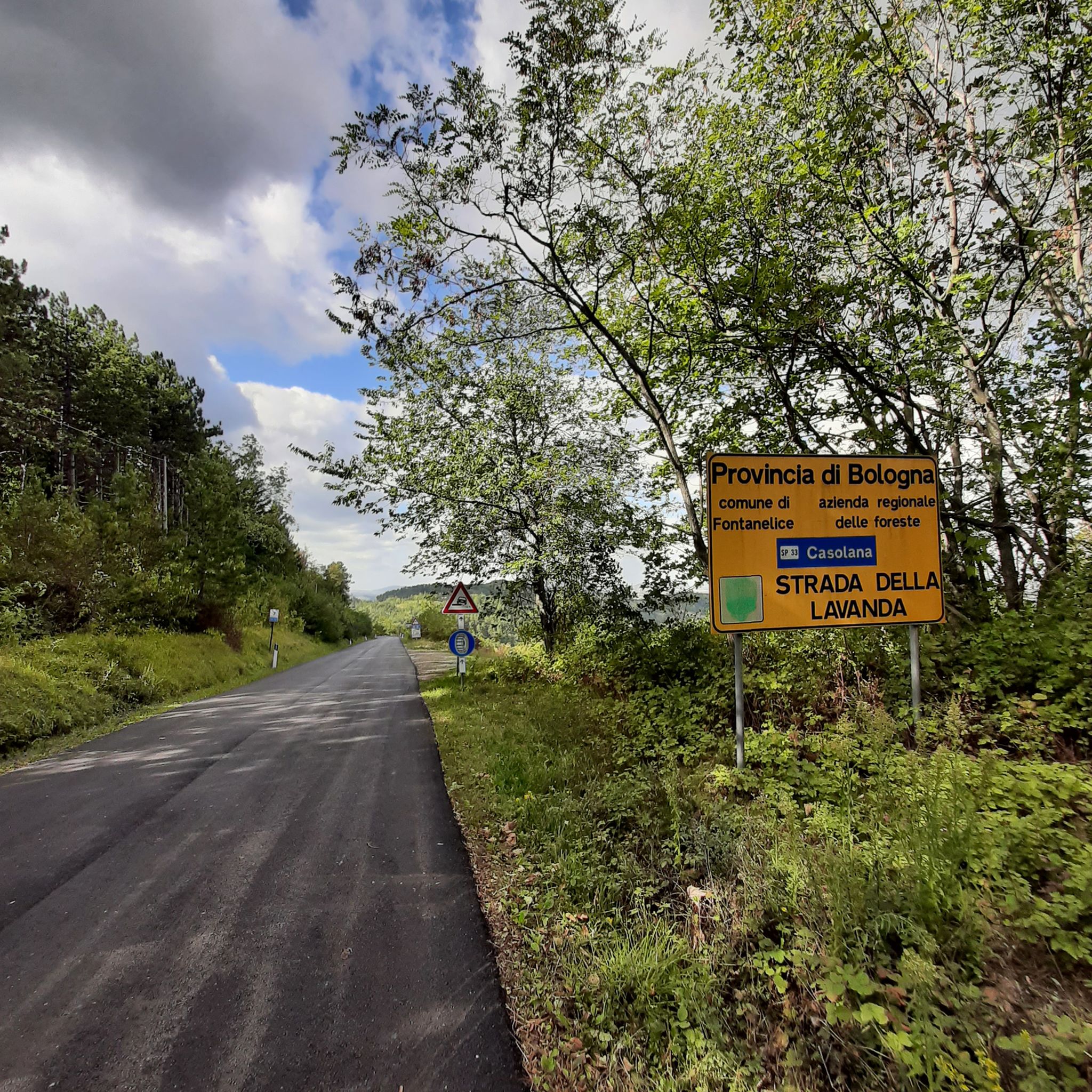
Road Cycling Routes around Parco regionale Vena del Gesso Romagnola
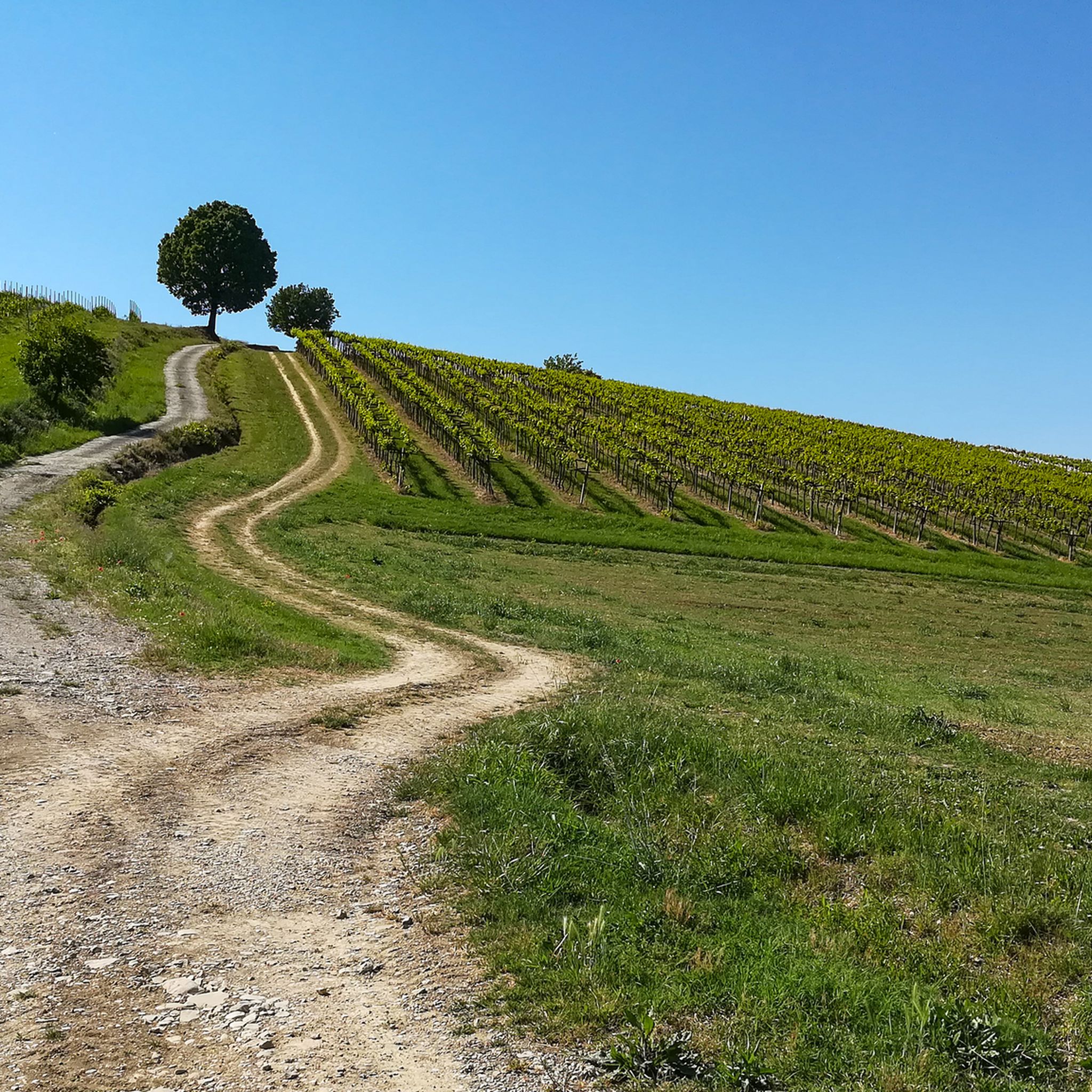
Cycling around Parco regionale Vena del Gesso Romagnola
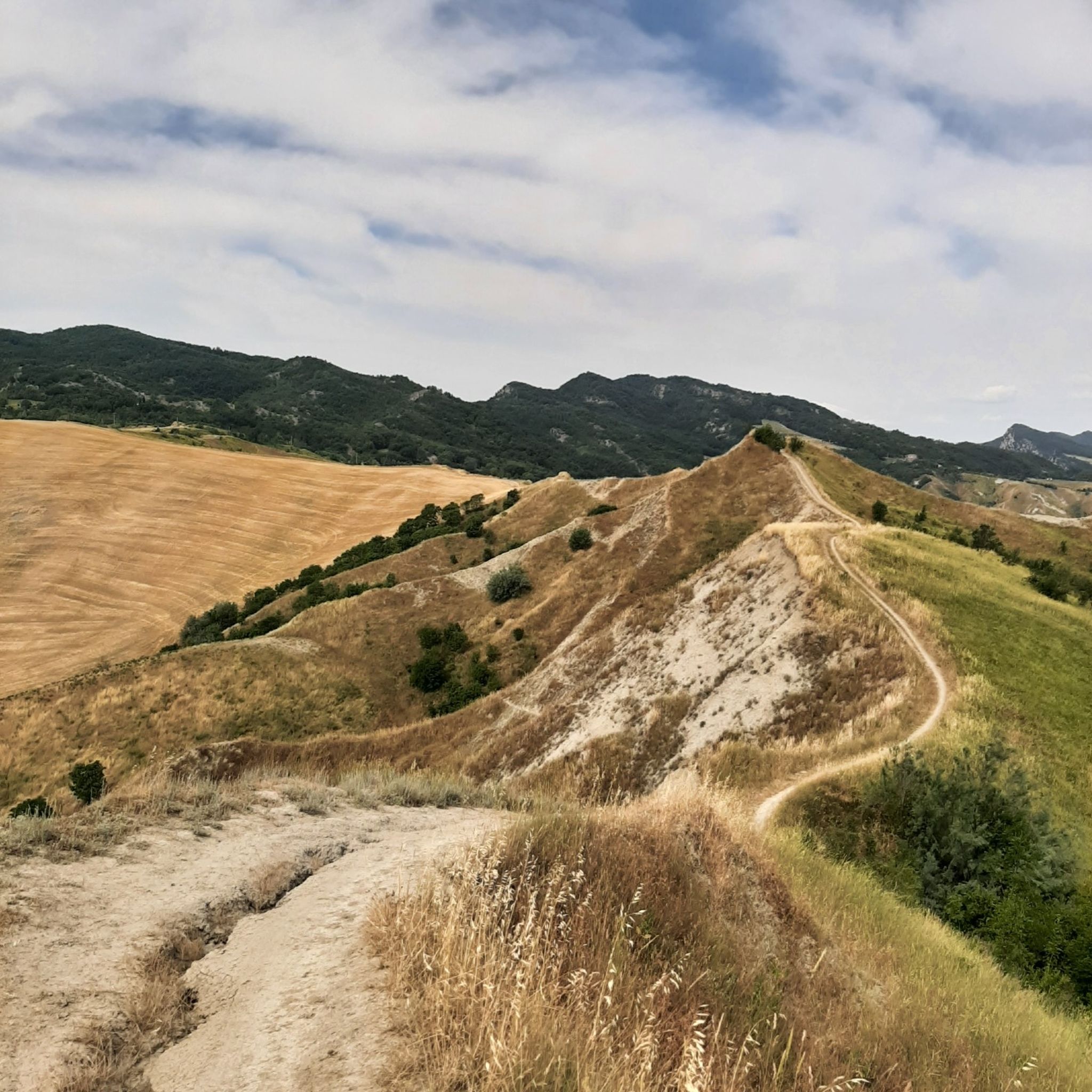
MTB Trails around Parco regionale Vena del Gesso Romagnola
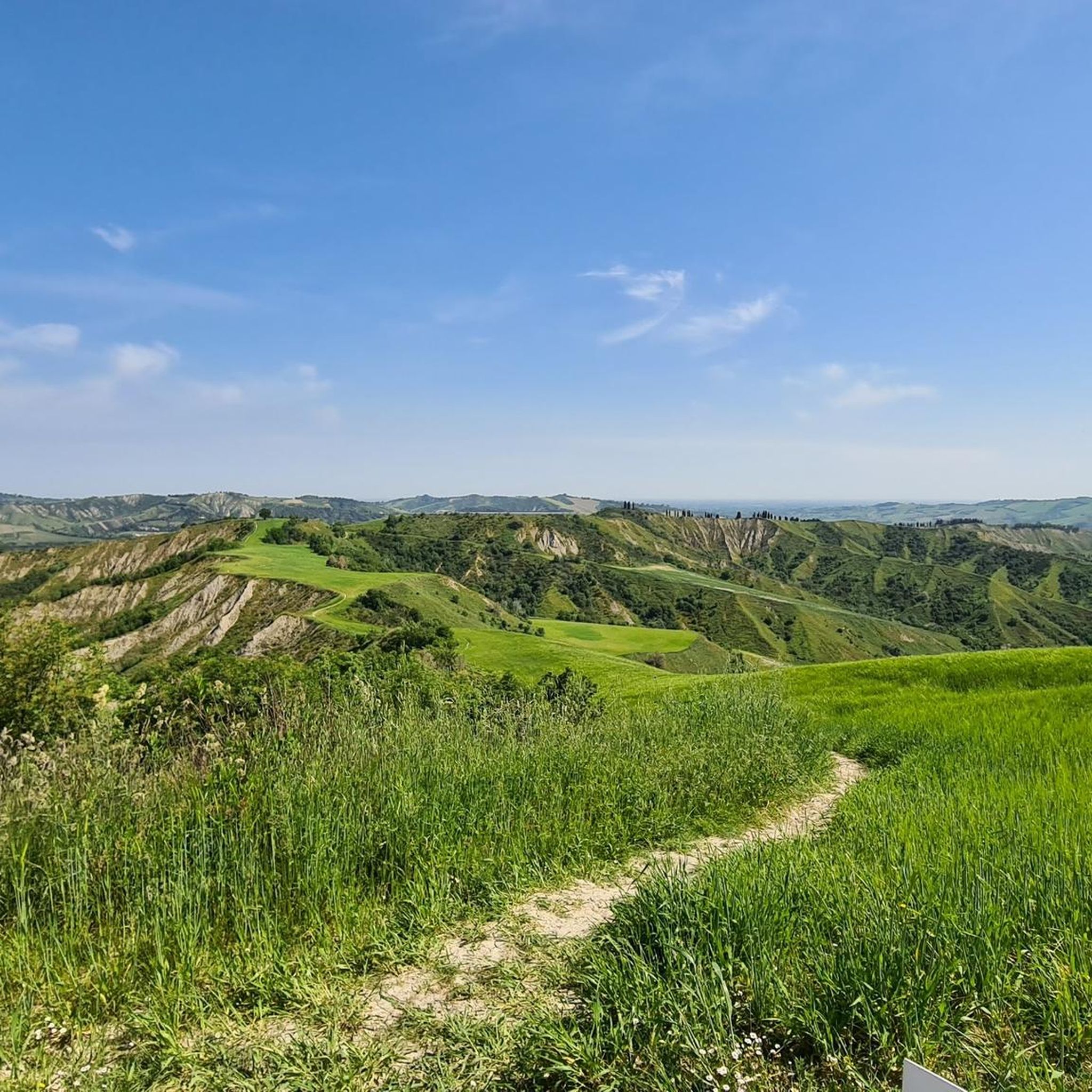
Running Trails around Parco regionale Vena del Gesso Romagnola
Gravel biking around Parco regionale Vena del Gesso Romagnola
Other adventures around Parco regionale Vena del Gesso Romagnola


Tips from the Community

Classified as one of the most beautiful villages in Italy, famous for its three hills, each featuring a clock tower, the fortress, and the Monticino church.
0
0

Medieval village in the heart of the Apennines, among the most beautiful villages in Italy
0
0

July 2024: the ford is impassable due to a landslide on the road on the Borgo Tossignano side.
0
0

The Cà Carnè refuge and visitor center offers the opportunity to eat and stay in the greenery of the Tuscan-Romagnolo Apennines. Furthermore, it is an ideal place for those who want to spend their free time in contact with nature: there are many possibilities here, including trekking, mountain bike trails and horseback riding. The Cà Carnè refuge is surrounded by the greenery of the Vena del Gesso Romagnola regional park. Guided speleological visits are also organised: to find out more visit the website http://www.rifugiocacarne.altervista.org/visite-speleological.html.
3
1

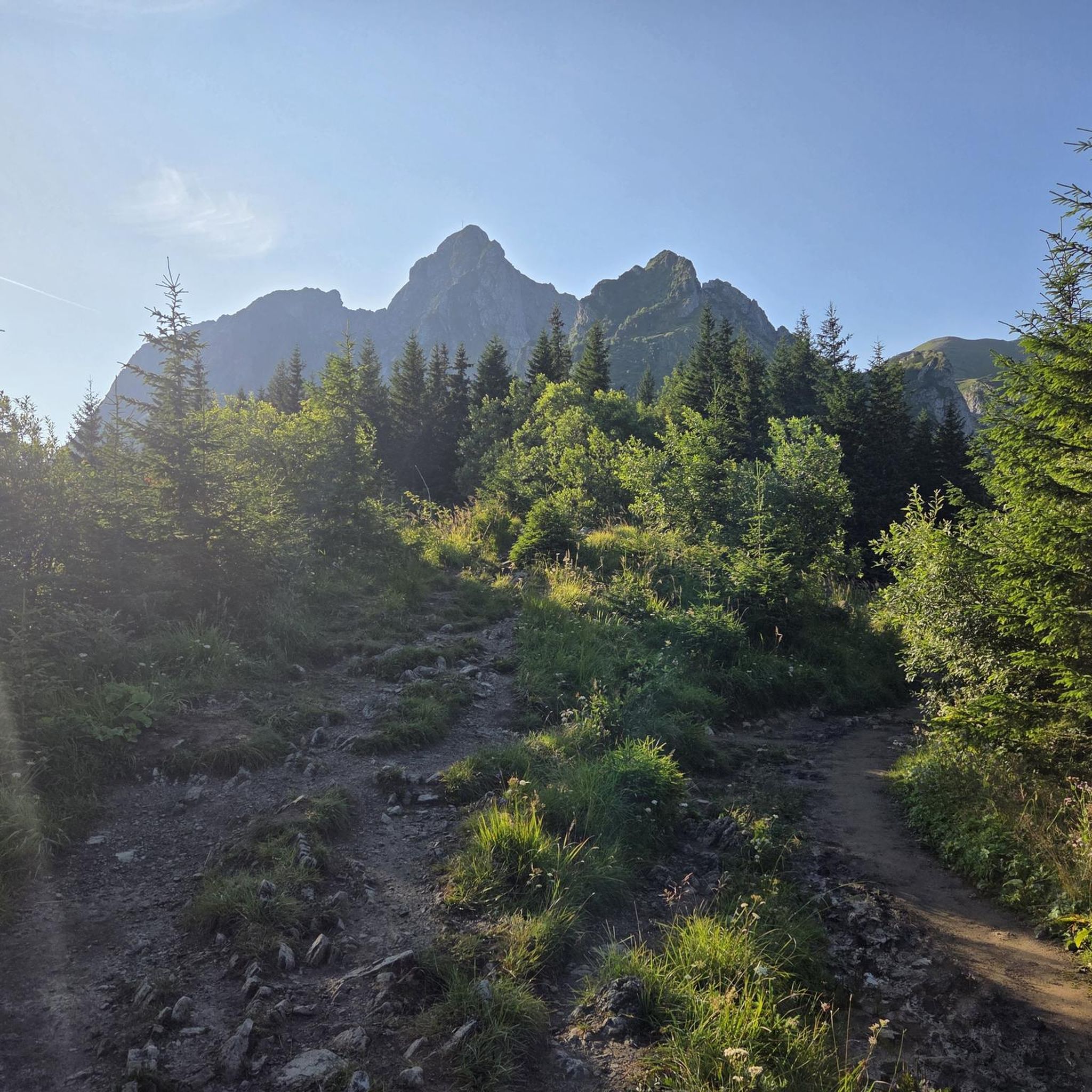
Brisighella mountain peak
0
1

I would like to point out that at the moment the cycle path is only passable from Imola to Borgo Tossignano due to the flood. Even the ford is unusable.
2
0

Very characteristic village with a Restyling imprint .... a free library and a very suggestive musical cave.
1
0

From the Latin "cribellarius" (cribrum = screen, sieve, sieve) and from the Romagna "karvèl", sieve. Or as garavela (harvest) from the old German "Garba" (sheaf). The village of Crivellari is mentioned for the first time in notarial documents of 1251 with the name De Crevelariis. Then mentioned in 1419 as li Crivilari, in 1491 as de Crovellariis, in 1495 as Villa de Govellaris, in 1509 as fundus Crovellariorum. The buildings have always been built almost exclusively in plaster and local flint. The Crivellari therefore constitute a very rare testimony of a town built "on plaster and with plaster". Unfortunately, the progressive abandonment of the village has led to the collapse of most of the buildings with their very original architectural structure. However, there are some recent restorations carried out by private individuals on some buildings, now used as "second homes".
2
0
Frequently Asked Questions
What unique geological features can I explore in Parco regionale Vena del Gesso Romagnola?
The park is famous for its unique geology, primarily the Vena del Gesso (Gypsum Vein), a 25-kilometer-long ridge of luminous gypsum rock, which is Europe's largest. This soluble gypsum has created a fascinating karstic landscape with numerous caves, sinkholes like 'Catino di Pilato' and 'Abisso Faenza', and gullies. You can also witness dramatic Calanchi (Badlands), steep gullies carved by erosion, and enjoy panoramic views from gypsum crests and peaks like Monte Mauro.
Are there any historical or cultural sites to visit within the park or nearby?
Yes, the region is rich in history. You can explore Brisighella, voted one of Italy's most beautiful villages, with its charming stone alleyways and medieval staircases. Don't miss the Manfredian Fortress (Brisighella), a 14th-century castle offering historical insights and views. The Sanctuary of Our Lady of Monticino is another significant religious and historical site. Additionally, the park contains recently discovered Roman caves used for *Lapis Specularis* extraction, and the unique Crivellari di Gesso Village, built almost entirely from local gypsum and flint.
What kind of hiking trails are available in Parco regionale Vena del Gesso Romagnola?
The park offers a wide range of hiking and trekking trails suitable for various experience levels. You can explore karstic phenomena, gypsum quarries, and diverse flora and fauna. Popular options include the 'Carnè ring trail,' 'Abyss Trail,' and 'Crystals Trail.' For more detailed routes and options, you can check out the Running Trails around Parco regionale Vena del Gesso Romagnola guide, which includes routes like the 'Monte Pilato loop from Brisighella'.
Can I go cycling or mountain biking in the area?
Absolutely! The park is excellent for cycling and mountain biking, with breathtaking routes that showcase the wild beauty of northern Italy. You'll find options for all types of mountain biking. For specific routes, refer to the MTB Trails around Parco regionale Vena del Gesso Romagnola and Road Cycling Routes around Parco regionale Vena del Gesso Romagnola guides. The Santerno Cycle Path Ford at La Casa del Fiume is also a notable point for cyclists.
Are there any family-friendly activities or attractions?
The park offers several family-friendly options. The Ca' Carnè Refuge serves as a visitor center with accommodation and dining, and is a starting point for various trails suitable for families. The refuge also houses a naturalistic museum. Exploring charming villages like Brisighella can also be an enjoyable family outing. Many trails are suitable for different fitness levels, making it possible to find walks appropriate for children.
What is the best time of year to visit Parco regionale Vena del Gesso Romagnola?
The park is beautiful year-round, but spring and autumn are often considered ideal. In spring, the landscape, especially the Calanchi, turns a vibrant yellow when broom flowers, and the weather is pleasant for outdoor activities. Autumn offers mild temperatures and stunning fall foliage. Summer can be warm, but it's a great time for exploring caves and enjoying longer daylight hours. Winter provides a quieter experience, though some trails might be more challenging.
Where can I find visitor information and services within the park?
The Ca' Carnè Refuge in Brisighella functions as a key visitor center, offering accommodation, dining, and serving as a starting point for various trails. It also organizes guided speleological visits. Another important visitor center is the 'Casa del Fiume' in Borgo Tossignano, which provides further information and services for exploring the park.
Can I explore the park's cave systems?
Yes, the park's extensive karstic landscape includes numerous cave systems. Guided speleological visits are organized for those interested in exploring these unique underground formations. You can inquire about these tours at the Ca' Carnè Refuge, which is a hub for such activities.
Are there good viewpoints for panoramic scenery?
Absolutely. The park offers spectacular panoramic views. Monte Mauro, as the highest peak, provides sweeping vistas of the gypsum ridge and surrounding landscape. Other gypsum crests and various hiking trails, such as those around Monte Albano, Monte del Ballo, and Monte Frassineto, also offer stunning perspectives of the white cliffs and green meadows. The Manfredian Fortress (Brisighella) and Sanctuary of Our Lady of Monticino also provide excellent views over Brisighella and the valley.
What makes the Vena del Gesso Romagnola a UNESCO World Heritage site?
The Parco regionale Vena del Gesso Romagnola was designated a UNESCO World Heritage site in 2023 due to its exceptional geological significance. It features the largest and best-preserved gypsum outcrop in Europe, showcasing a remarkable karstic landscape with extensive cave systems, sinkholes, and unique geological formations like the selenitic gypsum, often called 'moonstone' for its reflective properties. This area provides an outstanding example of ongoing geological processes.
What other outdoor activities are popular in the park besides hiking and cycling?
Beyond hiking and cycling, the park is also a popular destination for horseback riding, offering another immersive way to explore its natural beauty. The diverse terrain and extensive network of trails make it ideal for various forms of outdoor exploration.
Most popular routes around Parco regionale Vena del Gesso Romagnola
Most popular attractions around Parco regionale Vena del Gesso Romagnola

Get inspired with the komoot mobile app


Explore more
Still not found the Highlight you’re looking for? See guides of the top attractions in other regions:
