Attractions and Places To See around Contrafforte Pliocenico - Top 20
Best attractions and places to see around Contrafforte Pliocenico, a natural reserve near Bologna, include significant geological features and diverse ecosystems. The area is characterized by rocky outcrops of Pliocene sandstone, forming an open-air geological museum. These formations, sculpted over millions of years, contribute to scenic landscapes. The reserve is a destination for nature enthusiasts and hikers, offering a variety of natural and historical points of interest.
Best attractions and places to see around Contrafforte Pliocenico
- The most popular attractions…
Last updated: July 7, 2026
Monte Adone summit
Highlight • Summit
Translated by Google •
Tip by

Monte Adone Center for the Protection and Research of Exotic and Wild Fauna
Highlight • Structure
Translated by Google •
Tip by

Sign up now to discover places like this
Get recommendations on the best single tracks, peaks, & plenty of other exciting outdoor places.
Sign up for free
Sanctuary of Santa Maria di Zena (Monte delle Formiche)
Highlight • Religious Site
Translated by Google •
Tip by

Church of St. Michael Archangel of Badolo
Highlight • Religious Site
Tip by

Contrafforte Pliocenico Nature Reserve
Highlight • Natural Monument
Translated by Google •
Tip by

Sign up for free to discover even more attractions around Contrafforte Pliocenico.
Sign up for free
Already have an account?
Start today with a free account
Your next adventure awaits.
Login or Signup
Popular around Contrafforte Pliocenico
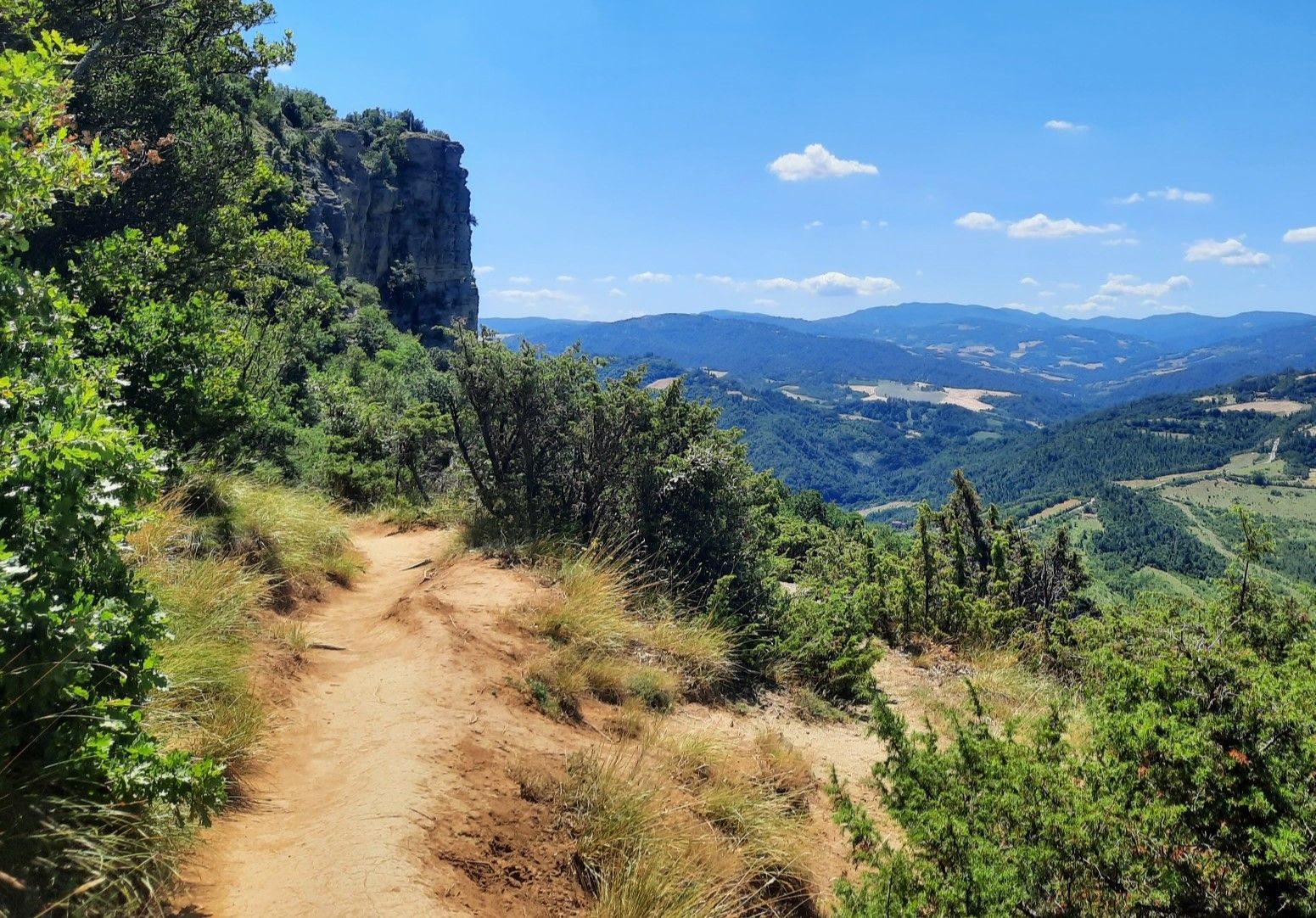
Bologna to Florence through the Apennines — the Via degli Dei
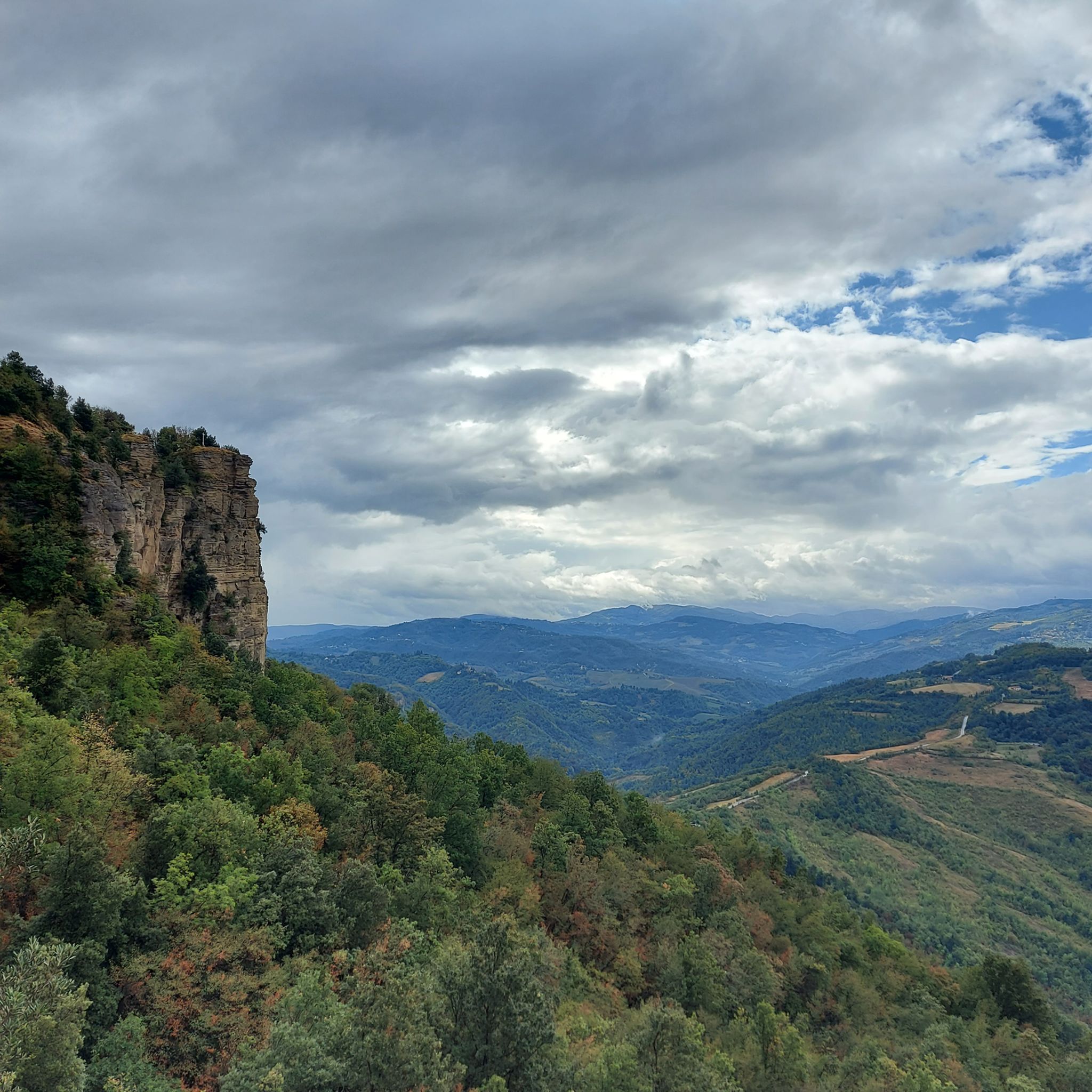
Hiking around Contrafforte Pliocenico
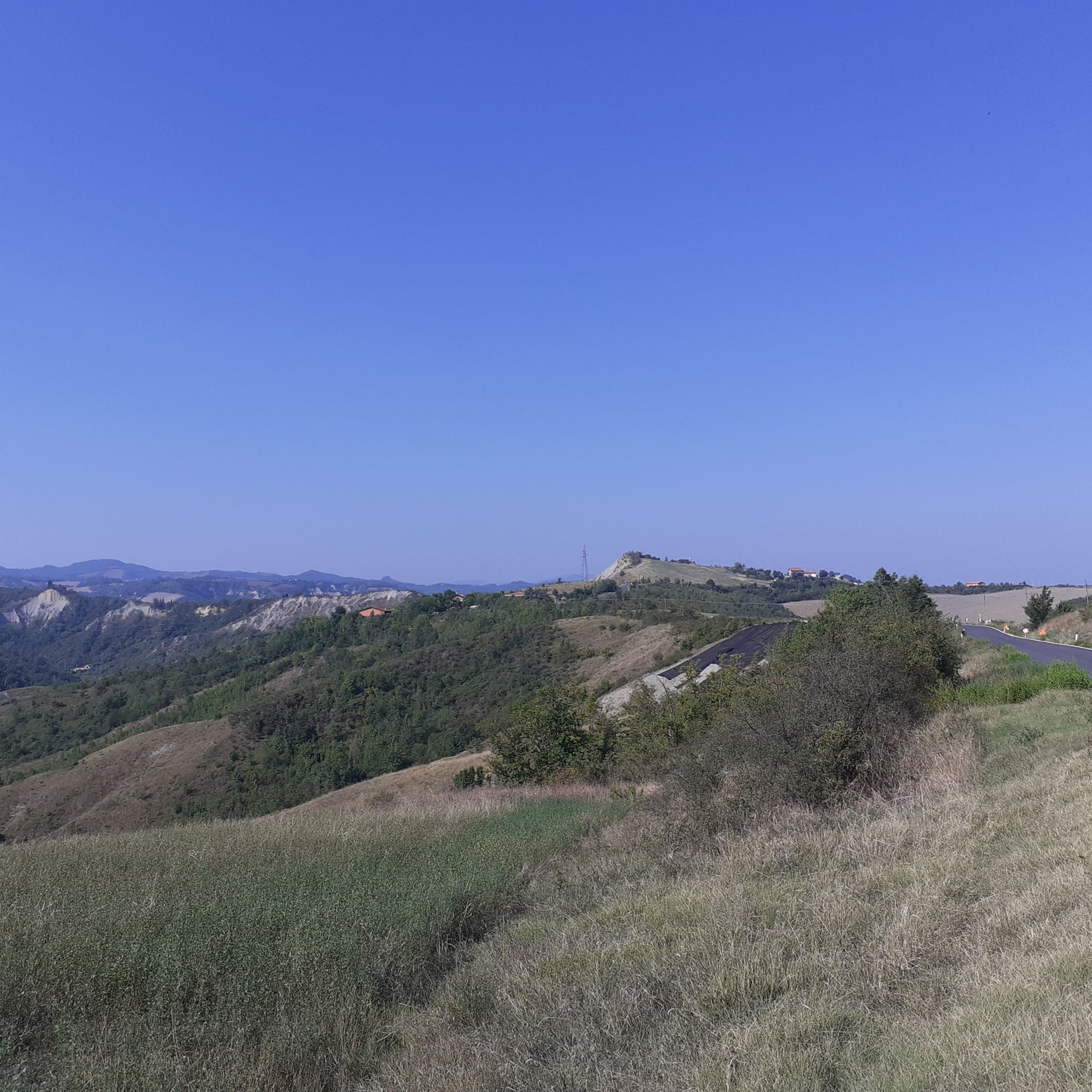
Road Cycling Routes around Contrafforte Pliocenico
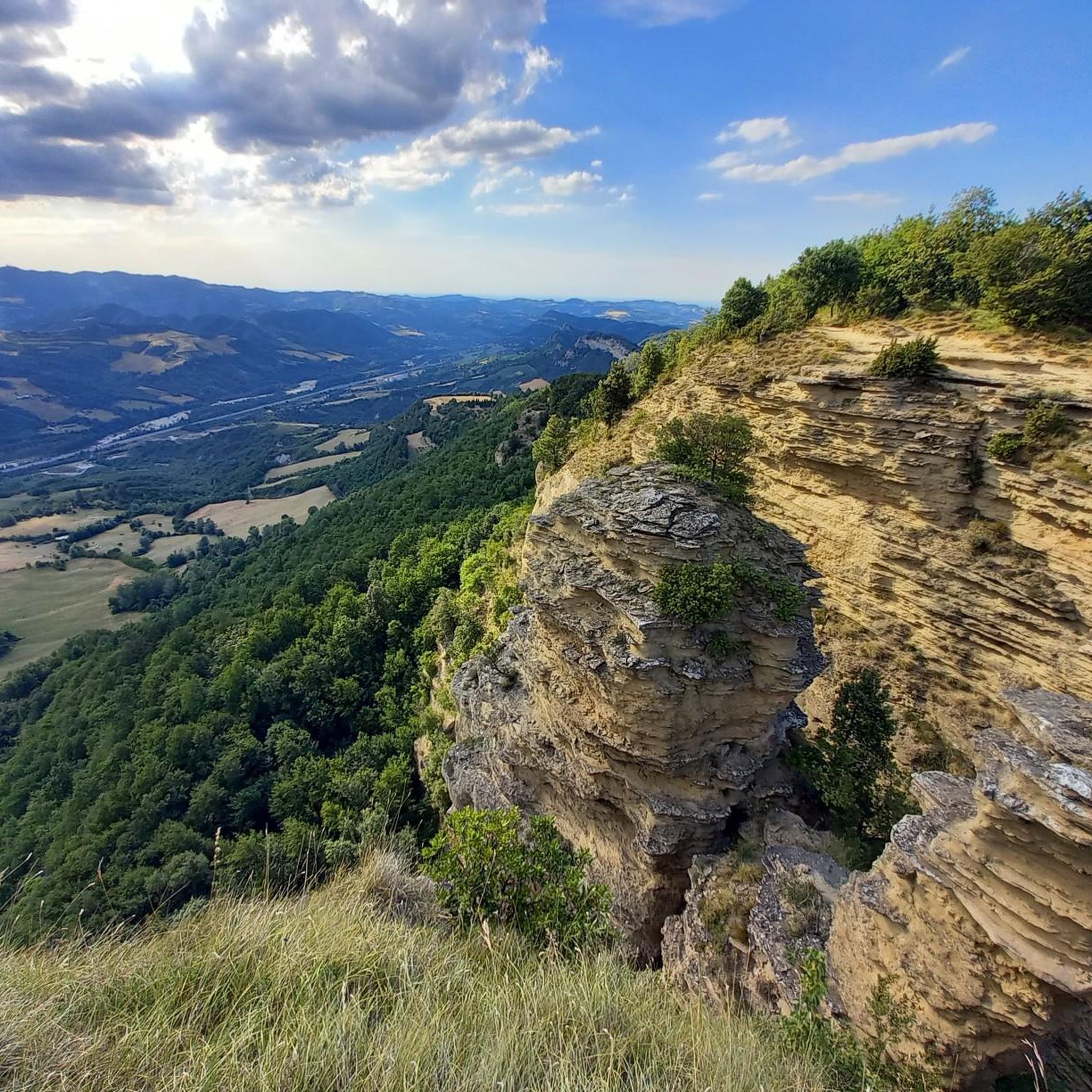
Running Trails around Contrafforte Pliocenico
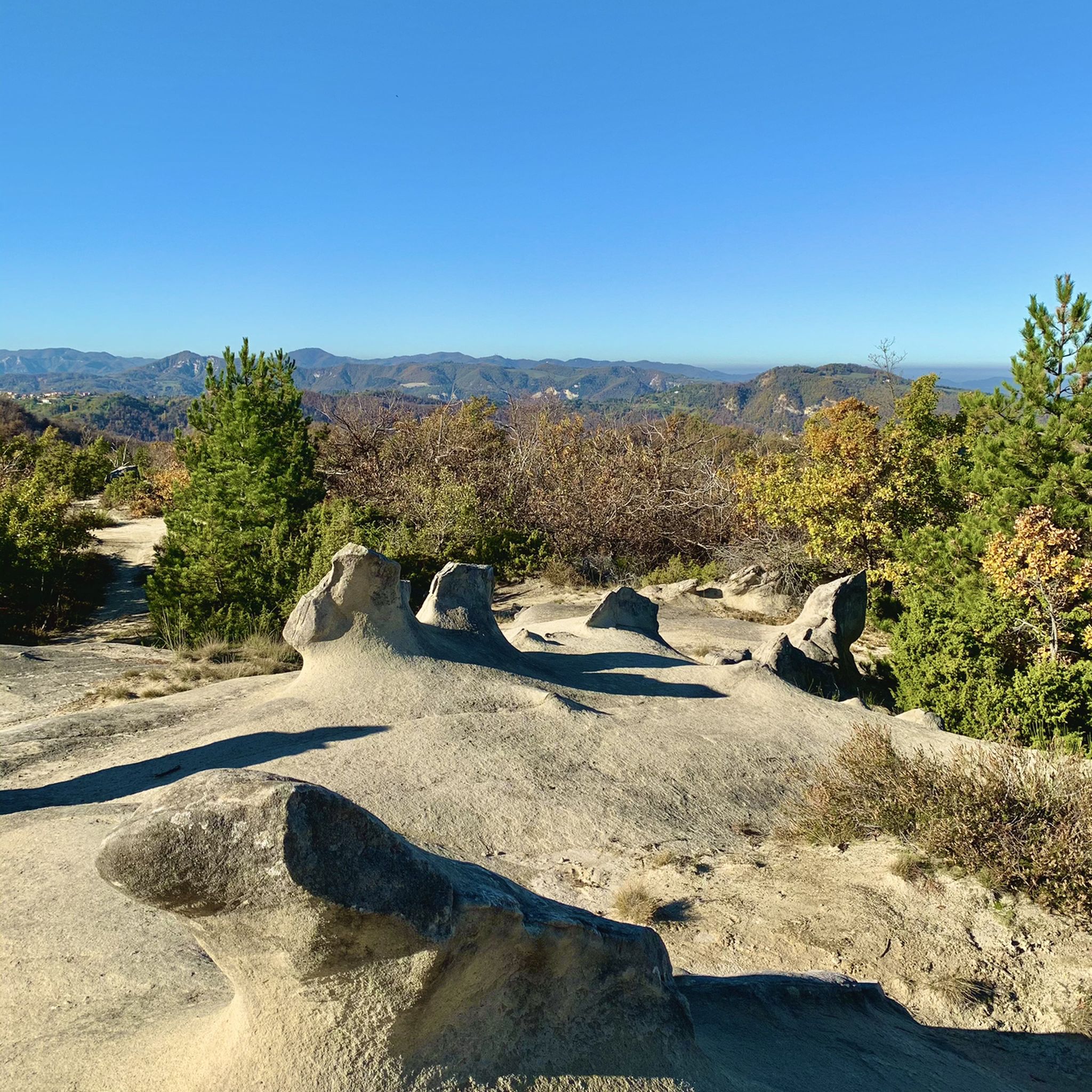
MTB Trails around Contrafforte Pliocenico
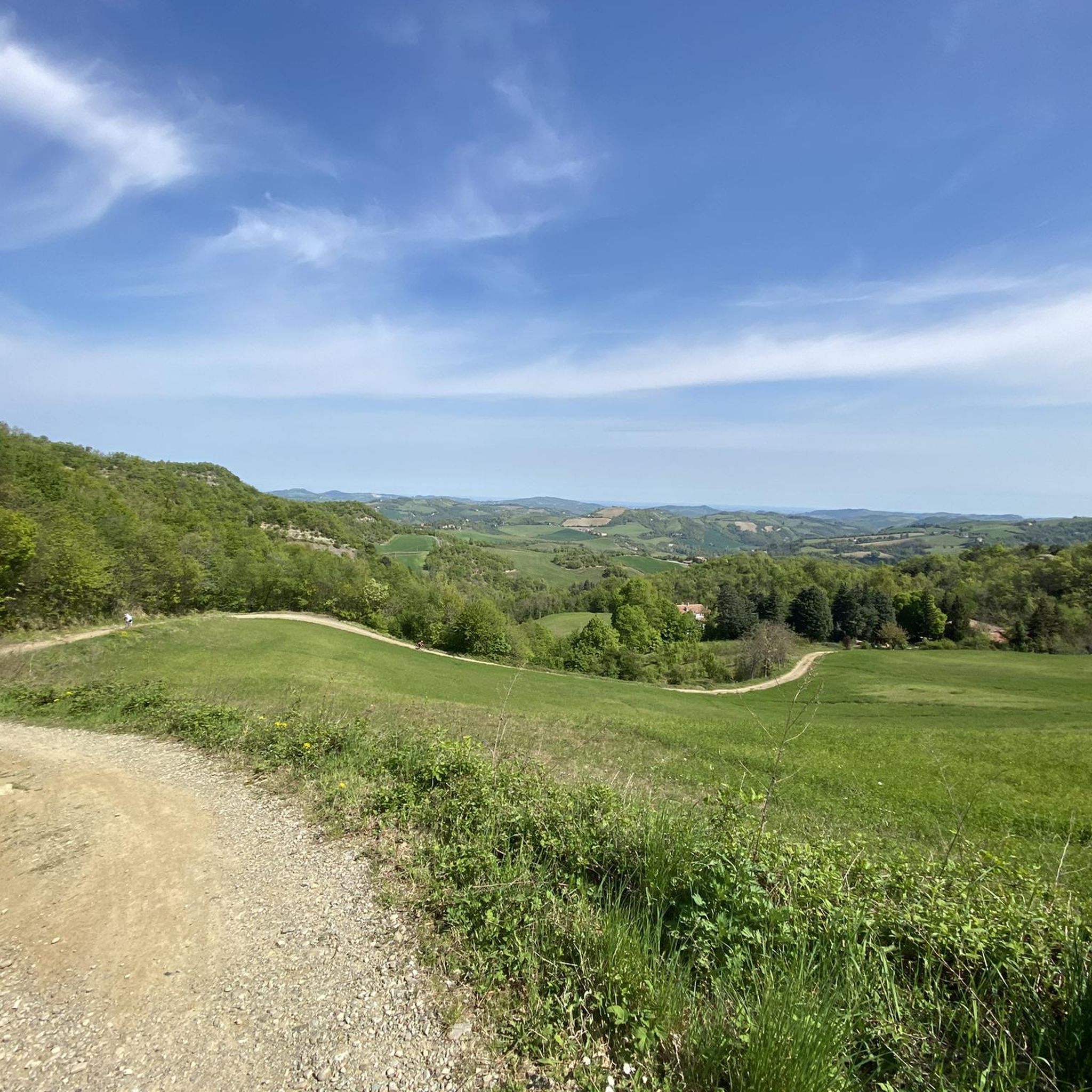
Cycling around Contrafforte Pliocenico
Gravel biking around Contrafforte Pliocenico
Other adventures around Contrafforte Pliocenico

Tips from the Community

If it didn't exist, we would have to invent it.
0
0
The meadows of Mugnano are a gem
0
0
Crossroads at the wildlife park
0
0

at certain times it is also possible to find it open to visit the church
0
0

Monte delle Formiche is a relief in the middle Bolognese Apennines above Pianoro, between the Idice valleys and the Zena valley. It has an altitude of 638 m. The name of the mountain seems to be linked to a natural phenomenon that occurs annually around September 8th, the feast day of the Madonna to whom a sanctuary is dedicated at the top of the mountain. Swarms of winged ants of the Mirmyca Scabrinodis variety migrate to this peak from central Europe to make their nuptial flight and die there. The event, which has been witnessed since ancient times, has over time taken on an almost miraculous value, a sort of homage from nature to the Madonna. From the sanctuary there is a beautiful panoramic view of the valleys below. By bike it is a beautiful climb with significant gradients.
0
0

Nestled in the serene landscapes of Badolo, the Church of St. Michael Archangel is a testament to resilience and faith. Originally built in the 14th century, this sacred site endured destruction during 1944 but emerged anew in 1976. The blend of Emilian craftsmanship and modern touches, including a bell tower from 1728, creates a harmonious ambiance. A symbol of the community's enduring spirit, this church invites visitors to connect with its rich history and embrace the tranquility of the Contrafforte Pliocenico Nature Reserve.
1
0

In 1944 the original church was completely destroyed by a bombing. The sacred building was rebuilt after the war on the same site where the old church once stood, the remains of which were partly incorporated into the new structure inaugurated in 1976. From the website: https://www.beweb.chiesacattolica.it/edificidiculto/editore/65162/Sasso+Marconi+%28BO%29+%7C+Chiesa+di+San+Michele+Arcangelo+di+Badolo
0
0
Monte Adone is an iconic stop along the Via degli Dei, a hiking trail that crosses the Apennines between Bologna and Florence. Located between Monzuno and Madonna dei Fornelli, Monte Adone offers spectacular panoramic views of the surrounding mountain range. The climb to the summit is an inspiring experience, taking visitors through nature trails and lush forests. Reaching the summit of Monte Adone is rewarding and offers a sense of achievement, as well as providing breathtaking views of valleys, hills and forests. It is the perfect place for a scenic break, to admire the surrounding landscape and to rest before continuing on the Via degli Dei. Monte Adone is one of the highlights of this famous hiking trail, offering hikers an unforgettable experience immersed in the wild nature of the Apennines.
2
1
Frequently Asked Questions
What are the prominent natural landmarks and geological features in Contrafforte Pliocenico?
The Contrafforte Pliocenico is renowned for its rocky outcrops of Pliocene sandstone, which form an open-air geological museum. Key peaks include Monte Adone summit (655 m), Monte delle Formiche (638 m), Monte Mario (466 m), and Rocca di Badolo (475 m). These formations showcase unique shapes sculpted over millions of years.
Where can I find the best panoramic views in the Contrafforte Pliocenico area?
For breathtaking panoramic views, head to the Monte Adone summit. Another excellent spot is the Sanctuary of Santa Maria di Zena (Monte delle Formiche), which offers expansive views across the Bologna hinterland.
What kind of wildlife and plant species can I expect to see in the reserve?
The Contrafforte Pliocenico is rich in biodiversity, with over 400 plant species and diverse ecosystems. The unique microclimate supports Mediterranean flora. You might also spot various wildlife, including rare bird species like peregrine falcons nesting in the sandstone cliffs.
Are there challenging hiking trails for experienced trekkers?
Yes, the reserve offers challenging trails. The Monte Adone summit is reached via a trek through fragrant wild broom and jasmine, and the Monte Adone Loop Trail is a popular, albeit difficult, route. The region also includes sections of the famous Way of Gods (Via degli Dei) and Via Mater Dei, which cater to experienced hikers.
What are some easier walking trails suitable for a relaxed outing?
While many trails can be challenging, there are paths suitable for various fitness levels. For a more relaxed experience, look for trails that avoid the steepest ascents of peaks like Monte Adone. The reserve's trails signed by the Club Alpino Italiano (CAI) range from easily accessible paths to more demanding routes.
Can I find cycling or mountain biking routes near the attractions?
Absolutely. The Contrafforte Pliocenico area is popular for cycling and mountain biking. You can explore various routes, including those for touring bicycles, mountain bikes, and gravel bikes. For detailed routes, check out the guides for Cycling around Contrafforte Pliocenico, MTB Trails around Contrafforte Pliocenico, and Gravel biking around Contrafforte Pliocenico.
Are there any historical or cultural sites to visit in the Contrafforte Pliocenico region?
Yes, beyond its natural beauty, the region holds historical significance. You can visit the Sanctuary of Santa Maria di Zena (Monte delle Formiche), a religious building with historical roots. Another notable site is the Church of St. Michael Archangel of Badolo, which has a history dating back to the 14th century. In the broader area, near Sasso Marconi, an Augustan-era aqueduct is still functional today.
Are there family-friendly activities or trails suitable for children?
Yes, the Contrafforte Pliocenico offers options for families. The Monte Adone Center for the Protection and Research of Exotic and Wild Fauna is a family-friendly highlight focused on animal recovery and education. When choosing trails, look for those marked as easier or moderate, keeping in mind that some routes can be steep and rocky.
What is the best time of year to visit Contrafforte Pliocenico?
The Contrafforte Pliocenico is beautiful year-round, but spring and autumn generally offer the most pleasant weather for hiking and exploring. During these seasons, temperatures are mild, and the landscape is vibrant with blooming flowers or rich autumn colors. Summers can be warm, while winters offer a different, often quieter, experience.
Are there any specific rules for bringing dogs on trails in Contrafforte Pliocenico?
While the reserve is generally welcoming to visitors, specific rules for dogs on trails can vary. It's always recommended to keep dogs on a leash to protect wildlife and ensure the safety of other visitors. Check local signage or official park guidelines for any specific restrictions in certain areas.
Where can I find parking when visiting the attractions?
Parking availability varies depending on the specific trailhead or attraction you plan to visit within the Contrafforte Pliocenico. Many trailheads and popular spots like Monte Adone or Monte delle Formiche have designated parking areas nearby. It's advisable to check specific access points for parking information before your visit.
What makes the Contrafforte Pliocenico an 'open-air geological museum'?
The Contrafforte Pliocenico is called an 'open-air geological museum' because its landscape vividly displays geological history. The prominent rocky outcrops are Pliocene sandstone, formed from ancient marine sediments deposited millions of years ago. This area is exceptionally rich in well-preserved marine fossils, including shells and even a fossilized whale skeleton, offering direct evidence of the earth's transformations.
Most popular routes around Contrafforte Pliocenico
Most popular attractions around Contrafforte Pliocenico

Get inspired with the komoot mobile app


Explore more
Still not found the Highlight you’re looking for? See guides of the top attractions in other regions:
