The best family-friendly hikes and walks in Sierra Espadà
4.6
(739)
4,122
hikers
68
hikes
Family friendly hiking trails in Sierra Espadà traverse a landscape defined by distinctive sandstone outcrops, known as "rodenos," which create a rugged relief of peaks and ravines. The region is home to extensive cork oak forests, unique within the Valencian territory, alongside numerous freshwater springs and shady ravines. This natural park, the second largest protected area in the Valencian Community, offers diverse terrain for outdoor activities.
Best family friendly hiking trails in Sierra Espadà
- The most popular family friendly hiking…
Last updated: July 3, 2026
4.7
(6)
24
hikers
12.9km
04:36
550m
550m
Hike 8.0 miles (12.9 km) through Serra d'Espadà to the historic Castro Castle, enjoying panoramic views and Mediterranean forests.
4.8
(25)
137
hikers
9.81km
03:35
510m
520m
Moderate hike. Good fitness required. Mostly accessible paths. Sure-footedness required.

Sign up for free
4.5
(11)
77
hikers
13.5km
04:54
580m
580m
Moderate hike. Good fitness required. Mostly accessible paths. Sure-footedness required.
4.7
(7)
90
hikers
11.1km
04:16
600m
600m
Moderate hike. Good fitness required. Mostly accessible paths. Sure-footedness required.
4.7
(26)
91
hikers
8.27km
02:52
340m
340m
Moderate hike. Good fitness required. Mostly accessible paths. Sure-footedness required.
Get access to more routes and recommendations from other explorers.
Sign up for free
Already have an account?
Our route recommendations are based on thousands of hikes, rides, and runs completed by other people on komoot.
Start today with a free account
Your next adventure awaits.
Login or Signup
Popular around Sierra Espadà

Tips from the Community

The El Socavón Mine is a former cinnabar (mercury sulfide) mine located in the municipality of Chóvar, within the Sierra de Espadán Natural Park. Cinnabar is the mineral from which mercury is extracted. These mines were once exploited for their industrial value, as mercury was used to amalgamate gold and silver.
1
0

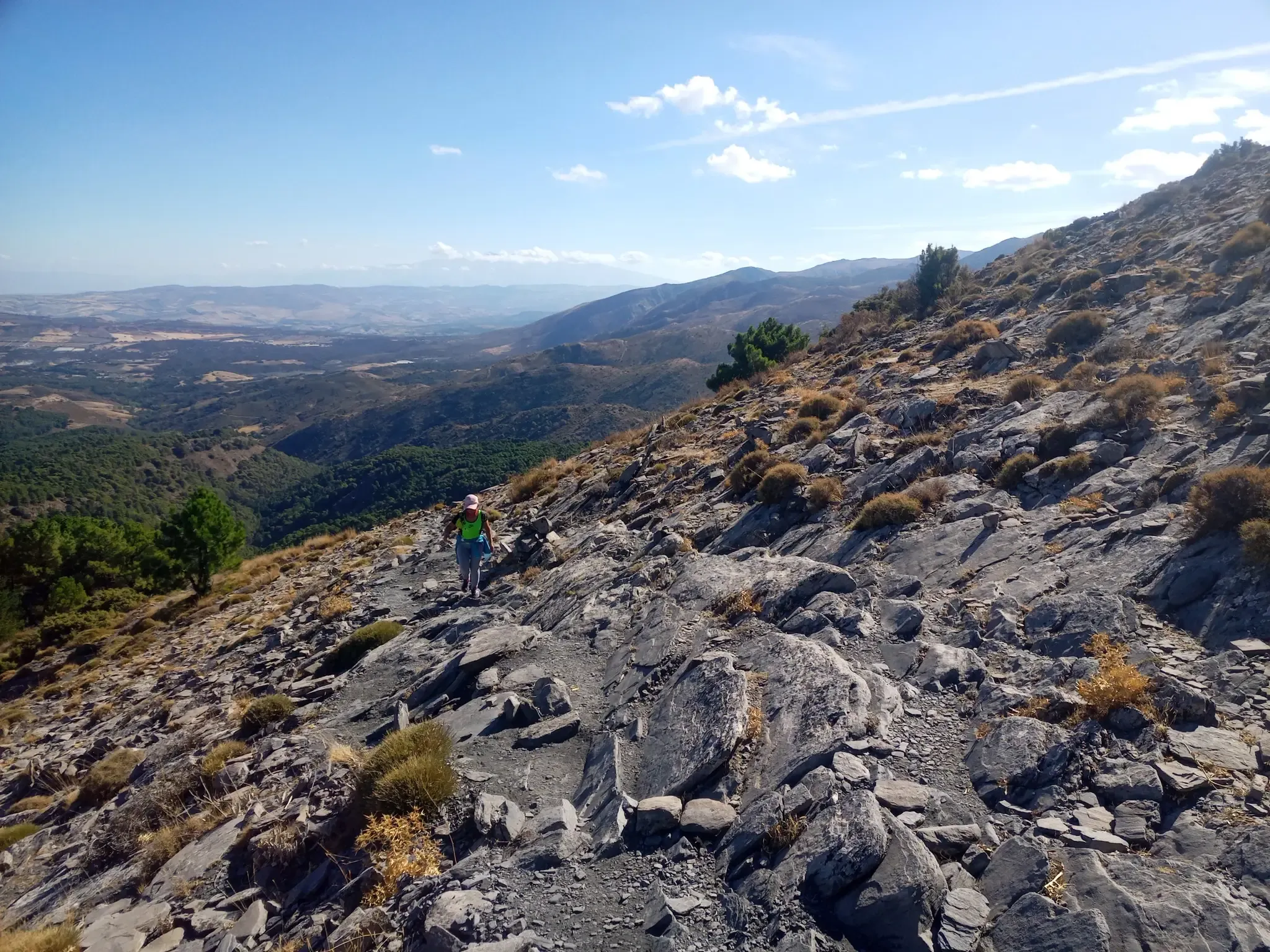
It was a really beautiful but also strenuous hike. There are very rocky paths shortly after the start and also at the end. In the end we were still happy, the view is magnificent!
1
0
It was built in the 12th century by the Muslims who inhabited the region. Its original purpose was to retain the waters of the ravine of the same name and then use them to irrigate the fields downstream. This route is ideal for hiking lovers and offers a variety of landscapes and experiences. I hope you enjoy exploring the Ajuez Reservoir and its surroundings! 🌿🏞️
4
0

Ernbalse de Ajuez Unfortunately, the reservoir is almost dry and things are slowly getting tight for the fish and turtles. The Chóvar Reservoir, as it is also called, is part of an ancient local irrigation system built to retain the rushing water from the eponymous gorge. The place name is derived from Arabic, the meaning of which means “common pastureland” and indicates the importance of agriculture and livestock breeding in the region. Due to its capacity of 30,000 m³ and the lack of water sources in the nature park, it is of great value for the fauna. It is currently included in the catalog of wetlands of the Valencian Community
8
0
Cinnabar mines. An example of the importance of the metallurgical activity that took place in the Sierra Espadán are the remains of the currently abandoned Hembral mining complex, where, among other things, remains of the El Socavón mine can be seen, consisting of the landfill and the engine, rails, wagons and the cavity, which is currently closed due to its potential danger. This was the last exploitation in the 1970s to extract cinnabar, also known as vermilion because of its color, a mineral composed primarily of mercury and used to separate gold and silver from other minerals.
7
0

After the Reconquista, many castles in the region were modified or rebuilt to adapt to Christian styles and needs.
7
0
The Castro Castle, an Arab fortress with an impressive watchtower at a height of about 780 m, was a fundamental bastion of the Moorish resistance at the time of their expulsion. It was taken by the Duke of Segorbe and General Cavanilles after the Castillo de Aín had also fallen. It was also used in the Carlist Wars. The castle covers an area of about 2,000 m2, where two parts can be distinguished: the "Albacar", a fortified refuge for the inhabitants of the towns dependent on the fortress; and on the other side, the castle itself, which presided surrounded by a large keep that was demolished in 1938 during the Civil War. The views are impressively beautiful.
9
0
There is an impressive abyss in front of us (be careful if you feel dizzy) and another stone needle rises below us, and to our left is the reservoir. Spectacular.
9
0
Frequently Asked Questions
How many family-friendly hiking trails can we find in Sierra Espadà?
Sierra Espadà offers a wide selection of routes suitable for families. You'll find over 60 hiking trails, with 4 specifically rated as easy and 53 as moderate, providing plenty of options for various ages and abilities.
When is the best time of year for a family hiking trip in Sierra Espadà?
The spring and autumn months are generally ideal for family hiking in Sierra Espadà. During these seasons, the temperatures are pleasant, and the natural park's cork oak forests and freshwater springs are at their most vibrant, offering comfortable conditions for exploring with children.
Are there any circular routes suitable for families in Sierra Espadà?
Yes, many of the trails in Sierra Espadà are designed as circular routes, which are perfect for families as they bring you back to your starting point. A great example is the Castro Castle and Nevera de Castro Loop, which combines natural beauty with historical interest.
What kind of natural landmarks or viewpoints can we expect to see on family hikes?
Sierra Espadà is known for its unique 'rodenos' sandstone formations and lush cork oak forests. Families can discover impressive rock formations like the Órganos de Benitandús, or enjoy panoramic views from spots like the Piedras de Cullera. The park also features numerous freshwater springs and shady ravines.
Are there any historical sites or attractions along the family-friendly trails?
Absolutely! The region is rich in history. You can explore the ruins of Castro Castle, which offers breathtaking views, or discover the 18th-century Neveras (snow wells) that dot the landscape. Charming medieval villages like Aín Village also provide a glimpse into the past.
What do other hikers enjoy most about family hiking in Sierra Espadà?
The area is highly rated by the komoot community, with an average score of 4.58 stars from over 650 ratings. Reviewers often praise the well-maintained trails, the stunning natural beauty, and the variety of routes that cater to different family needs, from easy strolls to more adventurous hikes.
Are the family-friendly trails in Sierra Espadà suitable for dogs?
Many trails in Sierra Espadà are dog-friendly, allowing you to bring your furry companions along for the adventure. However, it's always recommended to keep dogs on a leash, especially in protected areas, and to check specific trail regulations before you go.
Where can we find parking for family hikes in Sierra Espadà?
Parking is generally available near the trailheads of popular routes and in the villages within the natural park. For example, if you're planning to hike around the Órganos de Benitandús, you can often find parking in nearby villages like Suera/Sueras or Alcudia de Veo, which serve as common starting points for these trails.
Are there any easy, shorter routes ideal for families with young children or toddlers?
While many routes are moderate, there are easier sections and shorter walks perfect for families with young children. Look for trails with minimal elevation gain and shorter distances. The natural park's diverse landscape means you can often find gentle paths through cork oak forests or alongside springs that are suitable for little legs.
Can we find places to eat or stay in the villages within Sierra Espadà?
Yes, the charming medieval villages scattered throughout Sierra Espadà, such as Aín, Eslida, and Almedíjar, offer amenities like cafes, restaurants, and sometimes accommodation. These villages are perfect for a post-hike meal or a comfortable stay, allowing you to immerse yourselves in the local culture.
What kind of terrain should we expect on family hikes in Sierra Espadà?
The terrain in Sierra Espadà is quite varied. You'll encounter paths through extensive cork oak forests, rocky sections with unique sandstone formations ('rodenos'), and trails alongside freshwater springs and ravines. While some routes can be steep, many family-friendly options feature well-trodden paths with moderate inclines.
Most popular routes in Sierra Espadà
Most popular attractions in Sierra Espadà

Get inspired with the komoot mobile app


Explore more
Browse the best Hikes in other regions.
